
Film
Fight Club
A jittery, hallucinatory descent into male rage dressed up as pulp thriller, narrated by a man who can't trust his own eyes. Fincher shoots consumerism and self-help culture like a fever dream, then detonates it. It's stylish, quotable, morally slippery, and built for repeat viewing once you know the trick — best for anyone who likes their nihilism with jokes attached.
If you liked this
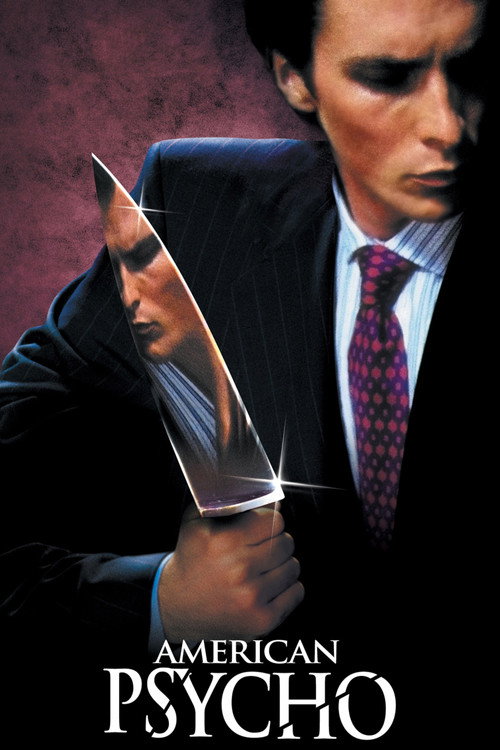
American Psycho2000
Christian Bale's Patrick Bateman is Tyler Durden's yuppie cousin — same disgust with consumer identity, same unreliable narrator smirking at you through the fourth wall, funnier and colder.
But The satire is so dry some viewers miss it entirely and just see a slasher movie.
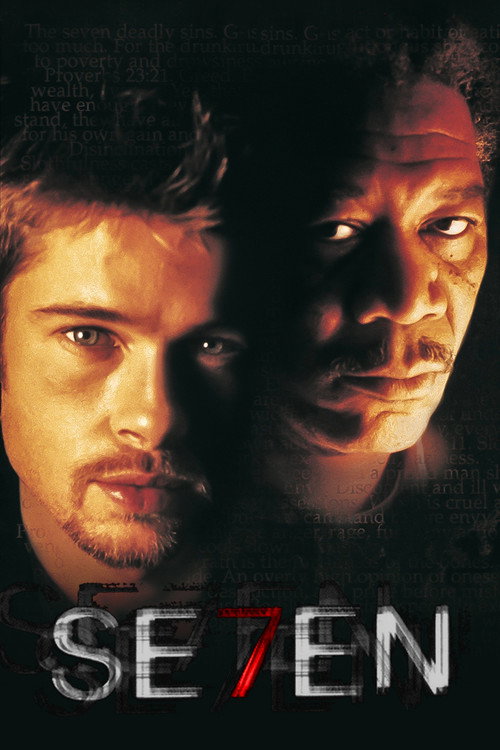
Se7en1995
Fincher's earlier gut-punch, same grimy urban dread and same appetite for a final twist that recontextualizes everything you just watched.
But Genuinely bleaker with none of Fight Club's dark comic relief — this one doesn't blink.
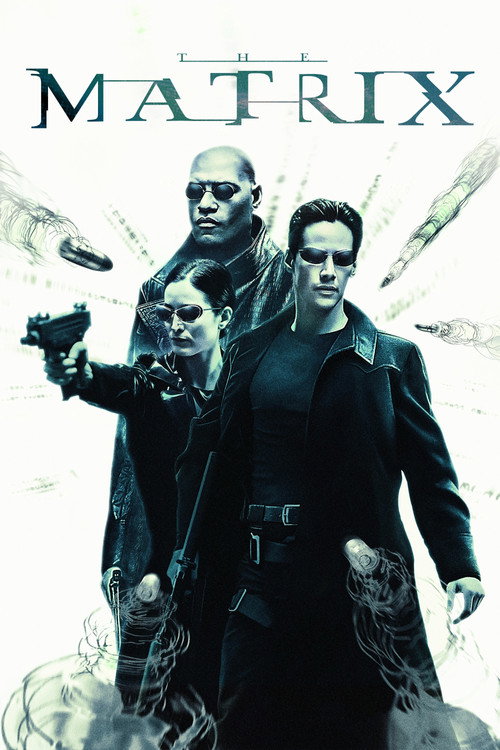
The Matrix1999
Released the same year, it's the other 1999 movie about a disaffected man handed a red pill by a charismatic stranger who promises the real world was a lie all along.
But The philosophy is delivered with more sincerity and less irony — no jokes at its own expense.
The wildcard
Something you would not have found on your own.
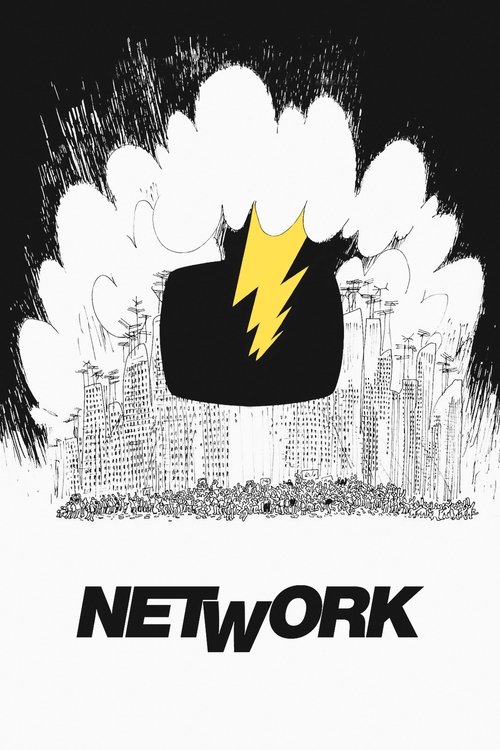
Network1976
Both films watch a magnetic prophet's anti-establishment message metastasize into something its creator loses control of.
A furious anchorman tells America to get mad and a movement erupts around him that he can't control — decades before Tyler Durden, this is the same idea about charisma weaponizing rage, aimed at television instead of soap.
But Talky, theatrical seventies filmmaking with no fight scenes — all of the ideas, none of the adrenaline.
More like this (8)
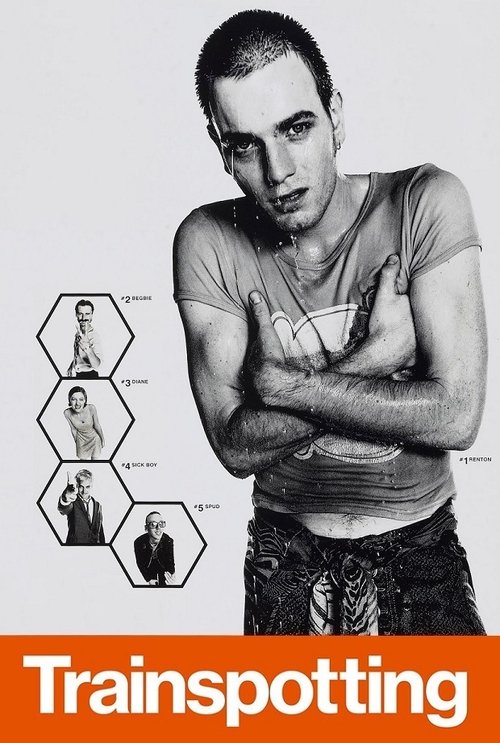
Trainspotting1996
Same restless, kinetic voiceover-driven style, same young men choosing self-destruction as a kind of rebellion against a life that bores them.
But Swaps corporate satire for heroin addiction — a rougher, more specific kind of misery.
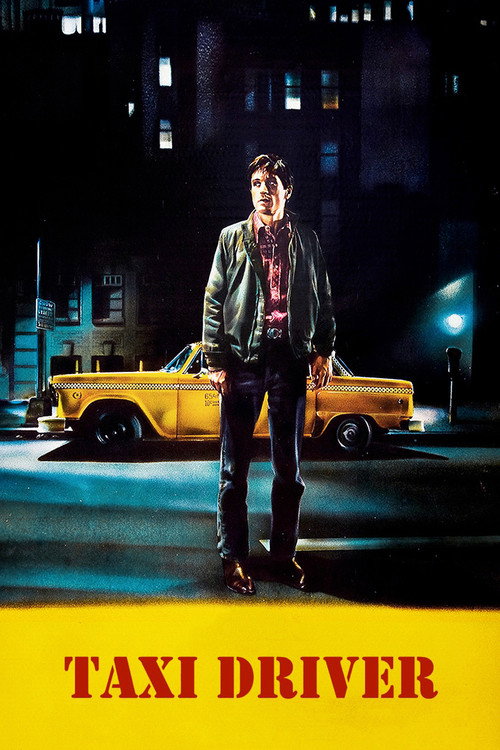
Taxi Driver1976
The original lonely, insomniac city man radicalizing himself into violence, and the film every alienated-antihero movie since has been quoting from.
But Slower, grimier, and less interested in giving you a cool time — this one just watches a man rot.
Donnie Darko2001
Another cult favorite built entirely on a reality you can't trust, with a rewatch that changes meaning once you know what's actually happening.
But Trades muscular aggression for melancholy teenage sci-fi dread — a very different mood.

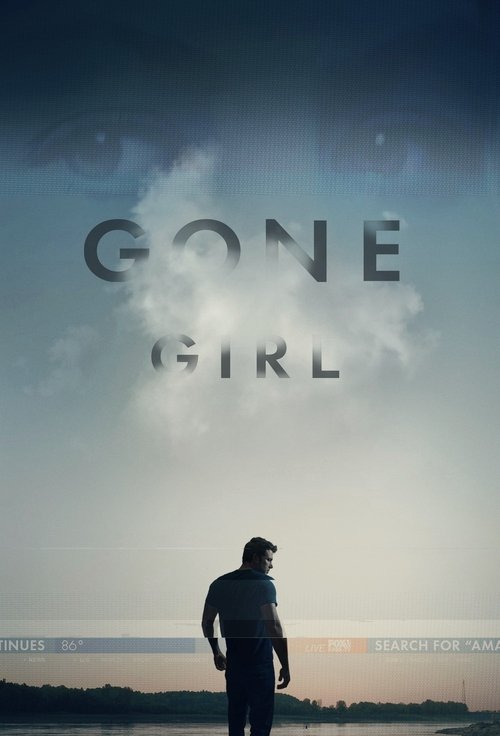
Gone Girl2014
Fincher again, this time turning his cold, precise eye on marriage and media spectacle instead of masculinity — same pleasure in a narrator playing you.
But No violence-as-catharsis here, just marital warfare — a cooler, more clinical kind of nasty.
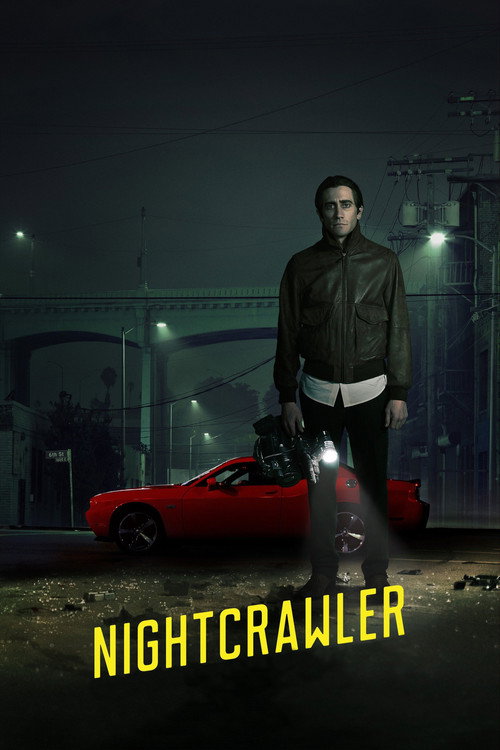
Nightcrawler2014
A different kind of charismatic sociopath narrates his own rise, this time through LA's night-shift news industry, with the same queasy thrill of rooting for the wrong guy.
But Jake Gyllenhaal's character has none of Tyler's charm — this is uglier and less fun to like.
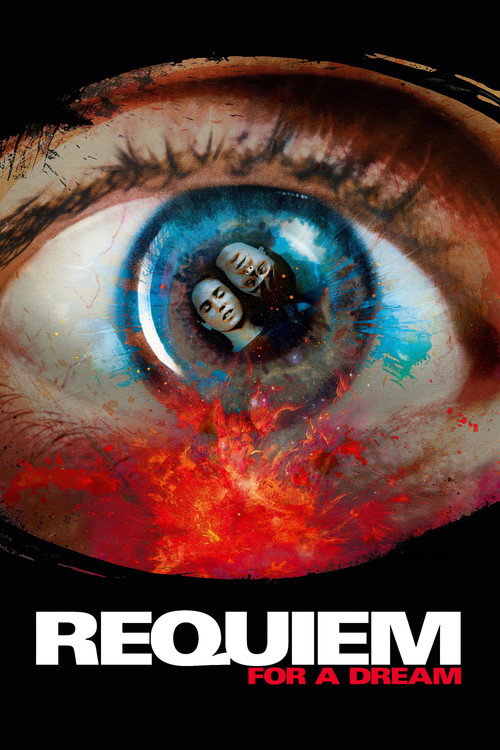
Requiem for a Dream2000
Same spiral-toward-oblivion structure and hyperkinetic visual grammar, just aimed at addiction instead of anti-consumerist rebellion.
But Almost unbearably grim by the end, with none of the wit that cushions Fight Club's darkness.
Perfect Blue1998
Both hinge on a narrator whose grip on their own identity has quietly already broken before the story tells you.
A Japanese animated psychological thriller about a woman who can no longer tell which version of her life — or her identity — is real, told with the same paranoid, reality-bending editing tricks.
But Subtitled anime with disturbing sexual content and a much smaller scale — no explosions, just dread.

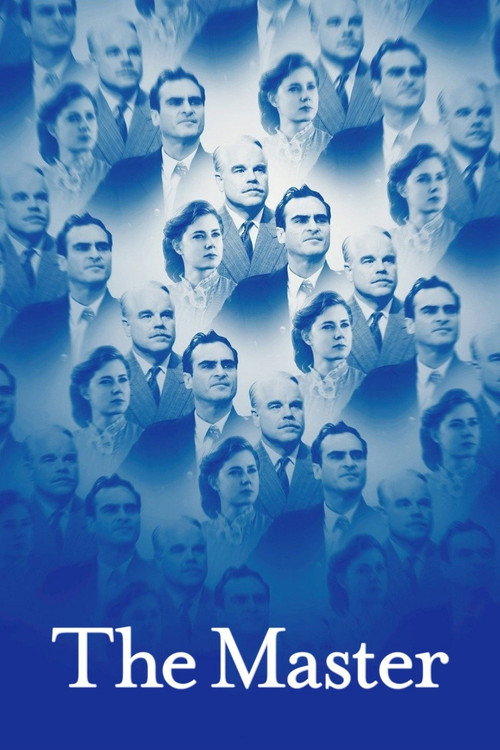
The Master2012
Same drama of a broken man surrendering himself to a magnetic figure's philosophy, stripped of irony and played for tragedy instead of thrills.
Paul Thomas Anderson's hushed, hypnotic study of a damaged man drawn into a charismatic leader's orbit — the cult-of-personality machinery of Fight Club played at half speed and dead serious.
But Deliberately slow and ambiguous, with no punchlines, no violence spectacle, and no clean resolution.
People
Cast
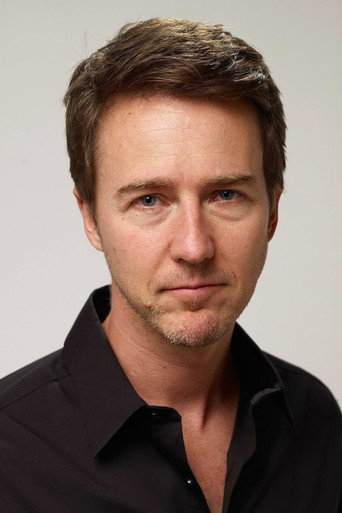 Edward NortonNarrator
 Brad PittTyler Durden
 Helena Bonham CarterMarla Singer
 Meat LoafRobert Paulson
 Jared LetoAngel Face
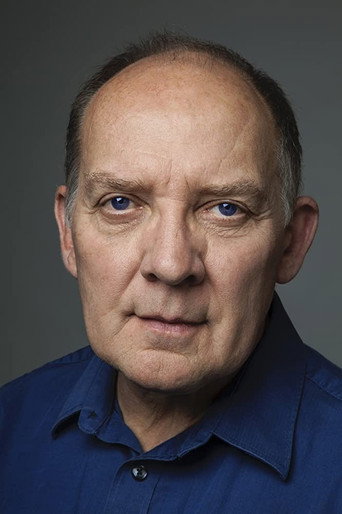 Zach GrenierRichard Chesler (Regional Manager)
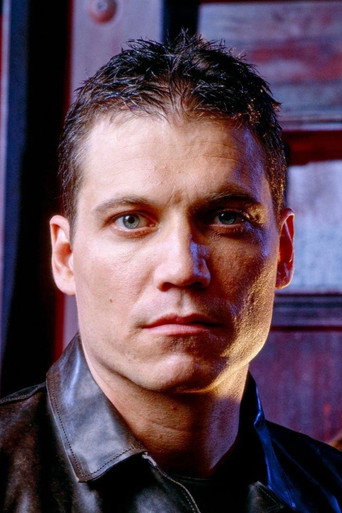 Holt McCallanyThe Mechanic
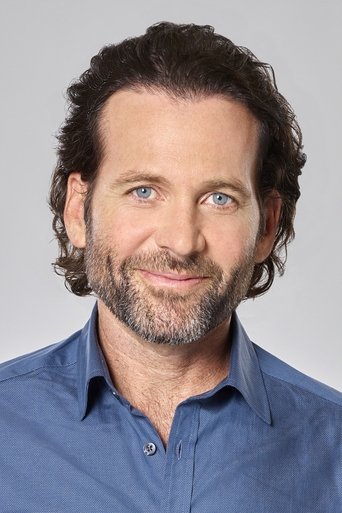 Eion BaileyRicky
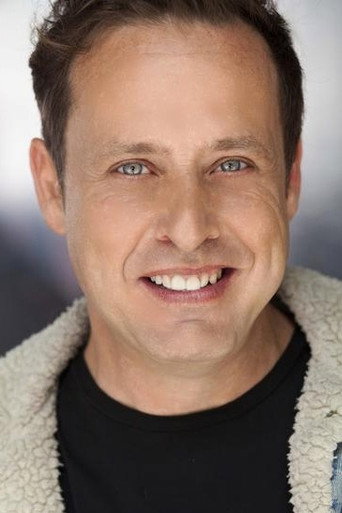 Richmond ArquetteIntern at Hospital
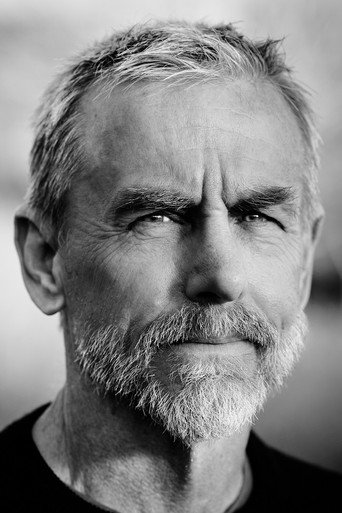 David AndrewsThomas at Remaining Men Together
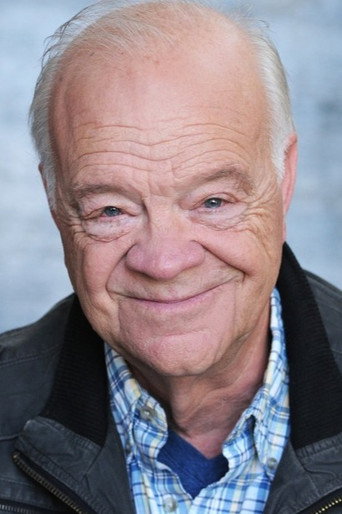 George MaguireGroup Leader at Remaining Men Together
 Eugenie BondurantWeeping Woman - Onward and Upward
Directing
- David FincherDirector
- Mike TopoozianFirst Assistant Director
- Dina WaxmanScript Supervisor
- Bob WagnerSecond Assistant Director
- Allen KupetskySecond Second Assistant Director
Writing
- Chuck PalahniukNovel
- Jim UhlsScreenplay
Production
- Mickie McGowanADR Voice Casting
- Chris GutierrezAssistant Location Manager
- David McKimmieAssistant Production Coordinator
- John S. DorseyAssociate Producer
- Laray MayfieldCasting
- Christie Cean GeorgeCasting Assistant
- Karen MeiselsCasting Associate
- Arnon MilchanExecutive Producer
- Sande AlessiExtras Casting
- Joe Hartwick Jr.First Assistant Accountant
- Scott RossGeneral Manager
- Flint MaloneyLocation Manager
- Richard SchulerLocation Manager
- Cindy NevinsPayroll Accountant
- Art LinsonProducer
- Ceán ChaffinProducer
- Ross Grayson BellProducer
- Jim DavidsonProduction Accountant
- Tanya DoyleProduction Assistant
- Robb EarnestProduction Coordinator
- Shaun RyanProduction Driver
- Rich ThorneProduction Executive
- Julie M. AndersonProduction Supervisor
- Carey Ann StreleckiResearcher
- Eileen M. DennisSecond Assistant Accountant
- Helen PollakUnit Production Manager
Recommended by
Mr. Robot, A Clockwork Orange, The Prestige, Shutter Island, A Beautiful Mind, Memento, American Psycho, if...., Twelve Monkeys, Magic, Taxi Driver, Falling Down, The Game, Office Space, Joker, American Beauty, The Usual Suspects, The Eminence in Shadow, Dr. Jekyll and Mr. Hyde, Manhunt, The Machinist, Enemy, Glass, Identity