
Film
Jerry Lewis: The Man Behind the Clown
A sixty-minute portrait of Jerry Lewis as artist and innovator, not just comedian. Scorsese and Malle contextualize his visual genius and directorial ambition alongside archive footage and admirers. It's a focused, reverential look at a performer who shaped cinema as much as he shaped laughter—less comprehensive biography, more love letter to a complicated innovator.
Should you watch it?
Watch it if you love behind-the-scenes talk about how comic timing and camera trickery get built, and want a director's workshop more than a greatest-hits reel.
Skip it if you find slapstick tiresome, since this leans on admirers' talking heads and clips rather than sustained laughter, so the hour may feel like a tribute reel.
What it asks of you: An hour of mostly seated listening, moving at a documentary's pace with clips cut between interviews; it asks patience more than close attention to plot.
Not sure? Find tonight's pick in a minute.
If you liked this
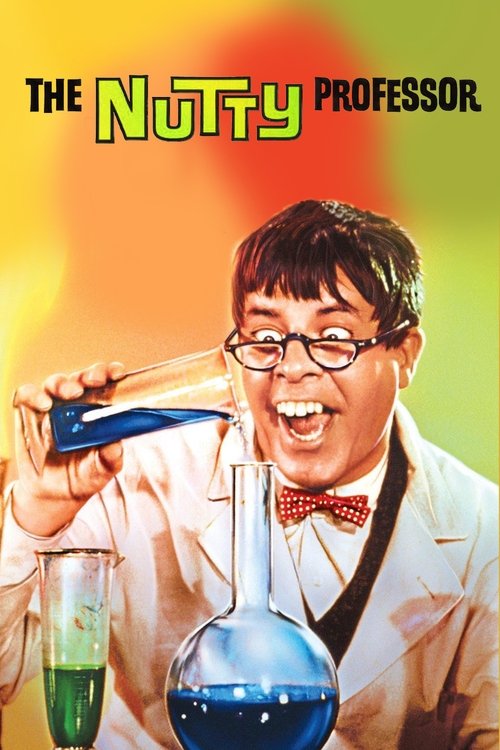
The Nutty Professor1963
Lewis's masterpiece: a performance showcase that's genuinely moving beneath the gags, with a split-personality plot that lets him demonstrate range most comedians never touch.
But The slapstick can feel dated, and the film's pacing occasionally stalls when it prioritizes sentiment over laughs.
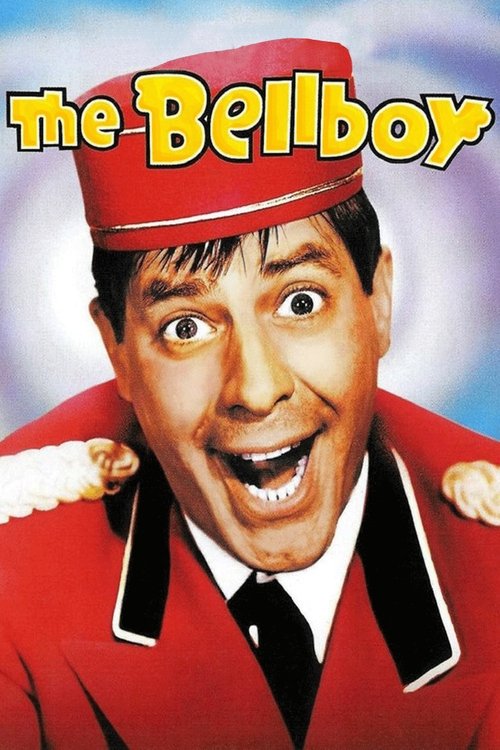
The Bellboy1960
His directorial debut is almost dialogue-free, a pure visual comedy that influenced decades of filmmakers. You watch someone learning cinema grammar in real time.
But It's episodic and slight—more a collection of gags than a narrative. Some bits land harder than others.
Singin' in the Rain1952
Lewis plays the ingenue opposite Gene Kelly in a Golden Age musical that perfects the form. His scenes are hilarious without ever undermining the film's grace.
But If you find classic Hollywood musicals stagey and artificial, this won't change your mind.

Not sure tonight? Get a pick in a minute, starting from Jerry Lewis: The Man Behind the Clown
The wildcard
Something you would not have found on your own.
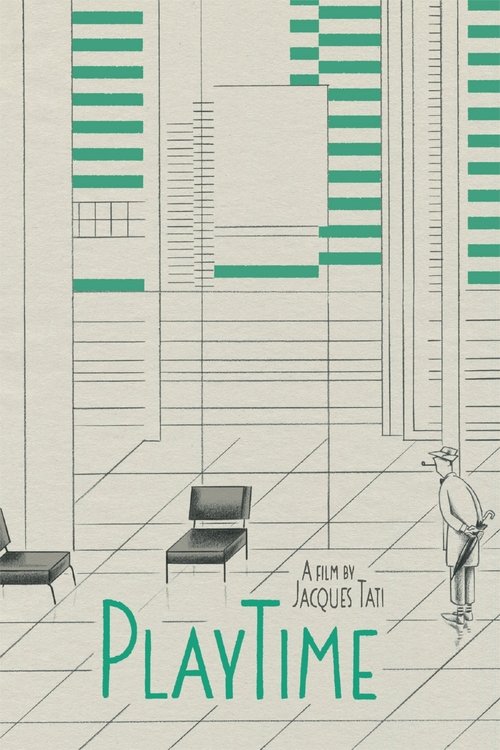
PlayTime1967
Both built comedies from mise-en-scène rather than dialogue or character; both were auteurs who refused to separate performance from direction; both explored isolation within crowded modern spaces.
Jacques Tati's monumental comedy about modern life's absurdity and the loneliness of crowds. Like Lewis, he was a singular physical comedian-director obsessed with visual storytelling and the architecture of how we laugh.
But It's 124 minutes, dialogue-light, and structured like a series of sketches rather than a plot. Patience required, and not every gag lands.
More like this (8)
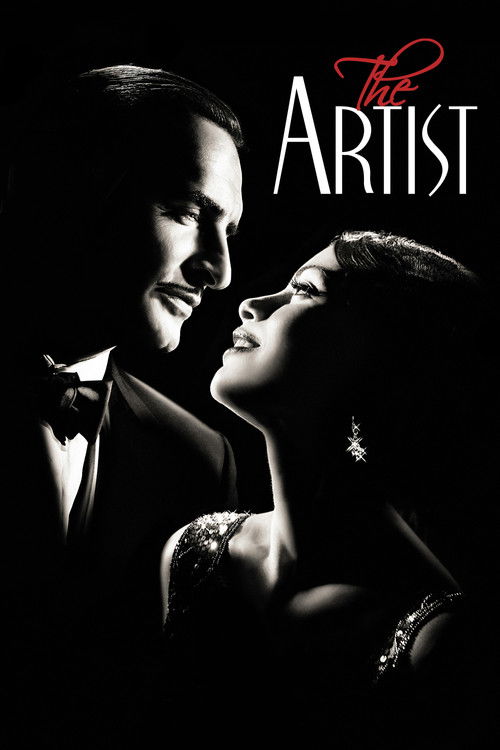
The Artist2011
A silent film about silent film that owes everything to Lewis's visual language. Hazanavicius understood what made physical comedy timeless.
But Silent films require patience. If you need dialogue to stay engaged, you'll find it slow.
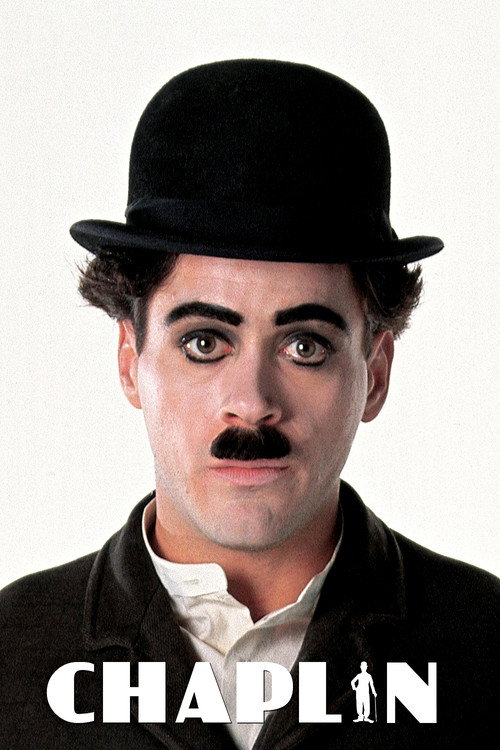
Chaplin1992
Downey Jr. inhabits another physical comic legend, and it's a thorough, ambitious biography that shows why Chaplin mattered. A useful companion piece.
But It's overstuffed and occasionally sentimental, with Downey's performance sometimes overshadowing the historical substance.
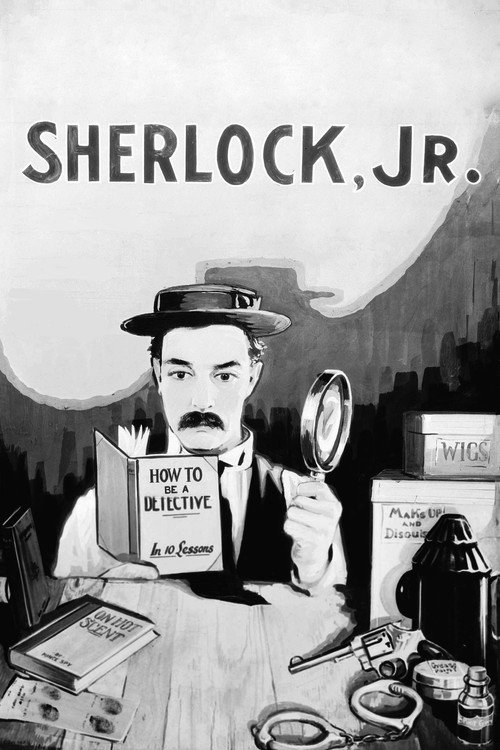
Sherlock Jr.1924
Keaton's masterwork of visual storytelling—the direct ancestor of Lewis's visual language. Ten minutes will show you where Lewis learned to think cinematically.
But It's silent and brief. Some people find pre-sound comedy quaint rather than funny.
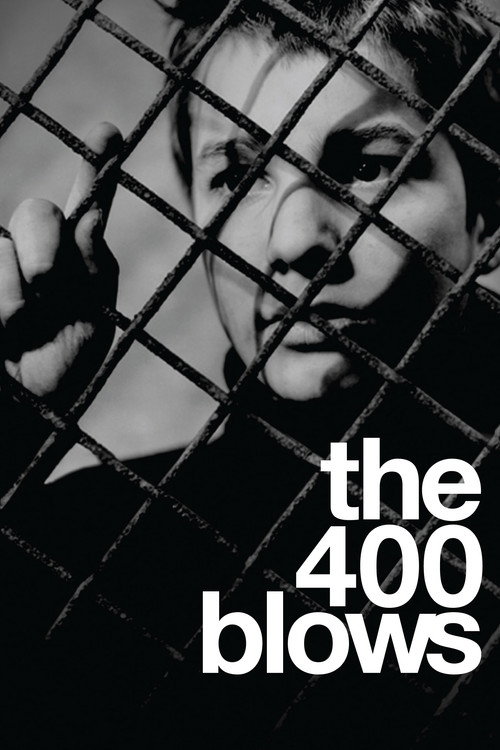
The 400 Blows1959
Truffaut's humanistic drama shows how the French New Wave directors revered what Lewis was doing—taking cinema seriously in registers his American peers missed.
But It's a coming-of-age story about childhood sadness. Nothing like the films in this doc, but illuminating context.
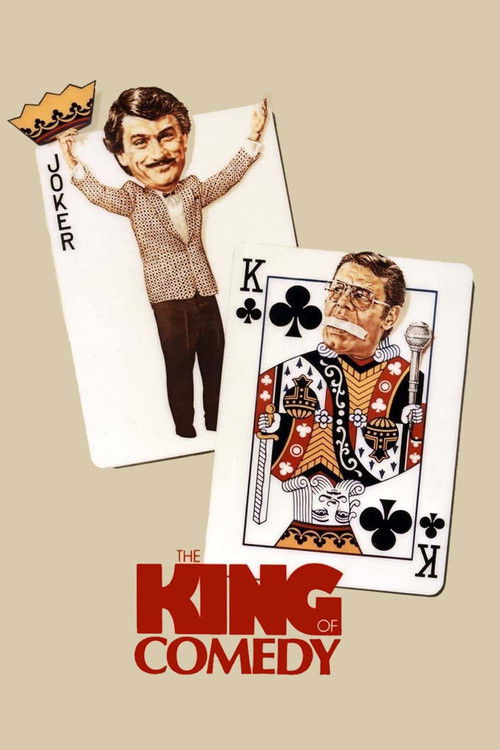
The King of Comedy1982
Scorsese's one comedy is savage about celebrity and performance obsession. De Niro plays a fan consumed by a talk-show host, a dark mirror of comedic hunger.
But It's uncomfortable and bleak. The humor is barbed in ways that sit wrong with some audiences.
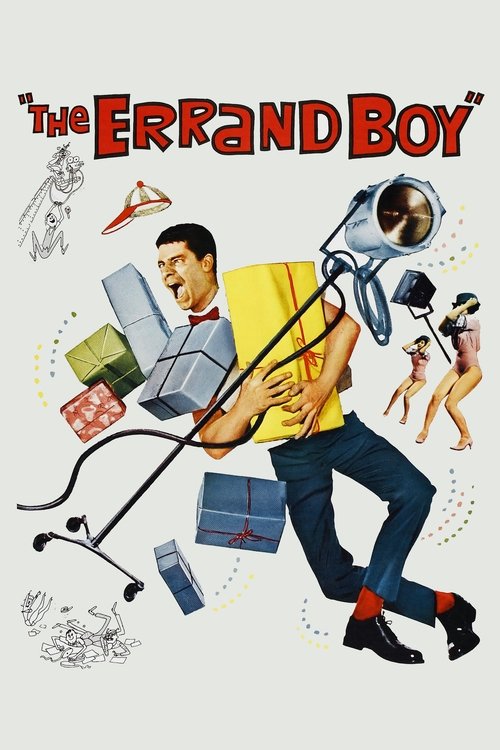
The Errand Boy1961
A loose, experimental comedy with minimal plot that lets Lewis improvise around a studio lot. It shows his directorial playfulness when he trusts instinct over structure.
But It meanders significantly. If you need forward momentum and character stakes, you'll find it formless.
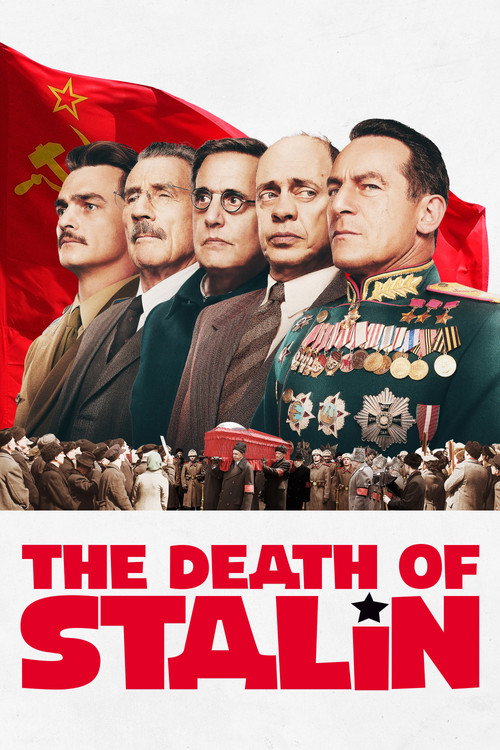
The Death of Stalin2017
Both use exaggerated physical performance and visual language to explore power, performance, and the masks we wear; both argue that comedy can be serious art.
Armando Iannucci's satirical dark comedy about Soviet bureaucracy uses physical performance and slapstick to make political tragedy absurd. It proves physical comedy can carry weight and thought.
But It's bleak, cynical, and uses clowning to expose horror rather than to uplift. The tone is genuinely unsettling beneath the laughs.
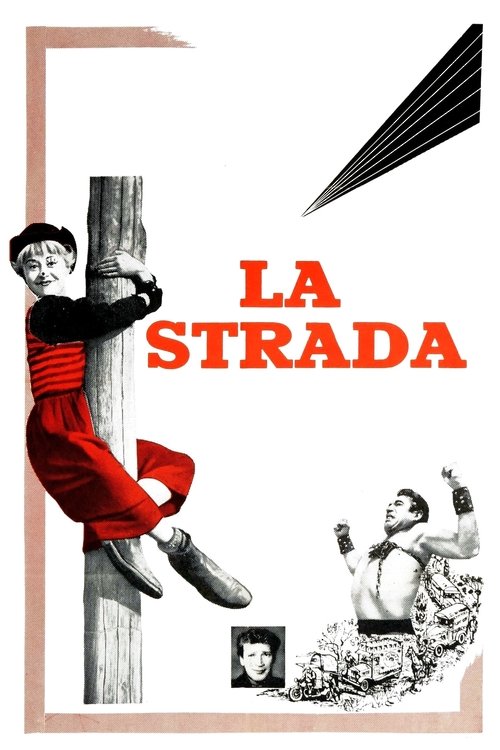
La Strada1954
Both films treat the circus performer and wanderer as a lens for examining human dignity and loneliness; both balance slapstick sensibility with genuine sorrow and find beauty in the combination.
Fellini's neo-realist masterpiece about a circus performer and her abusive manager. It shows the pathos beneath carnival life—what Lewis explored in his best work, but through Fellini's more metaphysical lens.
But It's devastating and slow. Nothing is funny in the way Lewis's films are; the clown here is a tragic figure, not an entertainer.
People
Cast
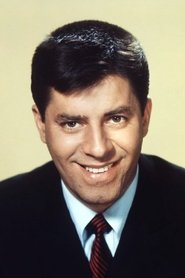 Jerry LewisSelf (archive footage)
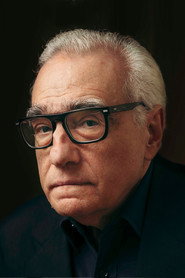 Martin ScorseseSelf
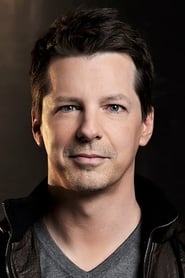 Sean HayesSelf
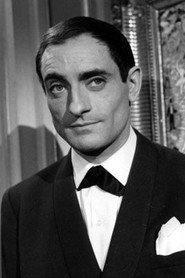 Pierre ÉtaixSelf
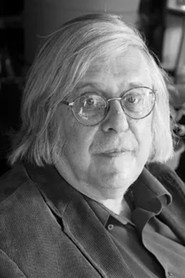
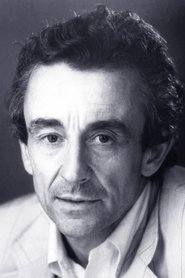 Louis MalleSelf (archive footage)
Directing
- Grégory MonroDirector
Writing
- Grégory MonroWriter
Production
- Christiane GrazianiCo-Producer
- Robert de YoungCo-Producer
- Stephan WellinkCo-Producer
- Éric EllenaProducer
- Ian AyresProducer