
Film
The Bellboy
- Slapstick
- Light-hearted
Jerry Lewis's silent slapstick masterpiece set in a Miami Beach hotel. Stanley the bellboy communicates entirely through physicality and expression as chaos erupts wherever he goes. It's pure vaudeville energy channeled into cinema—joyful, inventive, and occasionally bewildering. For anyone who loves physical comedy or wants to see a performer at the height of their powers.
Should you watch it?
Watch it if you love silent-comedy physical gags stretched into a loose, wandering hotel-lobby rhythm, where the joke is a man who refuses to say a word and everything around him falls apart.
Skip it if you want dialogue, a tight plot or a story that builds toward something; this is mostly a string of set pieces, and the wordless clowning can feel thin across its runtime.
What it asks of you: Roughly seventy-two minutes of patience for sight gags that land unevenly, with long stretches of mime and little forward momentum, so it rewards watching closely rather than half-attending.
Not sure? Find tonight's pick in a minute.
If you liked this
Singin' in the Rain1952
Gene Kelly and Donald O'Connor prove physical comedy can be genuinely transcendent. The energy, precision, and sheer joy of movement mirror Lewis's approach but through dance rather than slapstick.
But It's a musical, so if you're watching for pure comedy beats, the song sequences might feel like interruptions.

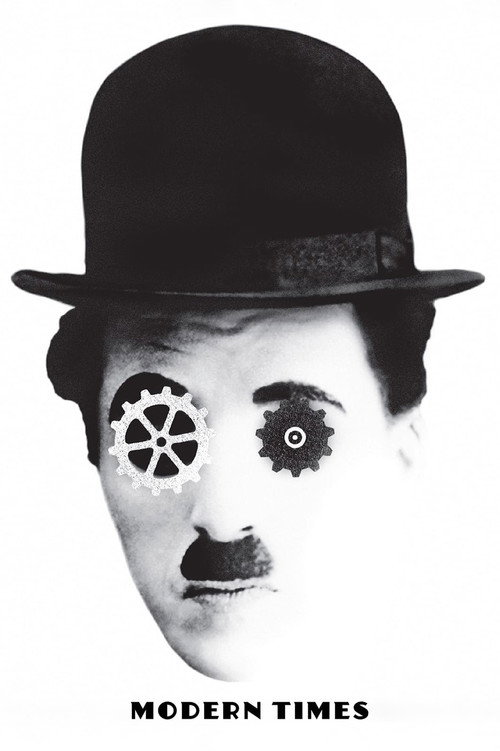
Modern Times1936
Chaplin's last silent film: a lone figure battling an indifferent machine. Like Lewis, Chaplin built entire narratives from gesture and expression, proving comedy didn't need words.
But Shot in black and white during the Depression, it's darker and slower than The Bellboy—more pathos than laughs.
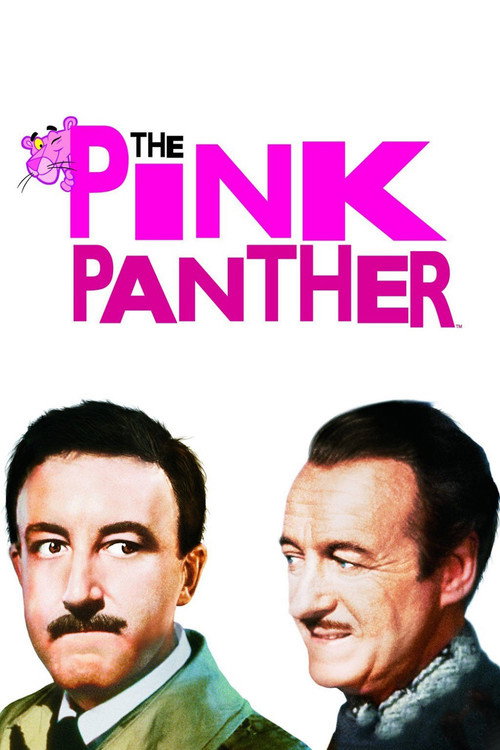
The Pink Panther1963
Peter Sellers as Inspector Clouseau channels the physical comedy tradition. Deadpan and physical, with a character who creates chaos through sheer incompetence, just like Stanley.
But The jokes sometimes coast on the premise rather than landing consistently. Some sequences outstay their welcome.
Not sure tonight? Get a pick in a minute, starting from The Bellboy
The wildcard
Something you would not have found on your own.
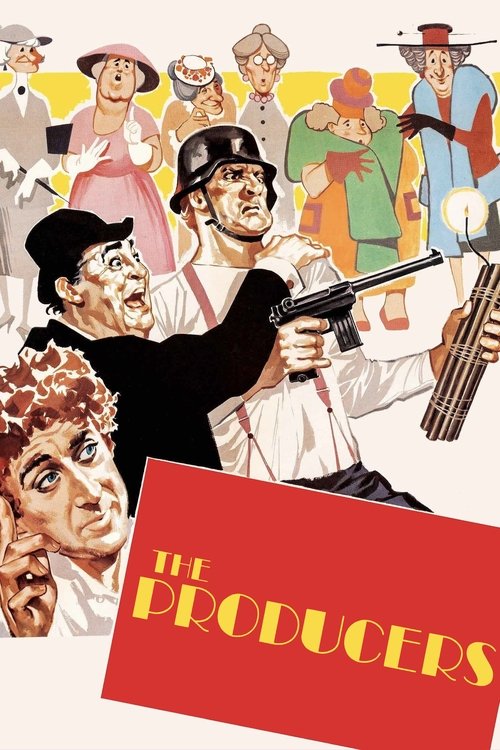
The Producers1968
Both are comedies about failure and fraud where physical and facial comedy matters as much as dialogue. Both build worlds where incompetence is contagious.
Mel Brooks's debut is controlled chaos filtered through narrative structure. Gene Wilder and Zero Mostel communicate volumes through expression and timing. It has The Bellboy's anarchic energy but weaponized for satire.
But Some jokes and attitudes are genuinely offensive by any standard. The tone swings wildly and not always intentionally.
More like this (7)
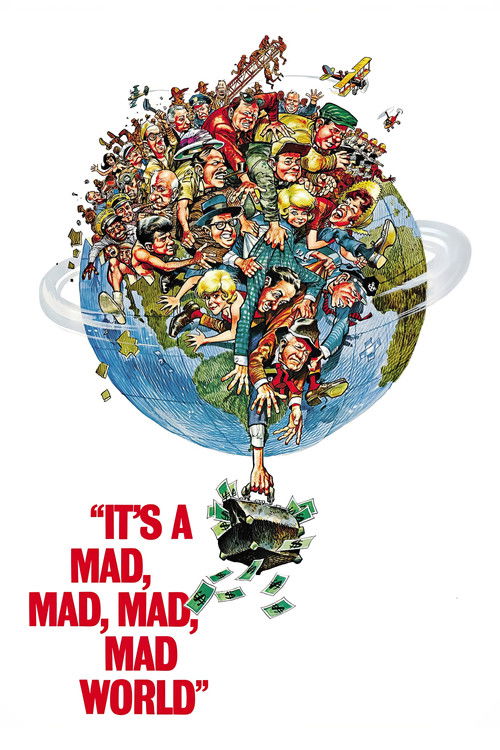
It's a Mad, Mad, Mad, Mad World1963
Ensemble slapstick on an enormous scale. Comedy built from situation and physicality rather than dialogue, with the kind of anarchic energy that made The Bellboy feel so alive.
But Nearly three hours long, and the scope sometimes dilutes rather than deepens the comedy. Exhausting rather than exhilarating by the end.
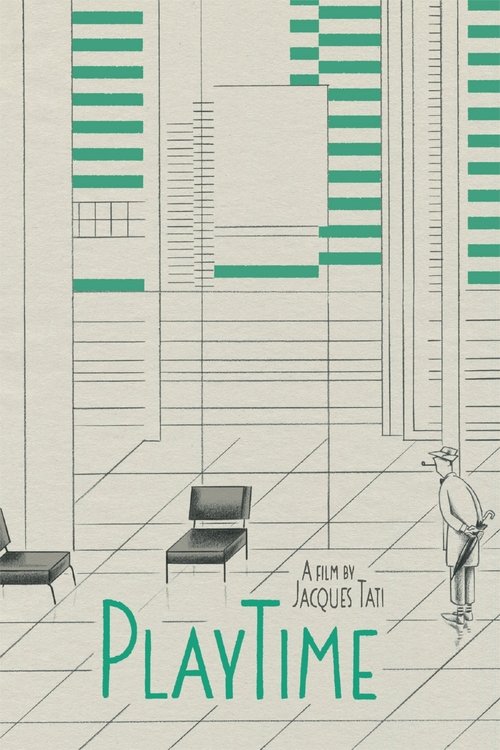
PlayTime1967
Jacques Tati's monumental comedy about a man navigating a sterile modern world. Silent-ish and built from precise physical choreography; the visual density rewards close watching.
But Deliberately slow and patient. If you want quick laughs, this meanders. The scale and detachment can feel cold rather than warm.
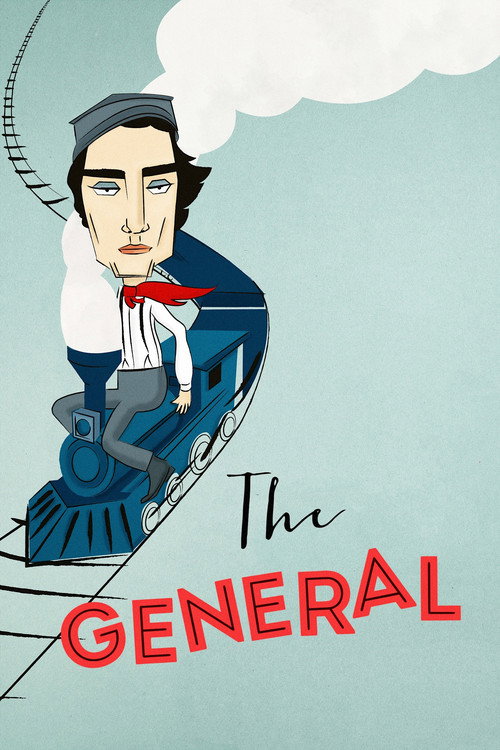
The General1926
Buster Keaton's deadpan face never changes while everything around him falls apart. Pure physical storytelling with stunts that still astonish. The template for characters like Stanley.
But Silent cinema from 1926 moves at a different rhythm. It requires patience and attention that modern comedy rarely demands.
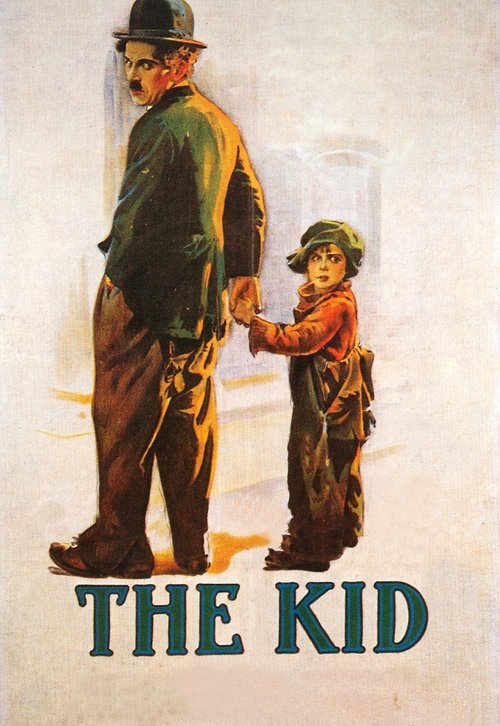
The Kid1921
Chaplin and child actor Jackie Coogan in a tender, funny silent film. Proves physical comedy can carry genuine emotion without ever breaking character or speaking.
But The emotional beats outnumber the laugh-out-loud moments. It's as much pathos as comedy, which isn't everyone's evening.
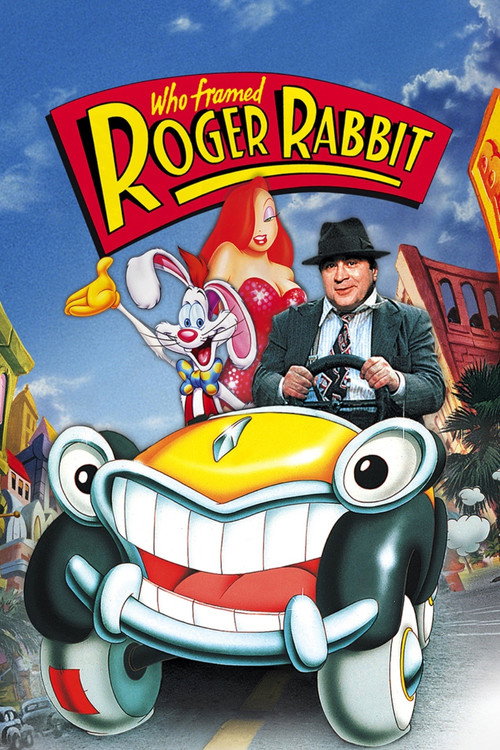
Who Framed Roger Rabbit1988
Marries rubber-limbed cartoon logic with live-action filmmaking. Bob Hoskins plays it straight while reality breaks every rule. Modern spin on the anarchic energy Lewis brought to The Bellboy.
But It's a mystery thriller that occasionally forgets to be funny, and the restraint undercuts the premise. Also, it's very 1980s in ways that have dated.
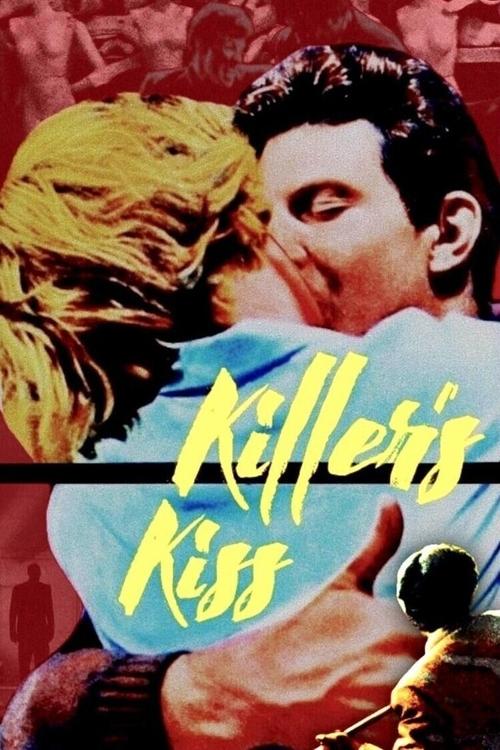
Killer's Kiss1955
Both are 1950s-60s films where the camera and mise-en-scène do more work than the script. Both prove form and visual storytelling can carry narrative weight.
Kubrick's noir debut shot on a shoestring budget. Visually inventive, dialogue-light, building atmosphere and meaning from composition and editing rather than exposition.
But It's not a comedy—it's a dark, moody crime story. If you loved The Bellboy for laughs, this abandons them entirely for mood and style.
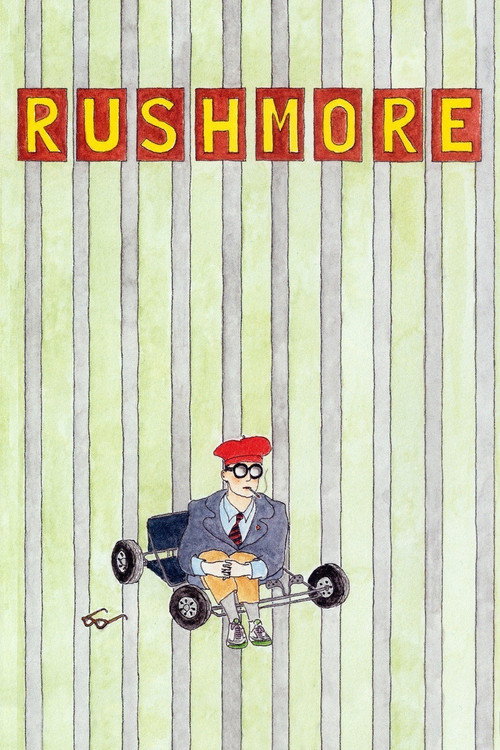
Rushmore1998
Both films trust physicality and facial expression over dialogue to reveal character. Both find comedy in yearning, failure, and the gap between intention and reality.
Wes Anderson's comedy about an obsessive kid at a prep school. Jason Schwartzman's performance is almost silent—face and posture conveying contradiction and longing. Comedy from precise physical and visual control.
But It's a quirky indie from the 90s, stylized to the point of precious. The humor is subdued and architectural rather than explosive.
People
Cast
 Jerry LewisStanley / Jerry Lewis
 Alex GerryMr. Novak
 Bob ClaytonBob
 Sonnie SandsSonnie
- Eddie ShaefferEddie
 Herkie StylesHerkie
- David LandfieldDavid
 Bill RichmondStan Laurel
- Larry BestApple Man
- Cary MiddlecoffCary Middlecoff
- Art TerryArt Terry
- Frankie CarrFrankie Carr
Directing
- Ralph AxnessAssistant Director
- Jerry LewisDirector
- Claire BehnkeScript Supervisor
- James A. RosenbergerSecond Unit Director
Writing
- Jerry LewisWriter
Production
- Ernest D. GlucksmanAssociate Producer
- Edward R. MorseCasting
- Wally WangerCasting
- Jerry LewisProducer
- Arthur P. SchmidtProducer's Assistant
- William DavidsonProduction Manager
Recommended by
Jerry Lewis: The Man Behind the Clown, The Forbidden Room, After the Sunset