
Film
The Forbidden Room
- Comedy
- Strange
Guy Maddin's wildly inventive 2015 collage-film assembles noir, silent cinema, melodrama and absurdist comedy into one dizzying dream-logic narrative. It's deliberately fractured, gorgeously artificial, endlessly referential. Maddin's for people who think cinema is a playground, not a delivery system.
Should you watch it?
Watch it if you love anthology films that stitch together nested, dreamlike tales with a collage of silent-cinema tricks, grainy color, and deadpan absurdity, where the pleasure is in the strange texture rather than a tidy plot.
Skip it if you want a story that holds still long enough to follow; the film lurches between sub-stories, often abandoning one mid-thought, and its constant restlessness can feel exhausting over two hours.
What it asks of you: It runs about two hours in fragments, so you need to surrender to its shifting logic, accept confusion as part of the ride, and stay alert as it jumps between tones and worlds.
Not sure? Find tonight's pick in a minute.
If you liked this
Mulholland Drive2001
Lynch's LA nightmare unfolds across fractured timelines and movie-mythology, building impossible dread from Hollywood's fabrications. Like Maddin, he treats cinema as a language for the subconscious.
But It's three hours of deliberate confusion. If you need plot clarity, you'll leave frustrated rather than illuminated.

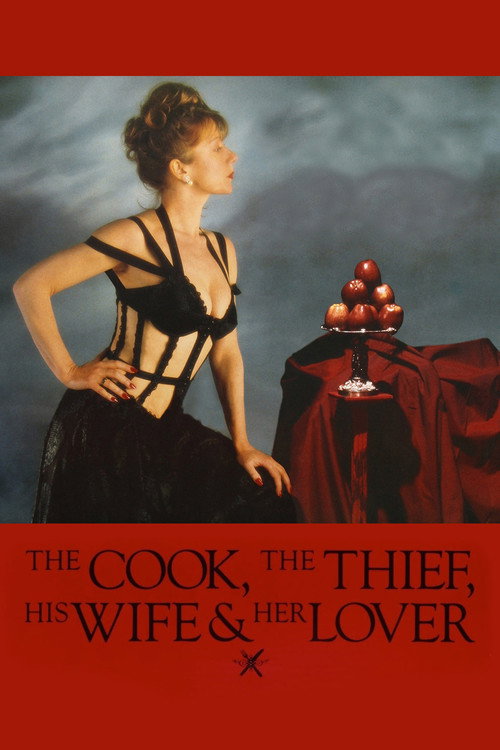
The Cook, the Thief, His Wife & Her Lover1989
Greenaway's baroque nightmare is pure visual excess—colour-coordinated rooms, constant motion, Renaissance composition. Shocking, ugly, brilliant. Same refusal to be comfortable as Maddin.
But It's genuinely transgressive and hard to watch. The ugliness is not accidental, and it's relentless.
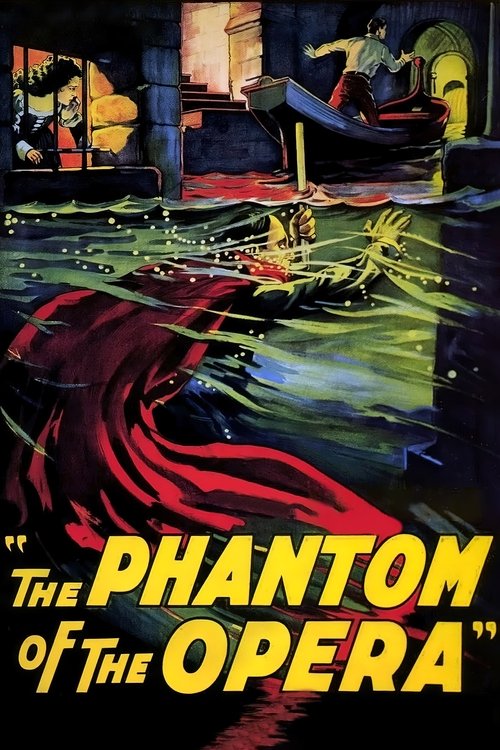
The Phantom of the Opera1925
Lon Chaney's silent masterpiece uses artifice, grotesque makeup, and architectural excess to build mood rather than coherence. Pure cinema grammar—exactly what Maddin is conducting.
But Silent film moves at a different pace. Modern viewers often find the acting style mannered, the pacing glacial.
Not sure tonight? Get a pick in a minute, starting from The Forbidden Room
The wildcard
Something you would not have found on your own.
Meshes of the Afternoon1943
Both use cinema's technical apparatus itself as the subject—not what cameras record, but what cameras can do to reality and time. Maddin reveres Deren; both treat the image as material to reshape.
Maya Deren's 14-minute experimental film is cinema's purest dream-logic: recursive, hypnotic, built on visual repetition and subjective reality. The ancestor of everything fractured and non-linear. Essential.
But It's experimental and abstract—no dialogue, no conventional narrative. It demands patience and rewards formalist attention, not plot.

More like this (6)
Synecdoche, New York2008
Kaufman's film-within-a-film spirals through competing realities, constantly collapsing representation into truth. Dense, architectural, built on literary logic rather than causal plot.
But Relentlessly grim and intellectual. It demands emotional openness to existential despair for almost two hours.

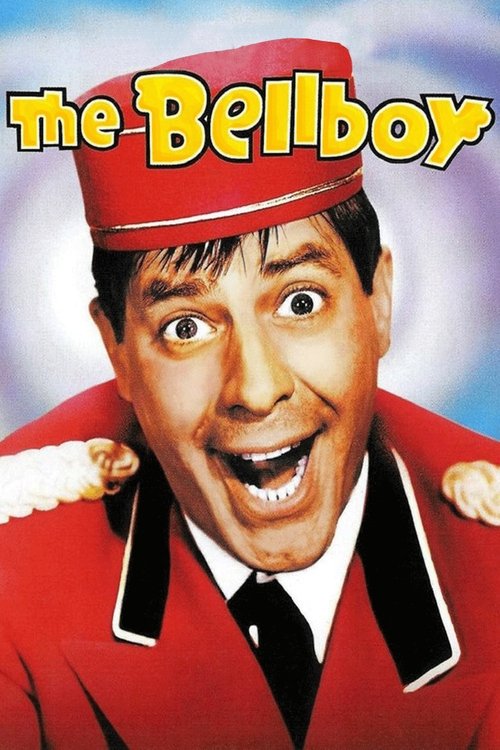
The Bellboy1960
Jerry Lewis's debut is barely a film—it's a series of loosely-connected bits, visual gags, and structured nothing-ness. Anarchic, joyful, and proof that coherent narrative isn't mandatory.
But It has virtually no plot. If you need a story spine, this will feel like an elaborate waste of time.
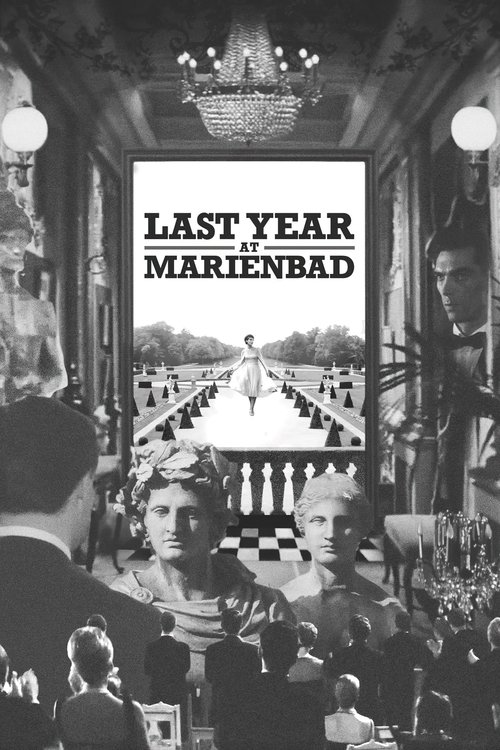
Last Year at Marienbad1961
Resnais and Robbe-Grillet's puzzle-box refuses to clarify what's real or when. Black-and-white geometry, fractured time, the luxury hotel as labyrinth. Cinema as formal game.
But It's deliberately opaque and coldly intellectual. Some viewers find it brilliant; others find it suffocating.
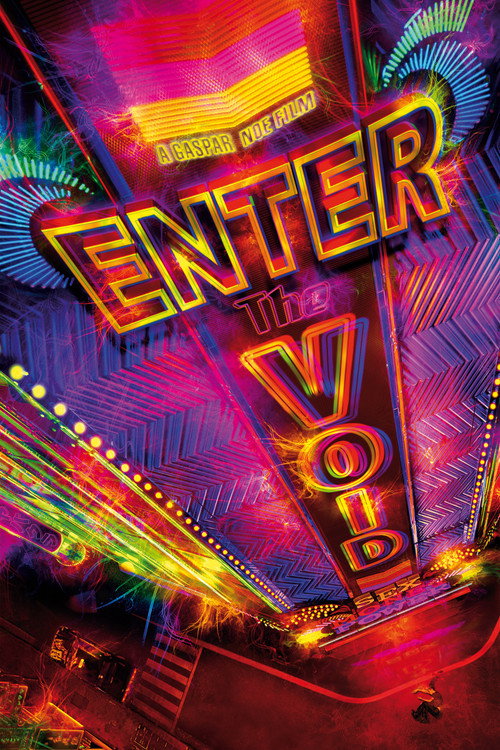
Enter the Void2010
Gaspar Noé's point-of-view descent through Tokyo's neon underworld is a visual hallucination—flicker, phosphorescence, abstraction. Experimental cinema that's genuinely dizzying and hypnotic.
But It uses strobing effects and rapid cuts. Motion-sickness is a real possibility; the narrative is deliberately thin.
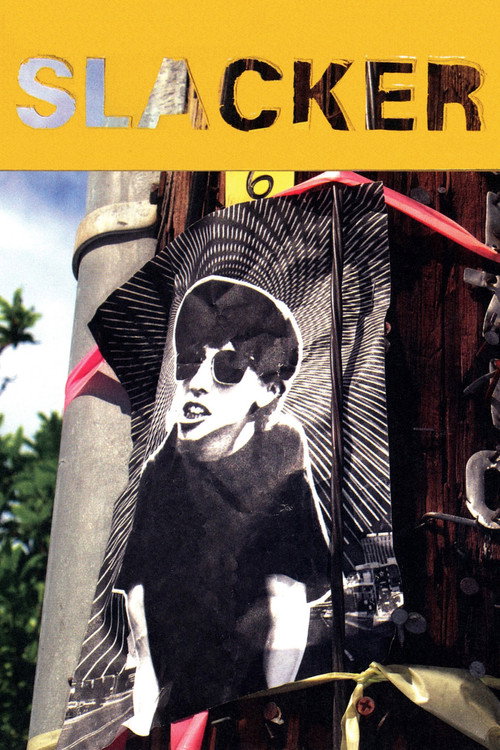
Slacker1990
Both reject the machinery of conventional plot. Maddin through explosion and artifice; Linklater through deliberate anti-climax. Same anarchic belief that cinema can simply observe instead of resolve.
Linklater's Austin picaresque refuses to commit to any character or plot. It drifts through conversations and encounters, each one a tangent that leads nowhere. Casual, philosophical, totally alive.
But No one is responsible for anything that happens. The entire film is digressions. If you need dramatic stakes or character arcs, this is narrative drift.
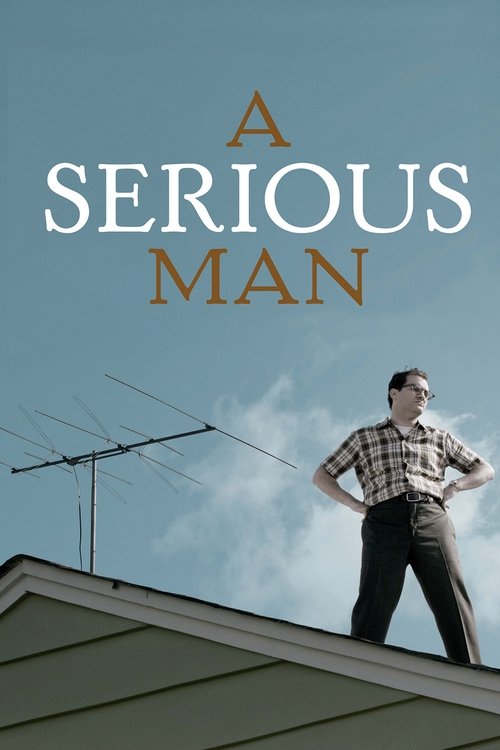
A Serious Man2009
Both treat narrative as a funhouse mirror—surfaces that might lead somewhere, or might just reflect back absurdity. Both love cinema as a mechanism for generating meaning and destroying it simultaneously.
The Coens' Job allegory is cruel, funny, and formally audacious—opening with a Yiddish prologue that explains nothing, constantly undermining meaning. Fractured theology meets cold formal control.
But It's actively antagonistic to catharsis. Things don't resolve; they accumulate. The tone whipsaws between comedy and cosmic indifference.
People
Cast
 Roy DupuisCesare
 Clara FureyMargot
 Louis NeginMarv / Smithy / Mars / Organizer / Mr. Lanyon
 Udo KierCount Yugh / Butler / Dead Father / Guard / Pharmacist
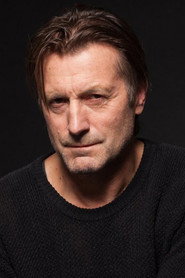 Gregory HladyJarvis / Dr. Deane / Husband
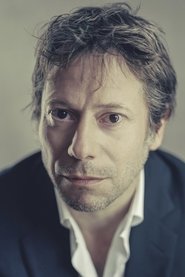 Mathieu AmalricThadeusz M___ / Ostler
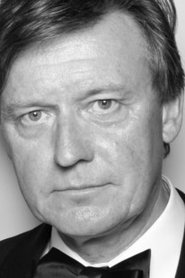 Noel BurtonWolf / Pilot / Captain
 Geraldine ChaplinMaster Passion / Nursemaid / Aunt Chance
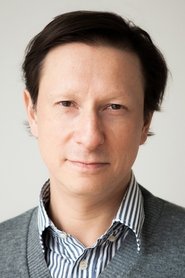 Paul AhmaraniDr. Deng / Speedy

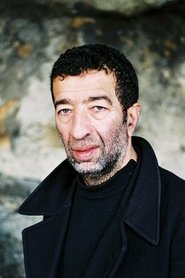 Slimane DaziBaron Pappenheim
 Maria de MedeirosBlind Mother / Clotilde
Directing
- Evan JohnsonCo-Director
- Guy MaddinDirector
Writing
- Bob KotykWriter
- Evan JohnsonWriter
- Guy MaddinWriter
Production
- Jody ShapiroExecutive Producer
- Niv FichmanExecutive Producer
- David ChristensenProducer
- François-Pierre ClavelProducer
- Guy MaddinProducer
- Penny MancusoProducer
- Phoebe GreenbergProducer
- Phyllis LaingProducer