Television series
Exodus: Our Journey
- Action
- Very dark
Exodus gives cameras to migrants themselves, documenting their journey into Europe across 2015. It's raw, unmediated, and intimate—watching people risk everything while narrating their own stories. Essential viewing that treats the refugee crisis as a human story, not a news cycle, for anyone ready to bear witness.
Should you watch it?
Watch it if you want an account of the migrant crossings built from the inside, where the people making the journey hold the camera and the reporting feels earned rather than observed from a safe distance.
Skip it if you want a tidy overview of policy, since this stays close to individual journeys and its footage is raw and often hard to sit through.
What it asks of you: Six hour-long episodes that ask for sustained attention; it moves slowly through long stretches of travel and waiting, so expect to stay with it rather than dip in.
Not sure? Find tonight's pick in a minute.
If you liked this
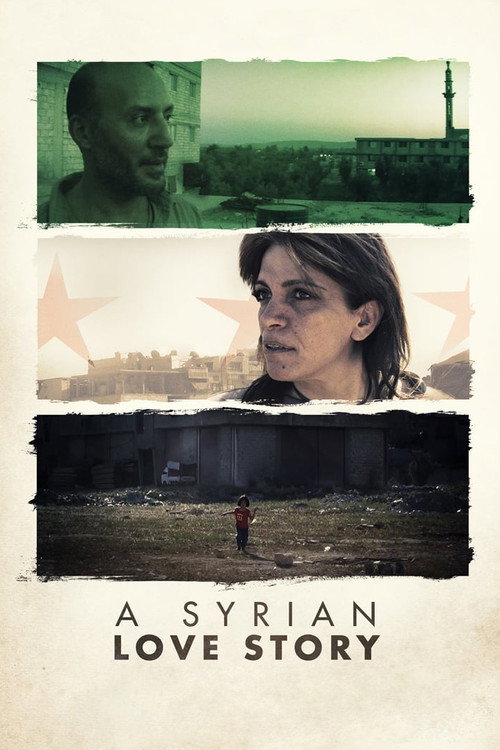
A Syrian Love Story2015
Filmed almost entirely in hiding during the Syrian war, following a couple trying to stay together through the conflict. Incredibly intimate and alive with both tenderness and terror.
But The production constraints mean technical roughness. The subject matter is relentlessly bleak—there are no breaks.
Bonnie and Clyde1967
Chinese-American director documents her relationship with her grandmother amid migration trauma and intergenerational grief. A quiet meditation on family and what gets lost in displacement.
But Very personal and specific; if you need a broader perspective, it might feel narrow.

Vigilante: The Crossing2015
Observational documentary about migrants in a Greek processing center. Quietly powerful, letting moments accumulate into a devastating picture of waiting and uncertainty.
But Deliberately avoids narrative momentum. Long, still scenes will test your patience.
Not sure tonight? Get a pick in a minute, starting from Exodus: Our Journey
The wildcard
Something you would not have found on your own.
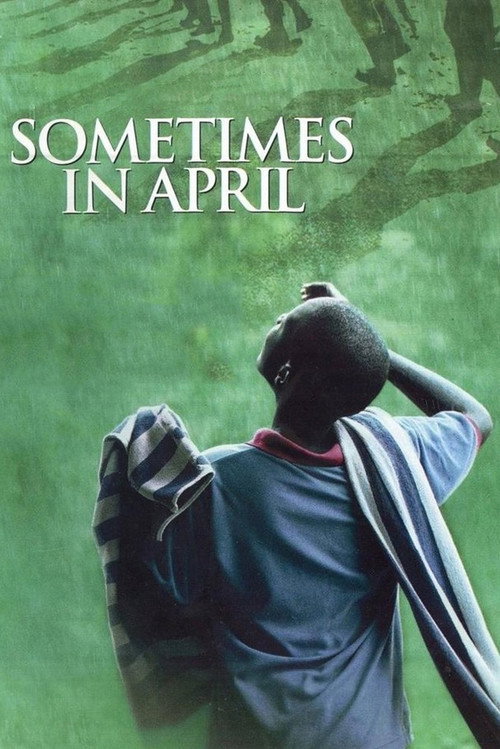
Sometimes in April2005
Both use first-person narrative and intimate testimony to collapse the distance between witness and viewer, making atrocity impossible to abstract or ignore.
Raoul Peck's film about the Rwandan genocide and its aftermath, seen through a survivor's eyes decades later. It reframes migration and displacement as symptoms of history, not aberrations. Haunting and necessary.
But It's heavy—genocide, survivor's guilt, the burden of memory. The pacing is meditative rather than propulsive.
More like this (3)
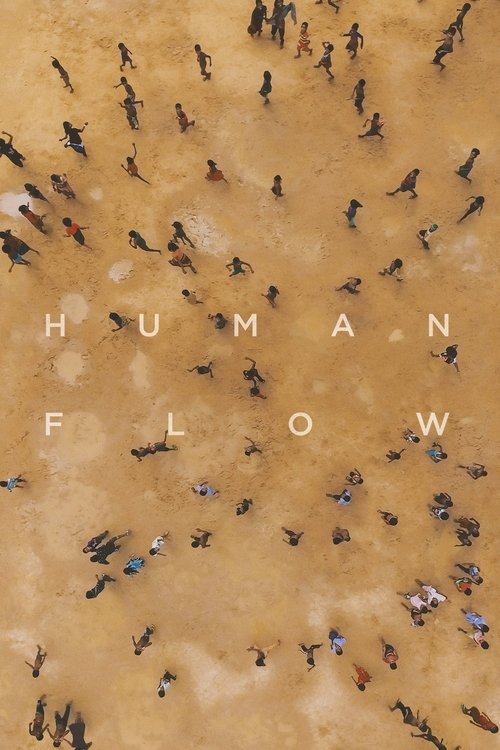
Human Flow2017
Ai Weiwei's sprawling documentary on global displacement, spanning twenty-three countries. Visually stunning and morally unflinching—a work of art that refuses to reduce crisis to statistics.
But Nearly three hours and deliberately meditative. Its ambition can feel overwhelming; not everyone wants this much visual poetry with their documentary.
The Swimmers2022
Like Exodus, it trusts migrants to narrate their own stories, but animation lets them control how much is shown—a formal choice that embodies agency in a way documentary sometimes can't.
Syrian refugee siblings tell their story of escape through animation—their own voices over their own illustrated memories. A completely different formal register that somehow makes the emotional truth sharper and less defensive.
But Animation might feel like it's softening something real; some viewers resist it as evasion rather than translation.

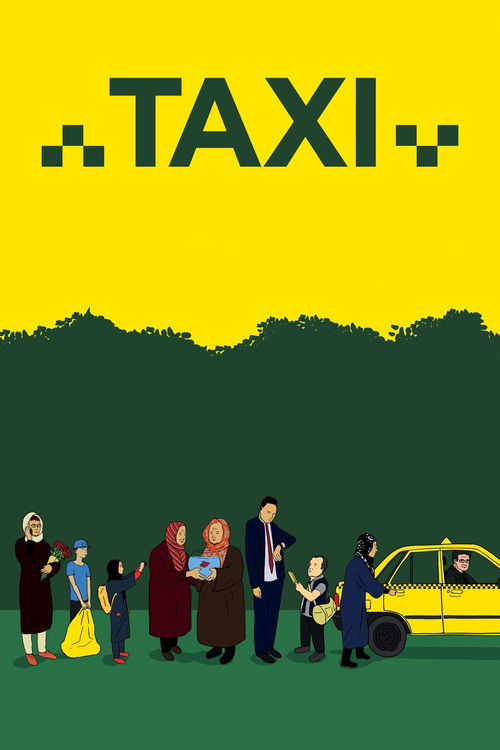
Taxi2015
Both documents lives lived in transit and constraint, using the camera as an act of testimony in spaces where testimony is dangerous or impossible. Both make form inseparable from content.
Iranian director Jafar Panahi films himself driving a taxi in Tehran, conversations with passengers unfolding the country's social and political tensions. It's displaced cinema made under surveillance—filmmaking as a form of witness when direct testimony is forbidden.
But Deceptively simple formally; feels almost like vérité until you realize how carefully constructed it is. Some find that opacity frustrating.