
Film
Sometimes in April
- Drama
- Very dark
Sometimes in April bears witness to the 1994 Rwandan genocide through two brothers on opposite sides of unimaginable violence. Raoul Peck's film is patient, sorrowful, and refuses easy answers. It's for anyone ready to sit with horror and its aftermath—not to be entertained, but to understand.
Should you watch it?
Watch it if you want a sober, character-driven history in which the politics of one family carry the weight of a nation, and you can stay with a story that refuses easy villains.
Skip it if you need brisk momentum or heroes to root for openly, since this moves at a deliberate pace and its pull builds slowly.
What it asks of you: Its runtime is two hours and twenty minutes, and it stays patient, measured and often harrowing, so give it your full attention from the first scene.
Not sure? Find tonight's pick in a minute.
If you liked this
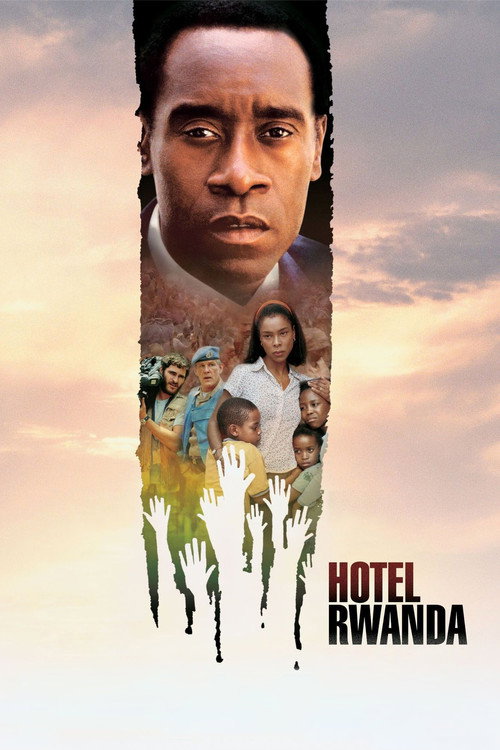
Hotel Rwanda2004
The essential companion: another 2004 film that found humanity in the same genocide, focusing on a hotel manager's desperate shelter rather than soldiers' choices. Different angle, equal urgency.
But It's gentler, more conventionally hopeful. If you want unflinching moral ambiguity, this one offers more redemption than Sometimes in April does.
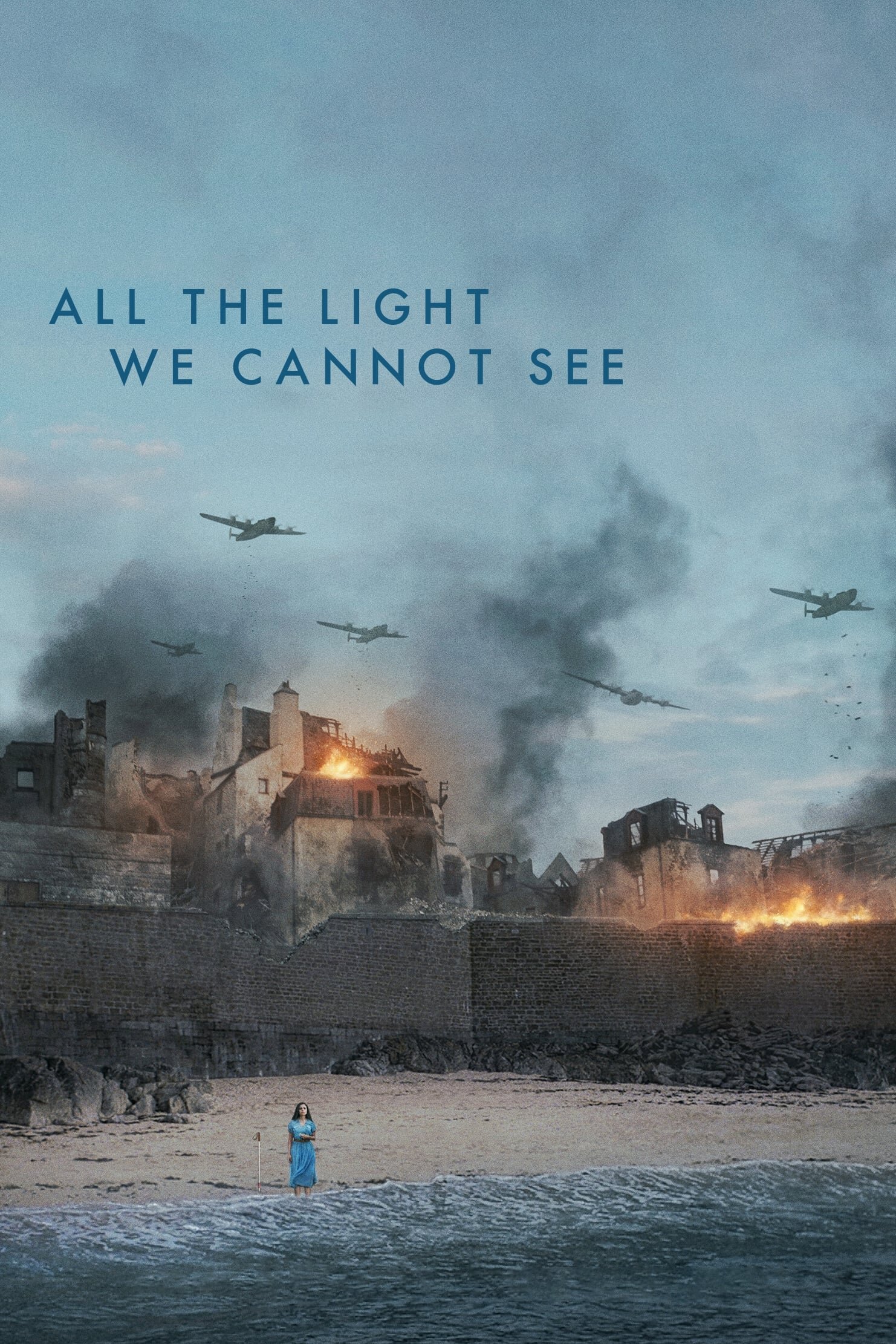
All the Light We Cannot See2023
A miniseries about ordinary people navigating WWII's moral collapse—a German boy and French girl whose lives intersect in occupied France. Like Peck's film, it refuses to simplify its characters into villains and heroes.
But Structured as a love story across enemy lines. If you're seeking the kind of political clarity Sometimes in April demands, the romance might feel like a concession.
Shoah1985
Claude Lanzmann's nine-hour Holocaust documentary that prioritizes testimony and presence over archive footage. Methodical, witnessing, almost meditative in its insistence that we listen and remember.
But Nine hours, minimal visuals, no conventional dramatic arc. It asks everything of the viewer. Some find it essential; others find it punishing.

Not sure tonight? Get a pick in a minute, starting from Sometimes in April
The wildcard
Something you would not have found on your own.
The Battle of Algiers1966
Both films center on genocide and revolution in Africa; both refuse the comfortable distance of condemning evil and instead examine how ordinary people become perpetrators. Pontecorvo's film shows the preconditions Peck documents the reckoning with.
Gillo Pontecorvo's 1966 film about French colonial occupation and Algerian resistance is a structural blueprint for understanding warfare, revolution, and moral erosion. Its documentary urgency and technique influenced an entire generation of political filmmaking.
But It's shot in black and white, fast-paced, and made in a very different era. The Algerian War context is distant for many viewers, and it moves with 1960s purposefulness rather than contemporary pacing.

More like this (8)
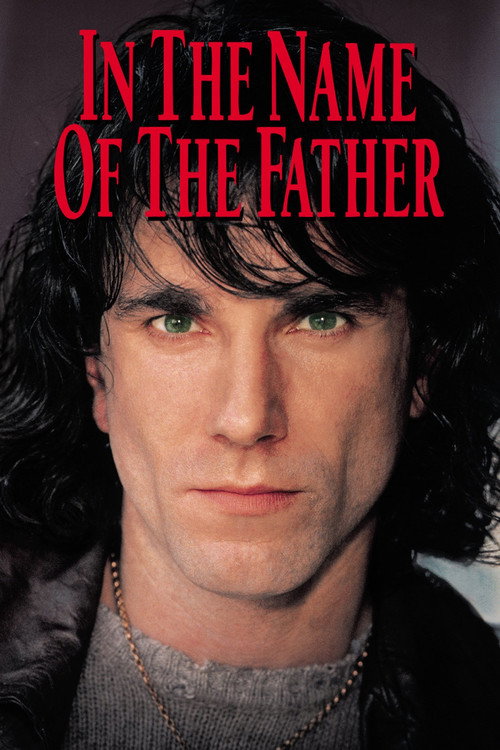
In the Name of the Father1993
Jim Sheridan's film about Irish men wrongly imprisoned during the Troubles, framing justice as a family reckoning. Another story where brothers, violence, and state blame collide devastatingly.
But It's a courtroom drama with a clearer villain. The moral calculus feels simpler than what Peck presents.
The Act of Killing2012
Joshua Oppenheimer's documentary forces Indonesian death-squad leaders to recreate their atrocities. A shockingly intimate look at how perpetrators rationalize genocide—disorienting and necessary.
But Watching mass murderers reenact their crimes is genuinely disturbing. The filmmaking method itself will feel controversial.

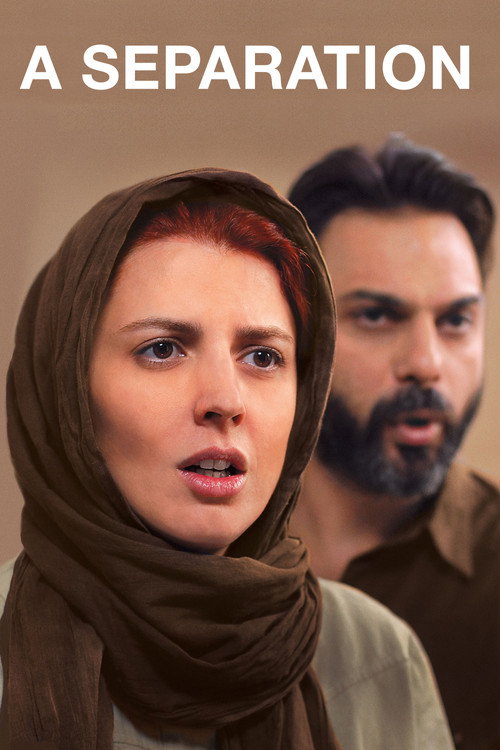
A Separation2011
Asghar Farhadi's Iranian divorce drama that widens into a portrait of a fractured society. Like Sometimes in April, it shows how personal and political collapse are inseparable.
But It's almost aggressively quotidian—no genocide, no visible war. The parallels are structural, not literal.
Come and See1985
Elem Klimov's Soviet masterpiece follows a young partisan through WWII's Eastern Front. Hallucinatory, visceral, and impossible to shake—cinema's rawest depiction of war's effect on the soul.
But It's surreal and nightmarish rather than historically grounded. Some viewers find its style baroque when the subject demands realism.

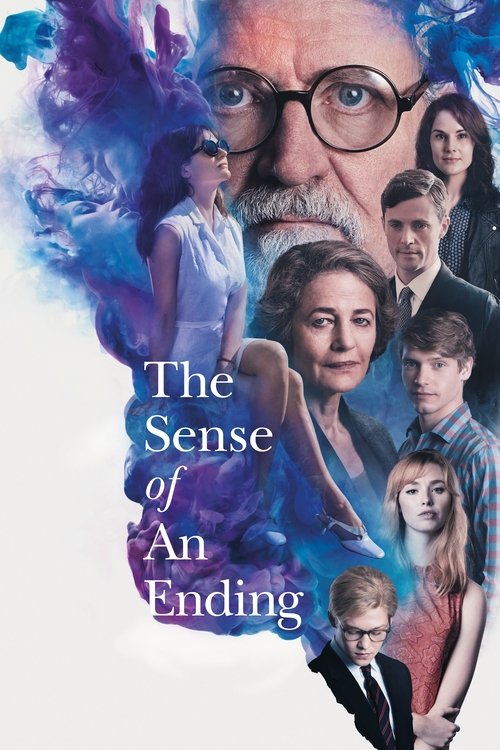
The Sense of an Ending2017
An aging man confronts his youthful complicity and erasures as his past catches up. Quietly about how we revise our own guilt into survivable narratives—thematically close to Peck's interrogation of accountability.
But It's oblique and cerebral. If you want Sometimes in April's direct moral weight, this introspection may feel evasive.
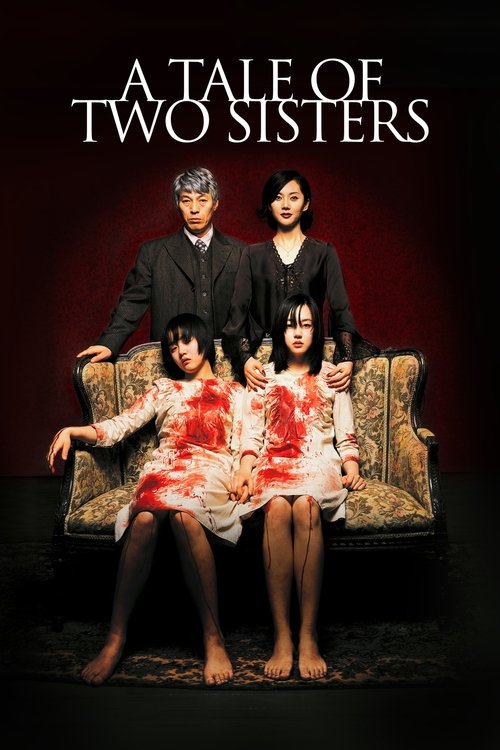
A Tale of Two Sisters2003
Kim Jee-woon's film about two sisters and their family's unraveling feels like a perfect counterweight: intimate trauma that ripples outward, domestic rather than historical, but equally devastating.
But It's oblique to the point of requiring interpretation. Some see a ghost story; others see a portrait of psychological breakdown. Ambiguity isn't for everyone.
La Haine1995
Both films are set in the immediate aftermath of mass trauma and follow the collision between individuals and state violence. Where Sometimes in April looks backward and inward, La Haine looks forward—but both ask what happens when the state says you don't matter.
Mathieu Kassovitz's 1995 film about three young men in a Paris banlieue the day after a police killing is a masterclass in rage, structure, and despair. It's about France's casual state violence and the inevitable collision that follows.
But It's a genre film—stylish, energetic, almost a thriller. Sometimes in April is meditative; this one wants your adrenaline. The tone is nearly opposite.

Elephant2003
Both are films that refuse to let viewers off the hook with conventional villainy. Neither offers the comfort of understanding why. Sometimes in April shows violence's aftermath; Elephant shows its quotidian approach—same moral vertigo, different temperatures.
Gus Van Sant's film about the Columbine High School shooting is 81 minutes of observational cinema—no explanation, no psychology, just surfaces and presence. It's a study in ordinary monstrosity and the impossible task of prevention.
But It's experimental and resists narrative. You'll spend much of it watching students walk through hallways. The refusal to dramatize or explain will frustrate anyone wanting moral clarity or dramatic closure.

People
Cast
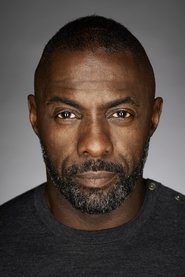 Idris ElbaAugustin
 Carole KaremeraJeanne
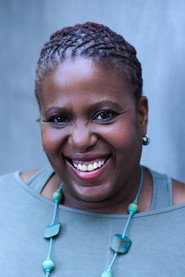 Pamela NomveteMartine
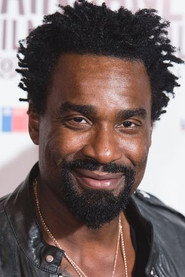 Oris ErhueroHonoré
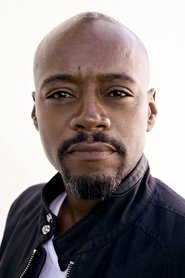 Fraser JamesXavier
 Abby Mukiibi NkaagaColonel Bagosora
- Cleophas KabasitaValentine
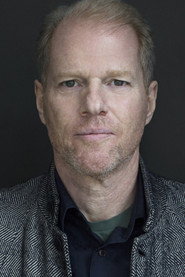 Noah EmmerichLionel Quaid
 Debra WingerPrudence Bushnell
- Peninah AbatoniWoman Refugee #1
- Ashani AllesProsecutor
- Hope AzedaBrigitte
Directing
- Raoul PeckDirector
- Olivia BruynogheScript Supervisor
Writing
- Raoul PeckAuthor
Production
- Avy KaufmanCasting
- Christa SchambergerCasting
- Sylvie BrocheréCasting
- Joel StillermanExecutive Producer
- Raoul PeckExecutive Producer
- Daniel DelumeProducer
- Kisha Imani CameronProducer
- Karen TyrellPublicist
Recommended by
Hotel Rwanda, Ghosts of Rwanda, Exodus: Our Journey, The Abolitionists, Tsunami: The Aftermath