
Television series
Tsunami: The Aftermath
- Social drama
- Slow-burning
HBO's 2006 drama pivots from the wave itself to what comes after: grief, bureaucracy, family dissolution, and the slow rebuilding. It follows British and Thai characters whose lives fractured on Boxing Day 2004, asking how we bear unbearable loss and whether systems designed for normal times can hold during catastrophe. Intimate, unflinching, necessary.
Should you watch it?
Watch it if you care about how ordinary people carry on after a catastrophe, and want a drama that takes its time with grief, logistics and the moral questions that surface when help is slow.
Skip it if you need escapism or a propulsive plot, since this is a sober, talky drama about a real disaster and its emotional fallout, and it rarely lightens the mood.
What it asks of you: Two hour-long episodes, so it is a patient, unhurried evening; expect long quiet stretches, dense with grief and practical decisions, and few moments of relief.
Not sure? Find tonight's pick in a minute.
If you liked this
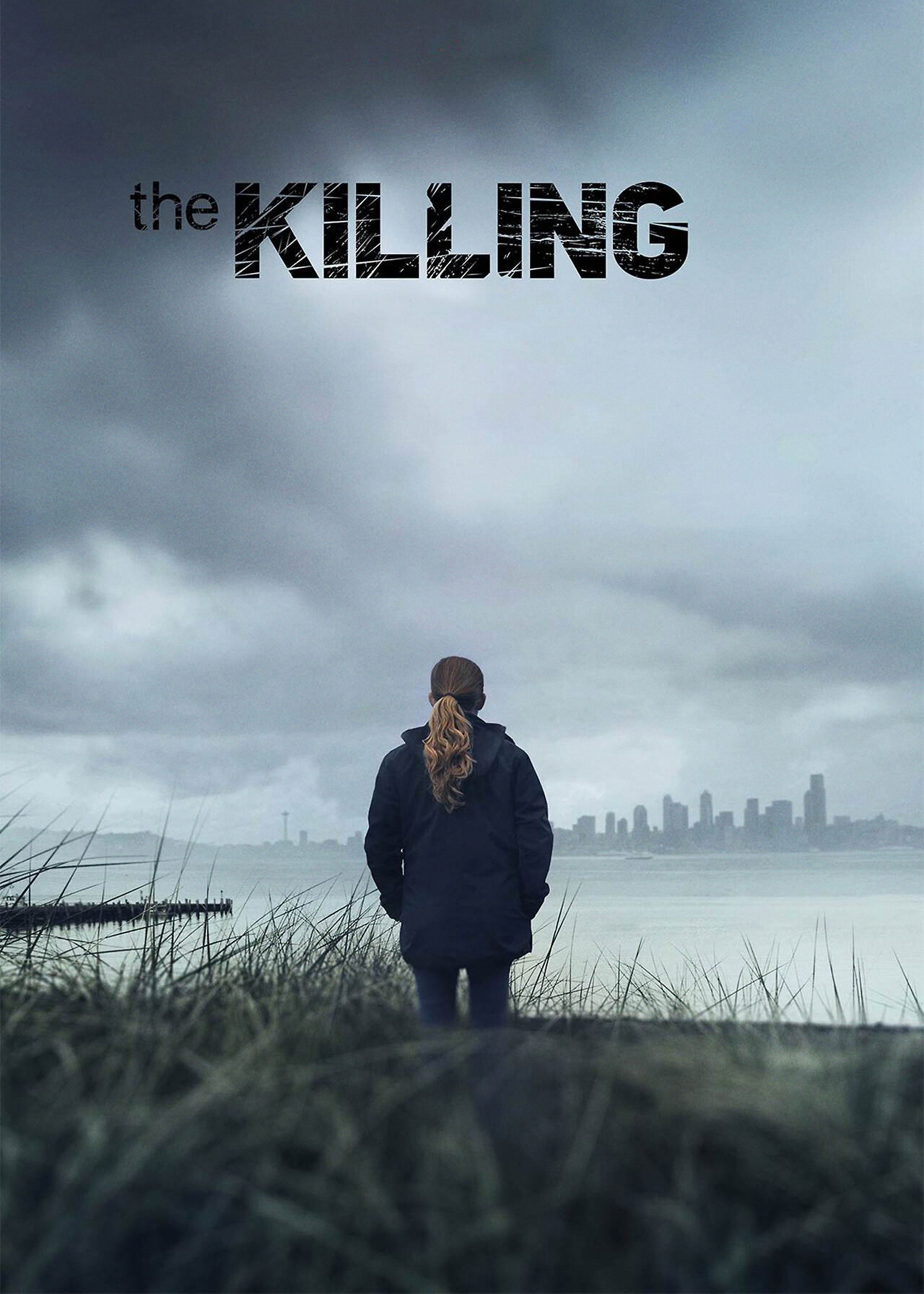
The Killing2011
Danish noir that makes procedural work feel like archaeology—excavating the psychological wreckage around a single death, showing how trauma ripples through families and institutions. Methodical, devastating.
But Subtitled, deliberately paced, and bleak enough that you need emotional stamina. Not a puzzle to solve quickly.
In Treatment2008
Therapy sessions as the entire drama. Characters come to a psychologist week after week, and you watch them—and him—fracture and rebuild. Raw, intelligent, completely focused on human damage and recovery.
But It's fifty-minute conversations. If you need plot momentum, this will feel static and you might get frustrated.

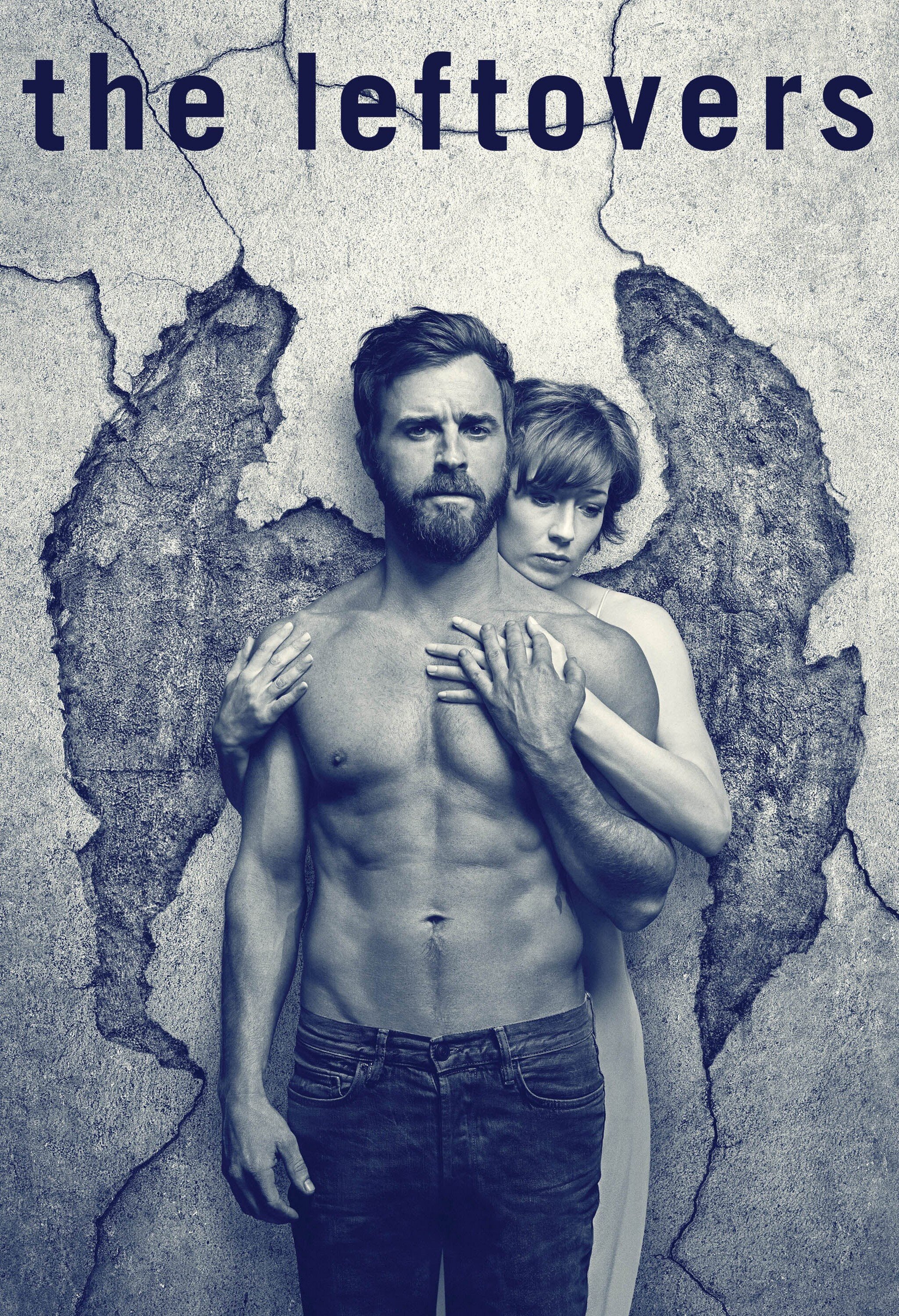
The Leftovers2014
What happens when millions vanish and there are no answers? Explores grief, faith, family breakdown, and radical empathy for people broken by sudden loss. Visionary, genre-defying, haunting.
But Willfully strange and sometimes abrasive. The third season splits opinions sharply—some find it transcendent, others exhausted by it.
Not sure tonight? Get a pick in a minute, starting from Tsunami: The Aftermath
The wildcard
Something you would not have found on your own.
The Act of Killing2012
Both refuse easy catharsis or moral simplification. Both ask: how do people live after horror, and what do survivors owe themselves and their communities? Both reject narrative comfort.
Indonesian documentary where genocide perpetrators reconstruct their murders as entertainment. Sounds monstrous—it is—but it's also about how survivors and killers occupy the same fractured reality. A radical interrogation of how we process atrocity and who gets to narrate it.
But Disturbing and methodologically strange; you're watching choreographed recreations of real murders. The philosophical approach might feel cold to some viewers seeking straightforward condemnation.

More like this (8)
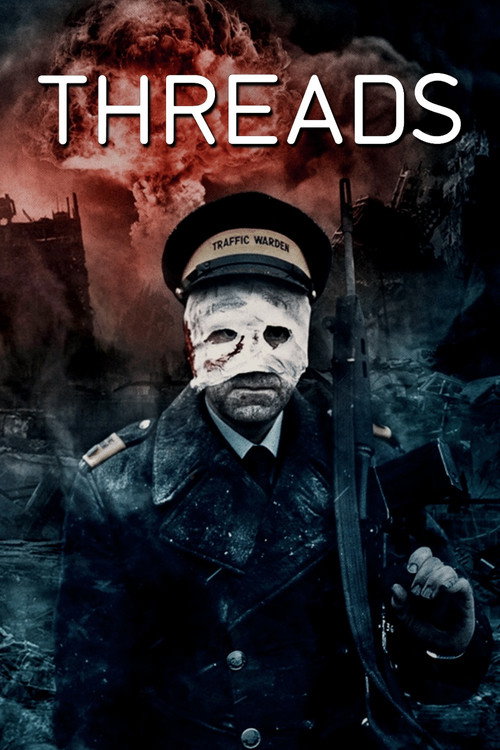
Threads1984
British nuclear drama that doesn't flinch from societal collapse. Refuses to sentimentalize catastrophe or let you comfort yourself with heroism myths. Devastating in the way Tsunami is—about the ordinary people left holding nothing.
But Shot on video, deliberately unglamorous, and relentlessly bleak. This is not entertainment in any conventional sense.
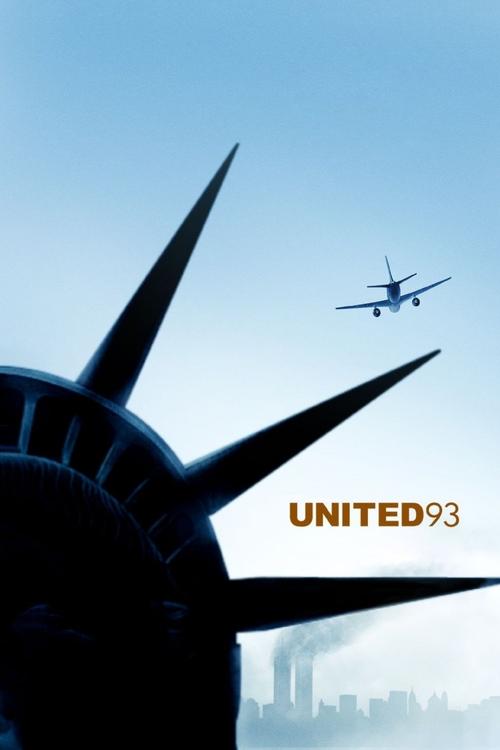
United 932006
Paul Greengrass made a 9/11 film not about narrative closure but about ordinary people in extraordinary horror, communicating fragmented information, making impossible choices. Urgent and respectful to its subjects.
But Real-time, claustrophobic, and its emotional weight comes from knowing where it ends. Some find that unbearable rather than cathartic.
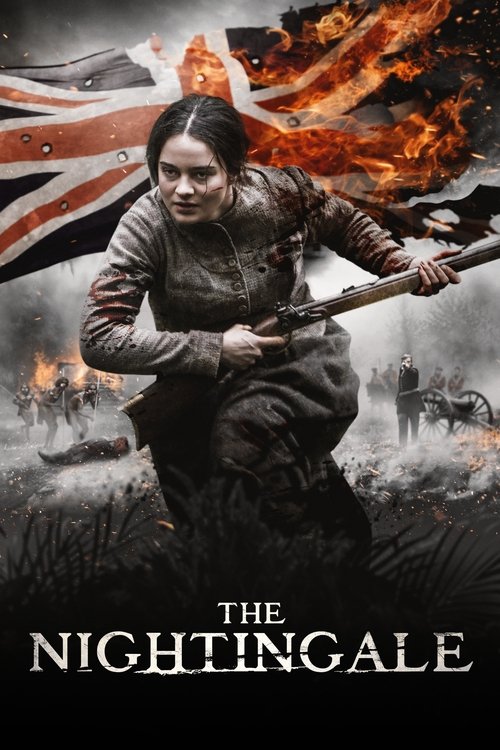
The Nightingale2018
Australian film set in WWII Tasmania about a woman broken by trauma seeking revenge. Examines how violence metastasizes through survivors and communities. Beautifully shot, morally complex, unsentimental.
But Graphic violence and sexual assault. It earns its brutality thematically, but 'earned' doesn't mean 'easy to watch.'
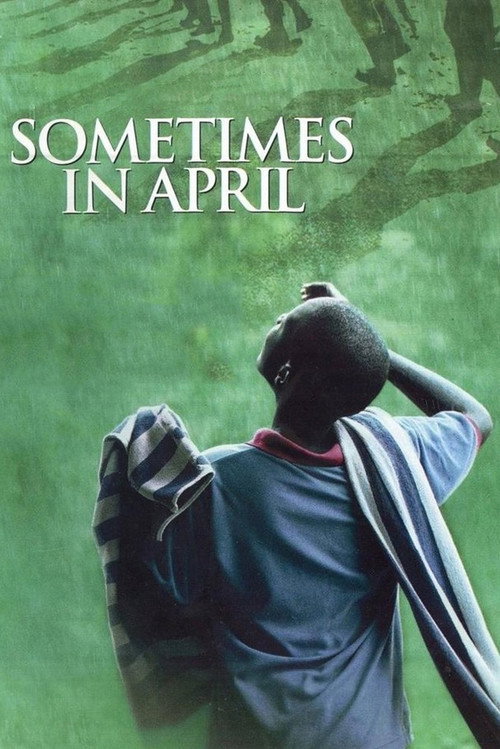
Sometimes in April2005
HBO film about the Rwandan genocide's aftermath. Follows two men—one a survivor, one who lived overseas—years later, grappling with memory, complicity, and whether forgiveness is even possible. Quiet, furious, true.
But Heavy subject matter, modest production values, and it doesn't resolve its moral questions into comfort. That's the point, but it's austere.
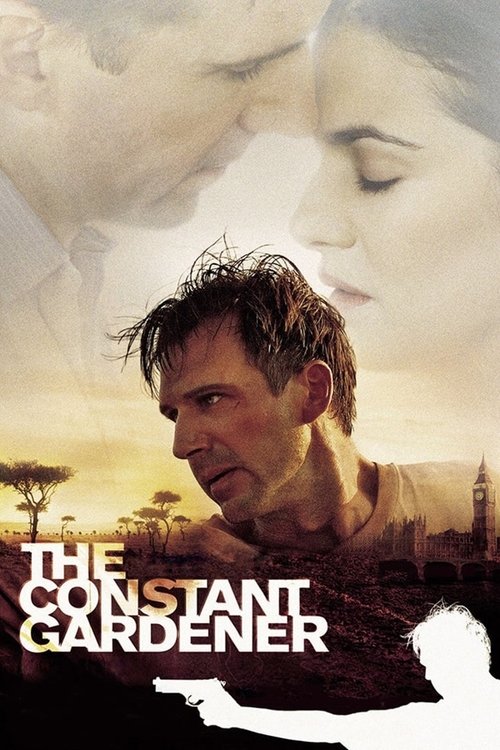
The Constant Gardener2005
A man unravels a conspiracy after his wife's death in Africa. Adapts John le Carré into something about grief-as-investigation and institutional indifference. Visually stunning, morally serious.
But Complex plot that requires attention, and the tonal shift to thriller means it's less focused on character damage than on systems. Depends what you're after.
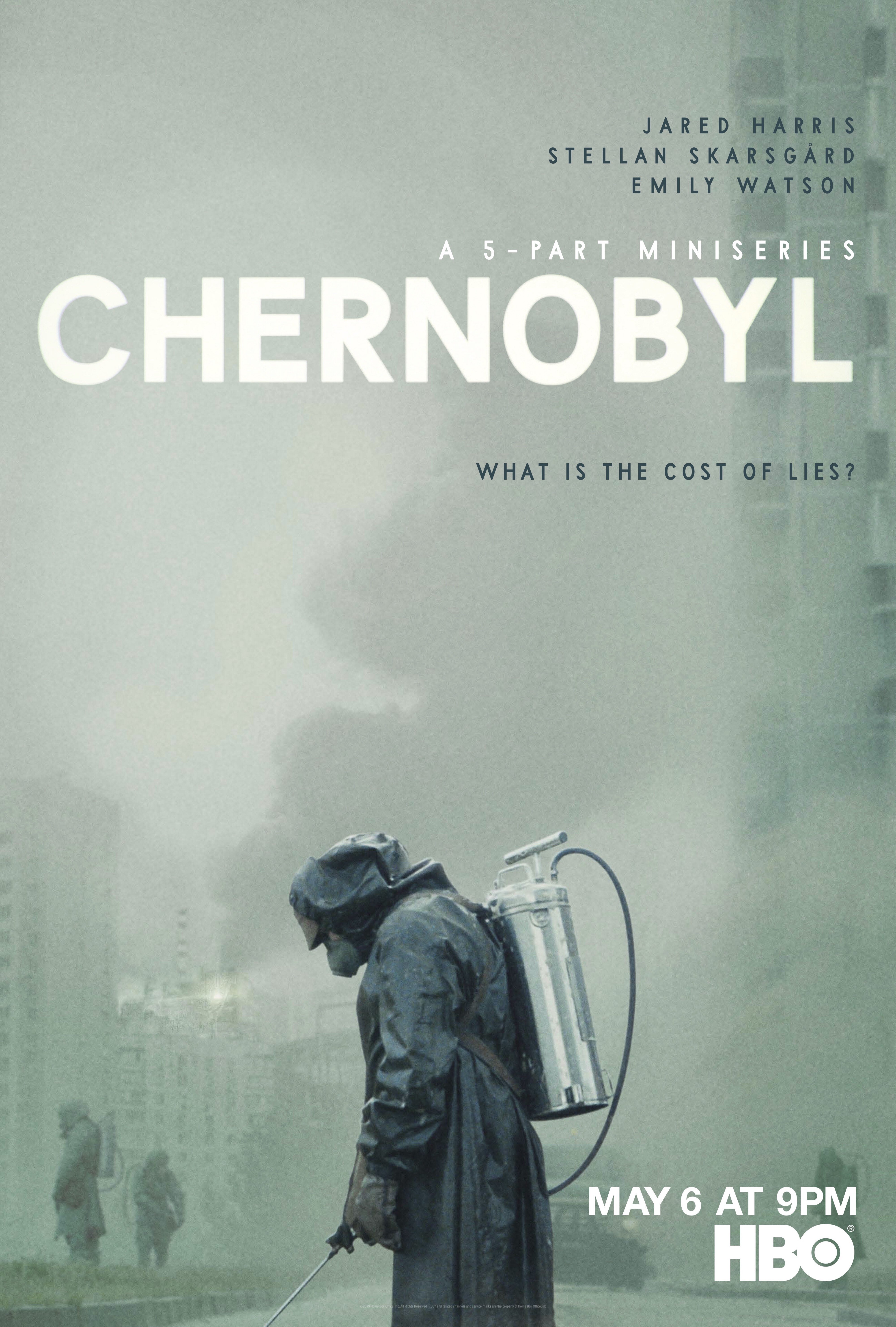
Chernobyl2019
Craig Mazin's HBO miniseries about the nuclear disaster and its cover-up. Meticulously structured, historically rigorous, and genuinely enraging about how bureaucracy and lies compound catastrophe. Gripping without being exploitative.
But Five episodes, all heavy; no comic relief or subplots to decompress with. Some scenes are almost unbearably tense. Exhausting on purpose.
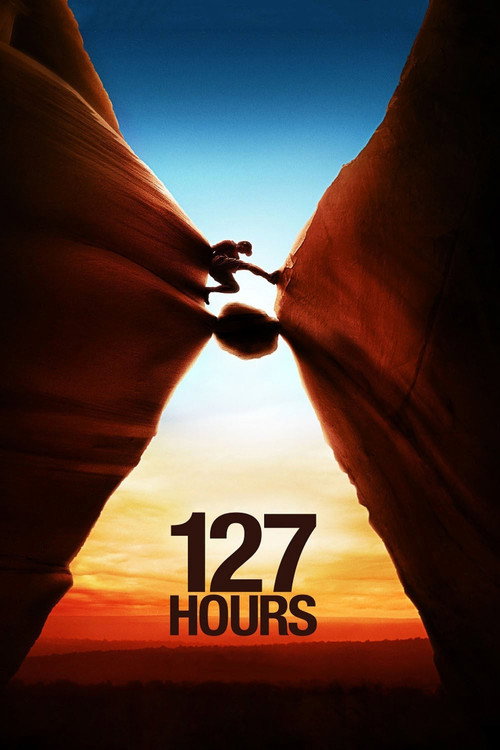
127 Hours2010
Both center on the interior life of trauma survivors, not the event itself. Both insist that recovery isn't linear or complete—it's a negotiation with yourself.
James Franco trapped by a boulder for five days, and the entire film is watching one man negotiate his body, his mind, his will to live. Minimalist, visceral, and ultimately about radical acceptance rather than triumph. Survival as internal work.
But Extreme body horror and graphic self-amputation. Claustrophobic for its entire runtime. Some see it as manipulative rather than moving—depends on your tolerance for physical discomfort as metaphor.
A Ghost Story2017
Both are quietly metaphysical—they don't tell you what loss means; they make you sit inside it without explanation. Both trust you to find the shape of grief on your own.
Casey Affleck's ghost draped in a sheet, watching time compress and expand over his former home. Meditative, formally inventive, and genuinely about grief, impermanence, and what we leave behind. It sounds precious and is somehow devastating.
But Deliberately paced, conceptual, and sometimes frustrating in how oblique it is. The sheet-covered ghost might read as gimmicky rather than moving. Long takes of watching nothing happen.

People
Cast





Production
- Finola DwyerProducer