
Film
Ghosts of Rwanda
- Crime
- Very dark
A 2004 FRONTLINE documentary examining the 1994 Rwandan genocide through interviews with diplomats, survivors, and perpetrators. It's a methodical, devastating account of how the international community—despite warnings and live documentation—failed to intervene as 800,000 people were murdered. Essential and unflinching.
If you liked this
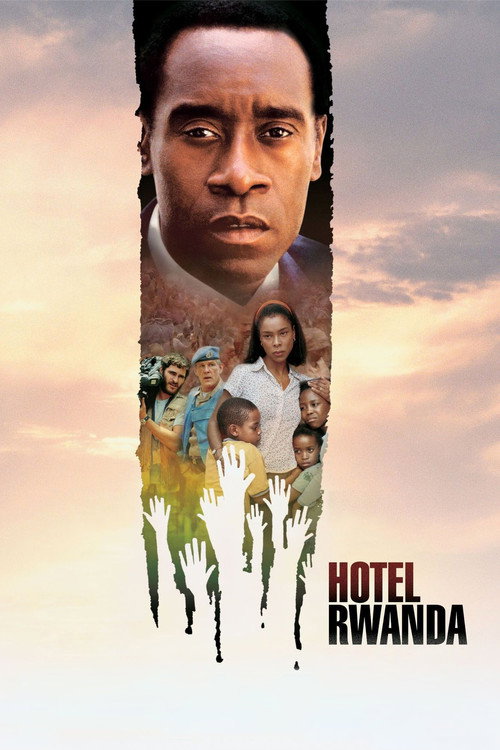
Hotel Rwanda2004
A dramatized companion piece starring Don Cheadle as a hotel manager protecting refugees. Gives faces and moral weight to the choices ordinary people made under unimaginable pressure. Cathartic where the documentary is clinical.
But The screenplay sometimes simplifies complex politics for narrative clarity. Some find the focus on a single hero's perspective frustrating given the scale of the tragedy.
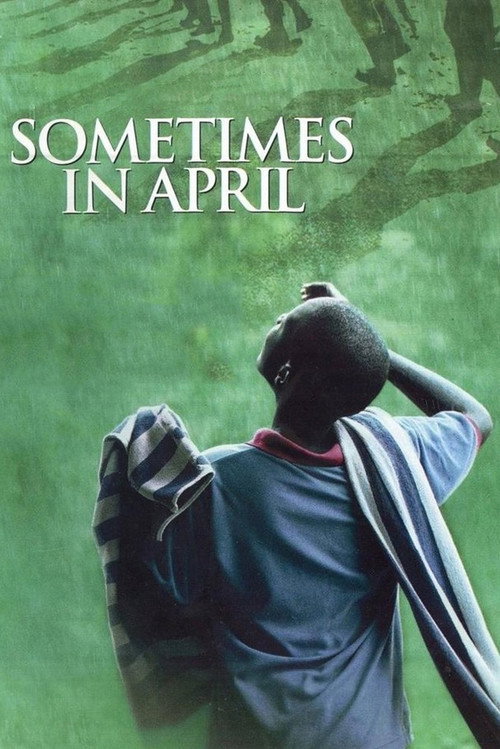
Sometimes in April2005
Focuses on two brothers and the bonds that fractured during the genocide. Directed by Raoul Peck with visceral immediacy. Shows how the atrocity tore apart families and communities from within, with no easy moral positions.
But Difficult to watch. The violence is shown directly rather than implied. Some feel it prioritizes emotional trauma over historical context.
The Act of Killing2012
Interrogates mass violence through a radically different approach: interviews with Indonesian death squad leaders who remain unpunished. Makes you confront how perpetrators rationalize atrocity. Haunting and revelatory about historical amnesia.
But The methodology feels distancing to some—the killers are allowed to perform rather than strictly account. The length and structure demand patience.

Not sure tonight? Get a pick in a minute, starting from Ghosts of Rwanda
The wildcard
Something you would not have found on your own.
Leviathan2013
Ghosts examines institutions failing to prevent catastrophe; Leviathan shows institutions permanently absent, leaving only survival and numbness. One is about catastrophic action, the other catastrophic inaction. Both argue that system collapse is often invisible until it's total.
A Russian-language film with no plot, just hours of conversation in a decrepit town. People drink, argue, remember, survive. It's a study of how institutions abandon communities and how damage becomes normal. The mood is thick and inescapable.
But Non-narrative and extremely bleak. No arc, no answers, minimal dialogue. In Russian without subtitles focus. Depiction of alcoholism and masculinity is raw to the point of numbness. Takes commitment to sit with.
More like this (6)
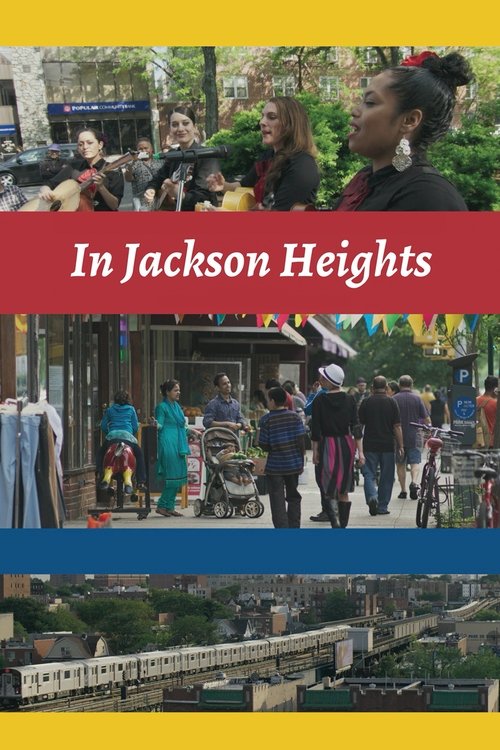
In Jackson Heights2015
Frederick Wiseman documentary observing a diverse NYC neighborhood wrestling with immigration, identity, and belonging. Shows how communities absorb trauma and forge solidarity. Indirect but profound counterpoint to genocide's divisiveness.
But Wordless observation with no narration. Three hours and deliberately paced. Requires active engagement rather than explanation. Not everyone's rhythm.
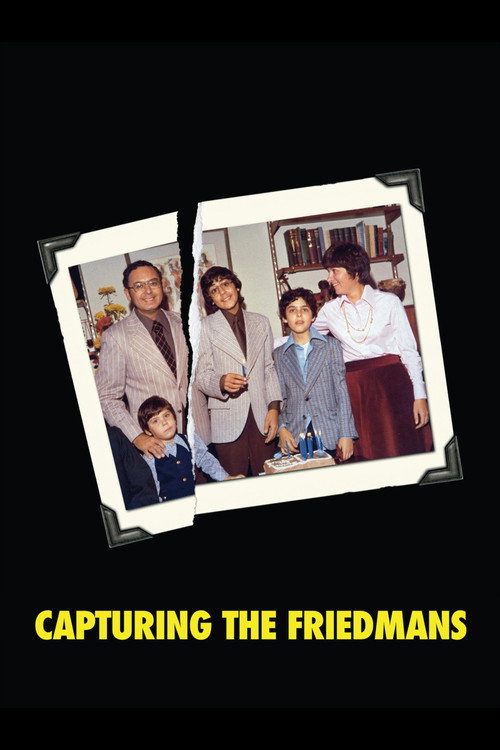
Capturing the Friedmans2003
Documentary about a family imploding during criminal accusations. Shows how institutional failure, rumor, and coerced testimony can destroy lives even within single households. A micro-scale study of how authority breaks down.
But Feels tonally distant from genocidal atrocity. Some viewers find the ambiguity about guilt frustrating. The dysfunction can feel performative to contemporary eyes.
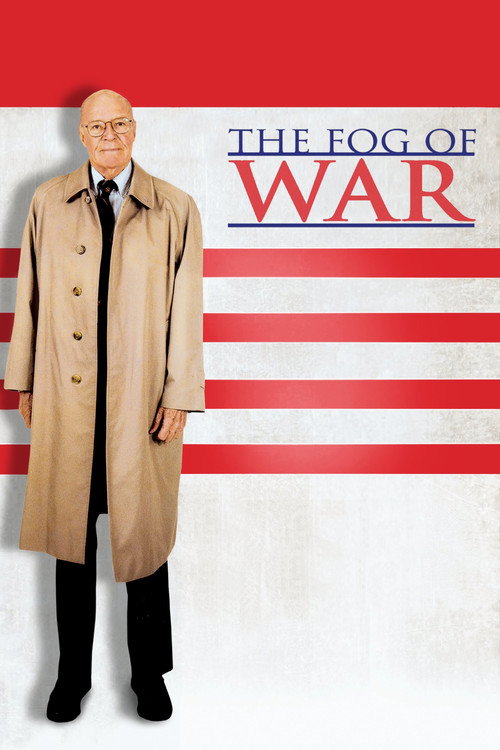
The Fog of War2003
Robert McNamara reflects on miscalculation, ignorance, and moral compromise in warfare. Explores how decision-makers rationalize catastrophe. Resonates with Rwanda's theme of institutional responsibility and unexamined assumptions.
But Vietnam focus means Rwanda appears only implicitly. McNamara's reflective tone can seem self-exonerating. Structured as monologue rather than interrogation.
Shoah1985
Godard's nine-hour oral history of the Holocaust through survivor and witness testimony. The grandfather text for documentary about systematic genocide. Its method—listening without intervention—shaped how we bear witness to atrocity.
But Nine hours is a commitment. No archival footage or graphics. Some find the approach repetitive. Others feel its abstraction disrespects the specificity of each story.

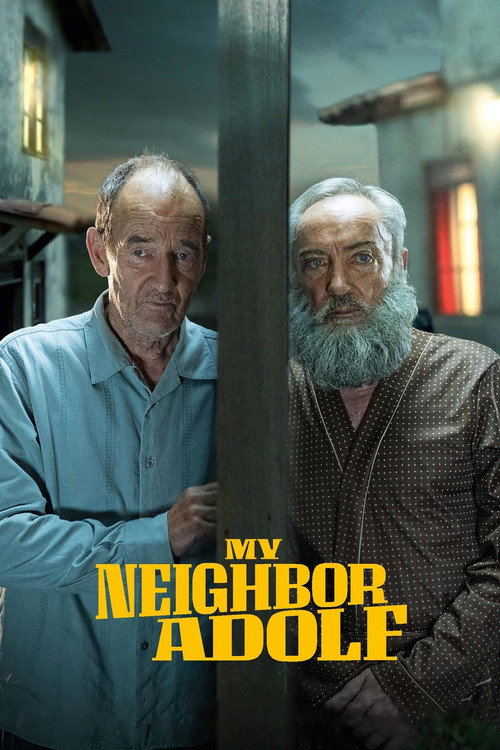
My Neighbor Adolf2022
Israeli dark comedy about a Holocaust survivor's son meeting a man named Adolf. Examines how proximity to atrocity shapes identity and humor. Shows how laughter and grief coexist in communities marked by genocide.
But The tone is deliberately provocative and uncomfortable. Comedy about genocide alienates some viewers completely. The lightness can feel cheap to those still processing trauma.
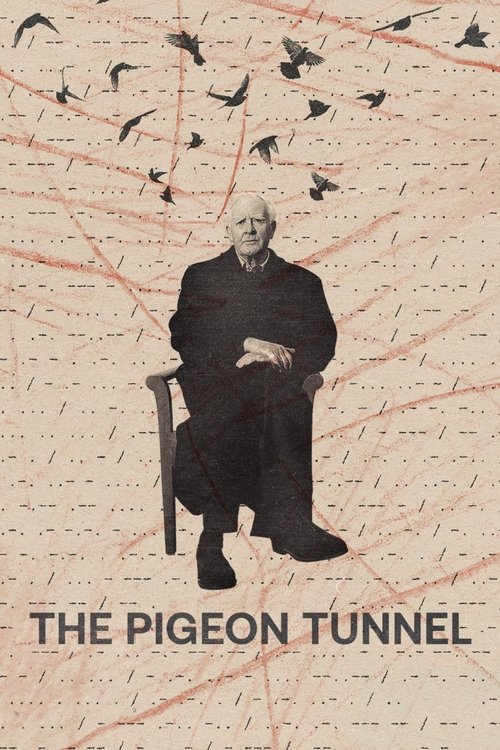
The Pigeon Tunnel2023
Both probe how institutions—governments, intelligence agencies—make calculated decisions to ignore atrocity. Le Carré's novels were his way of processing Cold War moral failure; Ghosts documents how Rwanda happened despite visible evidence. Both ask: when do we choose not to see?
A documentary about John le Carré, the spy novelist who lived through Cold War bureaucracy. Shows how writers translated historical complicity into moral fiction. Less about genocide, more about how people bear witness to institutional evil through art rather than testimony.
But Focuses on a privileged British writer rather than victims or survivors. The spy genre framing feels distant from Rwanda's documentary urgency. Some find the literary angle precious given the subject matter.
People
Cast
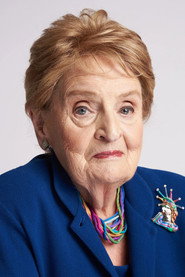
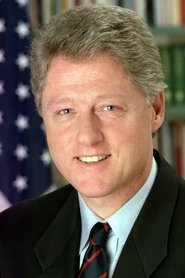 Bill ClintonSelf
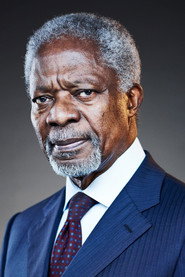 Kofi AnnanSelf
- Willy ClaesSelf
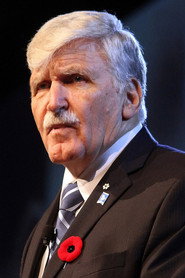 Roméo DallaireSelf
- Gromo AlexSelf
- Henry AnyidohoSelf
- Brent BeardsleySelf
Directing
- Greg BarkerDirector
Writing
- Greg BarkerWriter