
Film
Shake Hands with the Devil
- Drama
- Very dark
A Canadian general is sent to Rwanda in 1993 with a skeletal UN peacekeeping force, watching helplessly as genocide unfolds around him. Roy Dupuis anchors a devastating account of institutional failure and moral paralysis, where good intentions and bureaucratic indifference collide with catastrophic human cost. For anyone ready to understand how the world let Rwanda burn.
Should you watch it?
Watch it if you want a grim, close-quarters account of institutional failure, where the drama lives in phone calls, mandates and a single officer's refusal to look away, and you can stay with history that does not offer easy consolation.
Skip it if you need the genocide itself on screen or a clear emotional release, since the film stays in briefing rooms and corridors and the horror arrives mostly through talk, paperwork and frustration.
What it asks of you: Real patience for procedure: it runs about two hours of tense, dialogue-heavy scenes that build pressure slowly, and it expects you to follow the politics as closely as the people.
Not sure? Find tonight's pick in a minute.
If you liked this
Hotel Rwanda2004
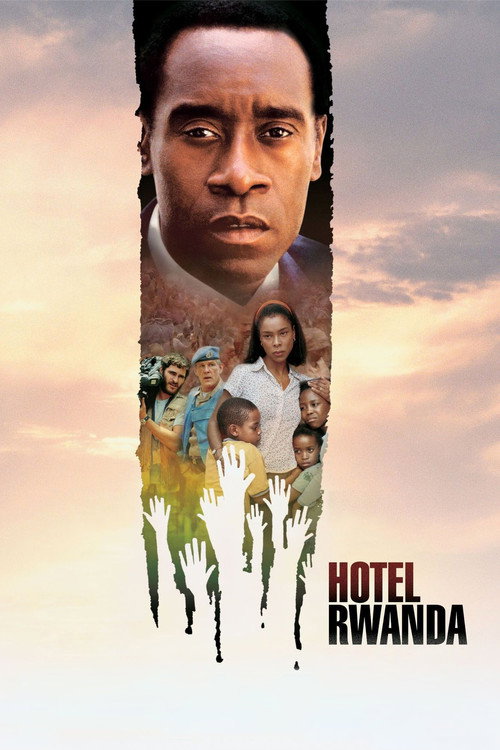
Don Cheadle's Paul Rusesabagina shelters Tutsi refugees in a hotel while the genocide rages outside. It's the intimate counterpoint to Dallaire's command-level view—same disaster, different vantage point, equally heartbreaking.
But The emotional weight is relentless and unsparing. Some find the narrative focus on a sympathetic protagonist makes it easier to watch than the full historical horror demands.
The Act of Killing2012
A documentary that puts perpetrators of Indonesian genocide on camera, forcing them to re-enact their crimes. It's a completely different approach to atrocity—unsettling, brilliant, and morally complex in ways that stick with you.
But There's no narrative comfort here. Watching people who committed mass murder feel nostalgia for it is deliberately nauseating and requires patience with ambiguity.

Spotlight2015
Reporters methodically expose institutional cover-up of child abuse. Like Dallaire, it's about systems that protect wrongdoing, but through the lens of investigative journalism rather than military command—and it's a procedural masterclass.
But It's slow and meticulous. If you want dramatic confrontation, this film prefers paper trails and phone calls to cathartic scenes.

Not sure tonight? Get a pick in a minute, starting from Shake Hands with the Devil
The wildcard
Something you would not have found on your own.
Ghosts of Rwanda2004
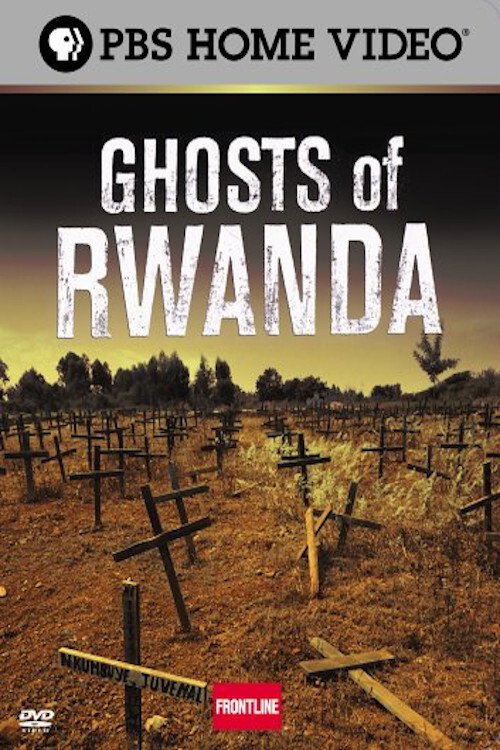
Same events, same people, radically different form. The drama shows you what it felt like; the documentary shows you what actually happened and what people say about it now.
A documentary that interviews Dallaire himself alongside survivors, perpetrators, and other witnesses. It's the historical record of the same events—the voices and perspectives that contextualize the drama you just watched. Essential companion, not repetition.
But It's an interview film, so it lacks narrative propulsion. If you're looking to keep the emotional momentum going, shifting to documentary can feel like applying the brakes.
More like this (8)
Three Kings1999
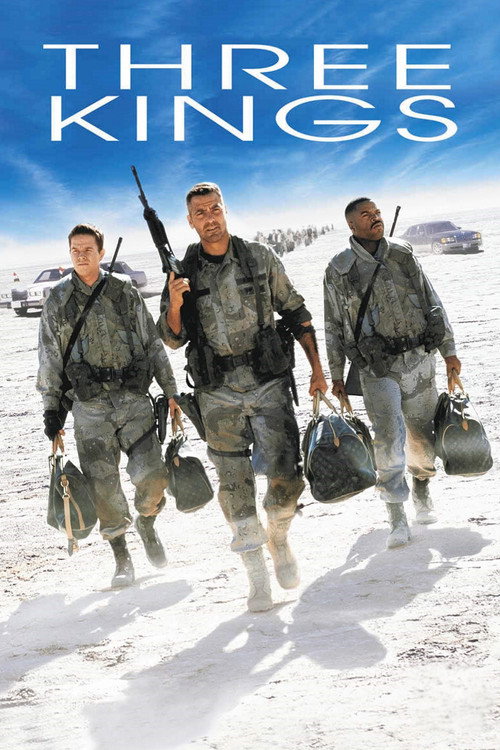
American soldiers in post-Gulf War Iraq confront the gap between official orders and moral obligation. Technically a war film, but it's really about complicity and the cost of staying silent while atrocities happen.
But It's uneven—mixing dark comedy with brutality in ways that don't always land. Some scenes feel like they're trying too hard to be clever about serious things.
The Fog of War2003
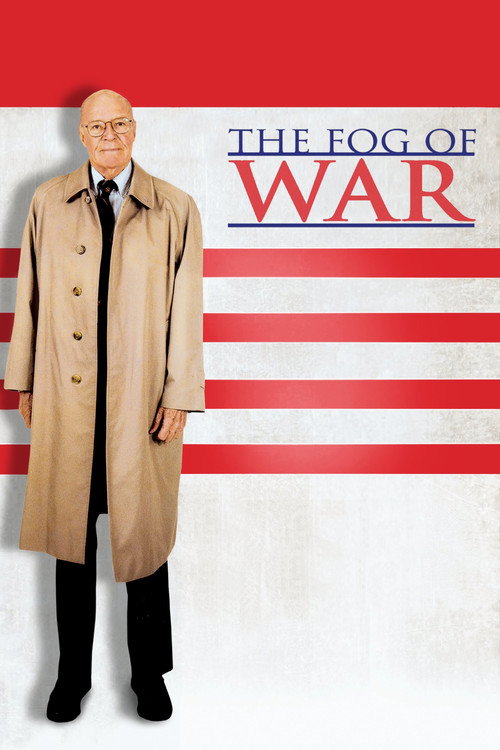
Robert McNamara reflects on Vietnam and nuclear brinkmanship with Errol Morris. It's a documentary about a man reckoning with the consequences of decisions made from a position of power—the psychological mirror to Dallaire's story.
But It's essentially one man talking for ninety minutes. If you want narrative momentum rather than introspection, this will test your patience.
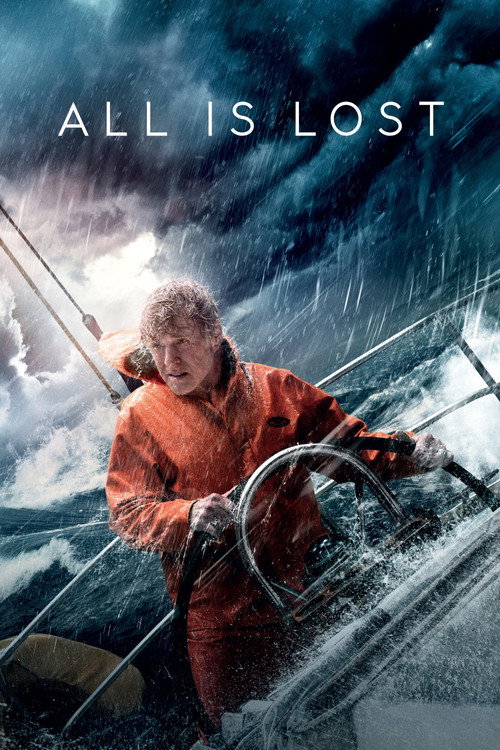
All Is Lost2013
Robert Redmond alone on a sinking boat, fighting impossible odds with minimal dialogue. It strips down the experience of being helpless and outmatched to its pure essence—a different genre, same spiritual core.
But It's deliberately sparse and meditative. The lack of exposition or supporting characters means you're sitting with one man's struggle for two hours.
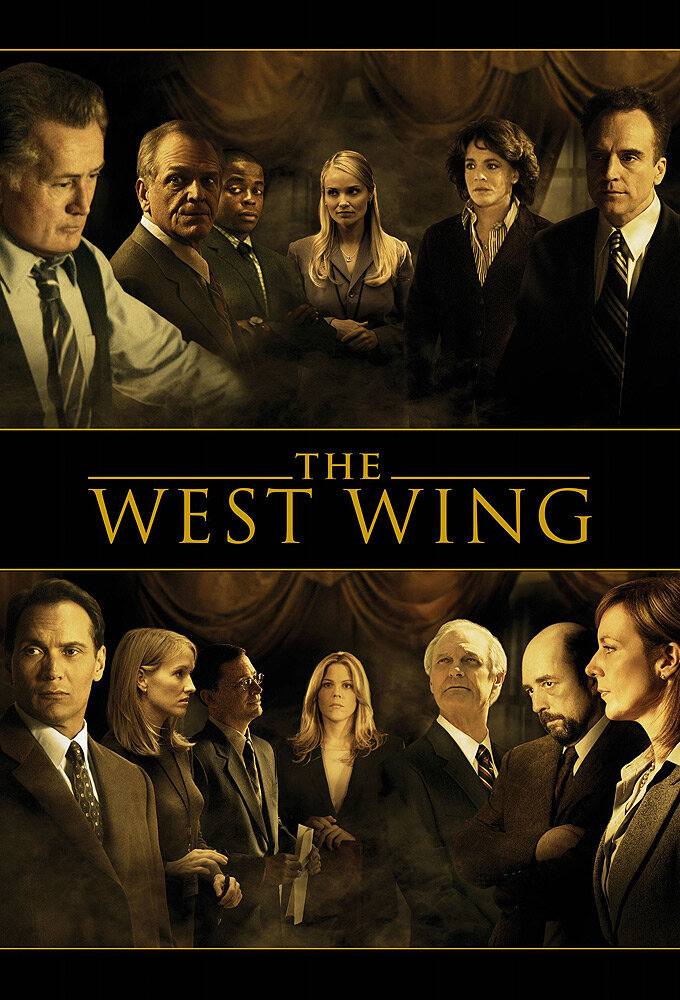
The West Wing1999
If you want to see how institutional decision-making *should* work—thoughtful, humane, morally engaged—watch Sorkin's vision of government. It's the optimistic inverse of what Dallaire experienced, and oddly clarifying.
But It's wish-fulfillment politics. After Shake Hands, its faith in institutions and good-faith argument may feel naive or even insulting.
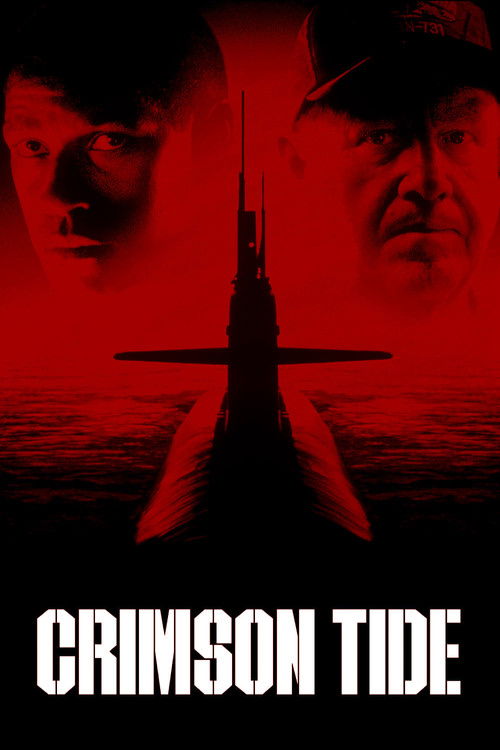
Crimson Tide1995
A submarine commander and his XO clash over whether to launch nuclear missiles during a Russian crisis. It's about competing authority, moral certainty, and the weight of command decisions—tension that Dallaire lived in slow motion.
But It's a thriller first, so it simplifies the moral ambiguity. Real command dilemmas are messier than this film's dramatic architecture allows.
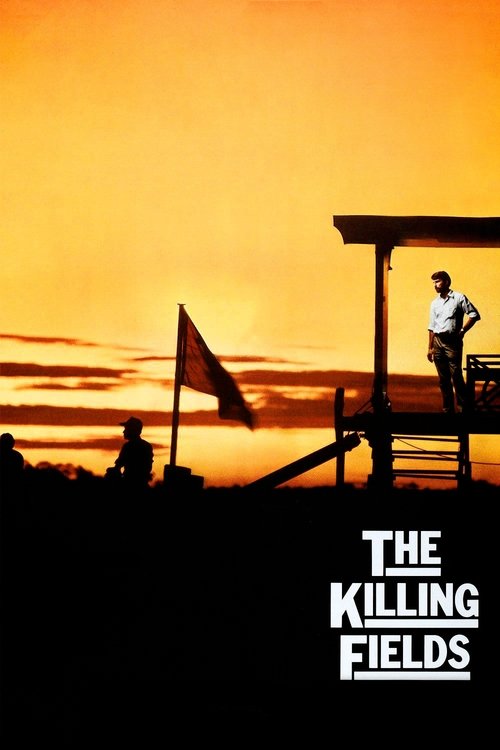
The Killing Fields1984
Sydney Schanberg's journalist and Dith Pran's translator witness the Cambodian genocide together. Like Shake Hands, it's about watching catastrophe unfold and the bonds formed by shared horror.
But It's from 1984 and shows its age stylistically. Some of the filmmaking choices feel dated, even if the story's moral urgency doesn't.
Come and See1985
Both films refuse to let you distance yourself from the moral collapse. But where Shake Hands is clear-eyed testimony, Come and See is a descent into psychological and visual horror. Different tools, same unflinching conviction that you must bear witness.
A Soviet film following a boy as he discovers the true cost of World War II combat and occupation. Shot with surrealist intensity, it's one of cinema's most unsparing depictions of what institutional violence does to a human being—a sensory and spiritual experience rather than a plot.
But It's deliberately grotesque and visually overwhelming. The style is aggressive and unfamiliar if you're used to conventional war films. It will exhaust you.

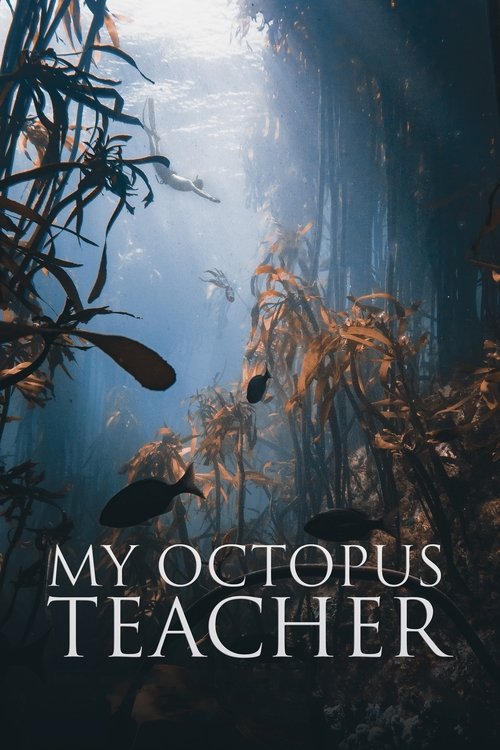
My Octopus Teacher2020
The deepest contrast: Dallaire had every resource and mandate, and they weren't enough. This filmmaker had nothing but attention and presence, and it was everything. One teaches you how systems fail; one shows you how one person can succeed. Together, they're a conversation about what matters.
A filmmaker develops a relationship with an octopus in a South African kelp forest. It sounds twee; it's actually about presence, attention, and connection across the widest possible gap. It's also the antidote to institutional paralysis—one person, total commitment, observable change.
But It's a nature documentary that risks sentimentality. If you're suspicious of feel-good narratives after Shake Hands, this will read as escapism or worse.
People
Cast
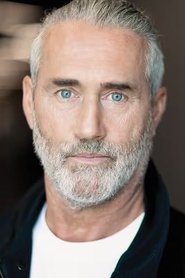 Roy DupuisLieutenant General Roméo Dallaire
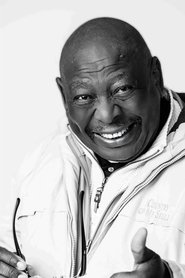 Owen SejakeBrigadier General Henry Anyidoho
 James GallandersMajor Brent Beardsley
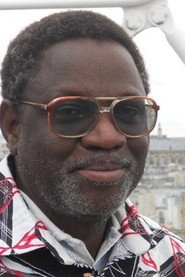 Michel Ange NzojibwamiColonel Théoneste Bagosora
- Michel MongeauColonel Luc Marchal
 Robert LalondeGeneral Maurice Baril
- John Sibi-OkumuJacques-Roger Booh-Booh
 John MatshikizaPresident Habyarimana
 Deborah Kara UngerEmma Baker, an American Reporter
- Odile Katesi GakirePrime Minister Agathe
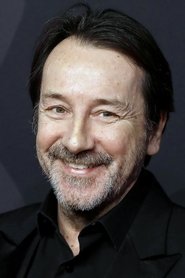 Jean-Hugues AngladeBernard Kouchner
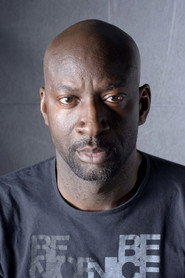 Akin OmotosoMajor General Paul Kagame
Directing
- Roger SpottiswoodeDirector
Writing
- Michael DonovanWriter
Production
- Laszlo BarnaProducer
- Michael DonovanProducer