
Film
The Act of Reading
A documentary that begins as a confrontation between a retired English teacher and a student who failed her class, then unfolds into a meditation on how we read, why we read, and what Moby-Dick has to teach us about attention. Intellectually generous, playful, and genuinely moving—it's a love letter to literature and second chances disguised as a feature-length essay.
Should you watch it?
Watch it if you love close, patient looks at how one classroom and one stubborn novel can change a person's relationship with books, and you enjoy talk about how the brain learns to read.
Skip it if you want a film with a strong narrative engine or lots of visual variety, since much of it is talk in small rooms and the film stays close to the lectern.
What it asks of you: Patience with a slow, conversational rhythm, a willingness to sit through long literary digressions, and about an hour and a half of unhurried attention.
Not sure? Find tonight's pick in a minute.
If you liked this
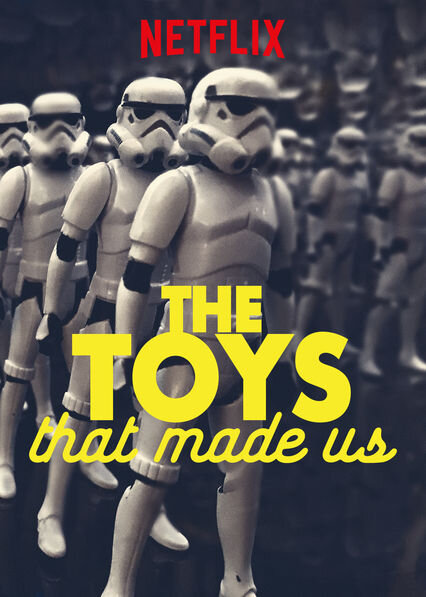
The Toys That Made Us2017
Each episode is a love letter to a cultural artifact, exploring how it was made and why it matters. Like The Act of Reading, it finds profound meaning in things we take for granted and celebrates the people who created them.
But It's Netflix nostalgia—slick and occasionally saccharine. If you want rigorous critique rather than celebration, it can feel shallow.
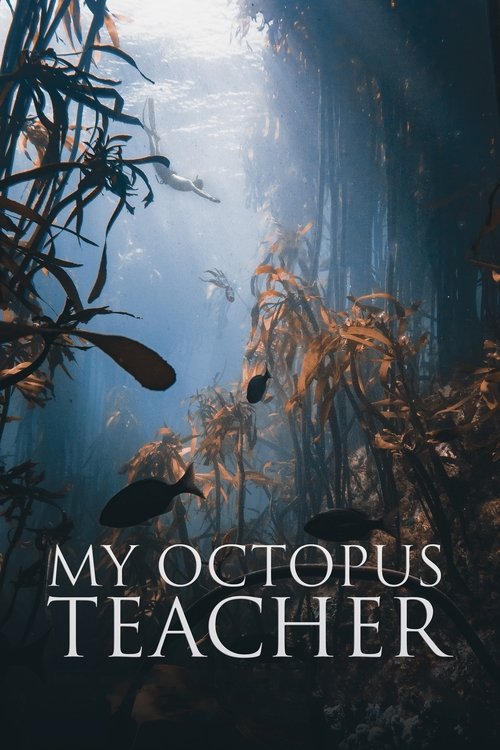
My Octopus Teacher2020
A marine biologist spends a year observing an octopus, and the film becomes a meditation on patience, observation, and what attention teaches us. It has the same philosophical generosity and commitment to slow, careful looking that The Act of Reading does.
But The emotional arc is relatively straightforward, and some viewers find the whimsy oversells what is essentially footage of a cephalopod in a kelp forest.
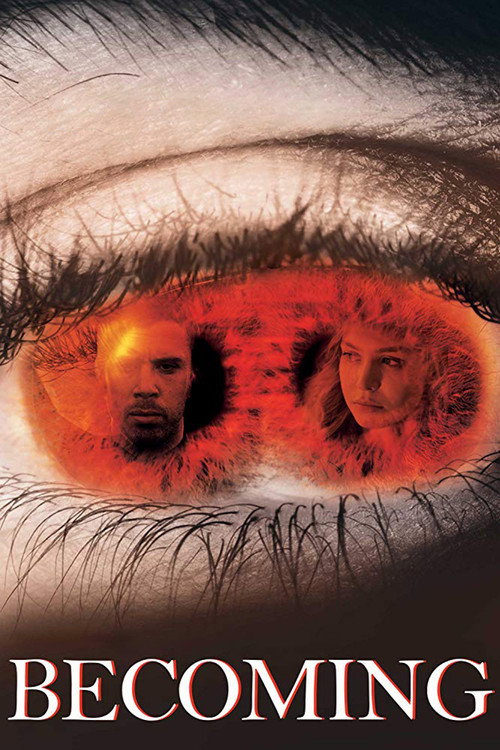
Becoming2020
Michelle Obama's memoir adapted as documentary, it explores how we tell the stories of ourselves. It shares The Act of Reading's interest in narrative, education, and how the person we become relates to the person we were.
But It's a high-profile celebrity project, so it lacks the idiosyncratic intimacy that makes stranger documentaries feel revelatory.
Not sure tonight? Get a pick in a minute, starting from The Act of Reading
The wildcard
Something you would not have found on your own.
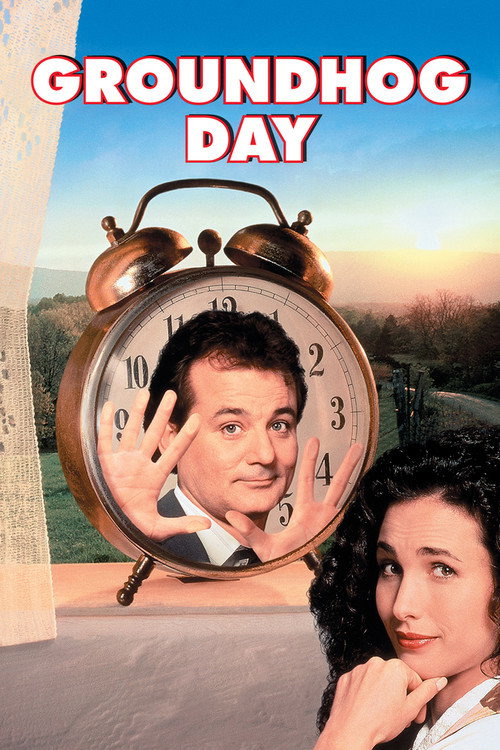
Groundhog Day1993
Both explore what happens when you're forced to read something again and again—a text, a person, a day—until new meaning emerges. Both suggest that understanding requires patience, humility, and the willingness to be wrong.
Bill Murray repeats the same day over and over, forced into a kind of obsessive reading and rereading of human interaction until he understands it differently. It's a comedy that functions as a meditation on how attention and repeated engagement transform meaning—the exact engine of The Act of Reading.
But It's been canonised as a beloved film, and rewatching it might feel like an obligation rather than discovery. The comedy softens its philosophical weight, which some find slight.
More like this (7)
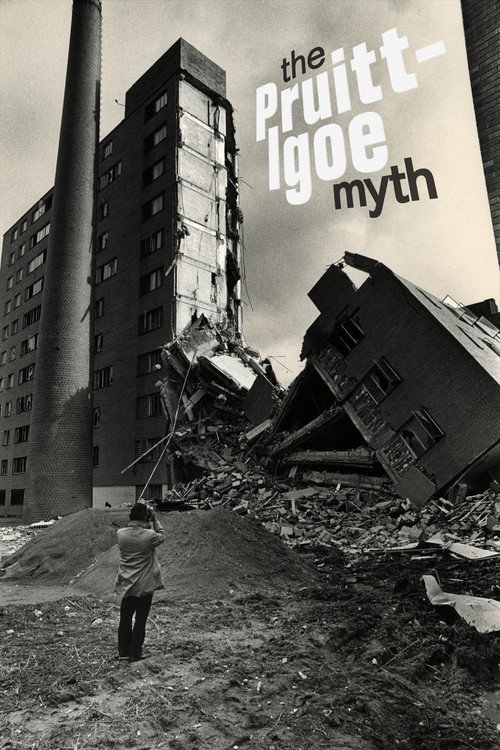
The Pruitt-Igoe Myth2012
A rigorous essay on architecture, race, and urban policy told through a single housing project. It demonstrates how architecture is text—it reads meaning into our lives—and echoes The Act of Reading's serious engagement with how systems communicate.
But It's densely argued and politically complex, requiring sustained attention and prior knowledge. Not a casual watch.
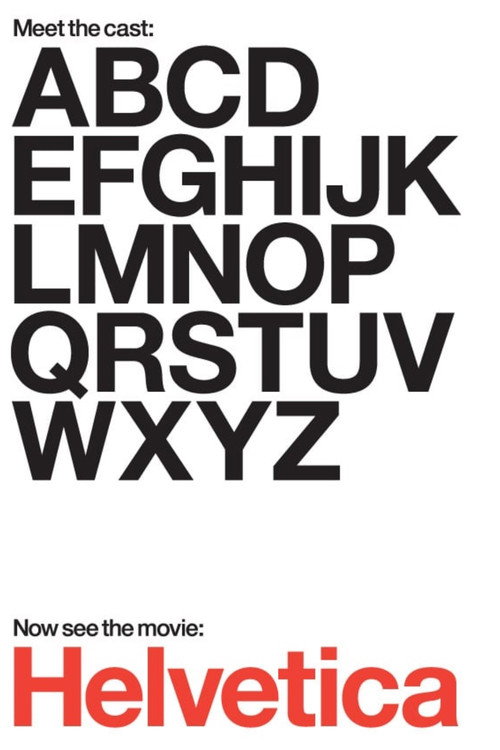
Helvetica2007
A feature-length documentary about a typeface that becomes an inquiry into design, meaning, and how we unconsciously read the world around us. The premise mirrors The Act of Reading's core question: what is the practice of meaning-making?
But Watching a film about sans-serif fonts requires genuine interest in design theory or a tolerance for arch aestheticism that not everyone shares.
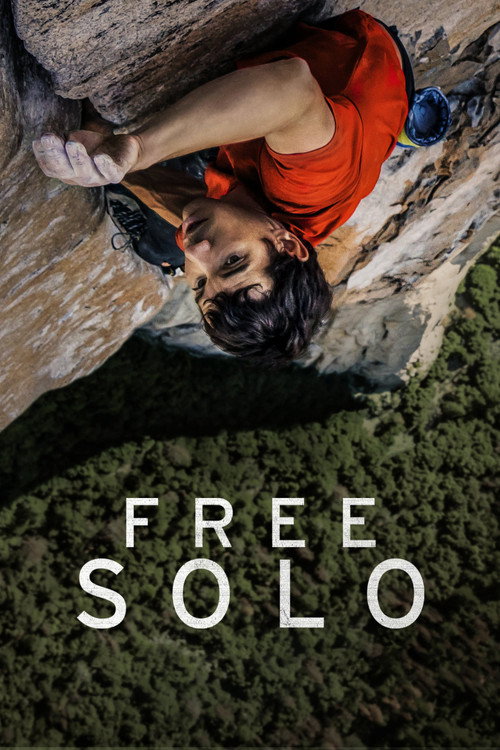
Free Solo2018
A climber prepares to scale El Capitan without ropes. It's a meditation on obsession, mastery, and what we're willing to risk for the things we love—themes that resonate with The Act of Reading's portrait of devotion.
But The suspense can feel exploitative, and the film doesn't interrogate the ethics of documenting someone's potentially fatal hobby with the seriousness the subject might deserve.
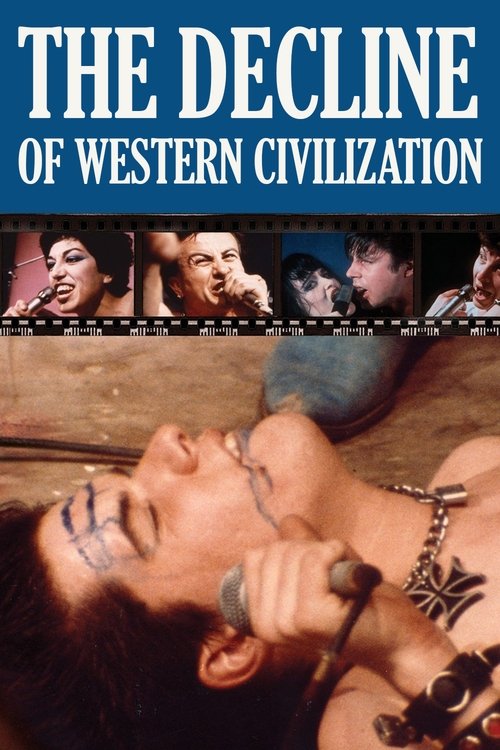
The Decline of Western Civilization1981
Penelope Spheeris documents the Los Angeles punk scene with anthropological care. It shares The Act of Reading's conviction that careful attention to subculture and how people live reveals something true about meaning and community.
But It's deliberately raw and unpolished, shot in 1981, so the image quality is rough. The punk aesthetic doesn't age into comfort for everyone.
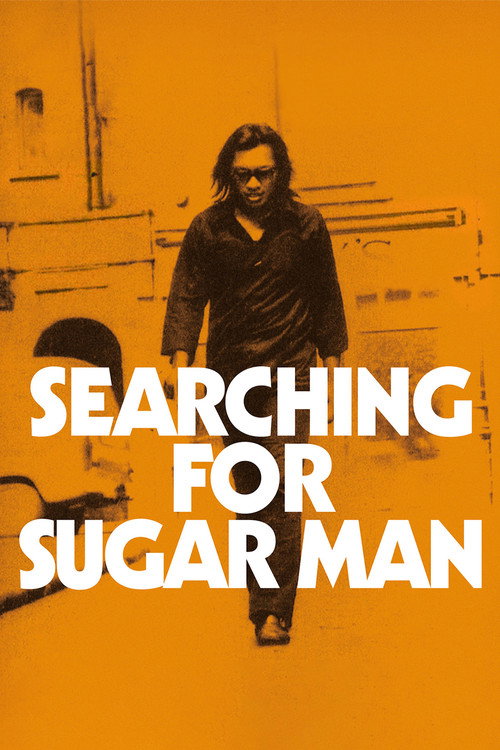
Searching for Sugar Man2012
A detective story about a mysterious musician and the obsession to understand his legacy. It explores how we read absence, myth, and the gap between who we think someone is and who they are.
But The twist is famous enough that many have had it spoiled; watching it without that surprise diminishes the emotional payoff considerably.
Synecdoche, New York2008
Both works are obsessed with the gap between what we think we understand and what's actually there. The Act of Reading watches someone learn to read a person differently; Synecdoche watches someone fail to. Both treat reading—of text, of people, of the world—as the central human act.
Charlie Kaufman's film about a theater director creating a replica city-within-a-theater is formally audacious and devastatingly smart about performance, ego, and the impossibility of ever fully understanding another person's interiority. It's a film about the act of reading other people when the text is incomplete.
But It's deliberately obscure, emotionally punishing, and doesn't offer catharsis or resolution. Many find it pretentious or inaccessible; fair enough.

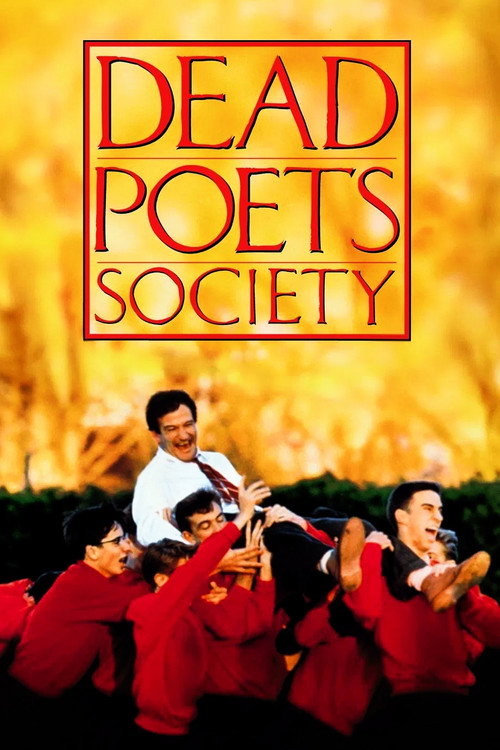
Dead Poets Society1989
Both films pivot on the moment when someone learns to read differently—not the content of what they read, but the practice itself. Both suggest that teaching and learning are acts of forgiveness, second chances, and collective transformation. Both believe that how you read is how you live.
A teacher changes how his students read poetry and, by extension, how they read their own lives. Yes, it's sentimental, but that sentiment is earned: it's genuinely about the transformative power of literature and the courage required to read differently than you were taught.
But It's become a cliché of inspirational teaching cinema, and its sentimentality can read as manipulative. If you know it too well already, rewatching might feel like visiting an old hallmark card.
People
Cast
Directing
- Mark BlumbergDirector
Production
- Makena BuchananAssociate Producer
- Alissa BlumbergExecutive Producer