
Film
The Oresteia
Peter Brook's landmark 1983 staging of Aeschylus' ancient trilogy, performed by the National Theatre with an all-male cast in masks. It's hypnotic and physically daring—less museum piece than ritualistic fever dream. Traces a blood vendetta from Agamemnon's murder through divine justice. For anyone curious what classical theatre can do when treated as living, breathing event rather than dusty obligation.
Should you watch it?
Watch it if you love ancient tragedy stripped to its bones, where the power lives in choral verse, bare staging and masked faces rather than spectacle, and you don't mind sitting with a long, formal ritual.
Skip it if you want a film that moves quickly or feels cinematic; this is a filmed stage production, with declaimed speech and masks that keep emotion at arm's length.
What it asks of you: Nearly four hours in one sitting, slow and ceremonial, with long stretches of verse you must follow closely rather than lean back and let wash over you.
Not sure? Find tonight's pick in a minute.
If you liked this
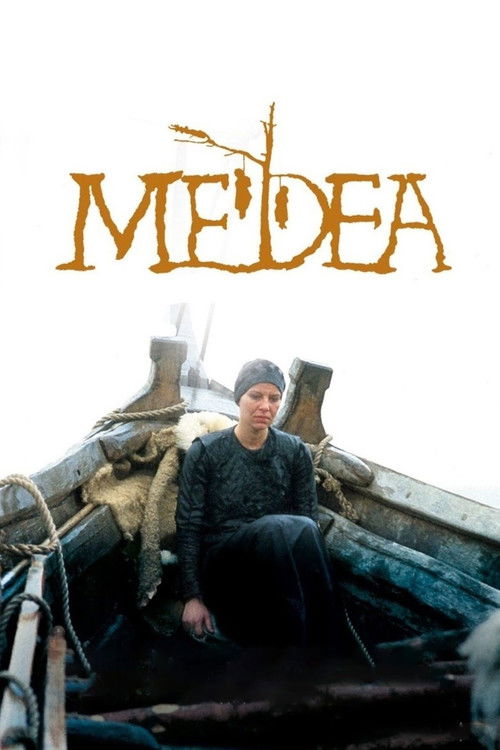
Medea1989
Larisa Shepitko's haunting Soviet adaptation treats Greek tragedy as psychological horror. The emotional devastation of a woman destroying her own children feels raw and immediate, stripped of theatrical distance.
But Bleak to the point of suffocation, and the pacing is glacial. Not interested in catharsis or comfort.
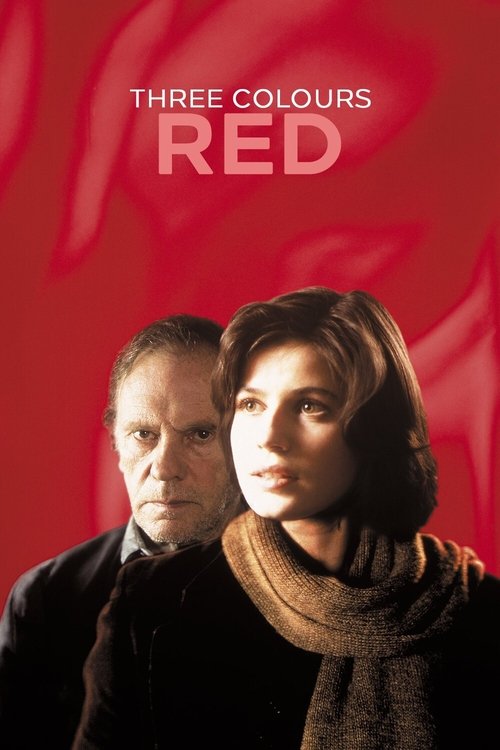
Three Colors: Red1994
Kieslowski examines fate, chance, and human connection through interwoven lives. Like the Oresteia, it's obsessed with consequence and how the gods—or randomness—move through our choices.
But Abstract and slow-burning. You need patience for philosophical ambiguity dressed as narrative.
A Prophet2009
Modern tragedy about prison and rise to power that echoes the Oresteia's iron logic: each act births the next, violence begets violence. Malik becomes what he feared, trapped by momentum.
But Brutal, lengthy, and the prison politics can feel opaque if you're not tracking every alliance carefully.

Not sure tonight? Get a pick in a minute, starting from The Oresteia
The wildcard
Something you would not have found on your own.
Requiem for a Dream2000
Both treat consequence as physical law. The Oresteia asks: can justice break the cycle? Requiem asks: what if it can't? Same tragic machinery, opposite answer.
Aronofsky's four-character descent into addiction and delusion. Like the Oresteia, it's structured as relentless chain reaction—each action spawns inevitable consequence. No escape velocity, only spiral.
But Nauseating editing, repetitive score used as torture. The film itself is trying to make you uncomfortable. And the ending offers no transcendence, just ash.

More like this (4)
Stalker1979
Tarkovsky's sci-fi philosophical epic shares the Oresteia's belief that examining fate and desire changes you irreversibly. Every choice compounds; there's no going back.
But 163 minutes of meditative silence. It's asking you to sit with dread and metaphysics, not plot.

The Seventh Seal1957
Bergman's medieval knight plays chess with Death as plague ravages the land. Interrogates faith, mortality, and what we owe each other—the same moral weight as ancient tragedy.
But Operates in symbolic register rather than naturalistic one. Can feel cold if you resist its metaphorical language.

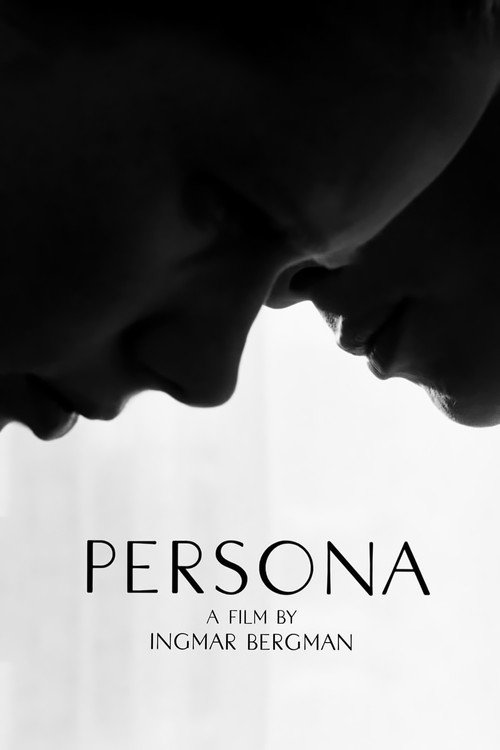
Persona1966
Bergman's two-character chamber piece about identity dissolution and unspoken cruelty. Uses theatre's simplicity—two faces, one room—to crack open consciousness like the Oresteia does with ritual.
But Completely abstract. The relationship between the two women is psychological and coded; you're reading subtext for eighty minutes.
Come and See1985
Soviet war film that functions as tragedy: a child witnesses atrocity and cannot be unmade. The consequences of violence are written into the body, not the plot.
But Genuinely harrowing. Designed to traumatize you. Not for when you want evening comfort.

People
Cast
 Jim CarterAgamemnon
- Robert CartlandElectra
 David BamberChoir
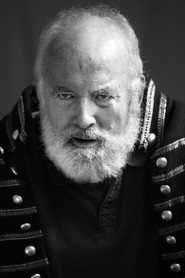 Pip DonaghyClytemnestra
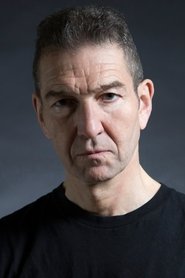 Greg HicksOrestes
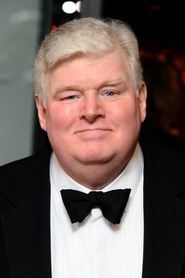 Kenny IrelandApollo
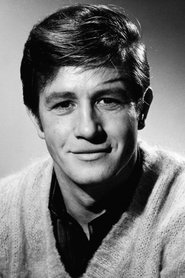 Alfred LynchAegisthus
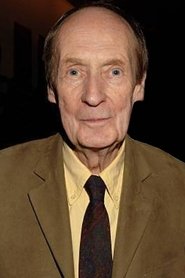 John NormingtonCassandra
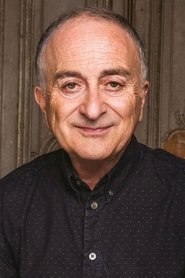 Tony RobinsonServant
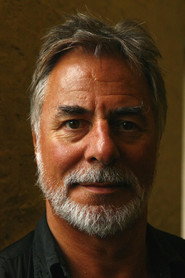 Barrie RutterHerald
- Timothy DaviesPylades
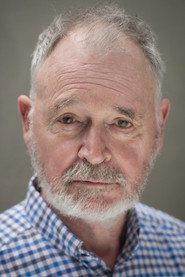 Sean BakerPriestess
Directing
- Peter HallDirector
Writing
- Tony HarrisonScreenplay
- AeschylusTheatre Play