
Film
Robinson in Space
Patrick Keiller's essayistic documentary follows an unseen traveller investigating England's economic and social condition. Paul Scofield's measured narration guides you through ports, factories, and prisons—a portrait assembled from observation, theory, and literary reference. It's patient, digressive, deeply intelligent: cinema as thinking aloud about a nation's infrastructure and soul.
If you liked this
Sans Soleil1983
Chris Marker's essayistic collage moves across continents with philosophical narration—another film that treats documentary as a space for thinking, for digression, for the image as argument rather than proof.
But Denser than Robinson and less anchored to place. The associative logic demands real concentration; some will find it precious rather than profound.

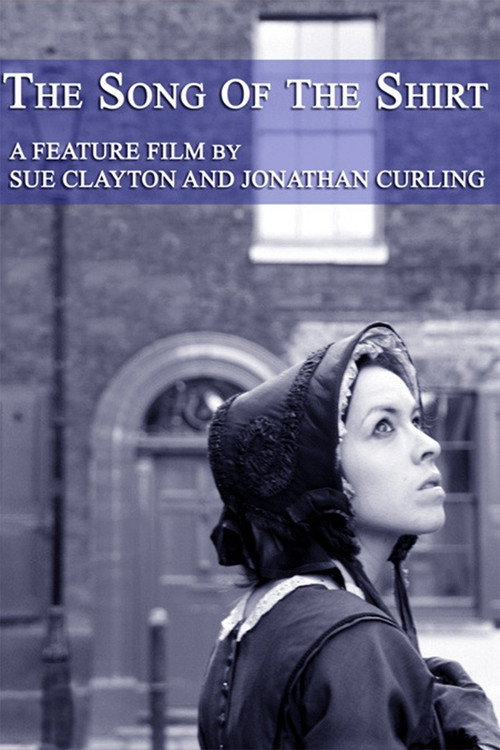
The Song of the Shirt1979
Sue Clayton and Jonathan Curling investigate labour, gender, and exploitation in Britain's textile industry through archive, testimony, and literary layers. A political precedent for Keiller's method.
But Harder to find than it should be. The 1979 aesthetic and analogue texture will feel remote to viewers expecting contemporary documentary smoothness.
Riddles of the Sphinx1977
Laura Mulvey and Peter Wollen combine experimental film, Sphinx mythology, and domestic labour into something that refuses easy interpretation. Shares Robinson's commitment to difficult, layered thinking on film.
But Openly experimental and abstract. If you need plot or clear argument, this will feel like watching someone else's private essay.
Not sure tonight? Get a pick in a minute, starting from Robinson in Space
The wildcard
Something you would not have found on your own.
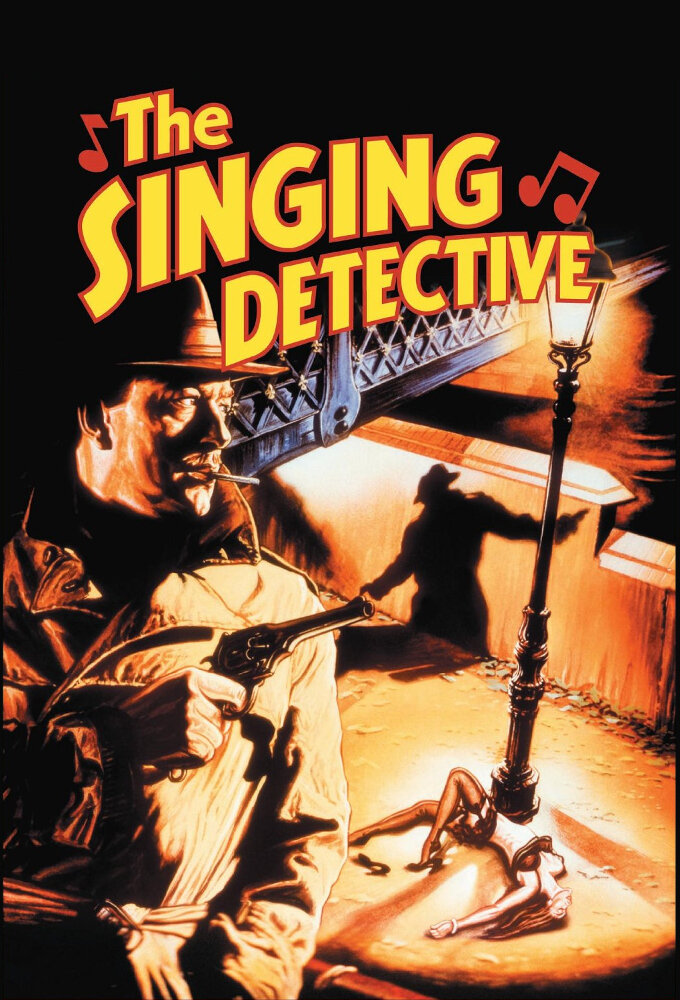
The Singing Detective1986
Both use fragmentation and layering—narration, archive, association—as techniques for thinking rather than simply reporting. Both ask: what does it mean to investigate something?
Dennis Potter's six-part serial is digressive, paranoid, and formally audacious—a man in a hospital bed reconstructing meaning through narrative, song, and fragmented memory. Like Robinson, it uses form itself as argument about how we know the world.
But It's a melodrama that doesn't resolve cleanly and requires active watching. Potter's style can feel baroque or indulgent if you want straightforward storytelling.
More like this (7)
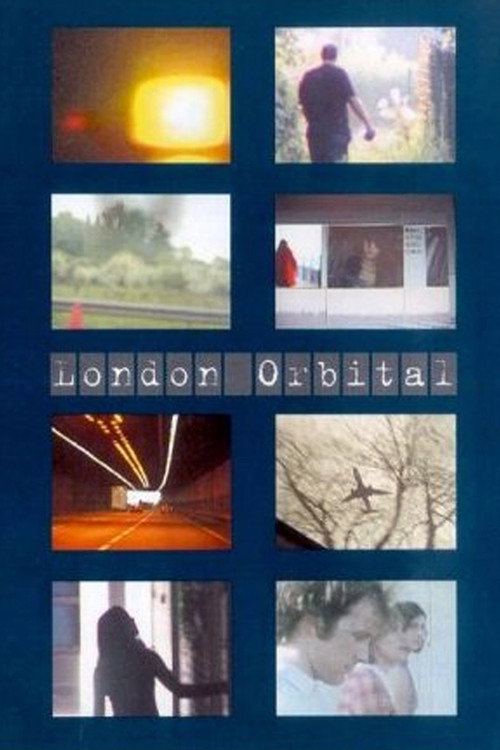
London Orbital2002
Keiller's follow-up is warmer and more narrative-driven, but carries his essential project forward: walking the M25, gathering voices, treating landscape as political text. A natural step after Robinson in Space.
But It's Keiller doing Keiller again. If Robinson felt oblique or frustrating, this won't convert you—it doubles down on the method.
Man with a Movie Camera1929
Dziga Vertov's city symphony is all form and momentum—a visual essay on Soviet urban life that proves documentary can be radical without narration. Robinson owes it everything about showing infrastructure as meaning.
But Silent, avant-garde, 1920s Soviet—a significant historical object that some experience as museum piece rather than living cinema.

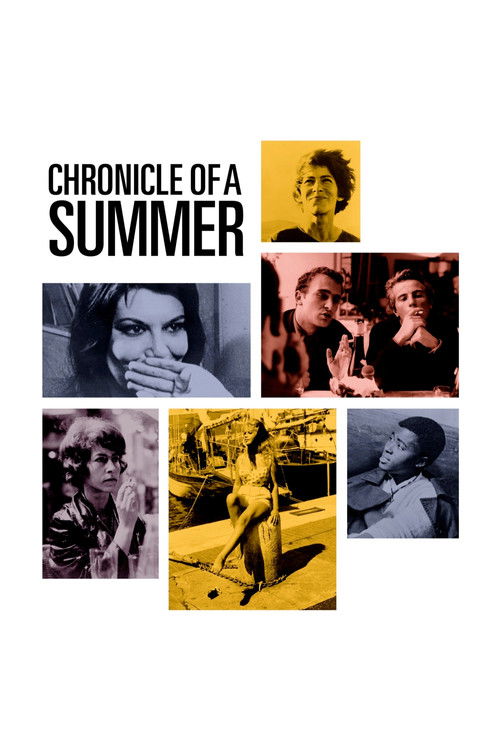
Chronicle of a Summer1961
Rouch and Morin invented the modern documentary essay here, asking Parisians 'Are you happy?' and filming the city's texture. Foundation-laying work for the form Robinson inherits and refines.
But The summer-of-1961 Paris it captures feels impossibly distant. The lightweight-camera liberation it celebrates can read as quaint now.
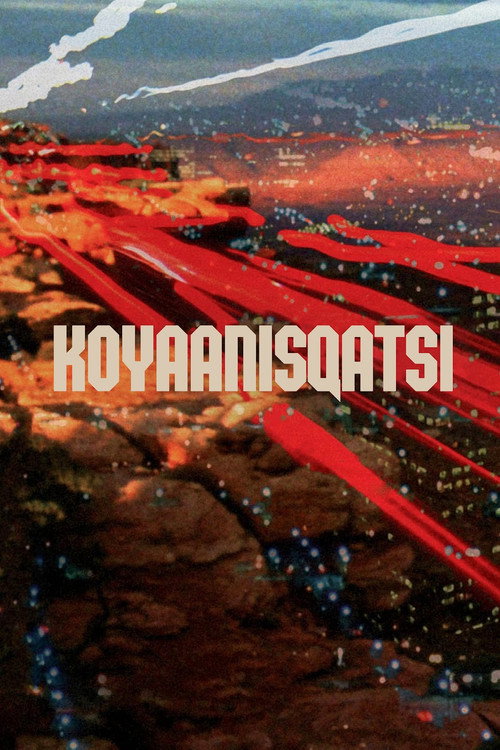
Koyaanisqatsi1983
Philip Glass and Godfrey Reggio's visual symphony is documentary-as-poetry: time-lapse American infrastructure and landscape, no dialogue, pure montage. A different route to Robinson's questions about systems and society.
But It's almost all aesthetic experience. If you want intellectual argument or specificity, it will feel like visual muzak—important work, but not substantive.
The Act of Killing2012
Joshua Oppenheimer's investigation of Indonesia's genocide is documentary-as-philosophy, asking perpetrators to perform their crimes. Shares Robinson's commitment to using form and digression to think through the unthinkable.
But Genuinely disturbing and morally complex. The performative elements could feel manipulative or exploitative depending on your tolerance for difficult ethical territory.

Stalker1979
Both films treat journeys through landscape as a form of thinking. Both suggest that what matters is the investigation itself, not the destination. Both have profound narration layered over images that refuse to make things simple.
Andrei Tarkovsky's long, patient meditation on desire and the unknown follows three men through a mysterious landscape toward a room that grants wishes. Structurally and philosophically it's an investigation—a journey toward meaning that keeps deferring arrival.
But Nearly three hours of slow movement through grey Soviet space. The metaphysical payoff is not for everyone; many experience patience as tedium.

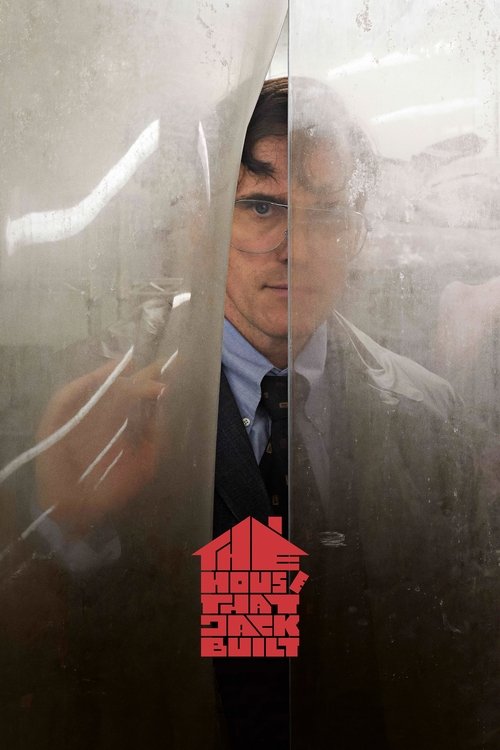
The House That Jack Built2018
Both treat investigation as a visual and philosophical method. Both use narration and tour-structure to unsettle what we think documentation means. Both refuse the comfort of neutral observation.
Lars von Trier's controversial serial-killer narrative is structured as a guided tour through a house—a dark parody of documentary exposition and investigation. Formally radical, morally extreme, and genuinely committed to using structure to force thought.
But Graphically violent and deliberately provocative. Some will rightfully see it as arrogant provocation dressed as philosophy; others will find it obscene and unwatchable.
People
Cast
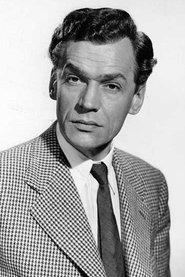 Paul ScofieldNarrator (voice)
Directing
- Patrick KeillerDirector
Writing
- Patrick KeillerWriter
Production
- Ben GibsonExecutive Producer
- Tessa RossExecutive Producer
- Keith GriffithsProducer