
Film
Riddles of the Sphinx
- Drama
- Slow-burning
Laura Mulvey's formally radical 1977 film explores motherhood and domestic life through fragmented narrative, circular structures, and deliberate gaps. It's challenging, philosophical, and composed almost like an essay-film. For viewers willing to work with radical cinema as a language—not plot as meaning—it's revelatory. Exhausting for anyone seeking conventional story.
If you liked this
Jeanne Dielman, 23, quai du Commerce, 1080 Bruxelles1976
Chantal Akerman's three-hour study of domestic routine as profound material. Same intellectual project as Riddles—using time and repetition to expose what patriarchy renders invisible. Hypnotic once you surrender to it.
But The runtime and deliberate slowness test patience. Nothing 'happens' in conventional terms. Dinner prep and dishwashing fill the screen.

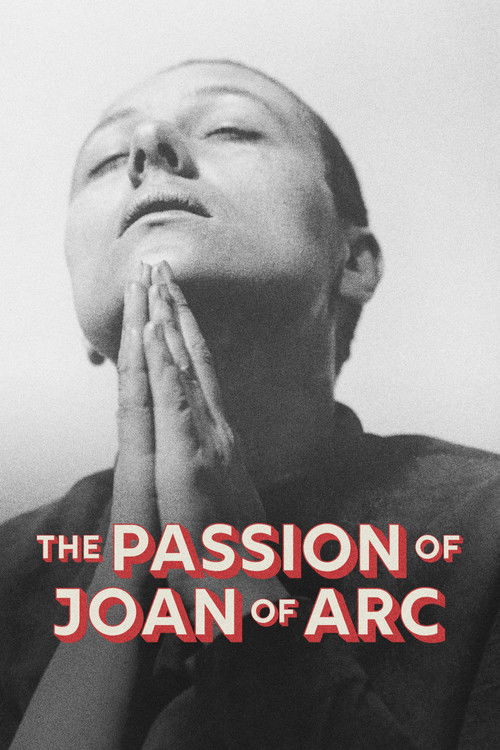
The Passion of Joan of Arc1928
Carl Theodor Dreyer used close-ups and duration to excavate interior struggle. Like Riddles, it privileges face and silence over exposition. Renée Jeanne Falconetti delivers an astonishing performance through presence alone.
But Silent film, deliberately paced, dealing with martyrdom and faith. The emotional weight is immense and unrelenting.
Sans Soleil1983
Chris Marker's essay-film collages image, voice-over, and digression to think through memory and meaning. Structurally complex like Riddles, it refuses linear argument. Endlessly rewatchable for what you discover in the gaps.
But Bewilderingly non-narrative. Without knowing you're watching an essay, it feels like incoherence. Dense, demanding, occasionally cryptic.

Not sure tonight? Get a pick in a minute, starting from Riddles of the Sphinx
The wildcard
Something you would not have found on your own.
Handsworth Songs1986
Both prioritize form as intellectual argument. Both disrupt linear narrative to explore what cinema suppresses. Both trust viewers to read fragmentation as meaning.
John Akomfrah's essay-collage uses archive footage, voiceover, and formal disruption to examine race, community, and British cinema itself. It's Riddles' structural ambition in a radically different register—political urgency meets formal radicalism.
But Requires knowledge of 1980s British race politics to fully land. Archive material can feel distant. Dense and demanding in ways contemporary viewers find opaque.
More like this (6)
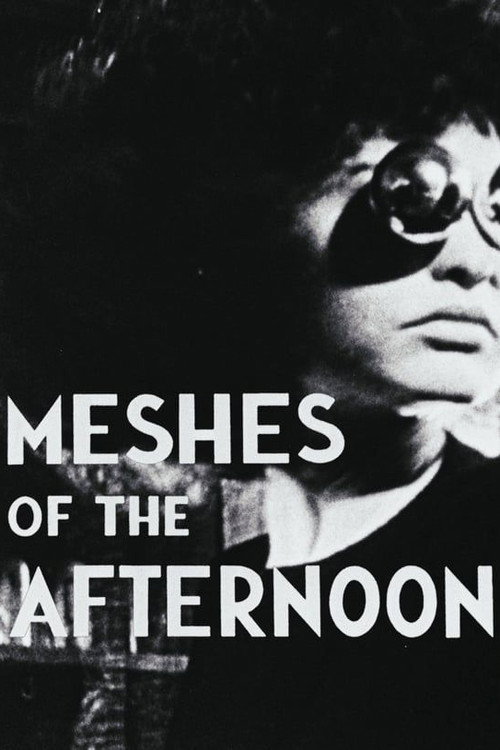
Meshes of the Afternoon1943
Maya Deren's 14-minute experimental masterpiece uses repetition, mirror imagery, and circular time to explore identity and interiority. The DNA of formal feminism. Compact but contains infinite complexity.
But At 14 minutes it may feel slight. It requires multiple viewings and patient analysis—not entertainment in any conventional sense.
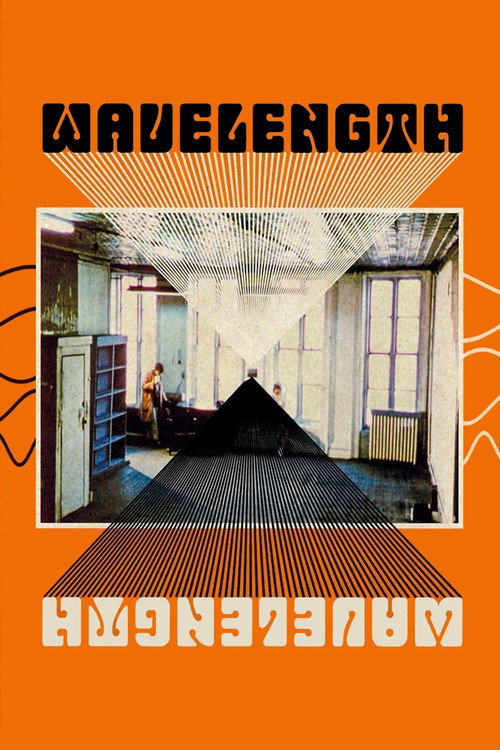
Wavelength1967
Michael Snow's 45-minute camera zoom through a loft challenges perception itself. No plot, no characters—pure interrogation of how cinema makes meaning. Essential context for understanding structural film.
But A fixed camera moving imperceptibly for 45 minutes will bore or alienate most viewers. It's more conceptual exercise than film.
In the Mirror of the City1975
Andrei Tarkovsky fragments time, memory, and image to explore masculine interiority across generations. Like Riddles, it trusts formal innovation over plot. Visually sumptuous where Riddles is austere, but same philosophical rigor.
But Slow, Russian, requiring patience with ambiguity. The narrative refuses to crystallize. Not a film you half-watch.
La Haine1995
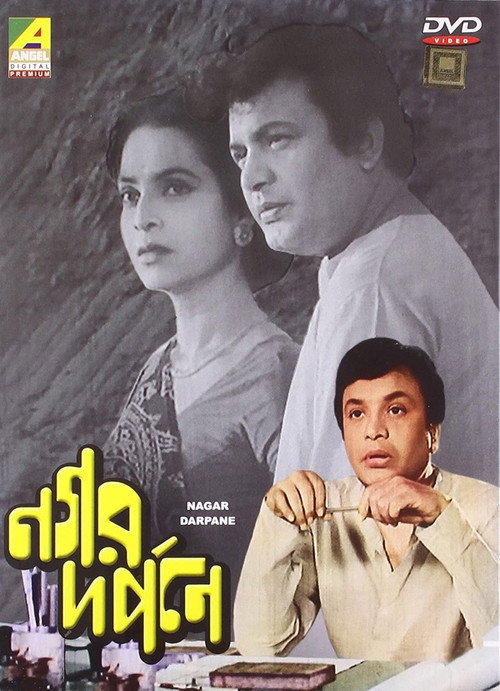
Mathieu Kassovitz uses circular structure and formal invention to explore social entrapment. Like Riddles, form mirrors content. Visceral and politically urgent, less abstract than formal experiments above.
But Rage and despair dominate. Bleak vision of systemic failure. The ending is devastating.

Stalker1979
Both insist cinema can perform philosophical inquiry. Both use slowness as resistance to commercial narrative logic.
Tarkovsky's philosophical science fiction uses duration and repetition to explore desire, faith, and interiority. Like Riddles, it privileges silence and image over exposition. Mystical where Riddles is material, but same commitment to cinema as philosophy.
But Glacially slow. No conventional sci-fi spectacle. The film's meaning remains deliberately opaque. Requires surrender to ambiguity.

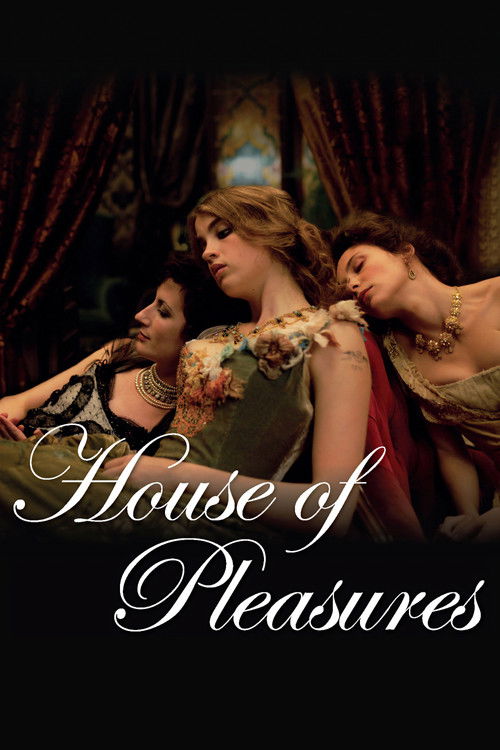
House of Pleasures2011
Both use female bodies and domestic/private space as sites of formal experimentation. Both privilege repetition and sensory detail over narrative clarity. Both explore what cinema can express about female interiority that language cannot.
Anne Consigny and Céline Sallette inhabit a Belle Époque brothel across multiple timelines, refracting female interiority through sound design, color, and fragmentation. Like Riddles, it refuses plot in favor of accumulated impression and formal beauty. Lush where Riddles is austere.
But Sex work depicted unflinchingly, without redemption narrative. Formally puzzling—timelines collapse without explanation. Sexual violence is present. Visually gorgeous but emotionally claustrophobic.
People
Cast
- Dinah StabbLouise
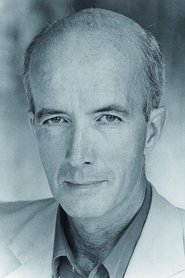 Clive MerrisonChris
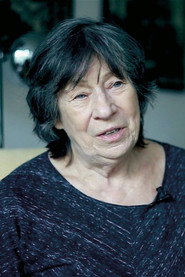 Laura MulveyHerself / Voice Off
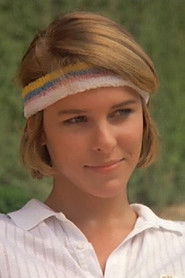
- Merdelle JordineMaxine
- Riannon TiseAnna
- Marie GreenAcrobat
- Paula MelbourneRope Act
- Crisse TriggerJuggler
- Mary MaddoxVoice Off
Directing
- Laura MulveyDirector
- Peter WollenDirector
Writing
- Laura MulveyWriter
- Peter WollenWriter