
Film
The House That Jack Built
- Serial killer
- Psychological horror
- Very dark
Lars von Trier's controversial 2018 provocation follows a serial killer who sees his murders as architectural masterpieces. It's a deliberately disturbing, intellectually vicious film that positions you uncomfortably close to a monster's mind. Visually stunning and morally uncompromising, it demands engagement with evil itself. Not for casual viewing.
Should you watch it?
Watch it if you are drawn to provocative, talky films that treat violence as a philosophical argument, and you enjoy a director who dares you to stay in the room and argue back.
Skip it if you want a serial-killer story with momentum and a clear emotional payoff; this one is long at 152 minutes, deliberately repetitive, and more interested in provoking than in drawing you along.
What it asks of you: It asks for patience across a long runtime, with a lot of quiet, cerebral narration and abrupt jolts of brutality that arrive without warning and linger uncomfortably.
Not sure? Find tonight's pick in a minute.
If you liked this
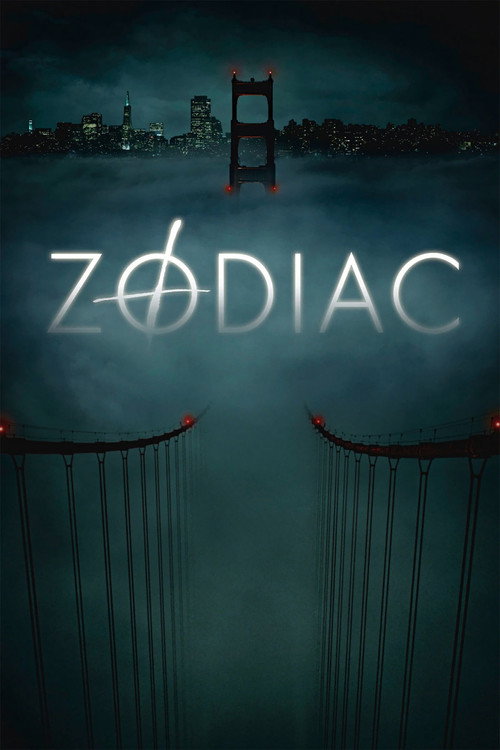
Zodiac2007
Fincher's obsessive procedural about hunting a killer mirrors the obsessive architecture of crime. Both films treat murder as a puzzle to be solved, dissecting the killer's logic with clinical precision and dark fascination.
But It's a three-hour slow burn that privileges detective work over plot momentum, and the ending offers no cathartic resolution or justice.
Memories of Murder2003
A masterwork about police investigation and the psychology of violence set against political upheaval. Like Jack Built, it's visually immaculate and explores the gap between appearance and monstrosity, refusing easy moral comfort.
But Deliberately ambiguous and unsettling, with an ending that will haunt and frustrate you. Some find it glacially paced.

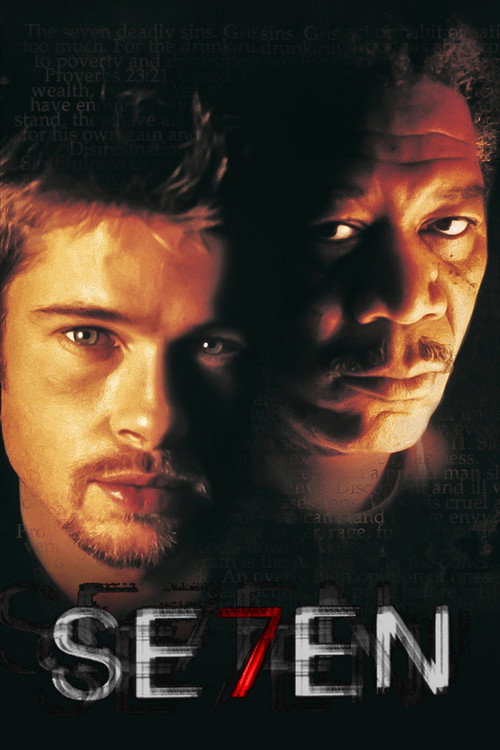
Se7en1995
A serial killer film where the killer's worldview is the actual subject. It shares Jack Built's interest in aestheticized violence and the killer's twisted philosophy, though with a tighter narrative and a brilliant ending.
But Relentlessly grim and nihilistic. The third act is punishing in ways some viewers find gratuitous rather than meaningful.
Not sure tonight? Get a pick in a minute, starting from The House That Jack Built
The wildcard
Something you would not have found on your own.
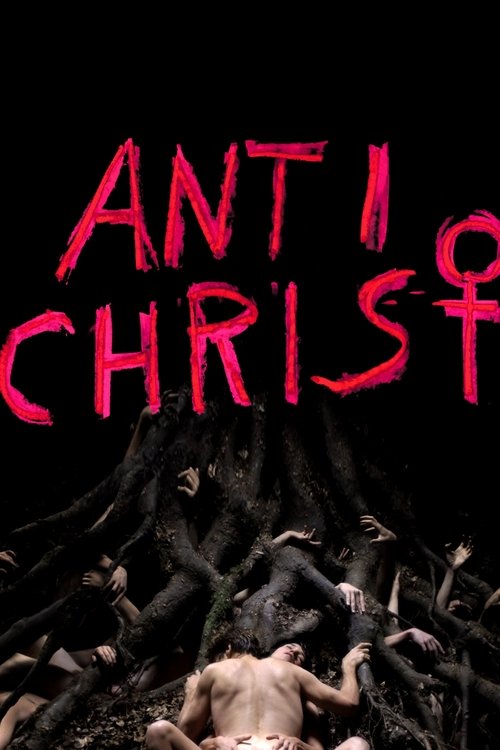
Antichrist2009
Same director, same formal philosophy: beauty as a weapon, transgression as honesty, the aesthetic elevation of the forbidden and unspeakable.
Von Trier's most extreme film, a descent into sexual grief and bodily horror. It shares Jack Built's willingness to make beauty from transgression and its treatment of the body as text. A masterwork by the same uncompromising mind.
But Explicit sexual content, graphic self-harm, and extreme body horror. It's deliberately abrasive and will alienate most viewers. Watching it requires accepting that von Trier is testing you.
More like this (7)
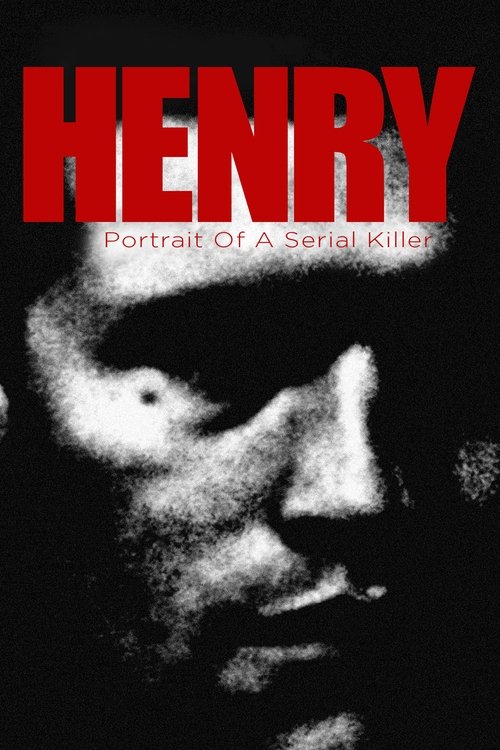
Henry: Portrait of a Serial Killer1986
An unflinching portrait of a killer as banal human being, not monster-genius. Shot in ugly, unglamorous video that refuses spectacle. Shares Jack Built's refusal to sanitize or moralize about its subject.
But Deliberately un-cinematic and ugly to watch. The murders are presented without stylization, which some find exploitative and genuinely hard to sit through.
Mulholland Drive2001
Another film about obsession, artistic aspiration, and the violence that can lurk beneath beautiful surfaces. Both are deeply architectural in how they construct meaning and trap you within a character's distorted worldview.
But Deeply fractured and abstract. If you haven't seen it, the narrative structure is deliberately disorienting, and it requires active interpretation rather than passive reception.

The Killing1956
Kubrick's heist film about a racetrack robbery has the same meticulous planning and architectural precision as Jack's murders. Both films are fascinated by the choreography of violence and the hubris of criminal genius.
But A 1950s film shot in black and white with a different pacing than modern cinema. The narrative unfolds in fragments rather than conventional sequence.

Suspiria1977
Argento's giallo masterpiece is visually operatic in its treatment of violence and horror. Like Jack Built, it's interested in style and composition as a form of meaning-making, treating murder as grotesque art.
But It's a deliberately artificial, dreamlike horror film where narrative coherence takes a backseat to atmosphere and visual composition. Some find it more style than substance.

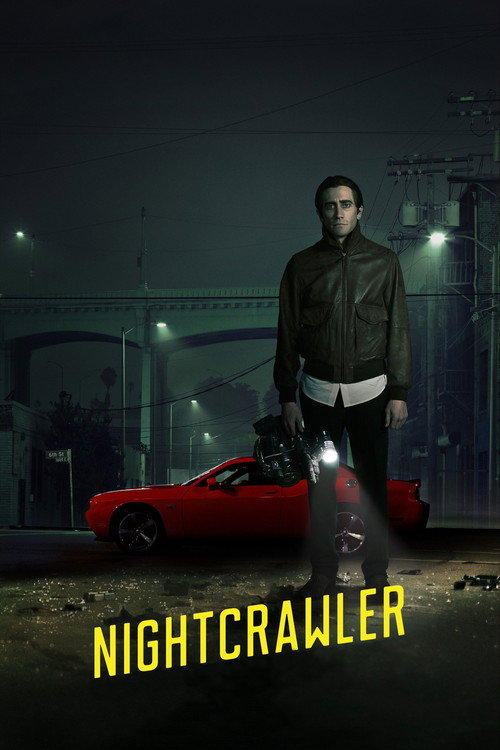
Nightcrawler2014
A portrait of a moral void embodied by a single driving figure. Jake Gyllenhaal's Lou is seductive precisely because he has no conscience, and the film tracks how he corrupts everyone around him through sheer will and charisma.
But More conventionally structured than Jack Built, which some may find it less formally adventurous, and its critique of media complicity can feel pointed rather than ambiguous.
Requiem for a Dream2000
Both are formally audacious films about obsession and mental architecture. They treat editing and composition as moral argument, not decoration. They demand you feel their structure, not just understand it.
Aronofsky's descent into addiction intercuts four lives falling apart with identical formal precision. Like Jack Built, it uses montage and visual repetition to create meaning through structure itself, making form inseparable from content.
But Extremely dark, physically taxing to watch, with a finale designed to crush hope entirely. The repetitive editing, while brilliant, becomes genuinely painful—that's intentional and some won't forgive it.

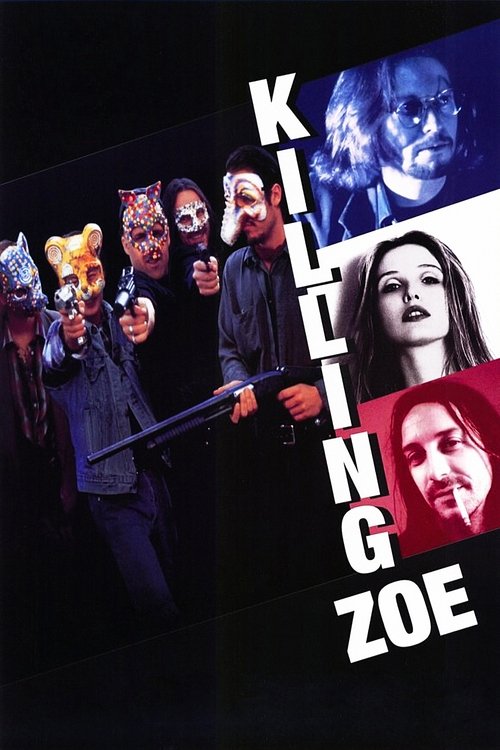
Killing Zoe1993
Both treat violence as a kind of dark artistry and refuse the viewer moral purchase. Both are interested in the psychology of those who see destruction as creative expression, not as evil.
A brutal, disorienting film noir about a heist that descends into violence and amoral chaos. It shares Jack Built's fascination with the aesthetics of transgression and its refusal to make violence palatable or morally legible.
But A deeply unpleasant 90s crime film with graphic violence and sexual assault. It's also narratively muddled and stylistically uneven, unlike Jack Built's surgical control. Feels exploitative rather than philosophical.
People
Cast
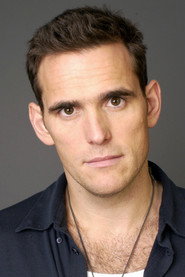 Matt DillonJack
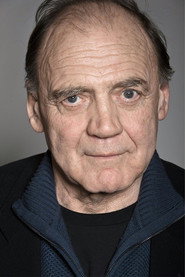 Bruno GanzVerge
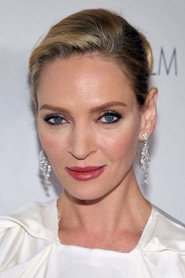 Uma ThurmanLady 1
 Siobhan Fallon HoganLady 2
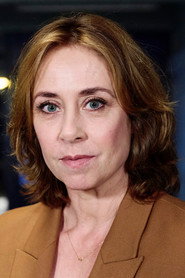 Sofie GråbølLady 3
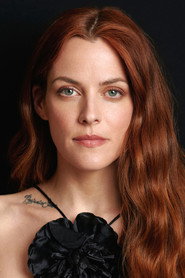 Riley KeoughSimple
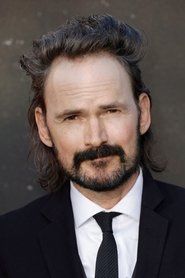
- Jack McKenzieSonny
- Mathias HjelmGlenn
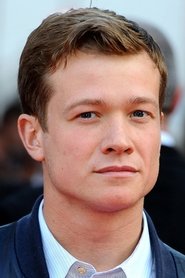 Ed SpeleersEd - Police Officer 2
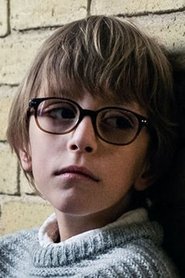 Emil TholstrupYoung Jack
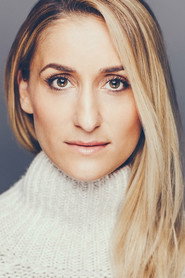 Marijana JankovićFemale Student
Directing
- Anders RefnAssistant Director
- Lars von TrierDirector
- Joakim HöglundFirst Assistant Director
- Christina Braun-BredeliusScript Supervisor
- Mette KjærgaardSecond Assistant Director
Writing
- Jenle HallundIdea
- Lars von TrierIdea
- Lars von TrierWriter
Production
- Ida HarderAssociate Producer
- Lasse Mucha AndersenAssociate Producer
- Avy KaufmanCasting
- Des HamiltonCasting
- Fredrik FornängerCasting
- Lara ManwaringCasting
- Elan JonesCasting Associate
- Jon GoracyCasting Associate
- Lucy AmosCasting Associate
- Bettina BrokemperCo-Producer
- Jonas BaggerCo-Producer
- Lizette JonjicCo-Producer
- Madeleine EkmanCo-Producer
- Marianne SlotCo-Producer
- Tine Grew PfeifferCo-Producer
- Charlotte PedersenExecutive Producer
- Leonid OgaryovExecutive Producer
- Peter Aalbæk JensenExecutive Producer
- Piv BernthExecutive Producer
- Thomas GammeltoftExecutive Producer
- Tomas EskilssonExecutive Producer
- Fredrik FornängerExtras Casting
- Maj-Britt PaulmannLine Producer
- Sascha VerheyLine Producer
- Christoffer HardingLocation Manager
- Louise VesthProducer
- Leslie MingResearcher