
Film
London Orbital
Iain Sinclair and Chris Petit drive the M25, that dreary orbital motorway that encircles London, hunting for myth, oddity, and overlooked beauty in the peripheral landscape. It's essayistic, digressive, funny without trying to be. For people who find the mundane magnetic, who believe stories hide in the margins, who think a motorway is never just a motorway.
If you liked this
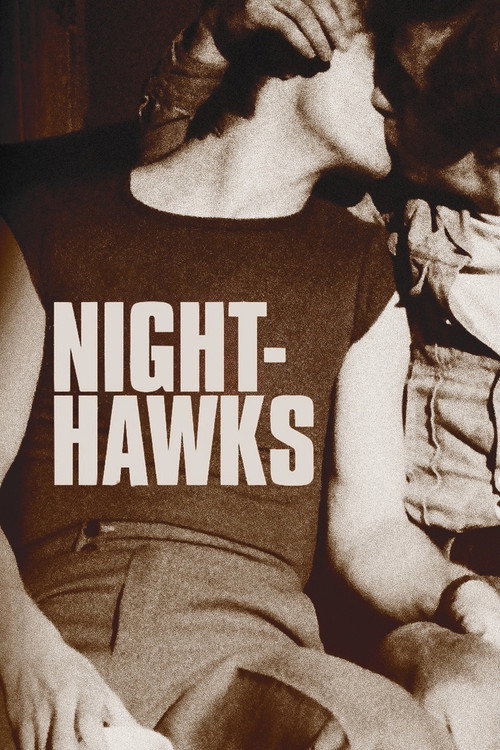
Nighthawks1978
Ron Peck's nocturnal documentary of London's nightlife and queer underground, shot with tenderness and unflinching honesty. The city observed in its secret hours, and the people living inside it.
But Grainy 16mm and a slow drift mean it requires patience. Not dramatic or plot-driven in any way.
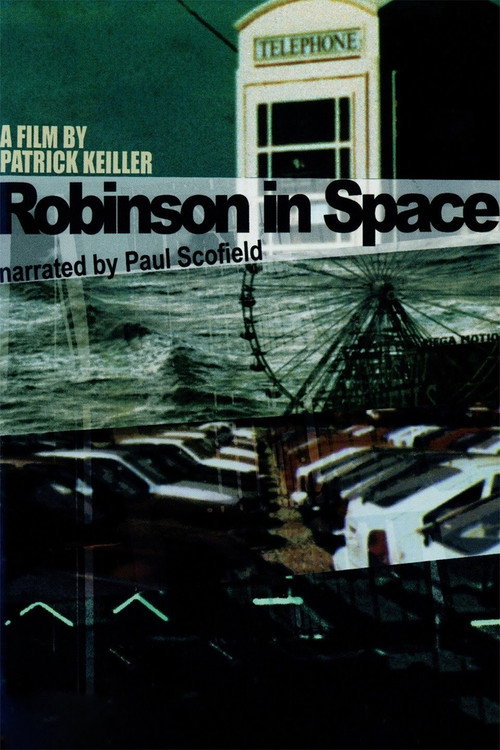
Robinson in Space1997
Patrick Keiller's essay-film about touring industrial England in search of its true character. Sardonic, erudite, obsessed with place and landscape. Spiritually twins with *London Orbital*.
But Academic tone and deliberately anti-visual compositional choices may feel wilfully difficult if you expect conventional documentary.
Road to Ninja: Naruto the Movie2012
Ukrainian directors drive the M7 freeway endlessly, collecting dashcam footage and conversations. Hypnotic, strange, a motorway as portrait of a place and its people. Same impulse as Sinclair: the journey is the point.
But Very long and structurally repetitive by design. Meditative rather than driven. Testing patience is almost the film's purpose.
Not sure tonight? Get a pick in a minute, starting from London Orbital
The wildcard
Something you would not have found on your own.
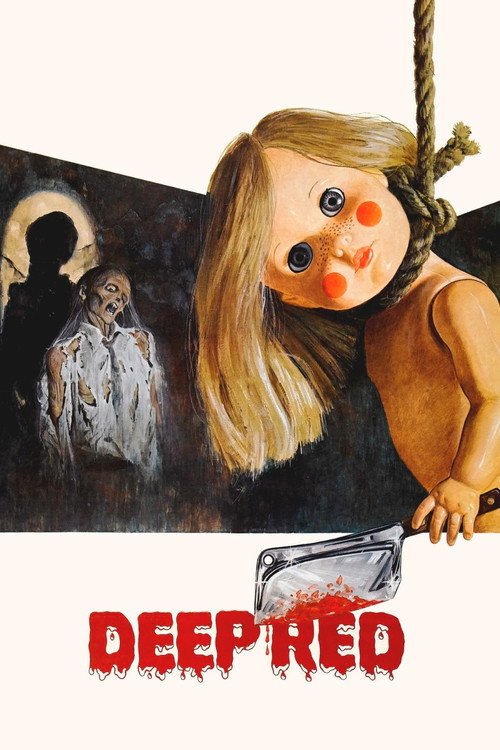
Deep Red1975
Both are paranoid obsessions with place; one maps it forensically, the other dissolves it into expressionist nightmare. Same anxiety about the city, expressed in opposite registers.
Argento's baroque, operatic giallo—Italian supernatural murder mystery. Surface-level: nothing like *London Orbital*. But both are essays in paranoia about place itself, both convinced the landscape is alive and dangerous and worth obsessing over endlessly.
But Violent, stylised, entirely pulp. If you approach *London Orbital* seeking earnest sociology, this inverts it into pure sensation and baroque dread.
More like this (5)
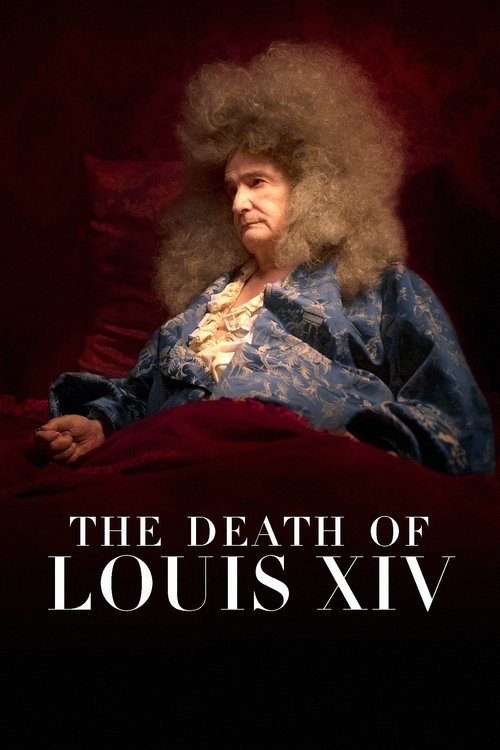
The Death of Louis XIV2016
Albert Serra's obsessive, digressive study of a dying king. Colour-saturated, aesthetically strange, concerned with the granular details of place and ritual rather than plot. Singular vision.
But Willfully artificial and oblique. Plot barely exists. If you want narrative momentum, look elsewhere entirely.
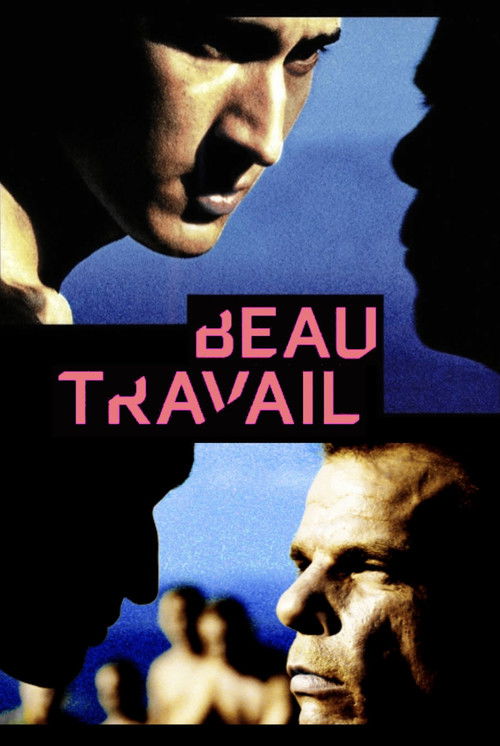
Beau Travail2000
Claire Denis films the French Foreign Legion in Djibouti with a dancer's eye for movement and space. Essayistic, digressive, more about landscape and body than story. Sublimely oblique.
But No conventional narrative or dramatic arc. Abstract and imagistic in ways that frustrate conventional viewing.
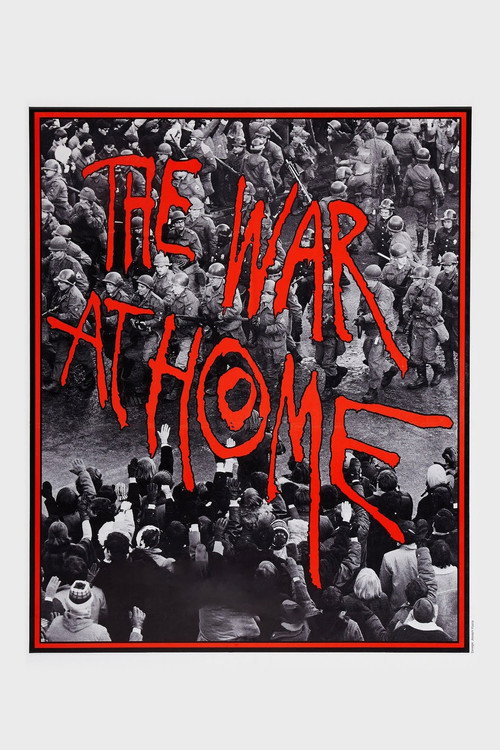
The War at Home1979
Glenn Silber and Barry Alexander Brown's collaged documentary about Madison, Wisconsin during the Vietnam War. Fragmented, essayistic, built from found materials and disparate voices. A place examined at an angle.
But Non-linear assembly and lack of obvious thesis can feel muddled. Requires active interpretation from the viewer.
Synecdoche, New York2008
Both grapple with the impossibility of capturing a place whole. Sinclair circles the M25; Hoffman tries to rebuild New York. Both discover that the city always escapes the frame.
Philip Seymour Hoffman as an artist building a 1:1 replica of New York inside a warehouse. Chaotic, hilarious, devastating. An essayistic spiral about place, scale, and the madness of trying to truly know a city.
But Deliberately difficult and formally fractured. Doesn't follow logic and ends in controlled chaos. Emotionally exhausting by design.

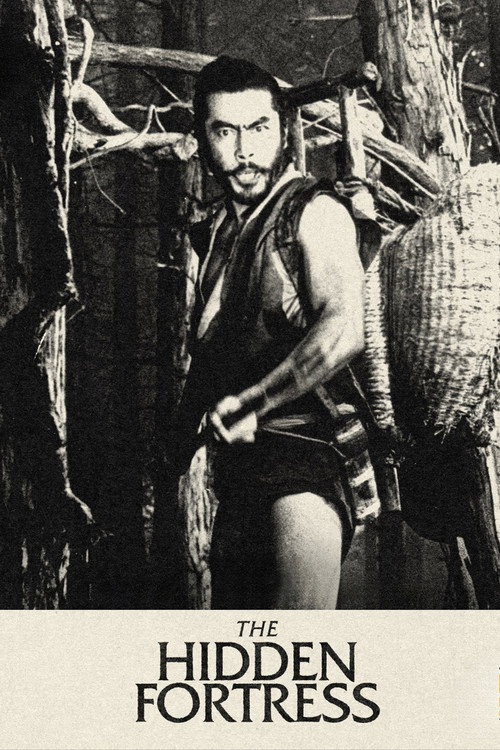
The Hidden Fortress1958
Both are journeys through landscape where the peripheral detail matters more than plot. Both let the terrain and the margins tell the story. The form itself is the argument.
Kurosawa's picaresque samurai film, structured as a journey through landscape with two bumbling observers watching from the margins. The high adventure of moving through territory, told from below. Totally different world, identical structural DNA.
But 1950s samurai cinema with subtitles and a formal distance from modern sensibilities. The central story is secondary to the peripheral watching, which baffles viewers wanting clear narrative.
People
Cast
 J.G. BallardSelf
Directing
- Chris PetitDirector
- Iain SinclairDirector