Television series
Maigret
Other titles called Maigret: the 1960 series (BBC One).
- Police procedural
- Detective mystery
- Slow-burning
- Dip in and out
Michael Gambon's Maigret is a procedural rooted in patience and psychology rather than forensics. The French detective works by watching, listening, and understanding people until the guilty break under the weight of their own knowledge. It's methodical, atmospheric, and deeply humane—crime fiction for people who prefer character to spectacle.
If you liked this
Prime Suspect1991
Helen Mirren's Detective Jane Tennison uses relentless interrogation and psychological insight to solve murders in 1990s London. Like Maigret, she reads people obsessively, understanding that confession comes from exhaustion and truth.
But The tone is bleak and the pacing glacial. If you need action or quick resolutions, this will feel like watching paint dry.

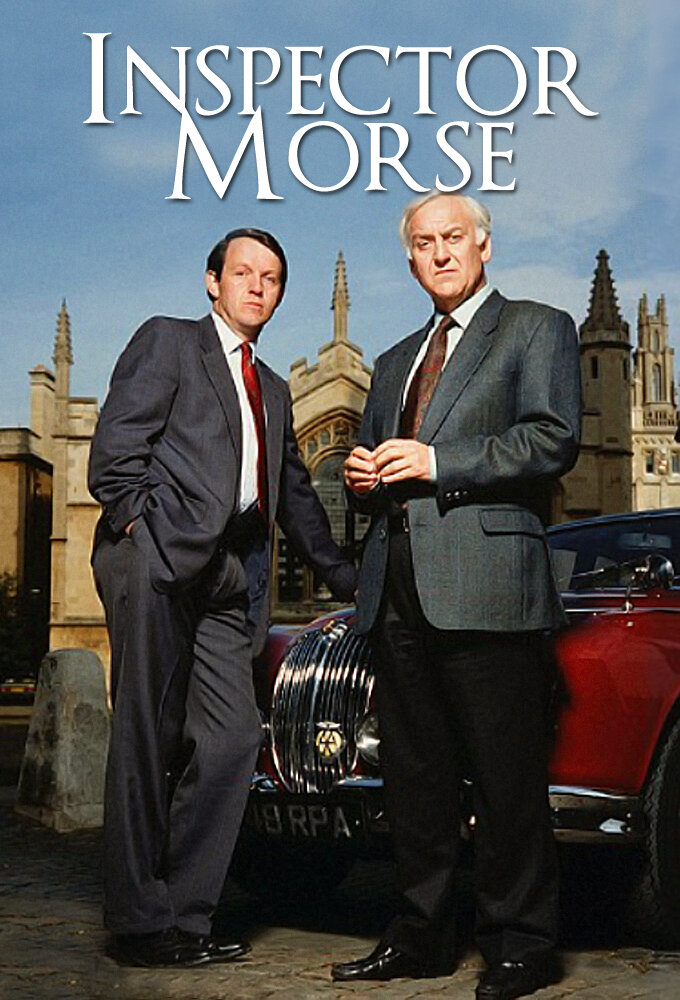
Inspector Morse1987
John Thaw's Inspector Morse is erudite, intuitive, and solves cases by understanding motive rather than forensic detail. Both detectives are cerebral men who see what others miss.
But The earlier episodes can feel repetitive, and Morse's personal life occasionally overwhelms the mystery itself.
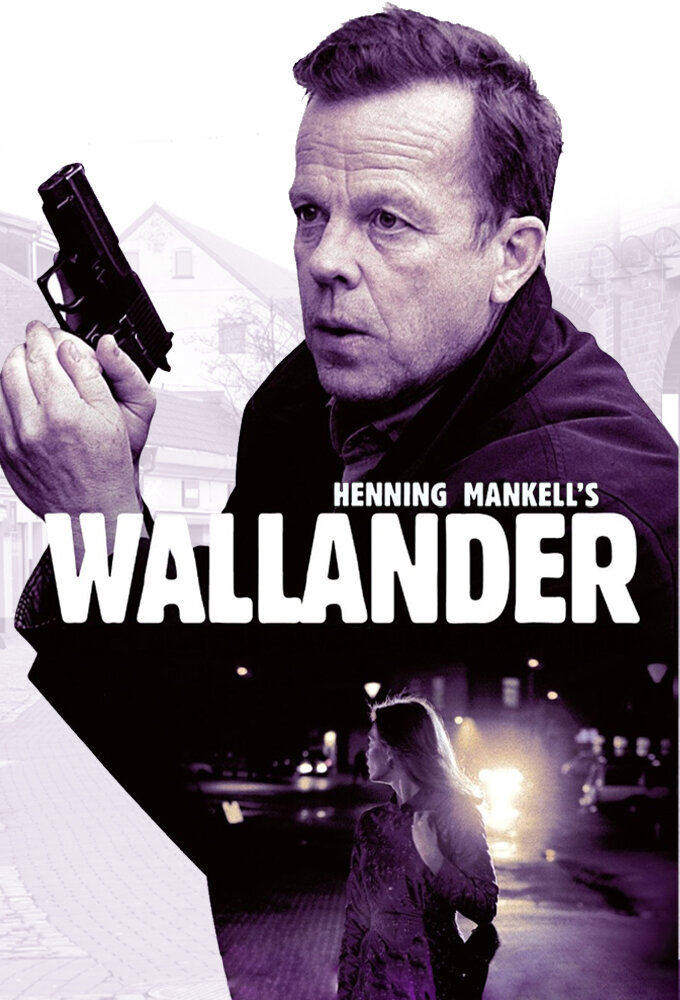
Wallander2006
Kenneth Branagh's Wallander is a brooding Swedish detective who gets inside the heads of killers. Like Maigret, he works through observation and empathy, treating suspects as broken people rather than puzzles.
But It's relentlessly dark and often depressing. There's little levity, and some cases end without catharsis.
Not sure tonight? Get a pick in a minute, starting from Maigret
The wildcard
Something you would not have found on your own.
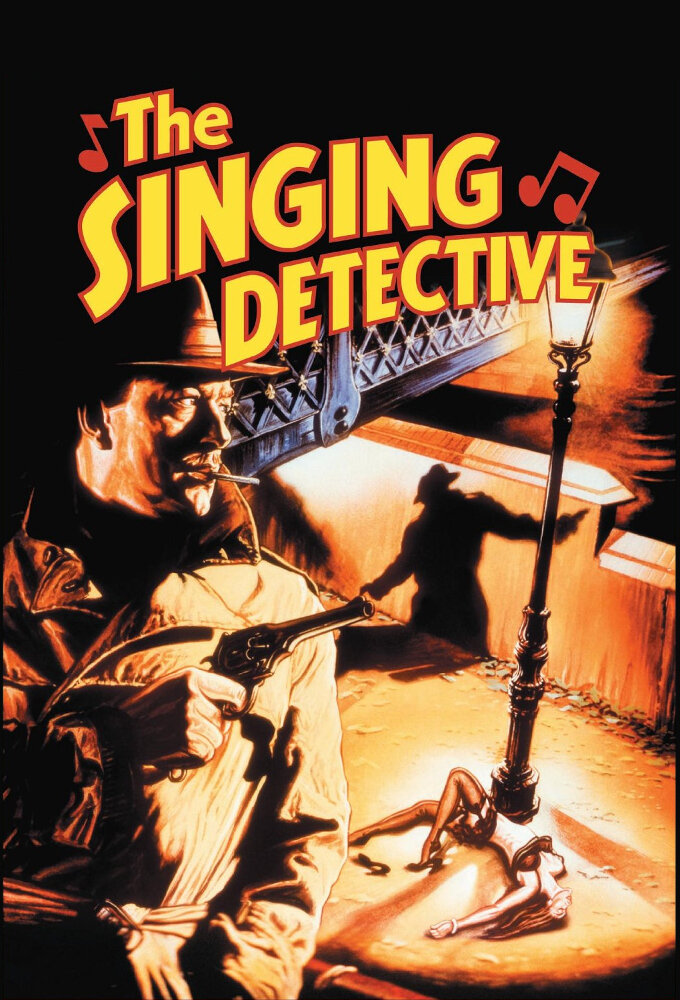
The Singing Detective1986
Both hinge on a detective reconstructing truth from human confession and observation, but Potter destroys the form itself to do it—surrealism where Maigret is realism.
Dennis Potter's masterpiece is a detective mystery that dissolves into fever dream, memory, and music. A noir-obsessed bedridden man solves his own past through fragments and interrogation. It's utterly original and hypnotic.
But The narrative doesn't work like conventional crime drama—it's fractured, sometimes incomprehensible, and demands patience with ambiguity and form.
More like this (7)
Cagney & Lacey1982
Two New York detectives work methodically through cases using street smarts and psychological acuity. The procedural backbone is solid, and the character work is as important as the mystery.
But The 1980s production values show their age, and some cases resolve too neatly compared to real police work.

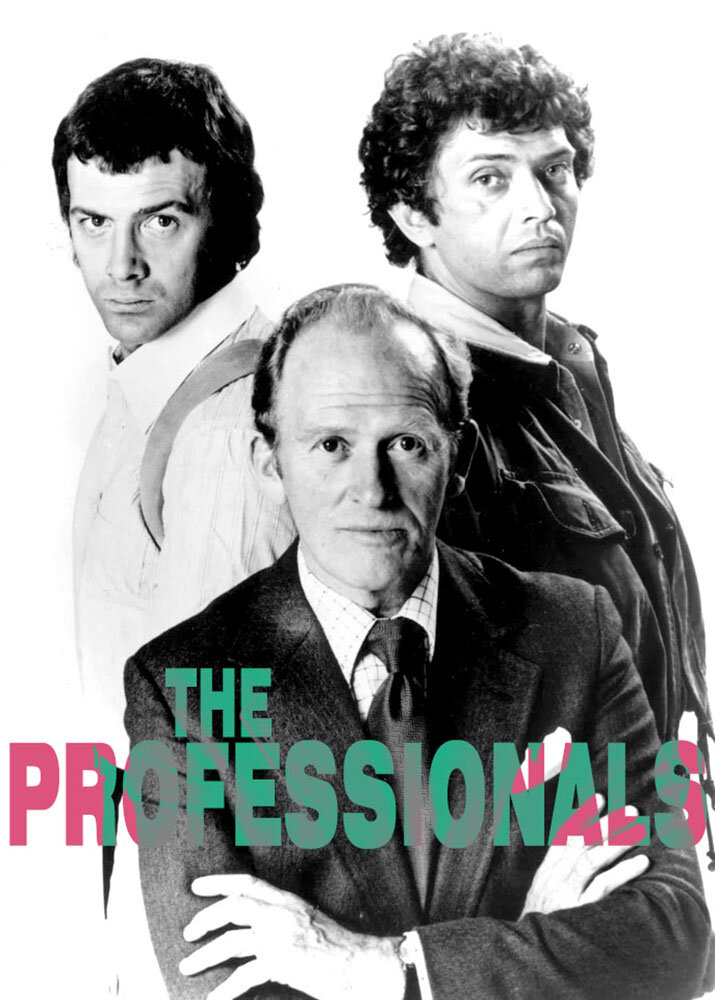
The Professionals1977
Bodie and Doyle are intelligence agents who solve cases through meticulous tradecraft and reading human behavior. The focus on method over action mirrors Maigret's philosophical approach.
But It's a 1970s British spy show, so the pacing is deliberate to the point of lethargy for modern viewers.
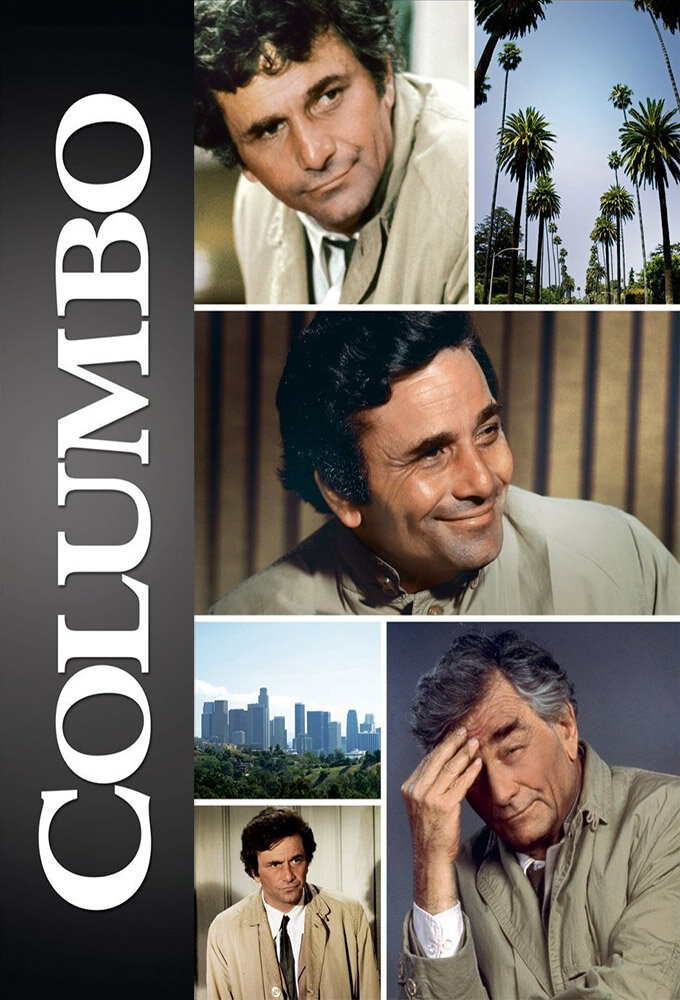
Columbo1968
Peter Falk's Lieutenant Columbo catches killers not through forensics but by understanding guilt and working suspects until they confess. The structure is inverted—we know the killer—but the psychological game is identical to Maigret's.
But The formula becomes obvious after a few episodes. If you're allergic to repetition, even clever repetition, move on.
Tinker Tailor Soldier Spy2011
Gary Oldman's George Smiley hunts a Soviet mole through patience, observation, and understanding human weakness. It's spy fiction built entirely on watching people and piecing together motive.
But It's glacially paced and demands your full attention. There are no action scenes, and if you're unfamiliar with Cold War espionage, it can feel deliberately obscure.

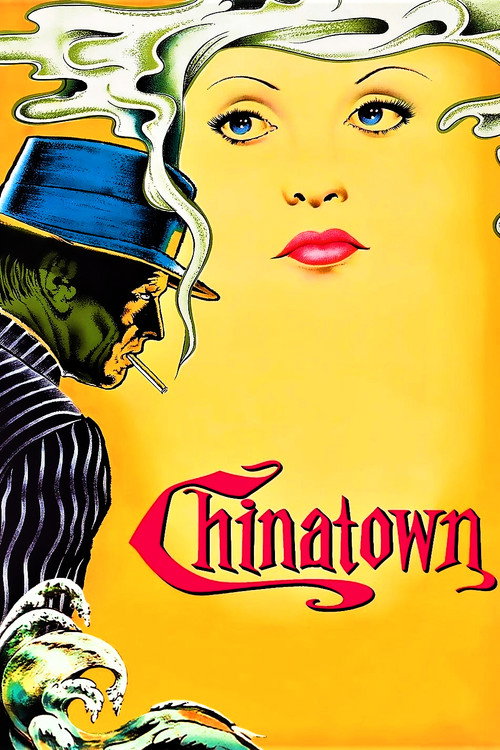
Chinatown1974
Jack Nicholson's private detective works through observation and conversation, learning how to read people and city corruption. It's a masterclass in noirish detective work rooted in human nature.
But The plot becomes baroque and sometimes opaque. The ending is bleak in a way that can feel nihilistic rather than revelatory.
The Night Manager2016
Tom Hiddleston and Hugh Laurie in a slow-burn spy thriller where the real game is understanding motive and manipulating human behavior. Le Carré's world of patient intelligence work.
But It's a miniseries stretched across six hours, and some viewers find the psychological games more interesting than the plot mechanics.

Memories of Murder2003
Structurally identical to Maigret—detective work through observation and psychological pressure—but Memories of Murder asks whether that method is justice or just another violence.
Bong Joon-ho's Korean masterpiece about detectives hunting a serial killer is procedural obsession taken to its limit. Two investigators work through interrogation, reading people, watching suspects—but their certainty destroys lives. Maigret's method becomes moral nightmare.
But It's long, deliberately paced, and the ending refuses catharsis. It's also deeply unsettling in ways that crime procedurals usually aren't.