
Film
Tess of the D'Urbervilles
Other titles called Tess of the D'Urbervilles: the 2008 series (BBC One).
- Period drama
- Tragic romance
- Very dark
Hardy's tragedy of a woman destroyed by circumstance and male desire. Justine Waddell gives a luminous, anguished performance as Tess, caught between two men who love her ruinously. This 1998 adaptation is visually ravishing and emotionally unsparing—three hours that feel inevitable, like watching someone you care about walk toward a cliff you cannot stop.
Should you watch it?
Watch it if you want a slow, unhurried panorama of rural hardship where fate feels like patient weather, and you would rather sit with a young woman's stubborn principles than be hurried toward plot.
Skip it if the three-hour running time is a real commitment for a 1998 TV production, and its pace is deliberate enough that the bleakness can feel relentless rather than cathartic.
What it asks of you: Three hours at a measured pace, with long landscape shots and little comic relief; it lingers on hardship, so clear a full evening and settle in.
Not sure? Find tonight's pick in a minute.
If you liked this
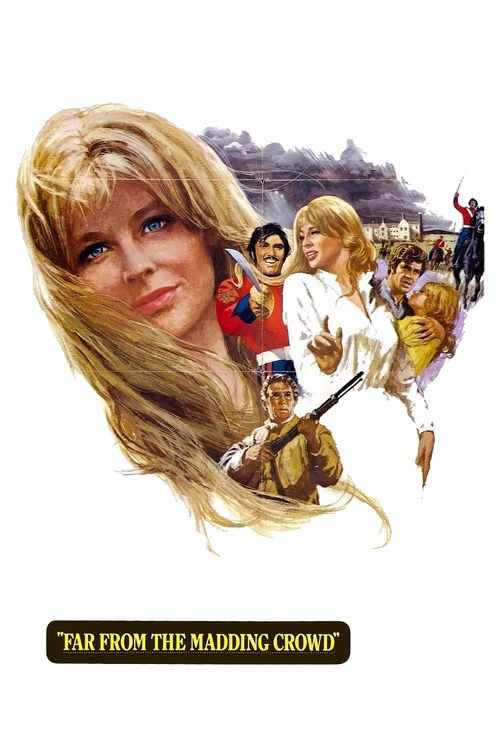
Far from the Madding Crowd1967
Julie Christie in another Hardy adaptation, equally lush and tragic. Bathsheba Everdene is Tess's spiritual sister—a woman whose independence becomes the thing that destroys her, caught between three men's versions of love.
But The 1967 colour palette and pacing feel very much of their era. Some find the melodrama overwrought rather than moving.
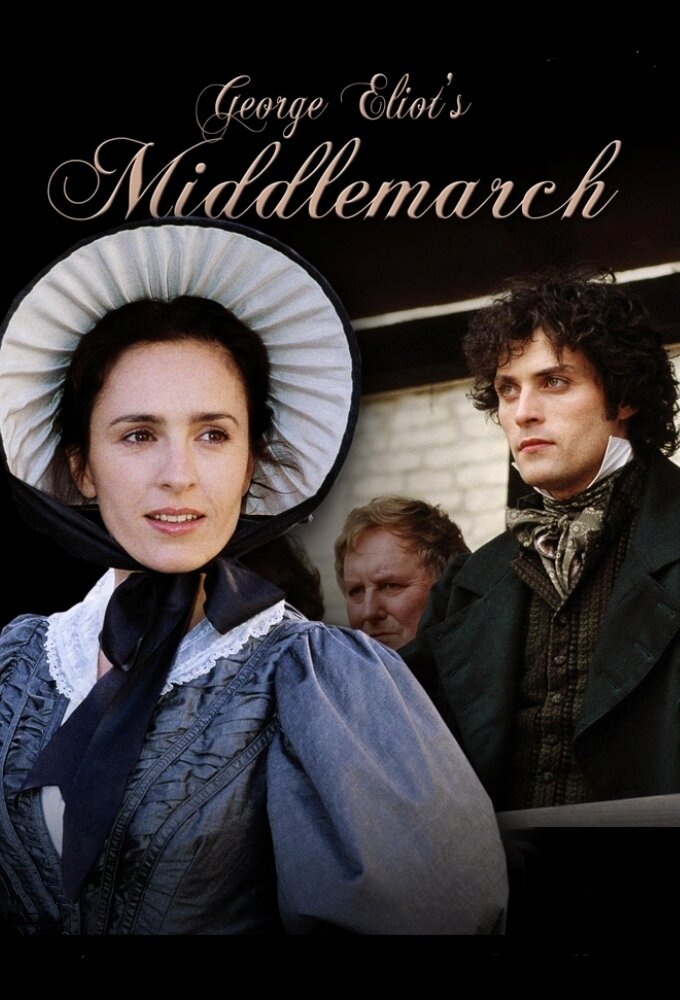
Middlemarch1994
George Eliot's equivalent epic about multiple lives crushed by circumstance and poor choices. Four hours of BBC drama so intelligent and perfectly cast you forget you're watching television. Similar moral universe.
But More intellectually demanding. The focus is diffuse—no single tragic figure. Some find it too novelistic, not cinematic enough.
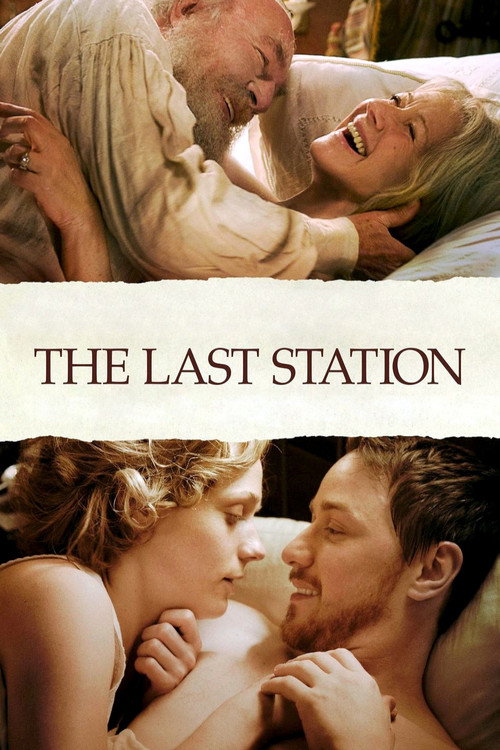
The Last Station2009
Not Hardy, but the same era's preoccupations with passion, morality, and the cost of desire. Tolstoy's final days, beautifully shot, with Christopher Plummer at his finest.
But Much quieter than Tess. The tragedy is internal, philosophical. If you came for passion and melodrama, you'll find restraint instead.
Not sure tonight? Get a pick in a minute, starting from Tess of the D'Urbervilles
The wildcard
Something you would not have found on your own.
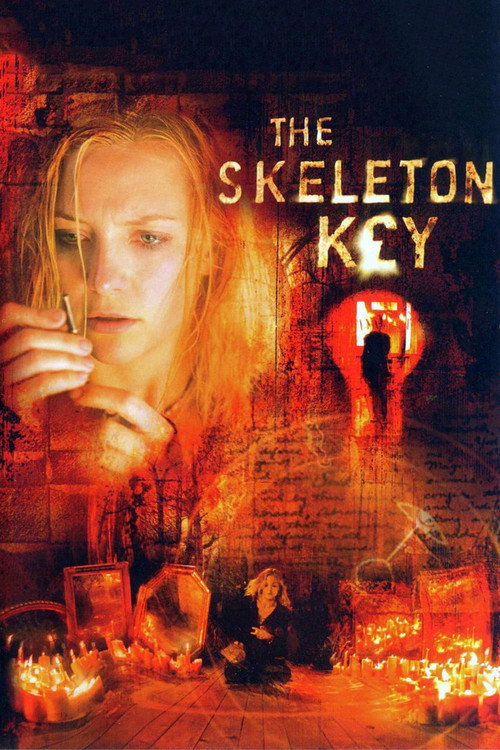
The Skeleton Key2005
Both are about innocence destroyed by a world indifferent to fairness. Both use landscape and visual composition to show destiny as inescapable. Both are filmed like they're already tragic memory.
A Czech-made fairy tale about a peasant girl trapped by poverty and desire. Shot in ravishing black and white, it shares Tess's fatalism and visual poetry but approaches the same tragedy through myth rather than realism.
But Subtitled, in Czech, from 1948. The pacing is hypnotic rather than fast. You're watching a fable, not a plot that moves.
More like this (7)
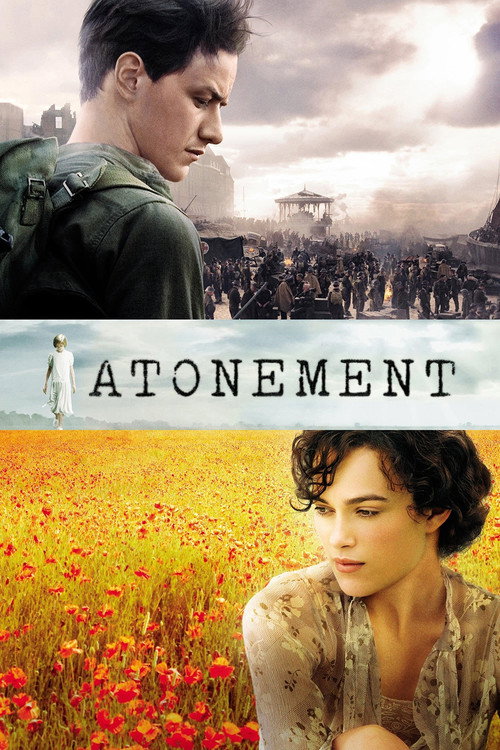
Atonement2007
A young woman's false accusation destroys lives across decades. Like Tess, it's about how one moment—one lie, one act—spirals into tragedy no one can undo. Visually stunning and emotionally devastating.
But The twist divides people sharply. Some feel it undermines what came before; others think it's brilliant. Either way, it's divisive.
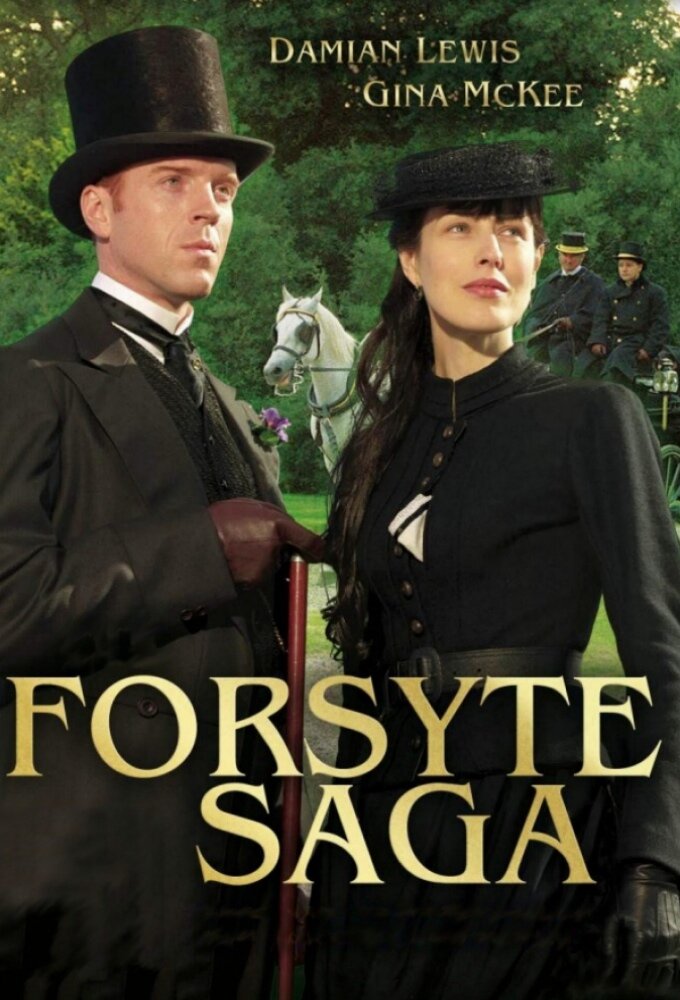
The Forsyte Saga2002
Galsworthy's multigenerational portrait of desire, property, and moral compromise. More soap-operatic than Hardy but with the same unflinching examination of how love and possession destroy people.
But Sprawling and episodic. Requires patience and investment across multiple hours. Some characters are genuinely dislikeable in ways that frustrate rather than fascinate.
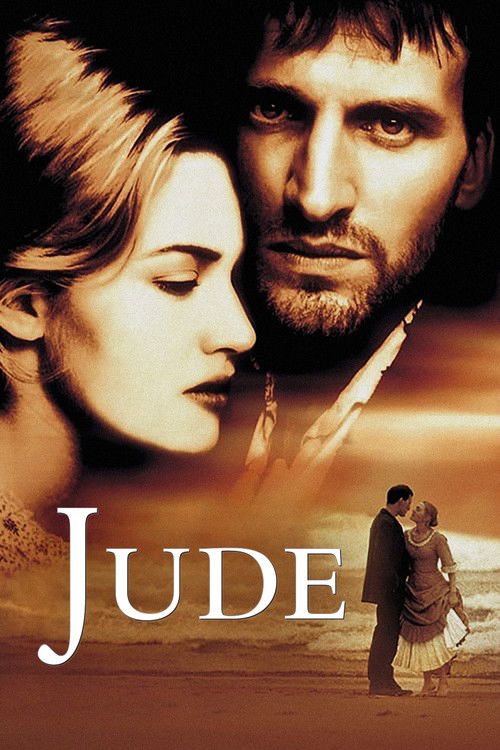
Jude1996
Christopher Eccleston in Hardy's bleakest novel. About ambition, desire, and the systematic crushing of hope. Raw, painful, and absolutely uncompromising in its pessimism.
But Relentlessly grim. There is almost no warmth or hope offered anywhere. Some find it nihilistic rather than tragic.
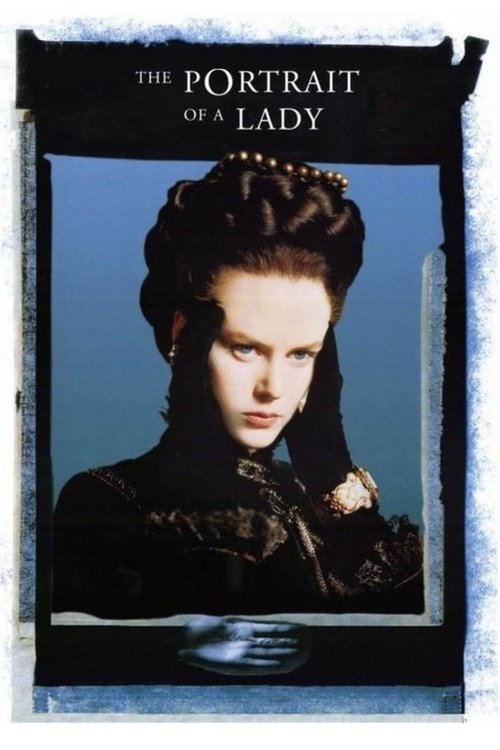
The Portrait of a Lady1996
Nicole Kidman as Isabel Archer, a woman undone by her own choices and the men around her. Henry James instead of Hardy, but the same anatomy of female vulnerability and male predation.
But Slower and more introspective than Tess. The tragedy is psychological rather than visceral. Some find it overly composed, lacking urgency.
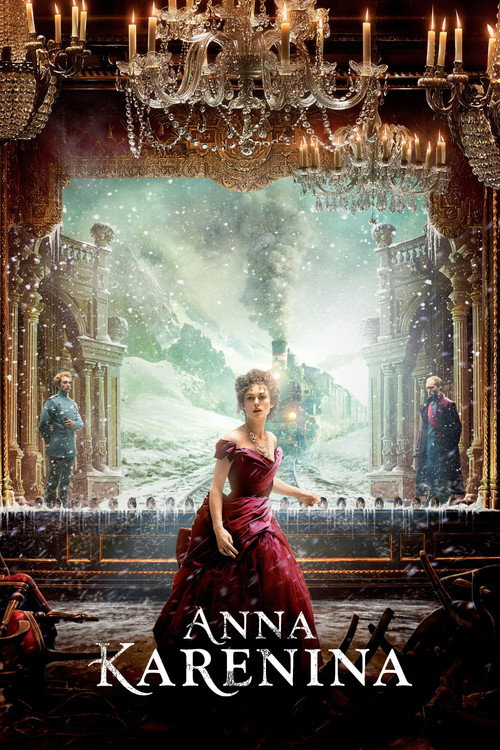
Anna Karenina2012
Keira Knightley in Tolstoy's ultimate tragedy of desire. A woman destroyed by passion and social circumstance, with production design that's almost too beautiful. The same terrible momentum as Tess.
But The theatrical framing device is distracting and pretentious to some. The film is visually maximalist in a way that can overwhelm the story.
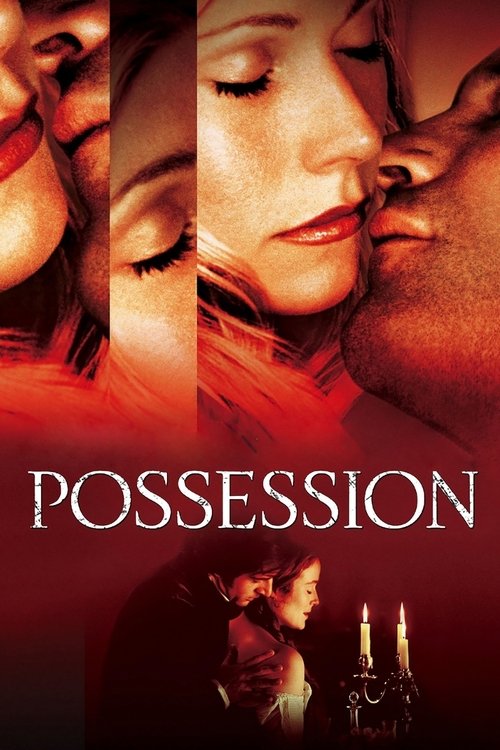
Possession2002
Both are about how the past reaches into the present. Both show that the particular pain of literature (and love) is that it repeats itself. Both suggest that knowing a story doesn't let you escape it.
A contemporary story that mirrors Victorian romance's architecture: two couples separated by a century, both destroyed by the same forces of desire and secrecy. Intellectually clever but never cold—it genuinely moves you.
But The framing structure splits attention. The contemporary couple is less interesting than the Victorian one. Some find the multiple timelines confusing.
The Turin Horse2011
Both believe in fate absolutely. Both show characters trying to hold onto dignity and love in a universe that crushes both. Both are filmed as beautiful elegy for the doomed.
Béla Tarr's apocalyptic black-and-white film about the end of the world. Not tragedy but something colder—the slow erasure of everything. Hardy's determinism taken to its logical extreme.
But Intentionally bleak and formalist. No plot in the traditional sense. 146 minutes of decay and silence. This is art-house cinema at its most uncompromising.

People
Cast
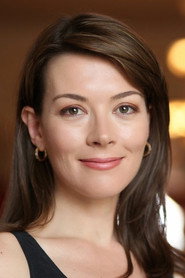 Justine WaddellTess Durbeyfield
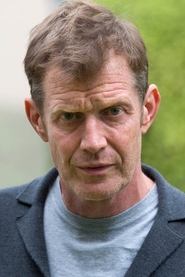 Jason FlemyngAlec D'Urberville
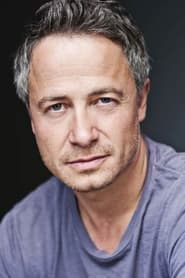 Oliver MilburnAngel Clare
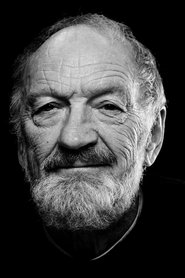 John McEneryJack Durbeyfield
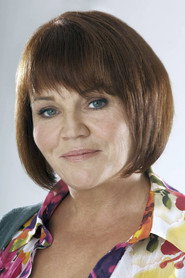 Lesley DunlopJoan Durbeyfield
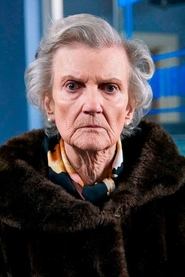 Rosalind KnightMrs. D'Urberville
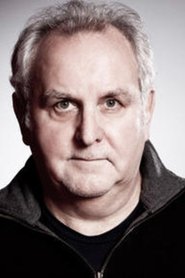 Anthony O'DonnellCrick
- Christine MooreMrs. Crick
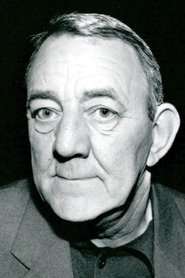 Bryan PringleKail
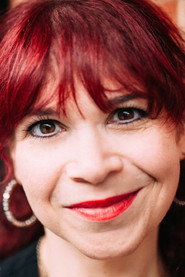 Debbie ChazenMarian
- Candida RundleIzzy
- Amanda BrewsterRetty
Directing
- Ian SharpDirector
- Cliff LanningFirst Assistant Director
Writing
- Thomas HardyNovel
- Ted WhiteheadWriter
Production
- Delia FineExecutive Producer
- Sally HeadExecutive Producer
- Sarah WilsonProducer
Recommended by
Sanditon, Belgravia, The Positively True Adventures of the Alleged Texas Cheerleader-Murdering Mom, Under the Greenwood Tree, The Mayor of Casterbridge