
Film
The Mayor of Casterbridge
- Drama
- Very dark
A 1921 silent adaptation of Hardy's darkest novel, tracking a man's vertiginous fall from mayor to nothing. It's stately and theatrical, shot through with genuine tragedy and the formal beauty of early cinema. Made for anyone who loves how extreme consequences can spring from a single moment of weakness, and how time can transform remorse into something almost worse.
If you liked this
Tess of the D'Urbervilles1998
Polanski's version of Hardy's other masterpiece, equally unsparing about fate and social cruelty. Nastassja Kinski is extraordinary, and the film earns every moment of its emotional devastation without sentiment.
But It's long, formally cold, and ends in tragedy so complete it can feel punitive rather than cathartic.
Greed1924
Von Stroheim's contemporary epic about obsession, greed, and the American dream curdling into nightmare. Visually inventive, narratively sprawling, and as merciless as Henchard's own arc. Operates at the same moral register as silent Hardy.
But Erich von Stroheim's pacing is glacial, and the print available is incomplete—you're always watching a wound-down version of what he intended.
The Phantom Carriage1921
Swedish masterwork made the same year as Casterbridge: a man confronts his cruelty through supernatural intervention. Visually dazzling, genuinely moving, and preoccupied with how the past refuses to stay buried.
But The supernatural element can feel overwrought to modern viewers; patience with early cinema's moral-parable logic is required.

Not sure tonight? Get a pick in a minute, starting from The Mayor of Casterbridge
The wildcard
Something you would not have found on your own.
The Bandit1953
Structure and mood rather than plot: both follow men watching their power erode across years, surrounded by people they've wronged, unable to alter the trajectory they've set in motion. Both filmmakers understand that consequence is not morality play—it's just what follows.
Brazilian outlaw film, gorgeously shot, tracking a bandit gang's dissolution through betrayal and duty. Made in a completely different tradition but animated by the same fatalism: a man's earlier choices produce geometrically escalating ruin. Extraordinary discovery.
But In Portuguese, rare in circulation, and shot through with violence that's matter-of-fact rather than dramatic. Not easy to find or easy viewing.
More like this (7)
Broken Blossoms or The Yellow Man and the Girl1919
Griffith's quiet, aching film about social cruelty and impossible love. Shot through with tenderness and tragedy. If you want early cinema that understands how damage compounds over time, this is it.
But The yellowface casting is indefensible; the pacing is genuinely glacial even for silent film.
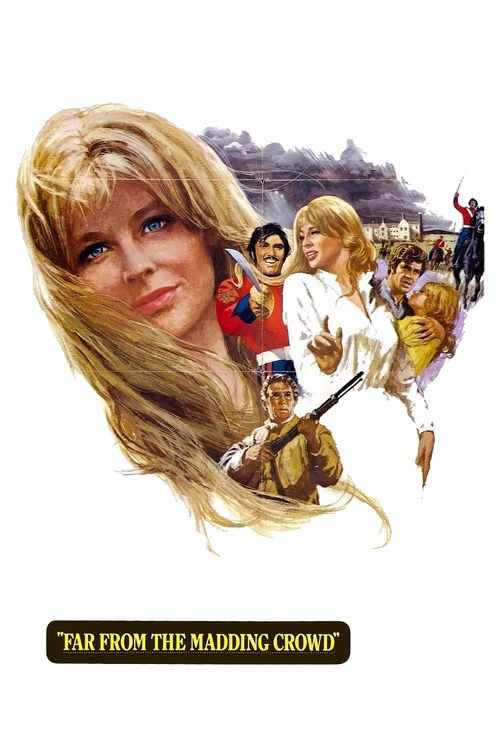
Far from the Madding Crowd1967
Schlesinger's vivid, energetic adaptation of another Hardy novel—lighter in tone than Henchard but equally concerned with how character is destiny. Julie Christie commands the screen, and the Wessex landscape feels lived-in.
But It softens Hardy's harsher edges; if you want unflinching tragedy, this isn't quite it.
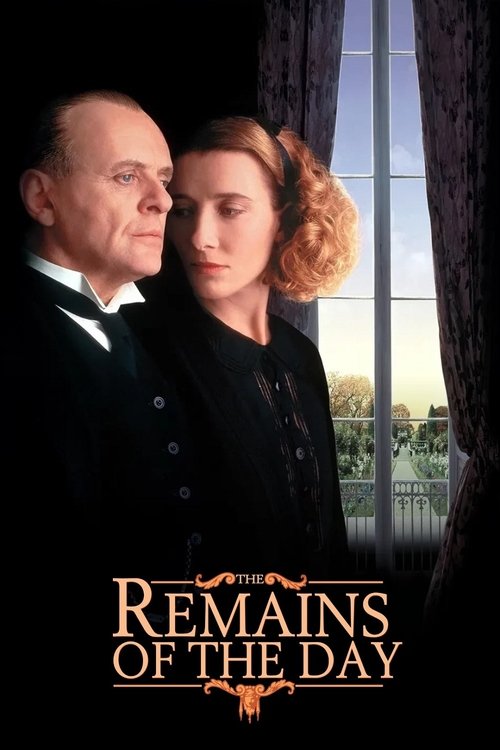
The Remains of the Day1993
A man looks back on a life of servitude and self-denial with rising horror at what he's sacrificed. Ivor Ishiguro and Merchant-Ivory catch something essential about regret without melodrama. Stevens' quietness is devastating.
But It's deliberately understated—some find the restraint cold rather than moving.
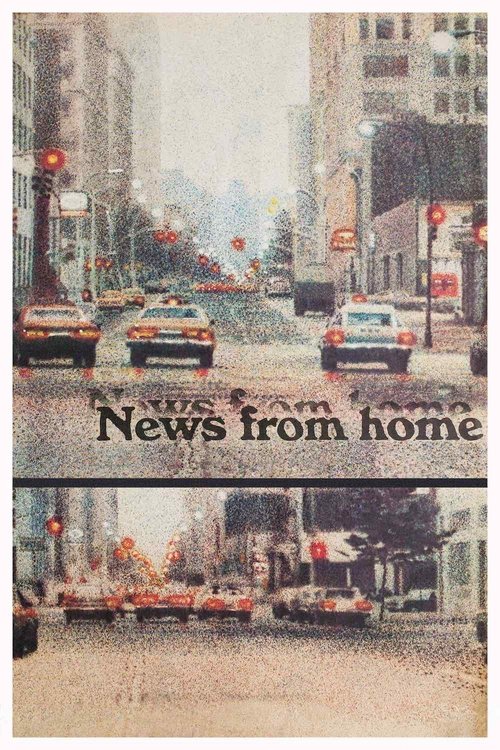
News from Home1976
Chantal Akerman reads her mother's letters over footage of New York. Not narrative cinema, but a profound meditation on estrangement, time, and how we become strangers to those closest to us.
But This is experimental and punishing; if you want plot or conventional emotional beats, you'll be frustrated immediately.
The Leopard1963
Visconti's operatic masterpiece about a man watching his world collapse into modernity. Themes of fall, irrelevance, and the impossibility of holding back time. Beauty and doom in equal measure.
But Nearly three hours, in Italian, shot in Technicolor so rich it drowns out narrative momentum for some viewers. Not brisk.

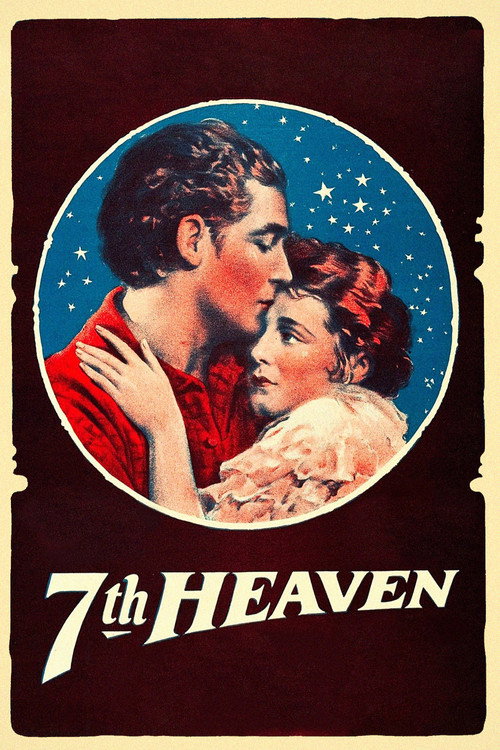
7th Heaven1927
Borzage's romantic drama about a street sweeper's redemption through love. Technically it's in dialogue with Henchard—the man broken by circumstance—but far more hopeful. Worth it for the contrast alone.
But The sentimentality is aggressive, and if you're in the mood for Hardy's worldview, hope can feel naïve.
The Turin Horse2011
Both present worlds in which the architecture of society is crumbling and human agency is almost illusory. Tarr absorbs Hardy's fatalism and expands it into metaphysics—what happens when the wheel simply stops turning.
Béla Tarr's final film, set in the wreckage of a man's life—apathetic, repetitive, drained of meaning. It's apocalyptic Hardy: a world collapsing into silence and cold. Shot in black and white, almost abstract in its misery. Simultaneously one of the bleakest and most beautiful films ever made.
But This is slow cinema at its most radical; nothing happens, dialogue is sparse, and the mood is end-of-everything. If you need plot, do not start this.

People
Cast
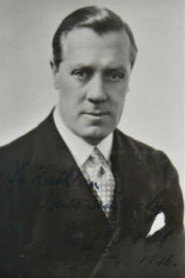 Fred GrovesMichael Henchard
- Pauline PetersSusan Henchard
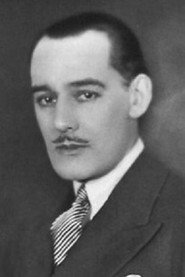 Warwick WardNewson
- Nell EmeraldThe Furmity Woman
- Mavis ClairElizabeth Jane
Directing
- Sidney MorganDirector
Writing
- Thomas HardyNovel
- Sidney MorganScreenplay