Television series
Daniel Deronda
A sweeping Victorian melodrama about a gentleman caught between an aristocratic woman in financial ruin and a Jewish singer who awakens his conscience. Eliot's densest novel becomes television that luxuriates in moral complexity and the quiet devastation of bad marriages. It's for anyone who loves Austen but wants something darker, where money matters and nobody gets the ending they want.
Should you watch it?
Watch it if you love slow-burning Victorian novels of manners, where the drama lives in moral quandaries, social pressure and what people choose not to say.
Skip it if you want brisk plotting or a quick hit, since four hour-long episodes still move at a deliberate, talky pace and rely on long conversations and restrained glances.
What it asks of you: Four one-hour episodes, so a short commitment, but you need patience with formal dialogue and emotional restraint, and little in the way of spectacle to carry you forward.
Not sure? Find tonight's pick in a minute.
If you liked this
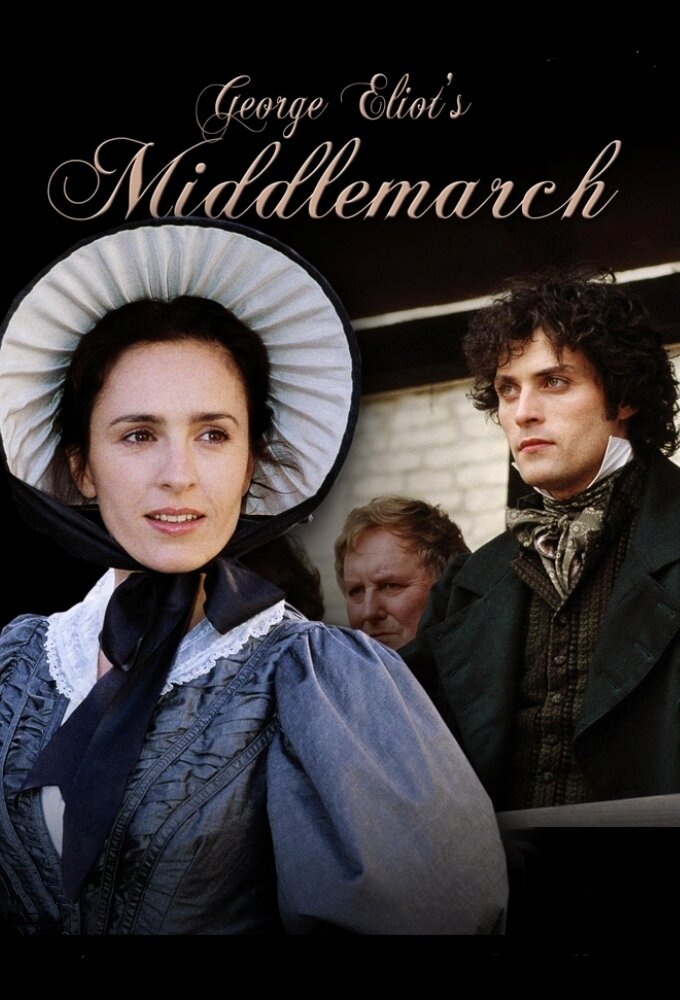
Middlemarch1994
The BBC's other George Eliot adaptation, equally intricate and interlocking. Four stories collide in a provincial town: a doctor's idealism, a clergyman's crisis, a banker's ambition, a scholar's obsession. It's grander in scope but just as piercing about what we owe each other.
But At nearly five hours across four episodes, it demands patience. The pace is deliberate, almost glacial, and none of the characters get what they think they want.
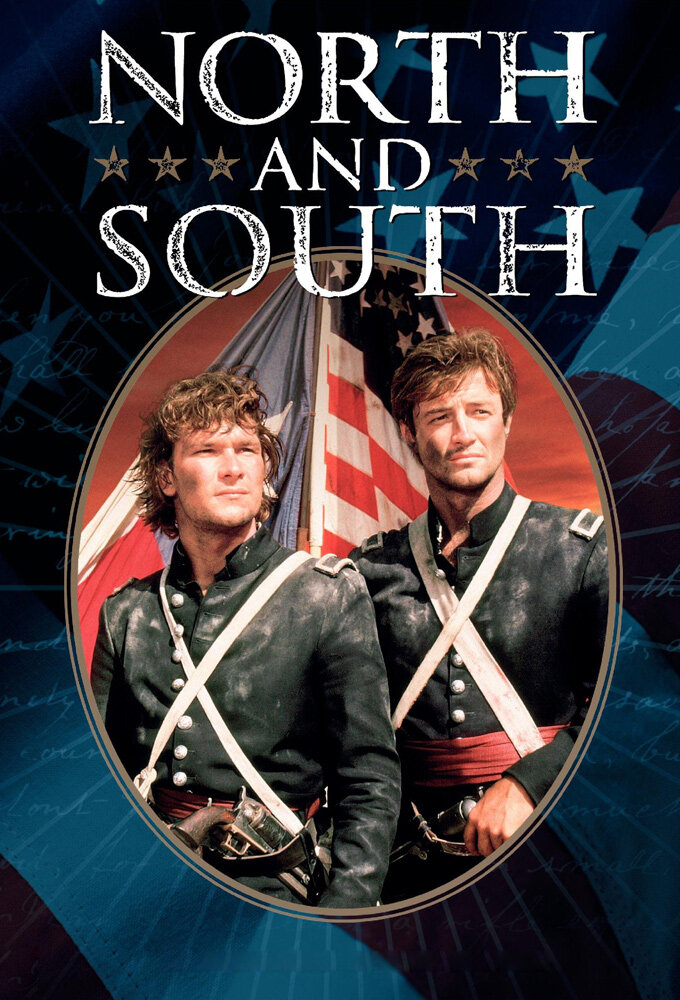
North and South1985
Another BBC serial of Victorian entanglement, this one between a northern industrialist and a southern minister's daughter. It has romance but never lets it be simple—economics, class, and principle keep getting in the way. Utterly gripping.
But The industrial plot can feel heavy-handed if you're watching purely for the love story. Some find the pacing sluggish by modern standards.
The Remains of the Day1993
Anthony Hopkins as a butler recounting a lifetime of emotional restraint and loyalty to a morally compromised man. It's a masterclass in what people don't say. The tragedy is all in the silences and the roads not taken.
But The film is achingly quiet and introspective. If you're looking for plot momentum or big emotional scenes, you'll feel cheated.

Not sure tonight? Get a pick in a minute, starting from Daniel Deronda
The wildcard
Something you would not have found on your own.
Stalker1979
Both are fundamentally about what we want versus what we're willing to live with, and both suggest that the knowledge itself is the real danger. Deronda's moral awakening is Tarkovsky's spiritual one—different registers, same spiritual architecture.
Andrei Tarkovsky's science-fiction meditation on desire, faith, and the choices we make about what we're willing to want. A guide, a writer, and a soldier travel through a mysterious zone toward a room that supposedly grants wishes. It's glacially paced, philosophically dense, and hypnotic.
But It's 163 minutes of mostly walking and talking in gray landscapes, with minimal plot and no conventional dramatic payoff. If you need momentum or clear narrative, this is purgatorial.

More like this (7)
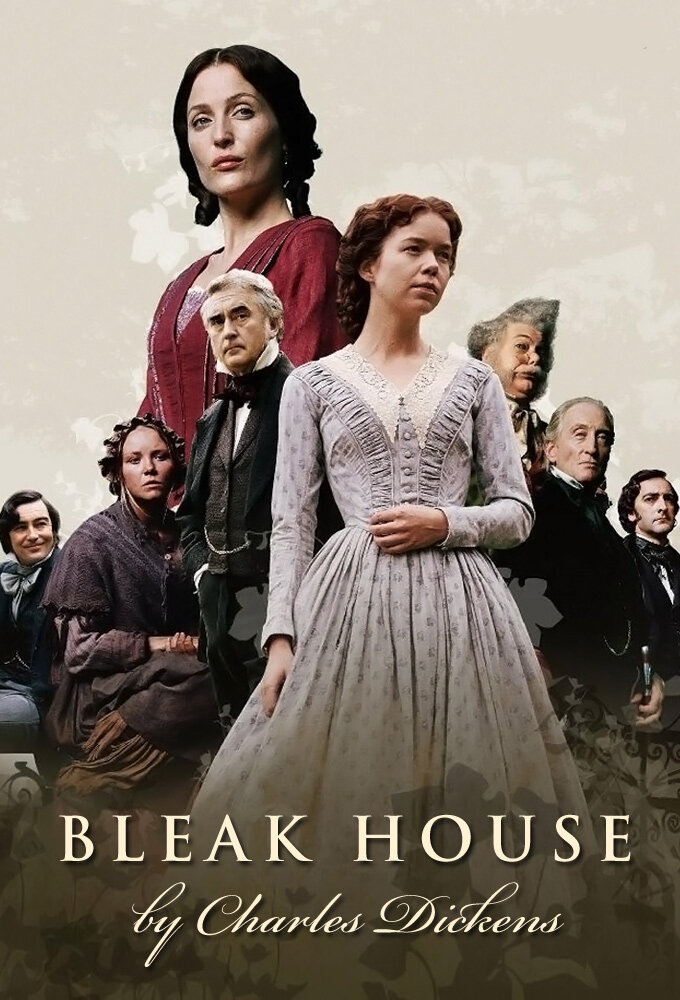
Bleak House2005
A Dickens serial that sprawls across Victorian London with a vast cast and competing narratives. Like Deronda, it's obsessed with moral entanglement and the price of secrets. Utterly addictive once you surrender to its scope.
But The cast is enormous and the interweaving plot can feel chaotic. The first episode is genuinely confusing, and the pacing is uneven across its twelve hours.
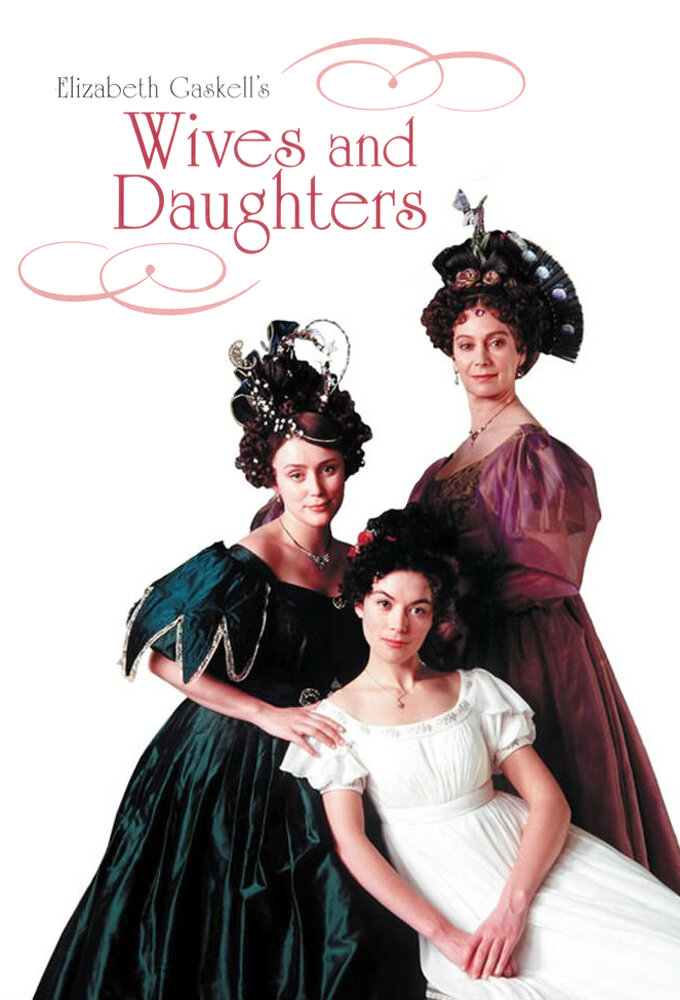
Wives and Daughters1999
Elizabeth Gaskell's novel of a country doctor's household, complicated by remarriage and hidden feelings. It has comedy and warmth that Deronda lacks, but the same unflinching look at what duty and love demand of women.
But It's cozier and less morally turbulent than Deronda. If you came for psychological darkness, this softens it.
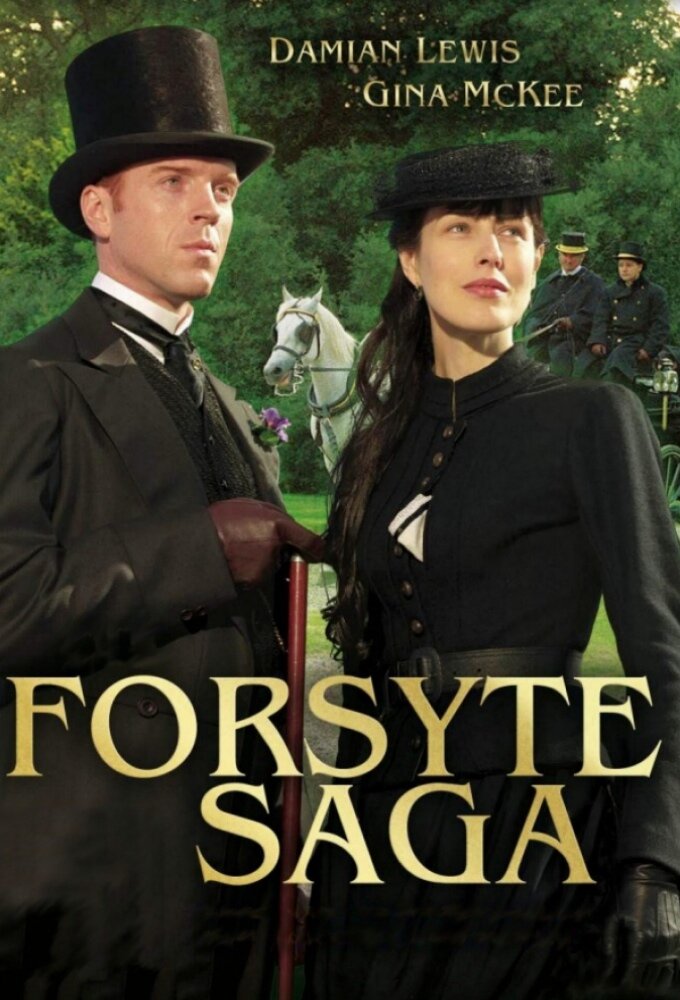
The Forsyte Saga2002
A multigenerational family saga tracing wealth, inheritance, and the constraints of marriage across several decades. Soames Forsyte is as trapped by his desires as Gwendolen is by hers. It's epic and psychologically intricate.
But The scope means individual emotional arcs get less space. Some plotlines feel dated in their sexual politics, which can jar.
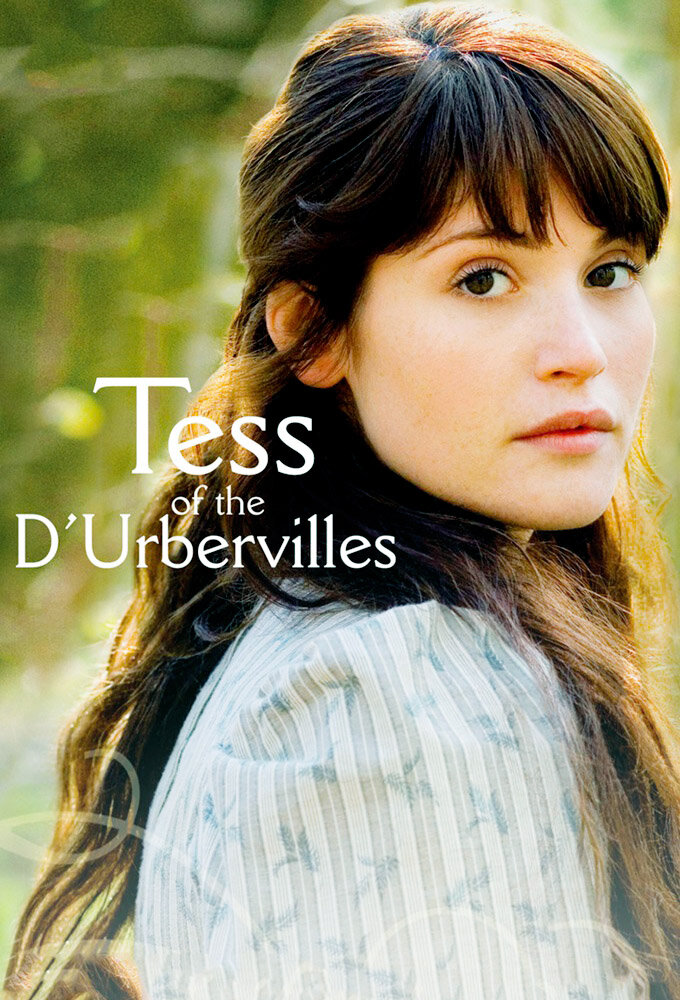
Tess of the D'Urbervilles2008
Hardy's novel of a woman destroyed by circumstance and the men around her, adapted with devastating fidelity. Alec and Angel are both failures in different ways, and Tess's suffering is never made pretty. It's bleak and necessary.
But It's relentlessly grim. There's no intellectual pleasure here, only the grinding unfairness of women's lives in the 19th century. It can feel more like punishment than drama.
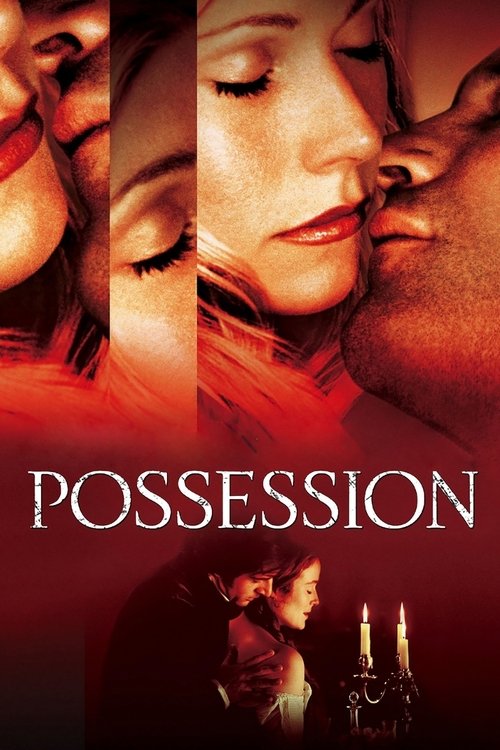
Possession2002
Two modern scholars uncover the secret affair between two Victorian poets. It has the same satisfaction as Deronda—unmasking hidden passion and moral contradiction beneath Victorian propriety—but with literary intrigue and a more playful tone.
But The modern-day plot feels thin next to the historical sections. Some find the ending too tidy for what came before.
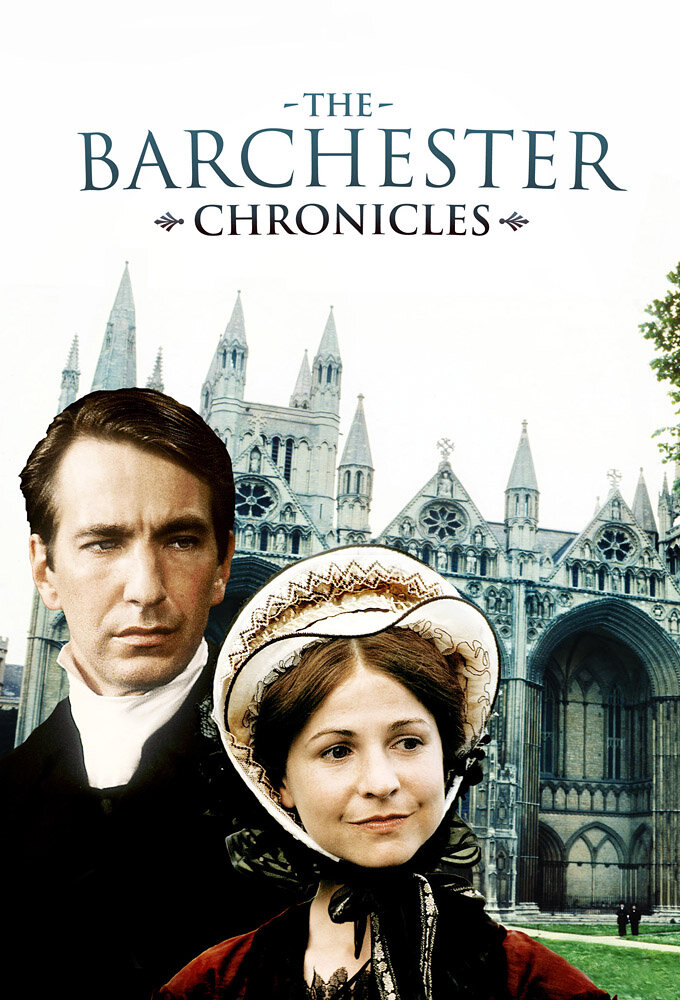
The Barchester Chronicles1982
Anthony Trollope's clerical world of ecclesiastical politics and quiet romances. Less psychologically intense than Deronda, but it shares the obsession with how power, money, and propriety shape what people can say to each other.
But The pacing is stately even by Victorian standards. If you want moral anguish rather than social comedy, this disappoints.
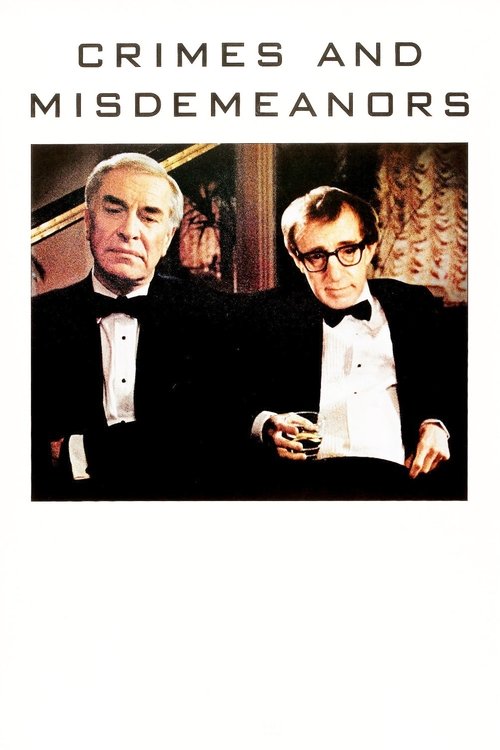
Crimes and Misdemeanors1989
Grandcourt and the ophthalmologist are twins: men who want things incompatible with decency, and who choose themselves. Both works refuse to soften this choice with redemption. Deronda watches his would-be ally commit small cruelties; Allen watches his commit murder. Same question about complicity, different violence.
Woody Allen's toughest film: a successful ophthalmologist murders his mistress to preserve his marriage and reputation, then the film asks whether he'll actually face consequences. It's a comedy built on genuine moral horror, cutting between his guilt and a separate love story with darker undertones.
But Allen's voice can be insufferable. The film's bleakness—and its implication that good people rationalize evil—is genuinely unsettling in ways meant to disturb, not comfort.