Television series
Oliver Twist
Other titles called Oliver Twist: the 1948 film.
- Drama
- Very dark
The BBC's 2007 adaptation of Dickens strips the novel to its skeleton: a child surviving the workhouse, London's streets, and human cruelty through sheer will. Spare, dark, and urgent rather than sentimental, it treats Oliver's poverty as a genuine catastrophe. Gripping television that respects both the source and its audience's intelligence.
If you liked this
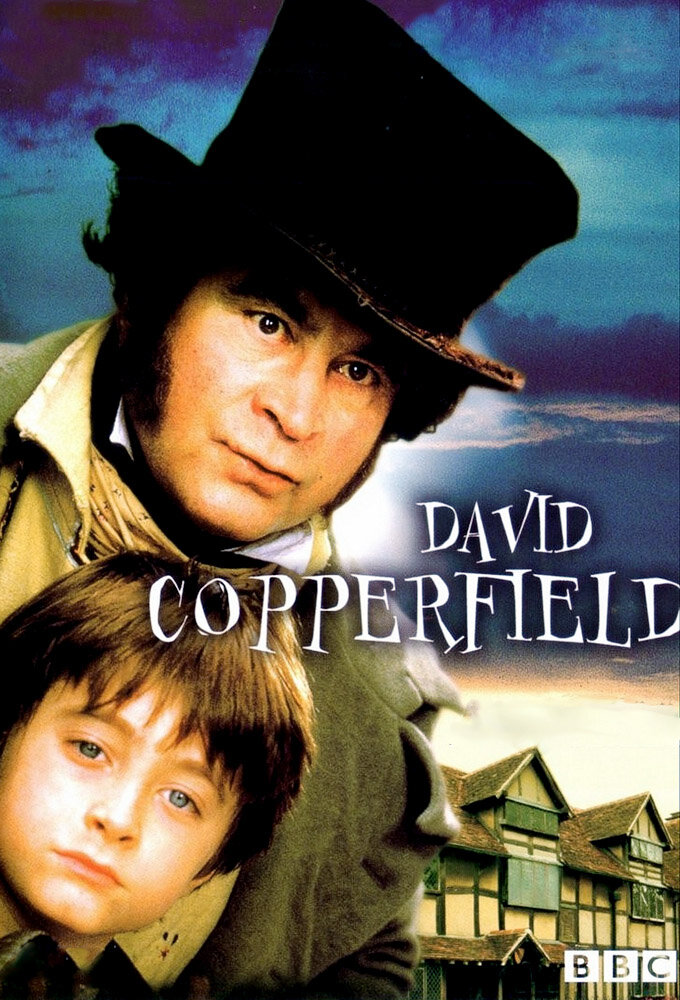
David Copperfield1999
BBC's other great Dickens adaptation, equally assured in balancing social rage with intimate human drama. Same era, same visual language, equally committed to making Victorian suffering tangible and immediate.
But Five hours is a lot of time. It moves at Victorian narrative pace—rich and detailed, not rushed—which demands patience and attention.
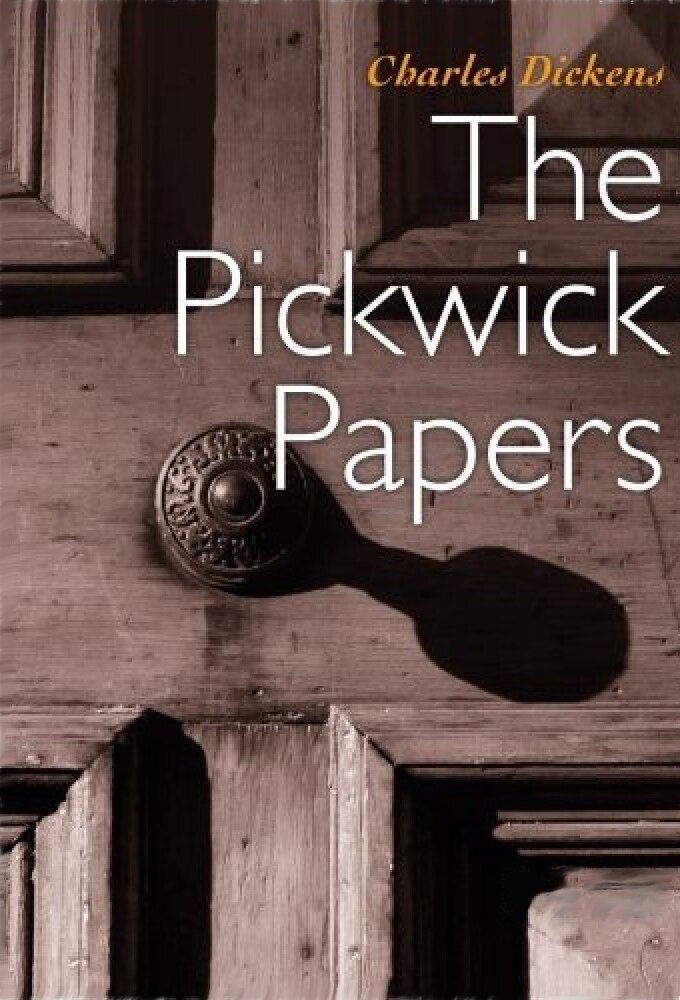
The Pickwick Papers1985
Dickens again, adapted for television with a lighter touch but the same eye for grotesque minor characters and social observation. Gentler than Oliver Twist but cut from the same cloth, and deeply rewarding if you want more of that world.
But It's considerably cosier and more comic. If what grabbed you was the bleakness, this might feel like a step backwards.
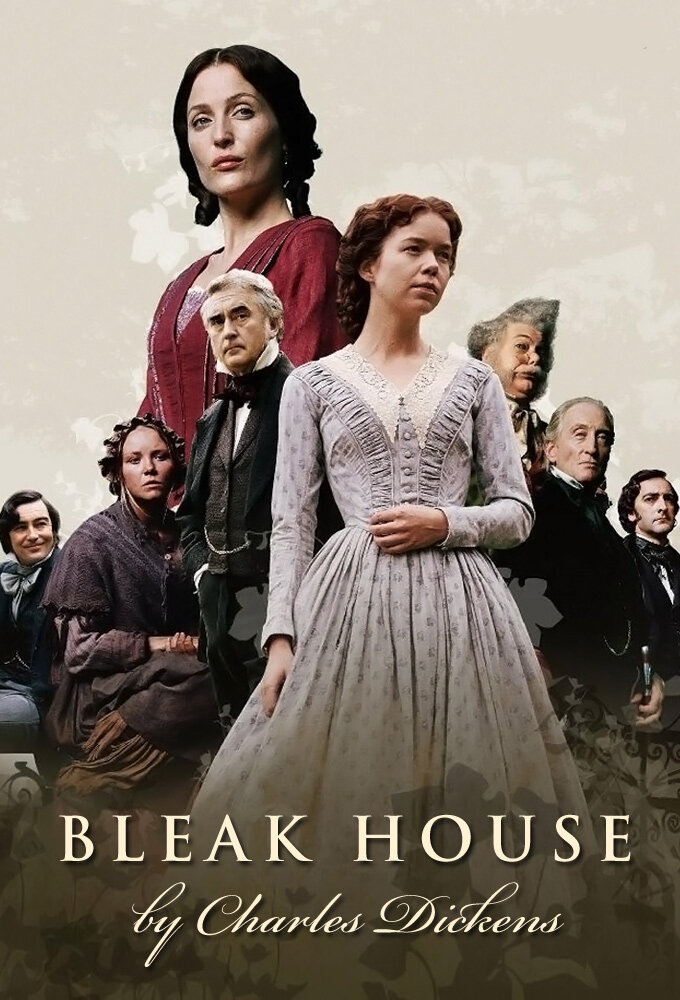
Bleak House2005
BBC's Dickens triptych completed. Sprawling, intricate, and visually sumptuous in a way Oliver Twist isn't, but the same moral fury about injustice and systems that crush the powerless. Andrew Davies' screenplay is phenomenal.
But Nearly seven hours and a genuinely complicated plot. You need to stay with it; it won't summarize itself for the inattentive.
Not sure tonight? Get a pick in a minute, starting from Oliver Twist
The wildcard
Something you would not have found on your own.
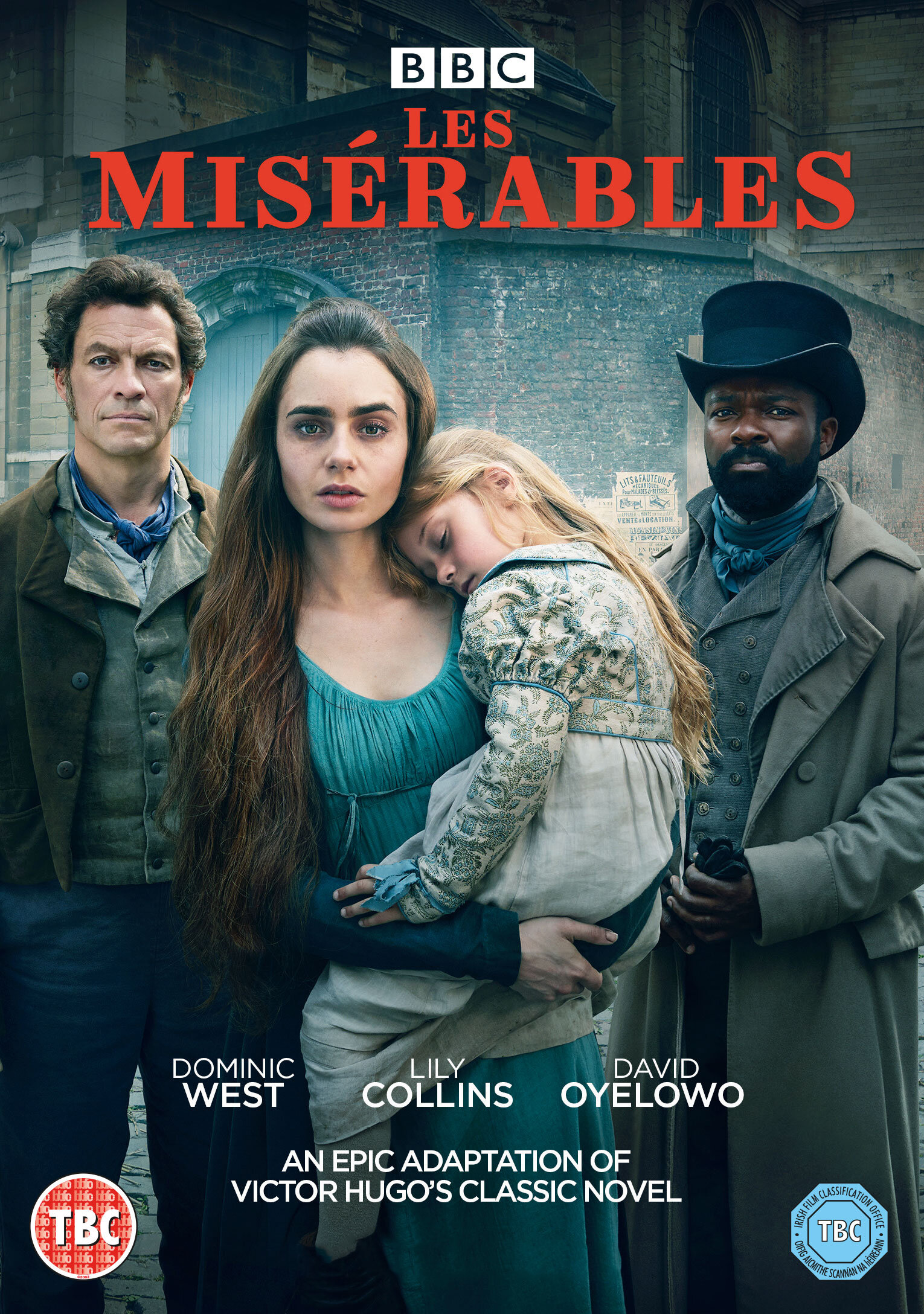
Les Misérables2018
Both are stories of child survival in societies that actively wish children to vanish. Both argue that mercy and the individual human act are the only resistance to systemic cruelty.
French miniseries of Hugo's novel: a boy escaped into a brutal world, surviving through theft and the kindness of strangers, framed by larger social forces indifferent to his suffering. Same moral architecture as Oliver Twist, told with even greater epic scope. The connection runs through structure and spirit, not just plot.
But It's French television from the '90s: pacing is deliberate, production values modest by modern standards. Subtitles if you don't speak French. Longer and denser than Oliver Twist, and the suffering is unrelieved.
More like this (6)
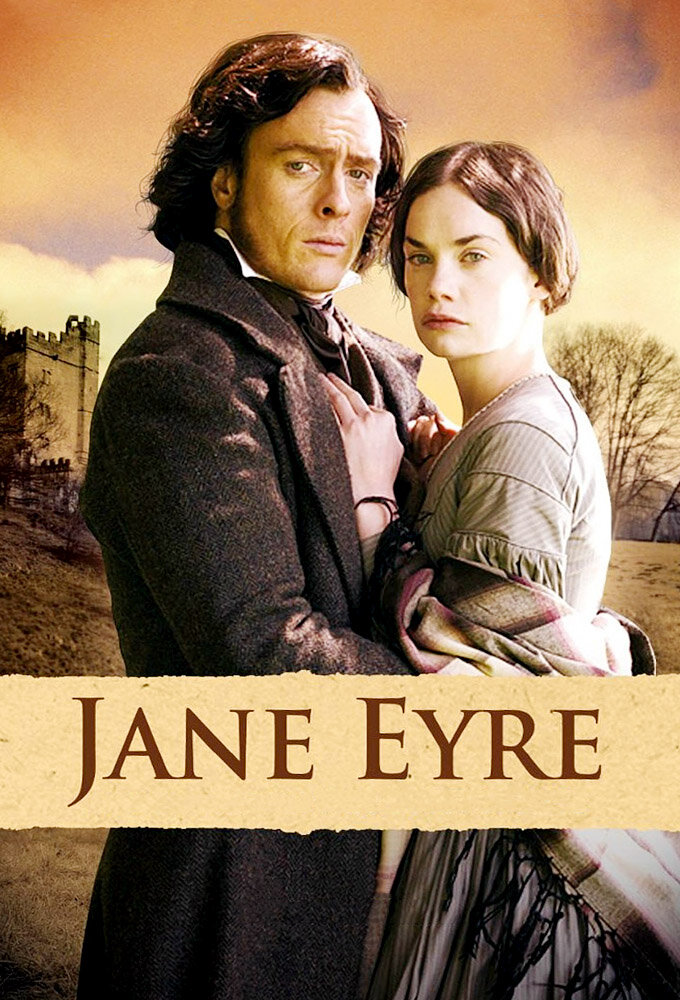
Jane Eyre2006
Ruth Wilson as a woman with Oliver's defiance and intelligence, refusing victimhood. BBC's Sunday-night drama at its finest: intimate, beautifully shot, and unafraid of anger beneath restraint.
But Period drama, which carries baggage. Takes itself seriously in ways that can feel heavy if you're looking for entertainment rather than investment.
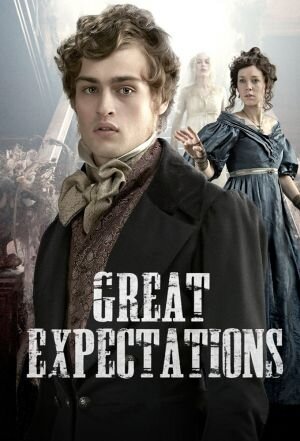
Great Expectations2011
Dickens adapted by Sarah Phelps with the same unflinching eye for cruelty and social systems. Pip's journey echoes Oliver's: a boy trying to survive a world that treats childhood as expendable. Gorgeously dark.
But Considerably longer than Oliver Twist and more psychologically complex. Requires you to hold more plot threads and spend more time in unhappiness.
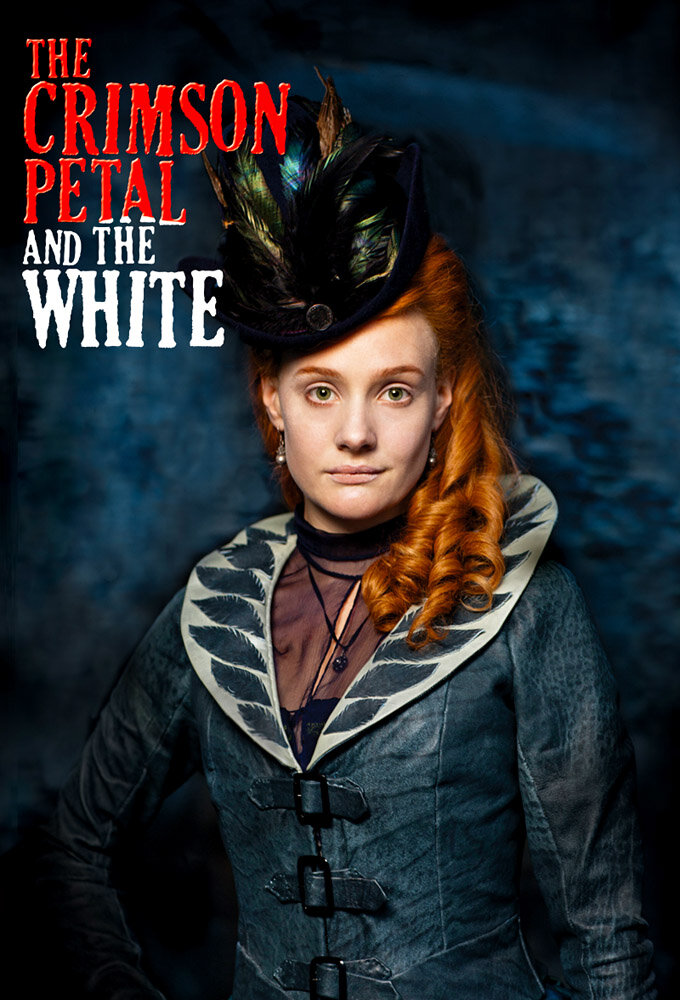
The Crimson Petal and the White2011
Victorian London seen from underneath, in a world of poverty and exploitation rendered with visceral clarity. Different story, same era, same commitment to showing what it actually meant to be powerless and poor.
But Adult content including sex work and abuse. It's not gratuitous but it's unflinching, and the darkness is relentless without Oliver's narrative resilience.
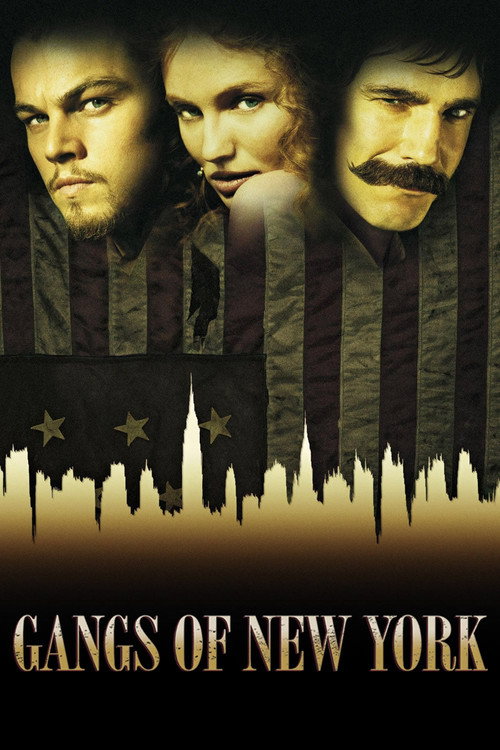
Gangs of New York2002
Leonardo DiCaprio as a child of the streets rising through a brutal urban underworld. Scale is epic rather than intimate, but the core—how a system grinds children into weapons—is Oliver's DNA in American form.
But Nearly three hours of violence and chaos. Scorsese's visual maximalism is the opposite of the BBC's restraint, and it can exhaust rather than move.
Kes1970
Oliver asks for more gruel; this boy tames a hawk. Both are acts of assertion against systems designed to crush assertion. Both understand that childhood's agency is tiny and precious.
British kitchen-sink realism about a boy claiming one small thing as his own—a hawk—in a world of school brutality and working-class hopelessness. Not Victorian, but the anatomy of childhood powerlessness and one young animal's refusal to be broken is Oliver in modern dress. Devastating.
But Shot in grainy '60s stock in grey Yorkshire. Slow, defiantly unsentimental, and the ending offers no comfort. Not a feel-good film about a boy and his bird.

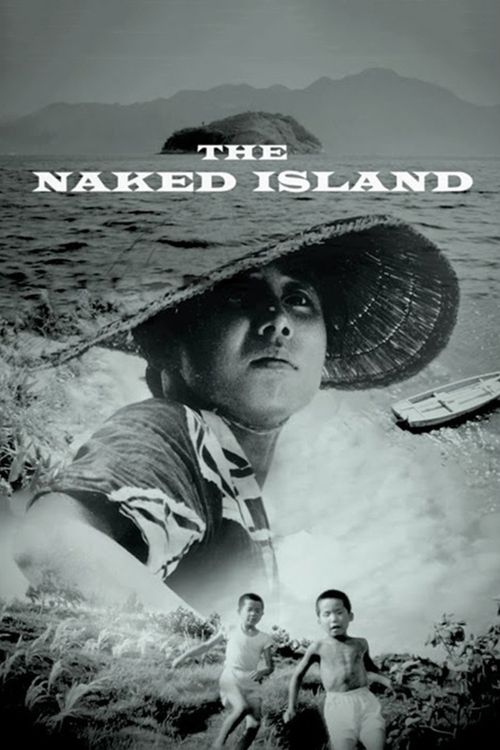
The Naked Island1960
Both are about survival as a moral act. Not triumph, not escape—survival itself as the assertion of human worth against systems or environments that deny it.
Masaki Kobayashi's wordless film of a family surviving on an island through labour and refusal to quit. No dialogue, minimal narrative, pure endurance. Structurally it's pure Oliver Twist: a human being facing a world indifferent to their survival and simply not breaking. Hypnotic and deeply moving.
But Nearly an hour of a family carrying water and growing food. No plot, no dialogue, no conventional drama. If you need story, dialogue, and character arcs, this is the opposite of what you want.