
Film
Dance, Fools, Dance
A 1931 pre-Code melodrama where a spoiled heiress becomes a newspaper reporter after her family loses everything, while her brother spirals into Chicago's criminal underworld. Joan Crawford commands the screen with sharp wit and genuine desperation. It's a snappy, morally murky sprint through depression-era corruption where nobody's hands stay clean for long.
If you liked this
Gentlemen Prefer Blondes1953
Marilyn Monroe in the role Joan Crawford might have played if born later: a woman using charm, intelligence, and grit to control her own destiny in a cynical world. The wit and energy match *Dance, Fools, Dance* beat for beat.
But It's a musical, and if you're coming for hard-boiled crime and corruption, the song-and-dance interludes might feel like air-letting from the pressure.
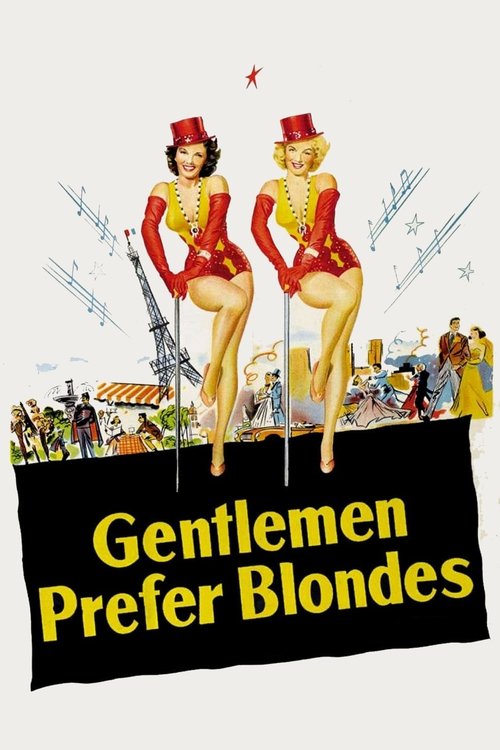
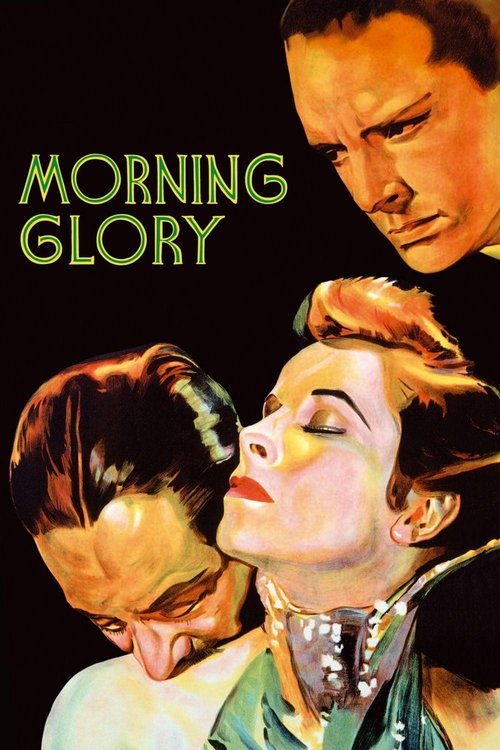
Morning Glory1933
Katharine Hepburn as an ambitious, destitute actress clawing her way up Broadway. Same desperation, same resourcefulness, same refusal to accept her circumstances. Pre-Code energy throughout.
But Lighter in tone and more romantic than you might expect. The crime elements are replaced by theatrical scheming, which some will find less gripping.
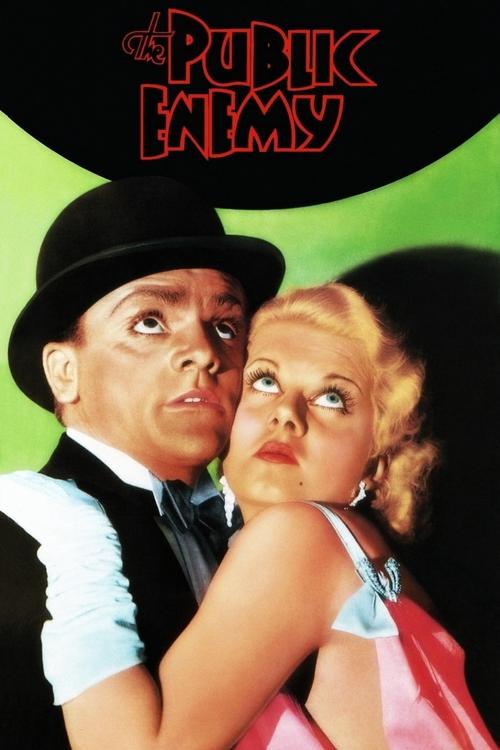
The Public Enemy1931
James Cagney in the exact same year, playing the brother's role: a working-class kid drawn into organized crime during Prohibition. Visceral, shocking for its time, and genuinely brutal about what that world costs.
But The female characters exist mostly to suffer. If you're drawn to *Dance, Fools, Dance* for Crawford's agency, this will frustrate you.
Not sure tonight? Get a pick in a minute, starting from Dance, Fools, Dance
The wildcard
Something you would not have found on your own.
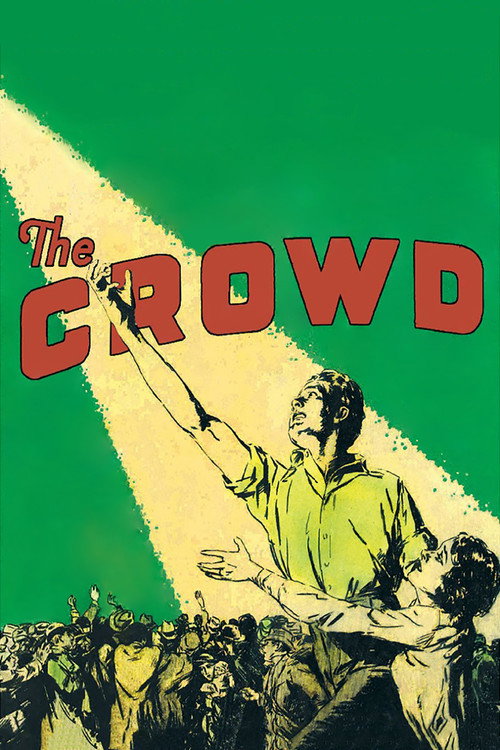
The Crowd1928
Both films find their power in the gap between who people thought they'd be and who circumstance forces them to become. Neither judges the characters for what they do to survive.
King Vidor's silent masterpiece about ordinary people crushed by ordinary circumstances, shot with documentary precision. The same desperation that drives Bonnie Jordan's choice to become a reporter—survival in an indifferent city—but without dialogue to soften it. Pure visual storytelling of how quickly fortunes turn.
But Silent film with intertitles and a pace that demands patience. The emotional impact comes from composition and performance, not plot momentum, which can feel glacial if you're used to sound cinema.
More like this (8)
Marked Woman1937
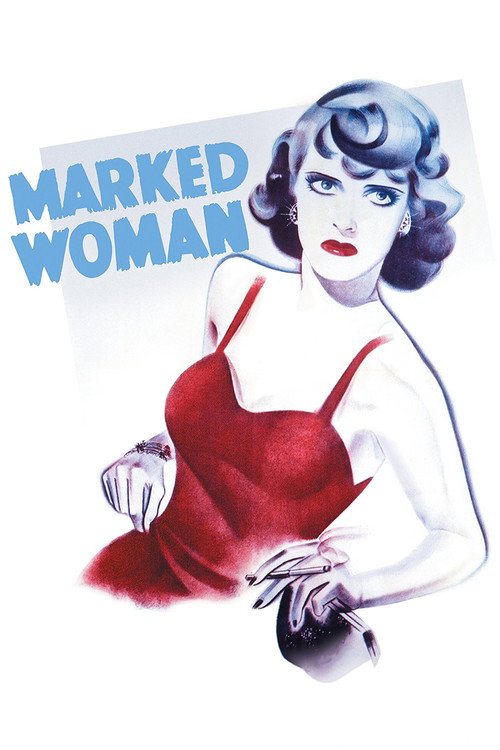
Bette Davis as a nightclub hostess testifying against the mob, directed by Michael Curtiz with Crawford-level toughness and no apologies. Crime, journalism, and a woman who refuses to stay victimized.
But Darker and more violent than the earlier film. The stakes feel heavier, which some may find exhausting rather than engaging.
His Girl Friday1940
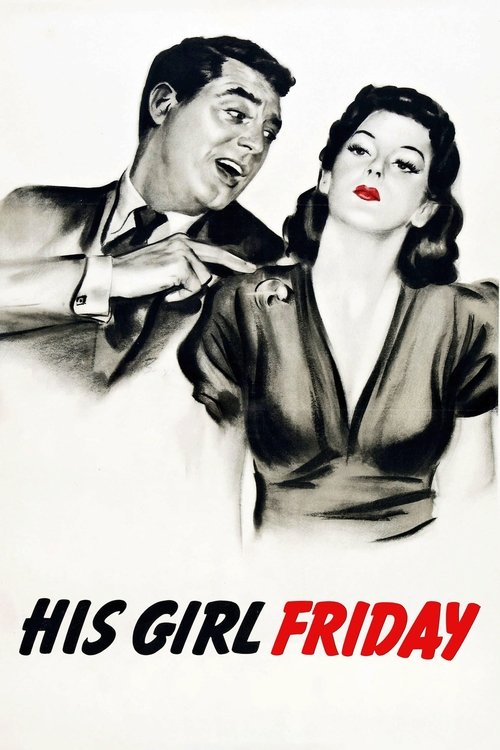
Rosalind Russell as a newspaper reporter caught between crime stories and romance, trading dialogue at machine-gun speed. The journalism world is this film's love letter, the same way it is here.
But Almost entirely a two-hander between Russell and Cary Grant. If you want ensemble crime plotting, you won't find it.
The Asphalt Jungle1950
John Huston's blueprint for every heist film that followed: a meticulous look at organized crime from the inside, with real consequences and no easy heroes. The moral landscape is as murky as *Dance, Fools, Dance* imagines.
But Slower burn, more procedural. If you want Crawford's crackling energy, you'll find Huston prefers to let scenes breathe.

Scarlet Street1945
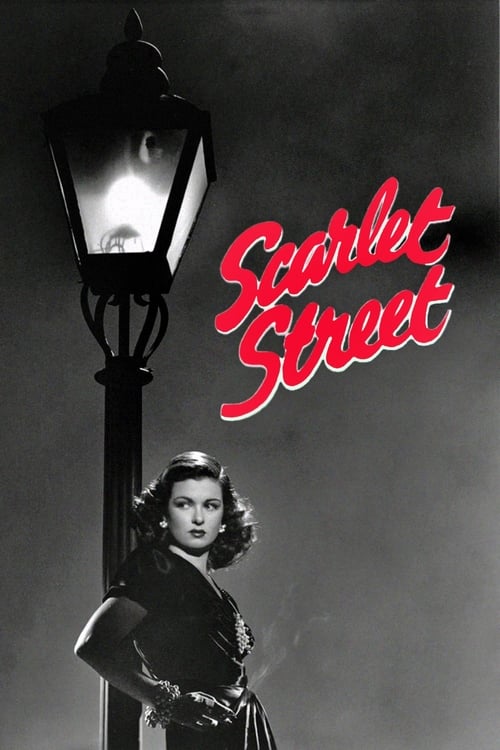
Fritz Lang's exploration of desire and corruption in Depression-era New York, with Joan Bennett as a femme fatale who destroys lives. The Pre-Code moral ambiguity you loved, translated into full noir cynicism.
But Genuinely bleak. This isn't entertainment with dark edges; it's a film that believes corruption is the human baseline.
The Roaring Twenties1939
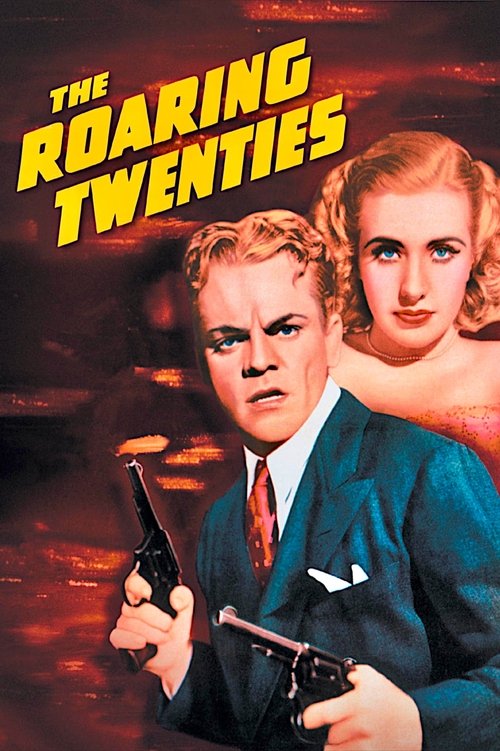
James Cagney and Humphrey Bogart tracing the rise and fall of bootleggers through Prohibition's aftermath. Sweeping, elegiac, with the same sense that crime was the era's business and corruption its oxygen.
But Long for what it is. The second half sags as the film reaches for tragedy, and the pacing never recovers.
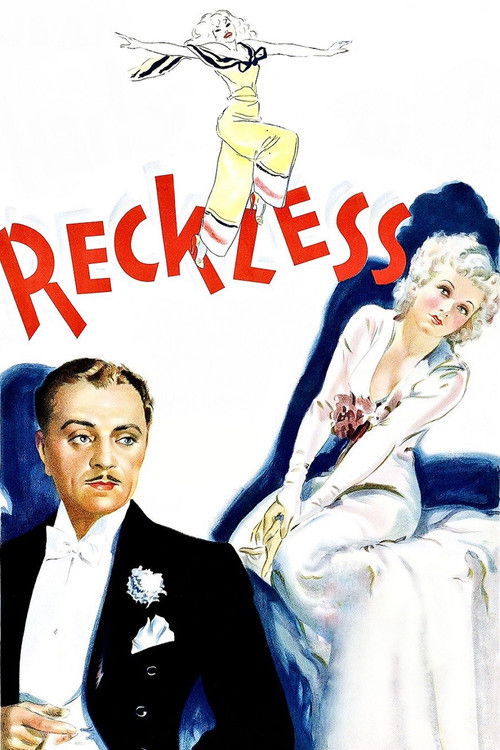
Reckless1935
Jean Harlow as a Broadway star whose choices destroy everyone around her, including a man who loves her. Same pre-Code willingness to let women be selfish and complicated without redemption.
But Feels dated in ways that hurt more than help. The production design is beautiful but the story's engine sputters.
Sweet Smell of Success1957
Both understand that journalism and crime live in the same ecosystem. The reporter in both films isn't separate from the corruption—she's navigating it, complicit in it, benefiting from it.
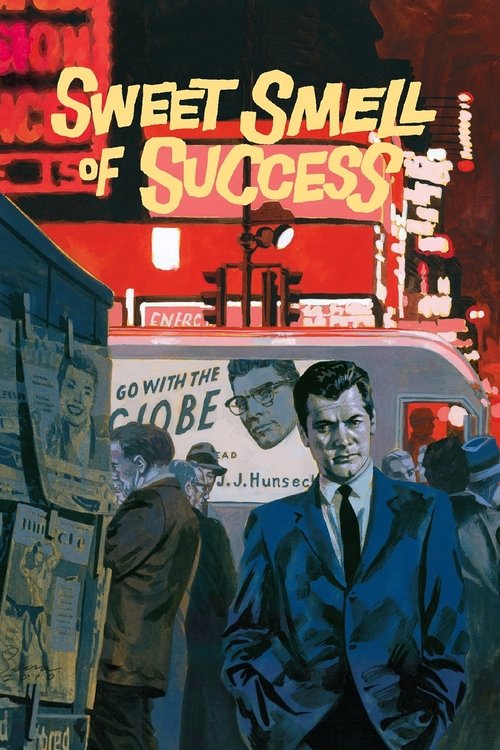
Burt Lancaster and Tony Curtis in Elmer Bernstein's jazz-soaked New York, where journalists and hustlers are interchangeable, morality is a luxury, and corruption is the air everyone breathes. Every scene crackles with Mamet-level dialogue and pre-Code cynicism, but made *after* the Code, which makes the subversion sharper.
But Deliberately ugly in style and substance. The city itself is a character designed to be repellent, and if you want any character to root for, you won't find one.
Pickup on South Street1953
Both films center on someone forced into a criminal world not by vice but by circumstance, and both use that person's resourcefulness as a kind of moral argument about what the system forces people to become.
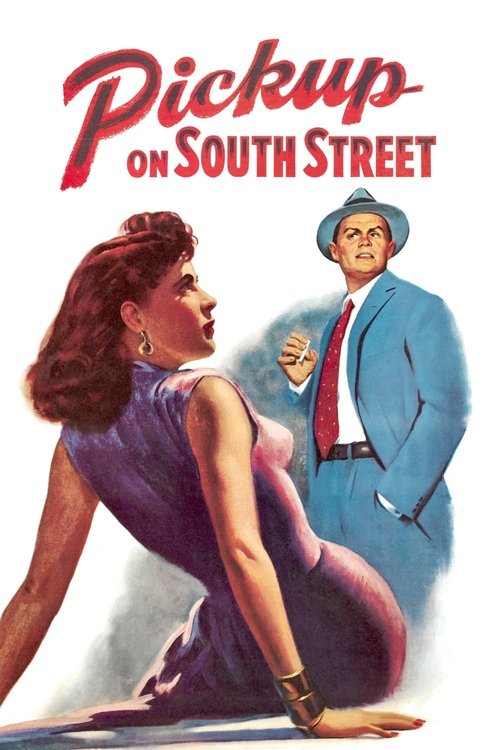
Samuel Fuller's Cold War noir about a street pickpocket caught between communist spies and the FBI, starving in Manhattan with only his wits to keep him alive. The same fast-talking, desperate energy as *Dance, Fools, Dance*, but Fuller makes the ideology of survival itself the subject—who gets to decide what's crime and what's patriotism?
But Aggressively political in ways that can feel didactic. Fuller's not interested in nuance, and if you want moral ambiguity, his certainty will feel claustrophobic.
People
Cast
 Joan CrawfordBonnie Jordan
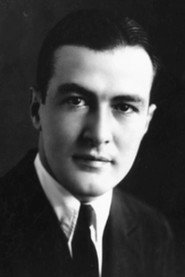 Lester VailBob
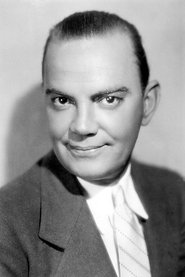 Cliff EdwardsBert Scranton
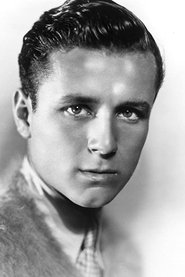 William BakewellRodney Jordan
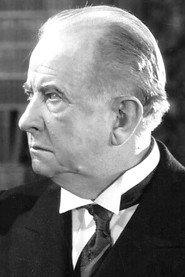 William HoldenStanley Jordan
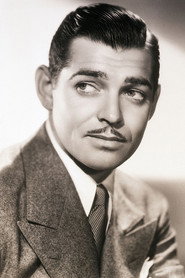 Clark GableJake Luva
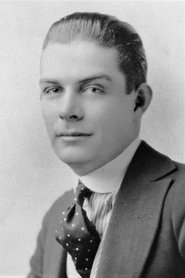 Earle FoxeWally
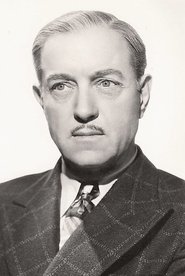 Purnell PrattParker
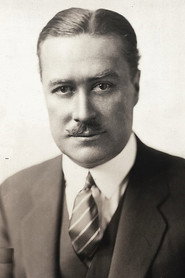 Hale HamiltonSelby
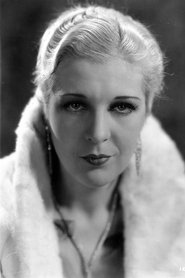 Natalie MoorheadDella
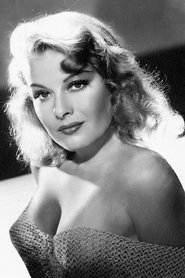 Joan MarshSylvia
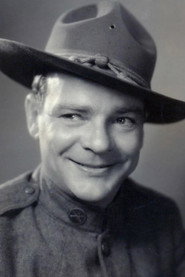 Russell HoptonWhitey
Directing
- Jack MintzAssistant Director
- Harry BeaumontDirector
Writing
- Aurania RouverolDialogue
- Richard SchayerScreenplay
- Aurania RouverolStory