
Film
The Woman Between
A 1931 melodrama about a man's return home and discovery that the woman he fell in love with aboard ship is his stepmother. It's a film of tangled desire and family fracture, moving quickly through its complications with the breathless intensity early sound cinema favored. Perfect for those curious about how Hollywood handled forbidden attraction before the Production Code tightened its grip.
Should you watch it?
Watch it if you like early sound-era melodrama built on a single painful emotional bind, where the creaky staging and tight 73-minute running time are part of the charm.
Skip it if you need brisk pacing and modern naturalism, since the dialogue is stagy and the emotions are played broad, with little room for subtlety.
What it asks of you: Short at barely over an hour, it moves at a stately pace, and its stage-bound performances and sustained melodramatic tension need you to settle in rather than skim.
Not sure? Find tonight's pick in a minute.
If you liked this
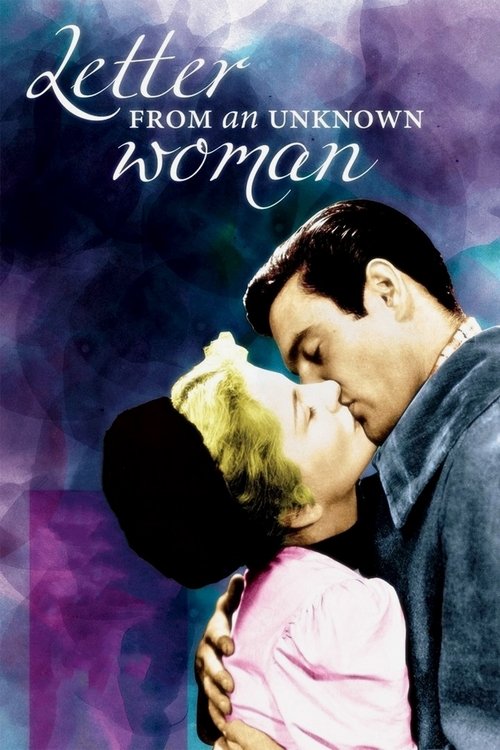
Letter from an Unknown Woman1948
Ophüls transforms unrequited love into something almost unbearably poignant, with elegant cinematography and a narrative structure that mirrors the film's own emotional architecture. A masterclass in romantic fatalism.
But It's slow-burn and melancholic—no action, no resolution, just the gentle devastation of passion that never found its moment. Some find it suffocating rather than moving.
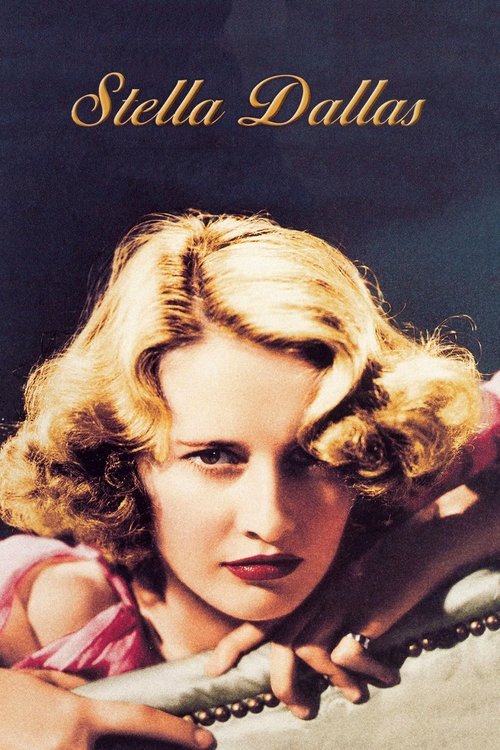
Stella Dallas1937
Barbara Stanwyck delivers a career-best performance as a woman undone by class anxiety and thwarted love. The soap opera machinery becomes genuinely moving in her hands, and the final sequence is unforgettable.
But It asks you to believe in the logic of its melodrama completely. If you're skeptical of that emotional register, it'll feel overwrought rather than tragic.
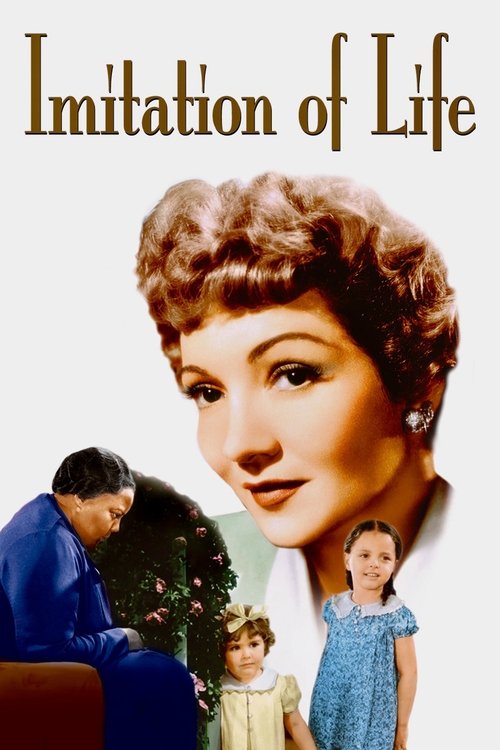
Imitation of Life1934
Sirk again, this time tackling class and identity with genuine social edge. The film cares about real people caught in real systems, not just abstract passion. Claudette Colbert and Warren William are magnetic.
But The racial politics are of their era and complicated—it takes effort to sit with what the film assumes rather than condemns about its Black characters.
Not sure tonight? Get a pick in a minute, starting from The Woman Between
The wildcard
Something you would not have found on your own.
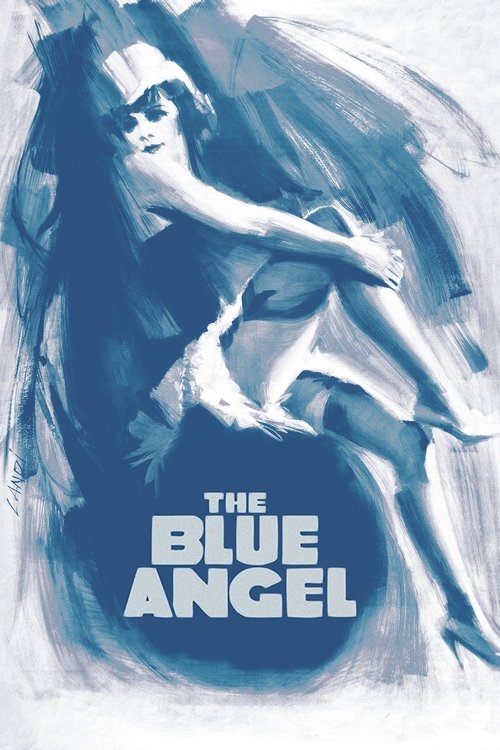
The Blue Angel1930
Both pit desire against respectability and family obligation. Both feature a man's entire world collapsing when he encounters a woman who represents everything he's supposed to reject. But Sternberg makes it a tragedy; the 1931 film treats it as a puzzle.
Sternberg's masterpiece features Emil Jannings as a respectable professor destroyed by desire for a cabaret performer. It moves with hallucinatory intensity and Marlene Dietrich's presence is hypnotic. The psychological depth makes The Woman Between look like a sketch.
But It's in German with subtitles, shot in a visual style so mannered it can feel theatrical rather than cinematic. The film's misogyny is baked into its structure—women destroy men, period.
More like this (5)
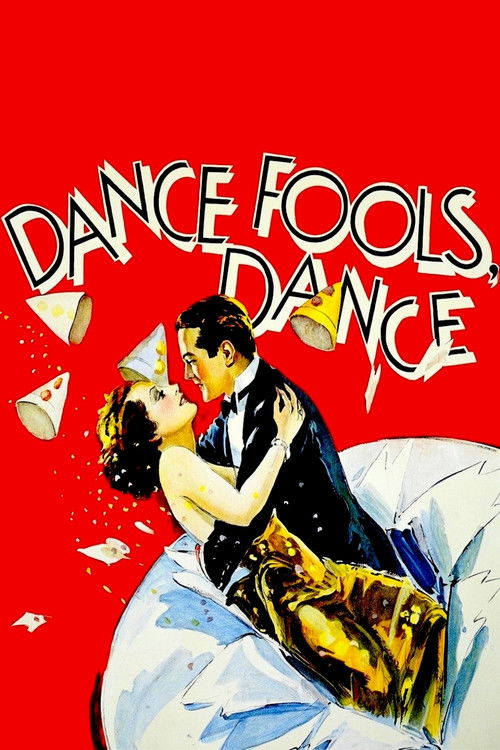
Dance, Fools, Dance1931
Joan Crawford at her most vital, playing a wealthy woman forced into independence after losing everything. The energy and intelligence she brings to the screen is worth the price of admission alone.
But The plot is boilerplate newspaper melodrama, and Crawford sometimes acts at rather than with her scene partners. The story can't quite keep up with her.
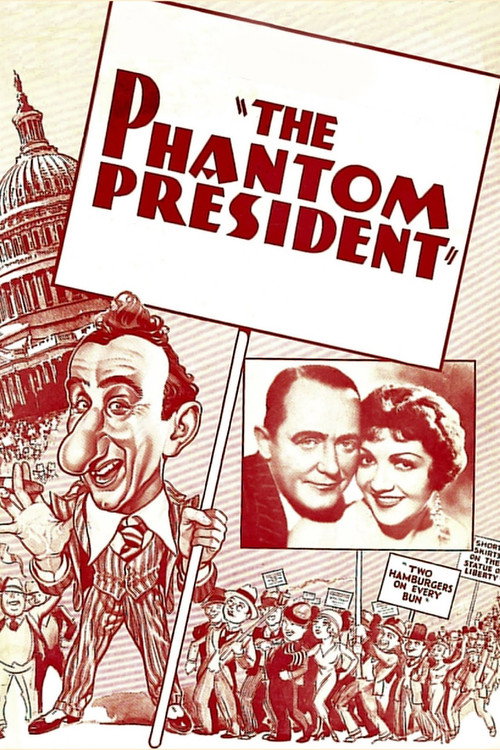
The Phantom President1932
George M. Cohan plays a dual role in this political satire-turned-musical. It's genuinely weird—a Depression-era film that pivots between cynicism and musical theater without quite committing to either.
But The tonal whiplash might read as confused rather than clever. Musical sequences feel stitched into a political thriller. Some songs are excellent; others drag.
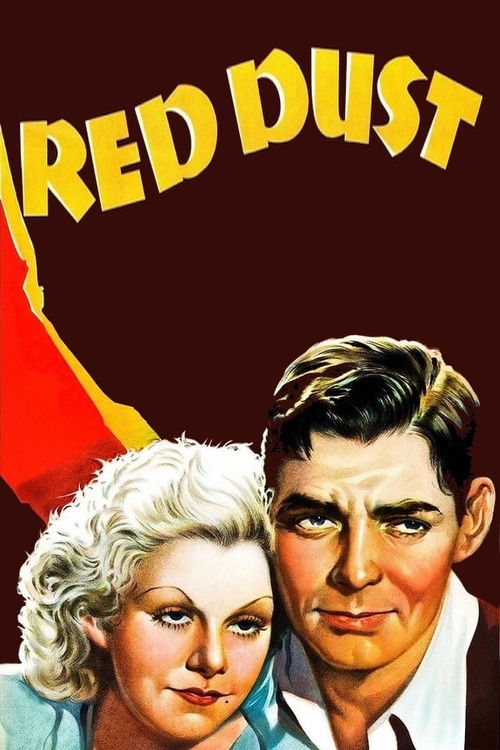
Red Dust1932
Clark Gable and Jean Harlow in the jungle, playing rough characters who stumble into genuine attraction. There's real chemistry here, and the film doesn't pretend this mess will resolve cleanly.
But Colonial-era attitudes abound, and the narrative brushes past its own moral questions. If you need films to interrogate their own assumptions, this isn't it.
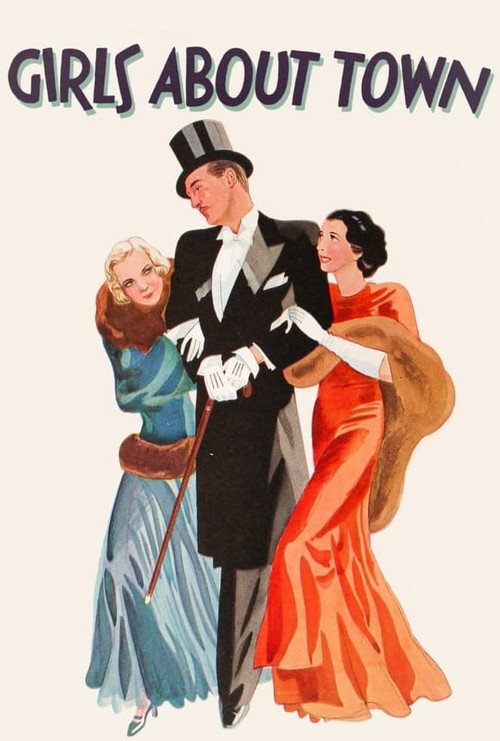
Girls About Town1931
Kay Francis and Lilyan Tashman as sex workers trying to navigate society and their own desires with humor and without apology. The film has an attitude about female independence that's startling for the era.
But It's a product of its moment in how it handles sex work, and the ending capitulates to morality in ways the rest of the film resists. Uneven in what it's willing to say.
Jeanne Dielman, 23, quai du Commerce, 1080 Bruxelles1976
Both films are about women whose lives don't match their appearances, and about the gap between what a woman is and what a woman is allowed to be. But Akerman refuses the melodrama entirely—she's interested in the mundane texture of constraint, not in passion breaking through it. They're answering the same question from opposite ends.
Chantal Akerman's three-hour meditation on a woman's domestic routine and secret sex work is the inverse of The Woman Between in almost every way—utterly patient, radically unglamorous, structurally rigorous. It asks what happens when you drain melodrama of its excitement and simply watch. Transformative.
But Three hours of a woman preparing meals, making her bed, and managing her life. There is no plot. There is no conventional interest. It requires patience that verges on faith. Most people will hate it.

People
Cast
 Lili DamitaJulie Whitcomb
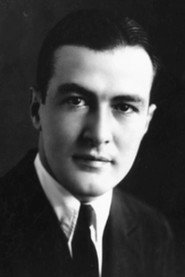 Lester VailVictor Whitcomb
 O. P. HeggieJohn Whitcomb
 Miriam SeegarDoris Whitcomb
 Anita LouiseHelen Weston
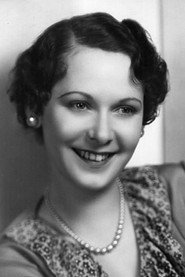 Ruth WestonMrs. Black
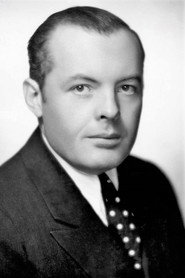 Lincoln StedmanBuddy
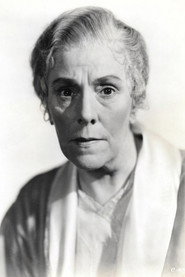 Blanche FridericiMrs. Weston
- William MorrisFrederick Weston
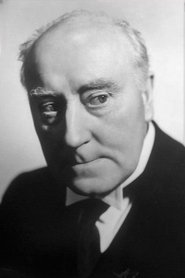 Halliwell HobbesBarton the Butler
- J. Gunnis DavisSecond Butler (uncredited)
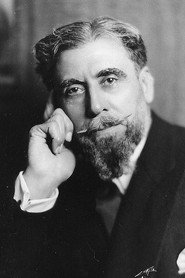 Eric MayneBoard Member (uncredited)
Directing
- Victor SchertzingerDirector
Writing
- Howard EstabrookWriter
- Irving Kaye DavisWriter
Production
- William LeBaronProducer