
Film
Platinum Blonde
- Screwball comedy
- Light-hearted
A 1931 screwball comedy about a working reporter who marries a wealthy socialite, only to discover that her world of etiquette and excess is suffocating his spirit. Jean Harlow is radiant and funny as the platinum-blonde heiress determined to reshape him. It's a brisk, zippy film that captures the fizz of early Hollywood comedy — smart dialogue, physical gags, and genuine romantic tension beneath the jokes.
Should you watch it?
Watch it if you enjoy snappy, fast-talking 1930s screwball banter and a sharp look at a marriage where pride keeps getting in the way of affection.
Skip it if you expect a fresh romance, since the sparring-couple setup is familiar, and early-sound stagey pacing can feel creaky today.
What it asks of you: Ninety minutes, mostly dialogue-driven scenes that reward close listening over visual flair; the tone stays light even when the marriage gets prickly.
Not sure? Find tonight's pick in a minute.
If you liked this
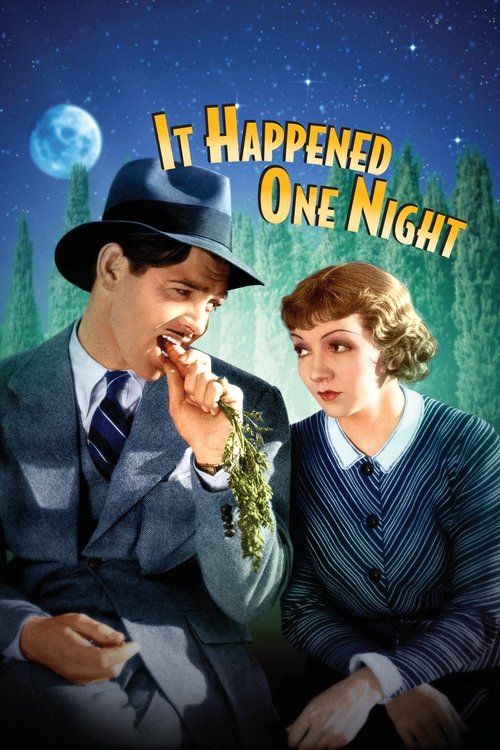
It Happened One Night1934
The gold standard of screwball romance. A reporter and a runaway heiress banter, scheme, and gradually fall for each other across a cross-country journey. Frank Capra's timing is perfect and the chemistry between the leads crackles.
But The pacing assumes patience for romantic obstacles that modern audiences might find slight. Some scenes linger when they could snap.
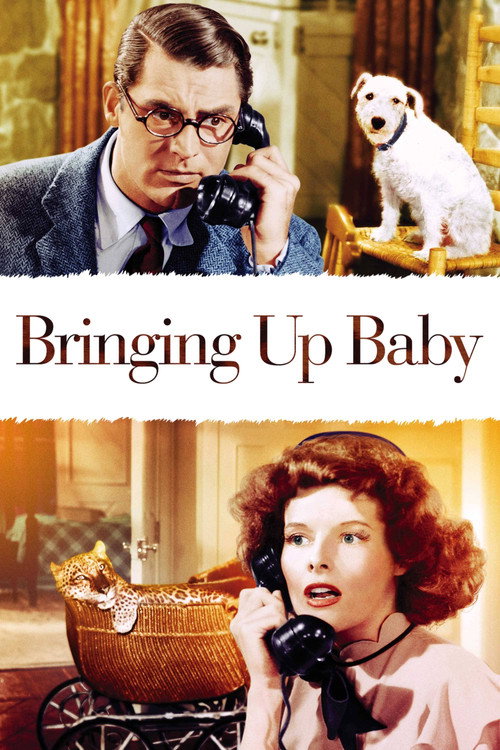
Bringing Up Baby1938
Cary Grant as a paleontologist undone by Katharine Hepburn's chaotic socialite and a leopard. It's screwball comedy at its most unhinged — every scene builds on the last in a fever of wit and physical comedy.
But The relentless energy and the pace can exhaust. If you want your comedy to breathe, this will feel frantic.
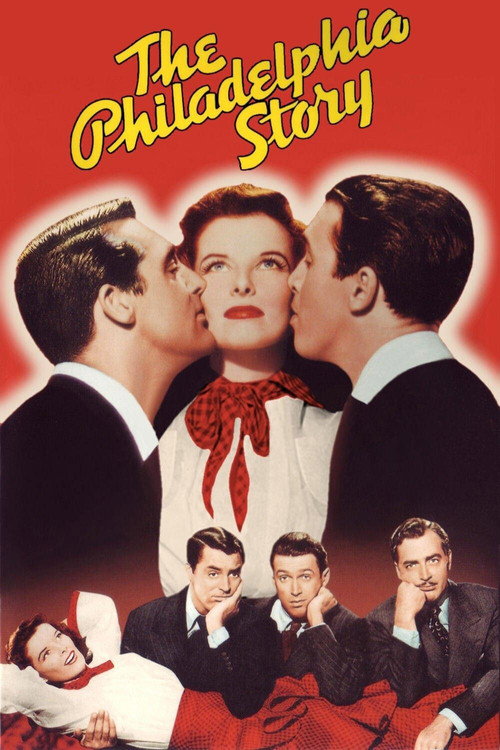
The Philadelphia Story1940
Katharine Hepburn as a Main Line heiress wrestling with class, marriage, and who she actually is. It's smarter than most comedies, funnier than most dramas, and James Stewart anchors the chaos with warmth.
But It's long, and the third act asks you to care deeply about whether the right person proposes. The emotional stakes can feel thin.
Not sure tonight? Get a pick in a minute, starting from Platinum Blonde
The wildcard
Something you would not have found on your own.
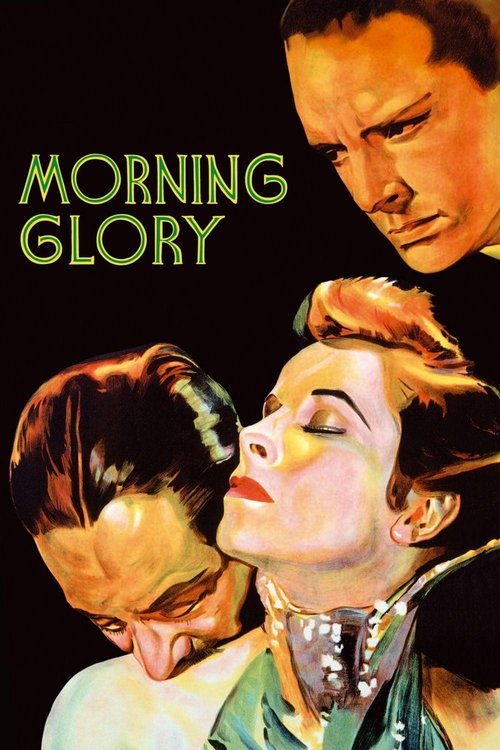
Morning Glory1933
Both films wrestle with the tension between a character's core self and the world trying to reshape them. Platinum Blonde asks if love is worth losing yourself; Morning Glory asks if success is worth any compromise. The answer in both is more complicated than either character expects.
Katharine Hepburn as a desperate young actress willing to do anything to break into theater. It's bitter and touching in ways most studio comedies weren't — about ambition, shame, and how close desperation lives to hope.
But It's melancholy beneath the romantic comedy framework, and the ending may not satisfy if you want a clean resolution. Hepburn's character makes choices that cost her.
More like this (8)
Singin' in the Rain1952
A Hollywood musical about Hollywood vanity and stardom. It's joyful, technically astonishing, and funny without trying too hard. Gene Kelly's charm carries it, but every element — dance, music, design — is excellent.
But It's a studio film about studio people solving studio problems. If you want real stakes, look elsewhere. The villains are cartoons.

Breakfast at Tiffany's1961
Audrey Hepburn as Holly Golightly, a New York socialite reinventing herself. It's romantic and wry, and Hepburn balances charm with genuine loneliness. The film asks what we owe each other beneath the glamour.
But The racist Stereotypes are jarring and indefensible. The script also edges toward sentimentality in the final stretch.

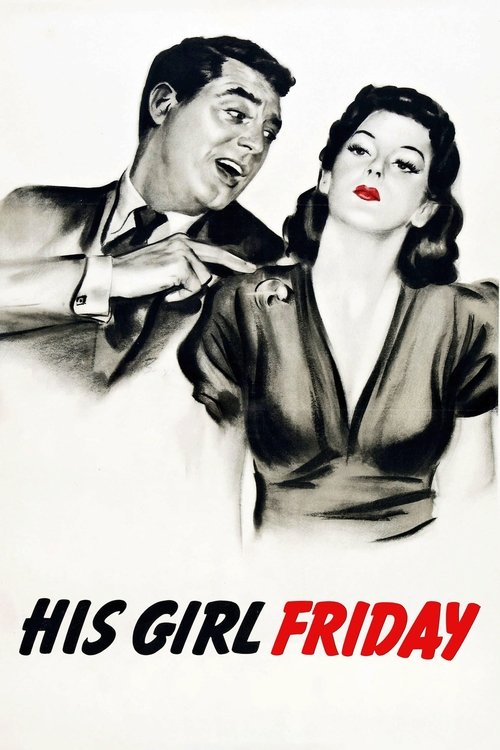
His Girl Friday1940
Fast, furious, and genuinely funny. A newspaper editor tries to win back his ex-wife and star reporter while she's about to marry and leave journalism. Cary Grant and Rosalind Russell fire dialogue at each other like gunshots.
But The overlapping dialogue and rapid-fire jokes assume you're keeping up. Miss a line and you've lost a laugh. Some viewers find it exhausting.
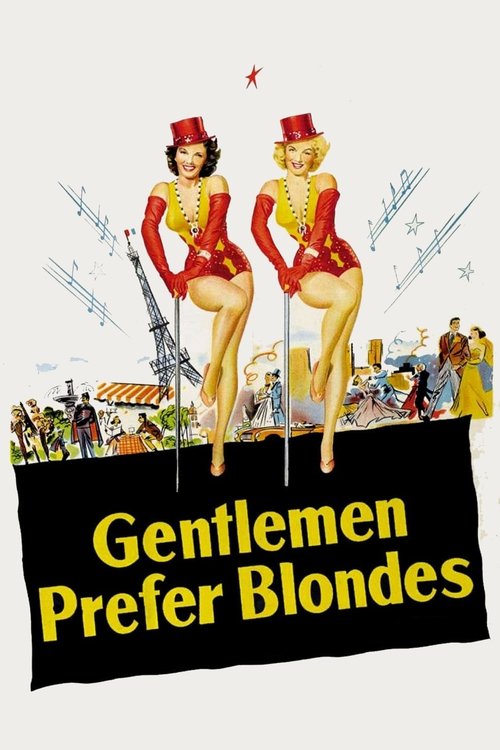
Gentlemen Prefer Blondes1953
Jane Russell and Marilyn Monroe as best friends navigating romance, money, and each other across Europe. It's funny and sexy without apology, and Monroe delivers more depth than the role might suggest.
But It trades on female sexuality in ways that can feel dated or broad. The plot is thin; the film coasts on charm and performance.
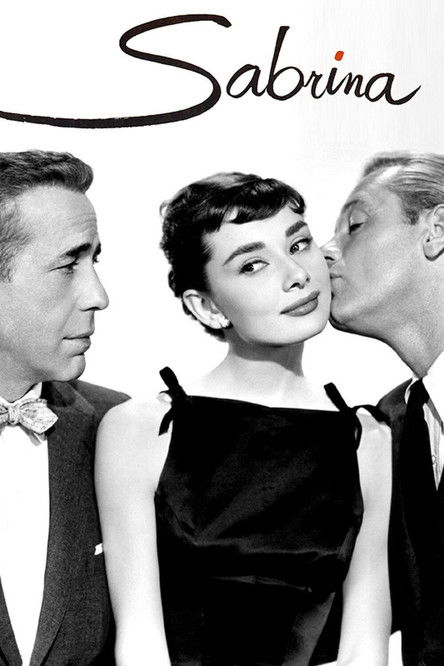
Sabrina1954
Audrey Hepburn as the chauffeur's daughter caught between two wealthy brothers. It's a Cinderella story with genuine sophistication, and Hepburn's transformation feels earned rather than merely decorative.
But The class politics are messy — the film wants you to root for the underdog while never questioning the wealth itself. It's a romantic fantasy, not a critique.
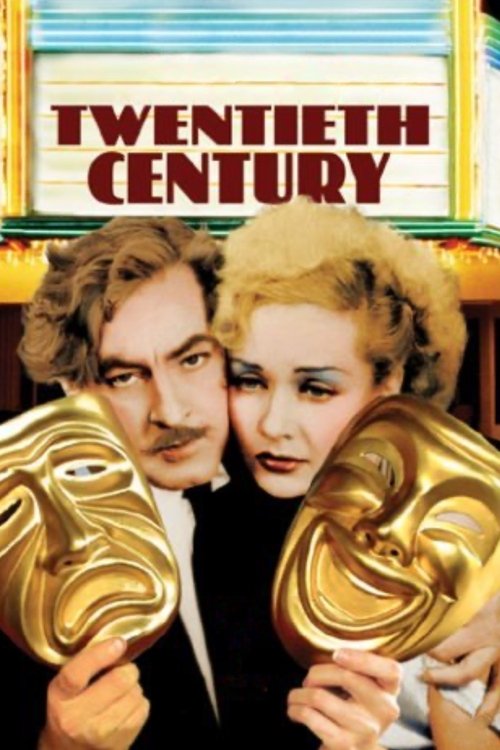
Twentieth Century1934
John Barrymore and Carole Lombard as theatrical rivals reuniting on a train. It's wild, theatrical, and feels like watching two excellent actors play full-contact emotional chess. Direct, strange, and thoroughly entertaining.
But It's mannered and theatrical to the point of camp. If you want naturalism, this is the opposite. The plot is a vehicle for performance, not the other way around.
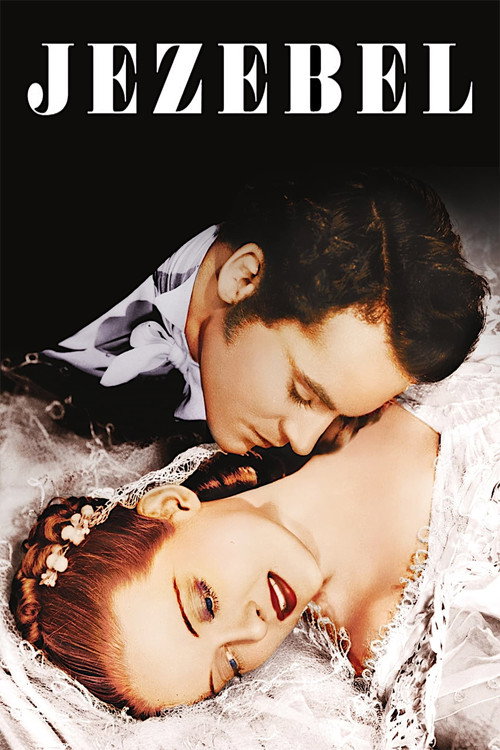
Jezebel1938
Both center on a beautiful, privileged woman discovering that her world has limits she cannot charm away. Where Platinum Blonde lets its heroine learn and grow, Jezebel suggests that some educations come too late, and some women never learn at all. It's the dark mirror.
Bette Davis as a wilful New Orleans socialite whose refusal to play by rules destroys lives around her, including her own. It's a Western-facing look at what happens when a woman has Harlow's glamour but acts on Harlow's defiance without the script's forgiveness.
But It's a slow, morally severe film that doesn't indulge its heroine. If you expect romance to triumph, you'll be disappointed. The mood is dark.
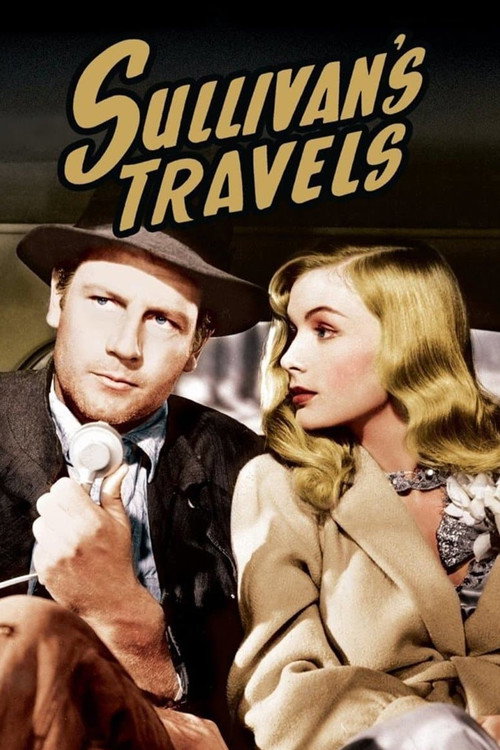
Sullivan's Travels1941
Both films ask whether escaping privilege is freedom or just another kind of blindness. McCrea's director abandons luxury to understand suffering; Harlow's heiress learns that luxury itself is a kind of suffering. Each film suggests that the grass is greener, but in opposite directions — and both are telling the truth.
Joel McCrea as a successful comedy director who wants to make serious art and abandons his world to live among the poor. It's funny and heartbreaking, and it argues for the spiritual necessity of laughter with surprising force.
But It shifts tone mid-film from comedy to near-tragedy. Some find that jarring. The second half is darker and slower than the first, which asks patience.
People
Cast
 Jean HarlowAnn Schuyler
 Robert WilliamsStewart Smith
 Loretta YoungGallagher
 Halliwell HobbesSmythe
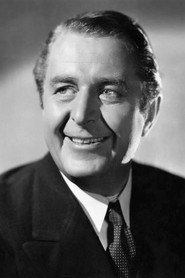 Reginald OwenDexter Grayson
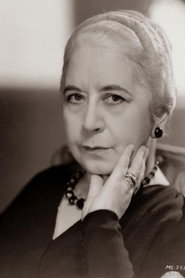 Louise Closser HaleMrs. Schuyler
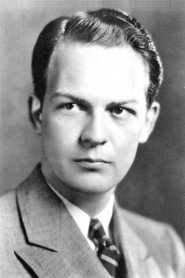 Don DillawayMichael Schuyler
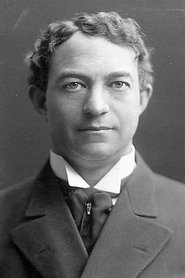 Edmund BreeseConroy
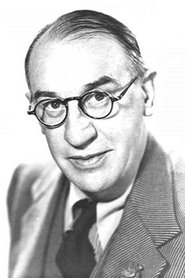 Walter CatlettBingy Baker
- Claud AllisterDawson - the Valet
- Wilson BengeButler (uncredited)
- Vance CarrollReporter (uncredited)
Directing
- Charles C. ColemanAssistant Director
- Dorothy HowellContinuity
- Frank CapraDirector
Writing
- Jo SwerlingAdaptation
- Robert RiskinDialogue
- Douglas W. ChurchillStory
- Harry ChandleeStory
Production
- Frank CapraProducer
- Harry CohnProducer