
Film
Three Smart Girls Grow Up
A 1939 musical comedy where three sisters navigate love and family entanglement with charm and song. Deanna Durbin leads a spirited ensemble through romantic confusion and sisterly scheming. Light, warmhearted, and built on musical numbers that feel earned rather than imposed. It's for anyone who loves Golden Age Hollywood at its most buoyant and unpretentious.
Should you watch it?
Watch it if you enjoy bright, old-fashioned screwball comedy where a quick-witted teenager schemes her way through family muddles and the music arrives as a warm, unforced bonus.
Skip it if you want a modern film with fast cuts and sharp edges, since this 1939 studio picture moves at a leisurely, sentimental clip and its romance plays out in gentle, familiar grooves.
What it asks of you: Ninety minutes of easy, chatty scenes with a light touch; it wants you to settle in with the family and enjoy the banter rather than track any complicated plot.
Not sure? Find tonight's pick in a minute.
If you liked this
The Philadelphia Story1940
Released the same year, it shares the screwball DNA and family drama, but trades the musical numbers for rapid-fire wit and genuine moral complexity. A masterclass in ensemble romantic comedy.
But The pacing assumes you're keeping up. There's no musical breathing room, and some of the gender politics haven't aged as gracefully.

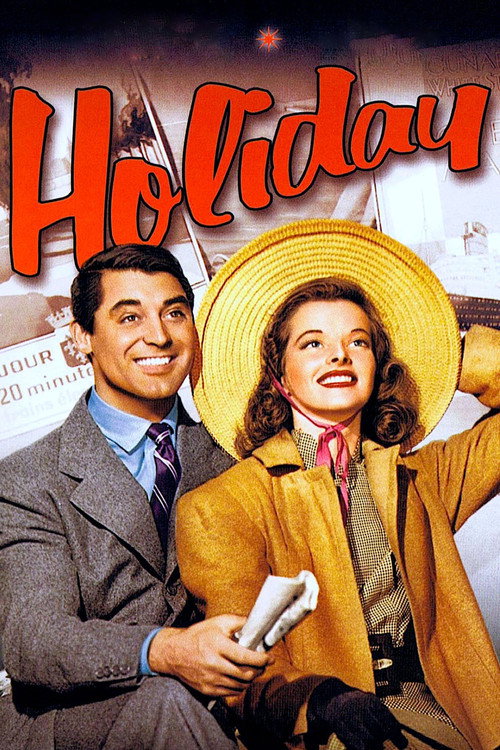
Holiday1938
A Cary Grant and Katharine Hepburn film about love, family loyalty, and choosing your own path. Same era, same blend of comedy and heart, with similar themes about sisterhood and defying expectations.
But More uneven in tone than Three Smart Girls. The screwball sections don't always land, and the message gets heavy-handed by the end.
It Happened One Night1934
A earlier screwball comedy with similar charm and pace—two leads on a journey, witty banter, and situations that escalate naturally. Proof that this formula, when done well, feels timeless.
But The romantic leads matter more than the supporting cast, which makes it feel narrower than an ensemble piece. Also pre-Code, which means some attitudes stick out.

Not sure tonight? Get a pick in a minute, starting from Three Smart Girls Grow Up
The wildcard
Something you would not have found on your own.
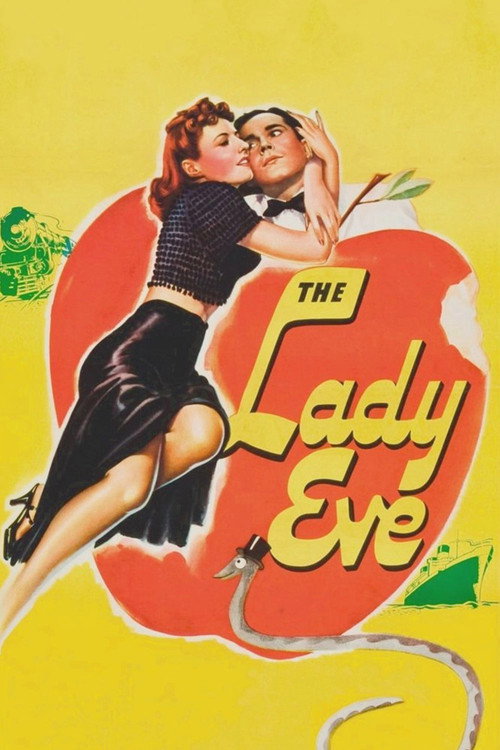
The Lady Eve1941
Both use romantic entanglement and mistaken identity to explore what women actually want and can achieve. Both understand that comedy and emotion aren't opposites—they're the same muscle flexed different ways.
Preston Sturges' masterpiece about a con artist and a wealthy mark, with Barbara Stanwyck running circles around everyone. It's romantic comedy at its most confident—funny, smart, sensual, and genuinely moving. The best film the era produced.
But The central premise involves deliberate deception and manipulation. If you need characters to be honest with each other, the relationship foundation will unsettle you.
More like this (8)
Singin' in the Rain1952
A film that loves being a film, with songs that propel character and story rather than pause it. If you loved the musical moments in Three Smart Girls, this is what that impulse could become.
But The tone is relentlessly bright. There's almost no melancholy or real stakes, which can feel exhausting over two hours.

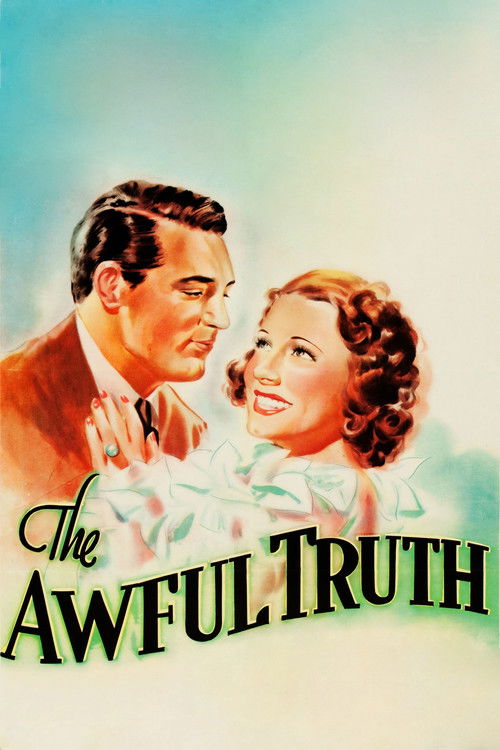
The Awful Truth1937
Cary Grant and Irene Dunne in a divorce comedy that feels modern in its sexual confidence and emotional wit. Shows how good the genre got in this exact moment.
But The screwball rhythm takes discipline to follow, and some of the physical comedy has dated badly. Also much darker about marriage than Three Smart Girls.
Breakfast at Tiffany's1961
A later take on the romantic entanglement story, with a woman charting her own course. Audrey Hepburn brings style and melancholy that grounds the comedy in something real.
But It's a very different film—more cynical, more adult, and the supporting characters don't have the warmth of Three Smart Girls' family dynamics.

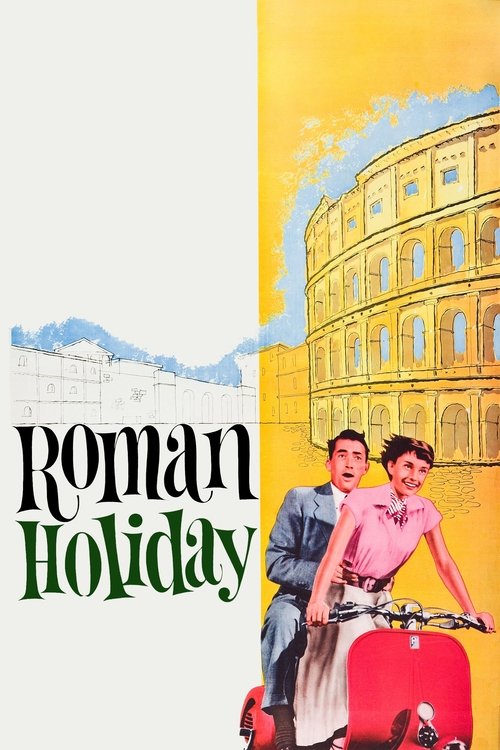
Roman Holiday1953
Gregory Peck and Audrey Hepburn in a charming romance about a princess learning what freedom means. Same lightness, same sense of characters discovering something about themselves.
But It's built entirely on the central romance. There's no ensemble to anchor it, which makes it feel slighter than Three Smart Girls despite being genuinely lovely.
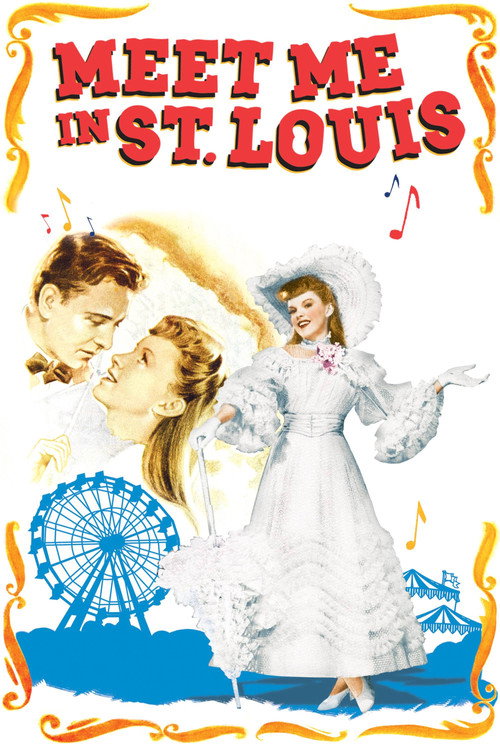
Meet Me in St. Louis1944
Judy Garland in a musical that's actually about family and growing up, not just romance. The musical numbers are integrated seamlessly, and the ensemble warmth rivals Three Smart Girls.
But The pacing is slow by modern standards, and the middle section meanders before the finale. The framing device is clumsy.
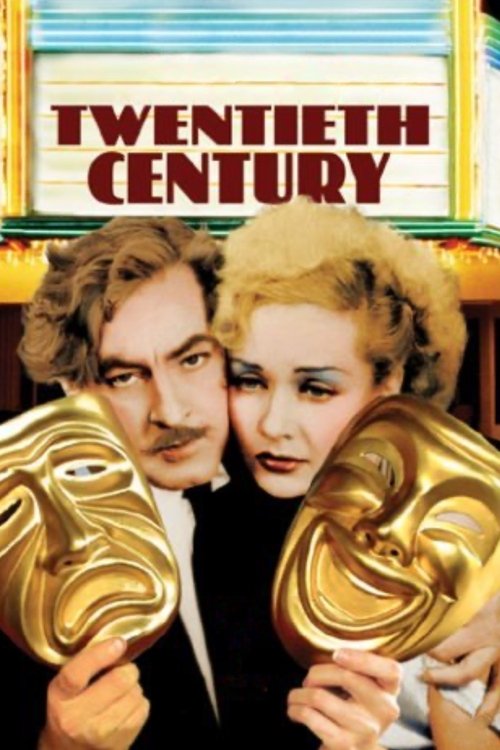
Twentieth Century1934
A screwball comedy on a train with John Barrymore and Carole Lombard. Faster and more anarchic than Three Smart Girls, but proof the form could go wild and still work.
But It's all surface—no heart underneath the chaos. If you need the characters to matter, this will feel exhausting and shallow.
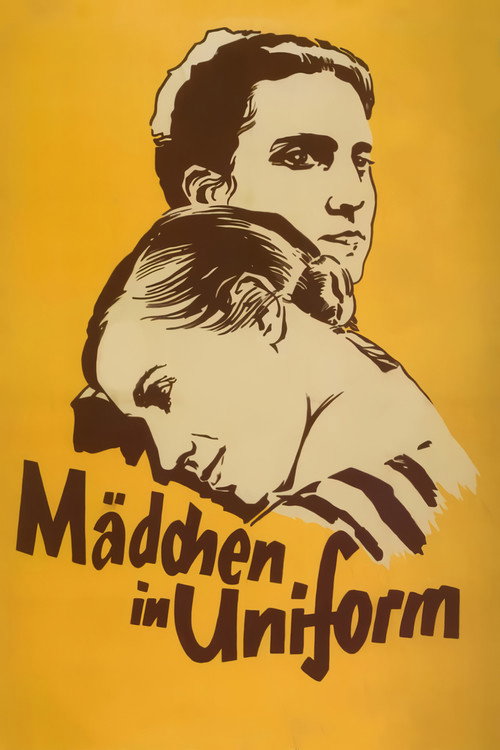
Mädchen in Uniform1931
Both are ensemble films about young women figuring out who they are and what they want. But where Three Smart Girls finds answers in family and music, this finds them in art and accepts some questions have no happy resolution.
A German film about adolescent girls in a boarding school navigating desire, authority, and belonging. It's formally beautiful, emotionally nuanced, and anchored by performances that feel lived-in. A world away from Hollywood gloss, but made in the same era.
But It deals with same-sex desire in ways that were radical then and still matter now. The ending is deliberately ambiguous and sad. This is not lightweight entertainment.
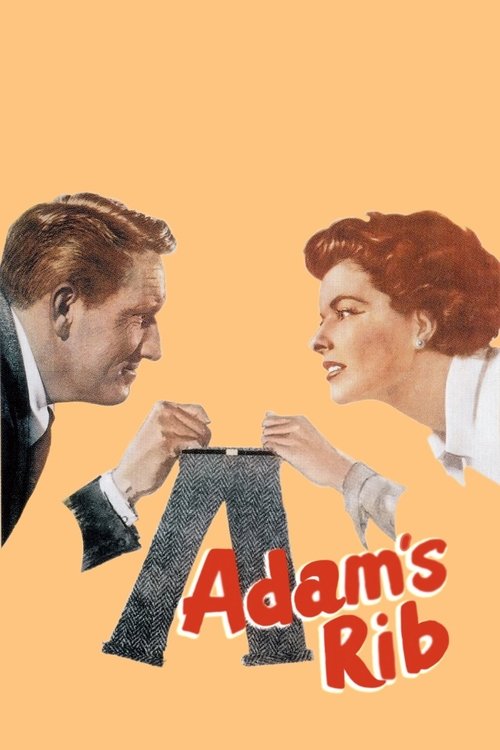
Adam's Rib1949
Both explore what happens when family and romance collide, and both trust women's intelligence and agency. But where Three Smart Girls sees sisterhood as salvation, this asks whether romantic partnership can exist without someone yielding.
Spencer Tracy and Katharine Hepburn as married lawyers on opposite sides of a trial. It's funny, sexy, and genuinely interested in the question of whether men and women can be equals. The musical number feels tacked-on, but everything else lands.
But The gender politics, while advanced for 1949, will feel dated. The film argues for equality but within a heterosexual marriage framework that's assumed as inevitable.
People
Cast
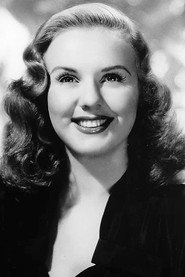 Deanna DurbinPenny Craig
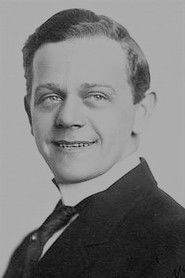 Charles WinningerJudson Craig
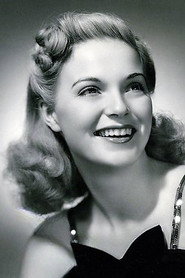 Nan GreyJoan Craig
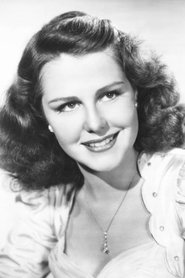 Helen ParrishKay Craig
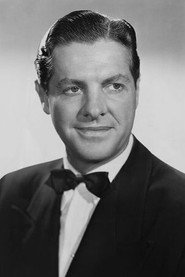 Robert CummingsHarry Loren
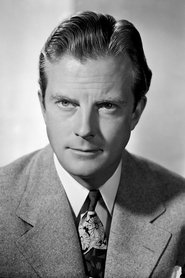 William LundiganRichard Watkins
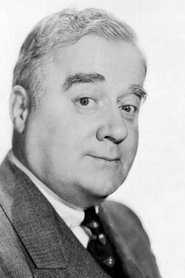 Ernest CossartBinns
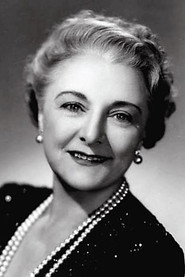 Nella WalkerDorothy Craig
 Felix BressartMusic Teacher
 Wade BotelerGuest
- Ralph BrooksWedding Guest
 Jack ChefeWaiter
Directing
- Henry KosterDirector
Writing
- Bruce ManningScreenplay
- Felix JacksonScreenplay
Production
- Joe PasternakProducer