
Film
24 Hour Psycho
- Very dark
- Strange
- Slow-burning
Douglas Gordon's 1993 art installation stretches Hitchcock's Psycho across 24 hours, slowing it to two frames per second. The result is hypnotic and uncanny—you recognize scenes, but time warps them into something new. It's for people fascinated by how cinema works, how meaning shifts with duration, and what happens when you really look at a masterpiece.
If you liked this
Mulholland Drive2001
David Lynch's fractured Hollywood nightmare plays with narrative structure and audience recognition in ways that echo Gordon's interrogation of cinema itself. Dense, beautiful, endlessly rewatchable.
But It's nearly three hours of deliberately cryptic storytelling that refuses to resolve itself. You'll need to think hard or embrace the confusion.

Stalker1979
Tarkovsky's philosophical slow-burn uses duration and repetition as meaning-making tools. It's cinema as meditation, where time itself becomes the subject. Supremely patient and rewarding.
But At 163 minutes with minimal plot, it's austere and demands active attention. Not for background watching or quick thrills.

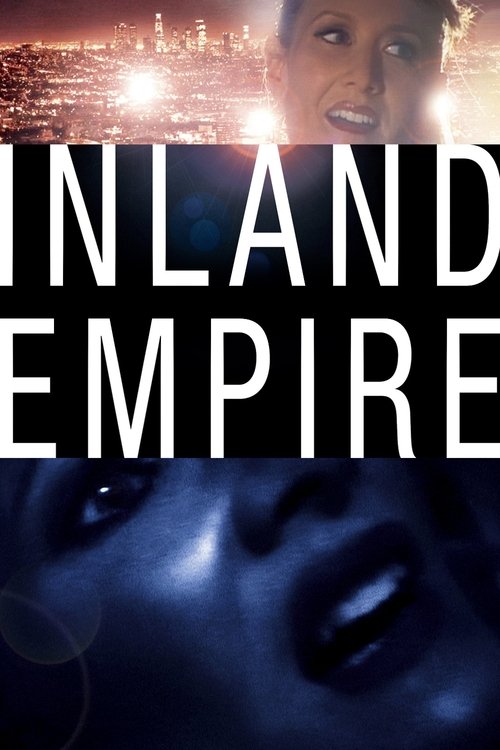
Inland Empire2006
Lynch again, this time three hours of fragmented narrative that dissects authorship, performance, and the uncanny familiarity of cinema. Deliberately difficult, genuinely unsettling, completely original.
But It's cryptic to the point of opacity, shot on digital video that looks deliberately cheap, and resists all interpretation. Even Lynch fans struggle with it.
Not sure tonight? Get a pick in a minute, starting from 24 Hour Psycho
The wildcard
Something you would not have found on your own.
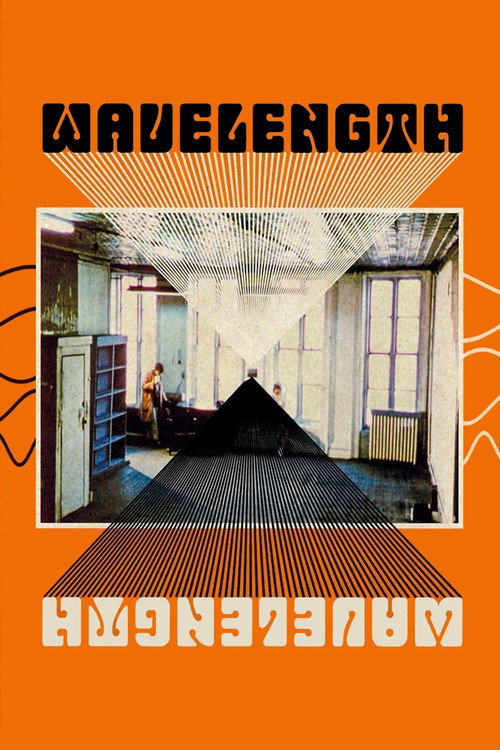
Wavelength1967
Both works empty cinema of narrative content to expose its underlying mechanics. Wavelength is the art-film ancestor; Gordon applies that idea to an existing master text.
Michael Snow's 45-minute fixed-camera zoom across a loft deconstructs cinematic perception itself. Like Gordon, it asks what cinema actually is by removing everything we expect from it. Hypnotic and revelatory.
But Nothing happens. There is no story, no characters, barely any change. Most viewers will find it unwatchable rather than meditative.
More like this (8)
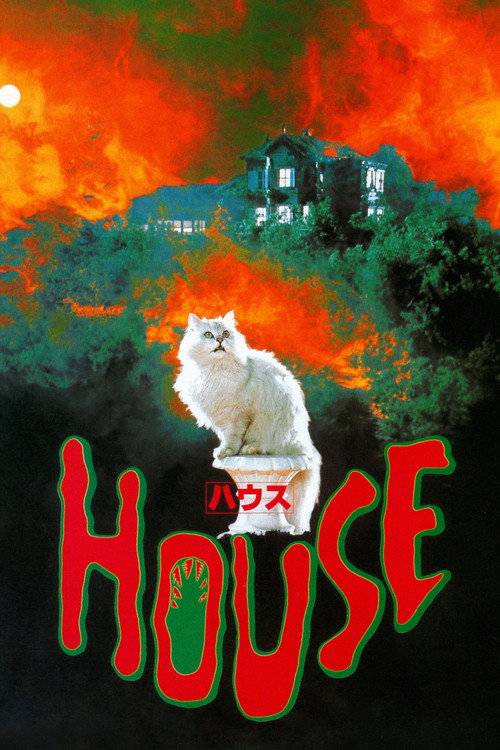
House1977
Kaneto Shindo's experimental horror film fractures narrative across a haunted house. It's visually inventive and disorienting in ways that share Gordon's interest in distorting familiar forms into something new and eerie.
But The editing is deliberately jarring, the logic dream-like rather than coherent. It's strange for strangeness' sake, which won't work for everyone.
Rope1948
Hitchcock's own real-time experiment: shot in nearly continuous takes to unfold without cuts. It's a direct ancestor to Gordon's idea of warping Hitchcock's temporal logic—Hitch playing with time in his own way.
But The constraint of real-time staginess can feel claustrophobic rather than thrilling. It's more formally interesting than dramatically gripping.

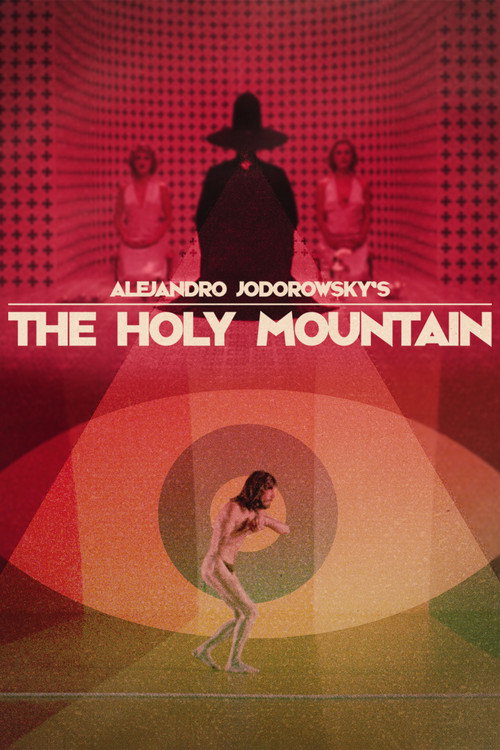
The Holy Mountain1973
Jodorowsky's surrealist epic resists conventional narrative logic and asks what cinema can do beyond storytelling. Visually dazzling, thematically dense, genuinely transformative if you surrender to it.
But It's pretentious and often incomprehensible. Some scenes are grotesque or disturbing. You might spend two hours furious you're watching it.
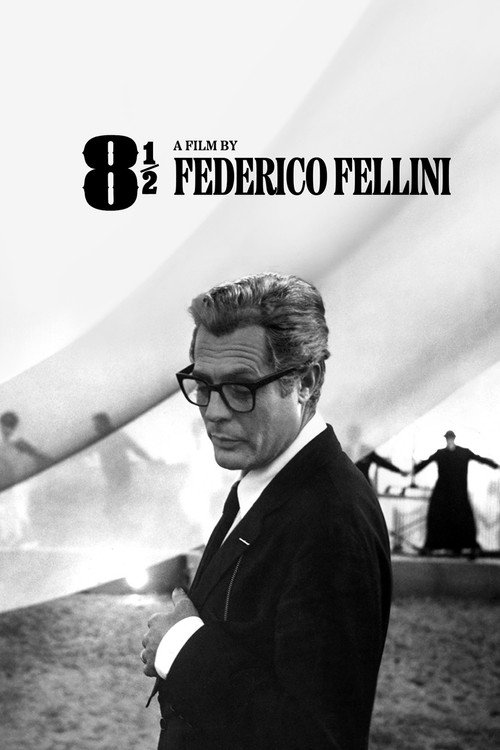
8½1963
Fellini's metafilm about filmmaking itself fractures narrative to mirror the mind of a director in crisis. It's infinitely rewatchable and shares Gordon's interest in how cinema represents consciousness and memory.
But The structure is genuinely confusing, especially early on. If you need clear plot beats, you'll be frustrated for the first hour.
Synecdoche, New York2008
Kaufman's labyrinthine film-within-film collapses reality and representation. Like Gordon, he's interested in how the familiar becomes strange when you look at it too long, and what authorship really means.
But It's deliberately maximalist and recursive to the point of overwhelming. Some find it brilliant, others find it exhausting self-indulgence.

Contempt1963
Godard's film-about-making-a-film interrogates cinema, authorship, and the gap between intention and result. Gorgeous and intellectually alive, it shares Gordon's fascination with cinema examining itself.
But It's slow, digressive, and more interested in ideas than narrative momentum. The French New Wave demands patience that not everyone has.

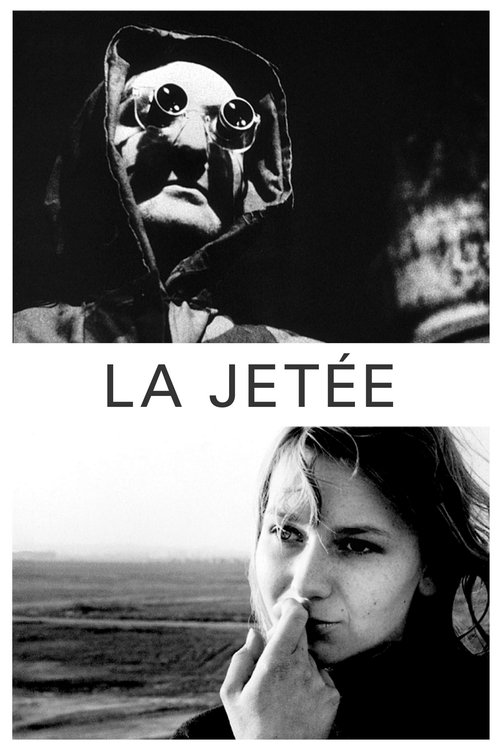
La Jetée1962
Both compress or expand time to create new emotional meanings. Marker does it by removing motion; Gordon does it by removing speed. Same obsession, inverted methods.
Chris Marker's time-bending science-fiction poem is almost entirely still photographs with narration. It's about memory, duration, and the power of the static image—a completely different formal approach to interrogating time and cinema.
But The reliance on photos instead of moving images frustrates viewers expecting conventional film grammar. Some find it more like an illustrated essay than cinema.
Daughter Rite1979
Both artists take pre-existing material—Hitchcock, home movies—and slow it down, repeat it, and defamiliarize it to uncover emotional and philosophical truths about time and memory.
Michelle Citron's experimental film splices together home movies, text, and Super-8 footage to explore family memory and authenticity. Like Gordon, it's obsessed with how repetition, time, and appropriation reveal hidden meanings in familiar material.
But It looks deliberately crude and unfinished. The narrative is fragmented and personal rather than universal. It's a private work that doesn't always communicate to strangers.
People
Directing
- Douglas GordonDirector