
Film
Sleep
- Strange
- Slow-burning
Andy Warhol's five-hour film of poet John Giorno asleep is a provocation and a gift. It's deadpan maximalism: the opposite of entertainment, yet strangely hypnotic. You watch time itself. Not for everyone, but for anyone curious about what cinema can be when it stops trying to please.
Should you watch it?
Watch it if you enjoy experimental films that treat duration itself as the subject, and find that a patient, unblinking look at ordinary stillness can feel more intimate than any plot.
Skip it if you need story, momentum or any sense of progress to stay engaged, because almost nothing changes across its length and the stillness will test your patience.
What it asks of you: Its shape is one largely static image and a running time of over five hours, so you settle in for the long haul rather than follow any plot.
Not sure? Find tonight's pick in a minute.
If you liked this
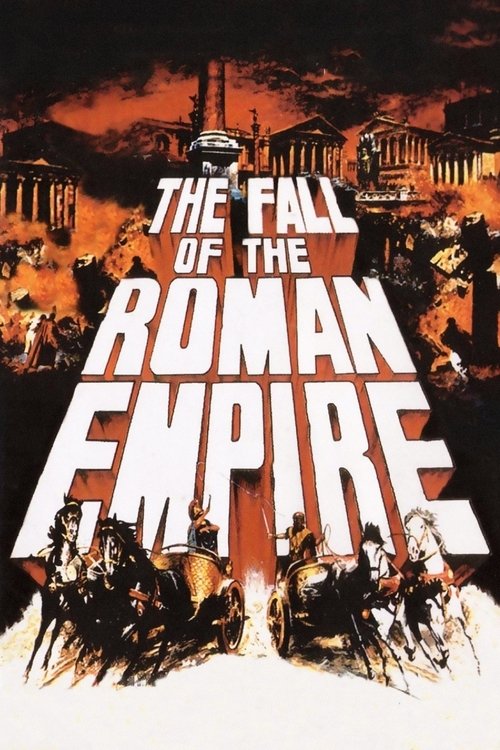
The Fall of the Roman Empire1964
Warhol's eight-hour static shot of the Empire State Building. If Sleep intrigues you, here's proof Warhol meant it: cinema as durational endurance, asking what watching actually is.
But Nothing happens. Not in a plot sense—nothing happens in a literal, photographic sense. Eight hours of a building.
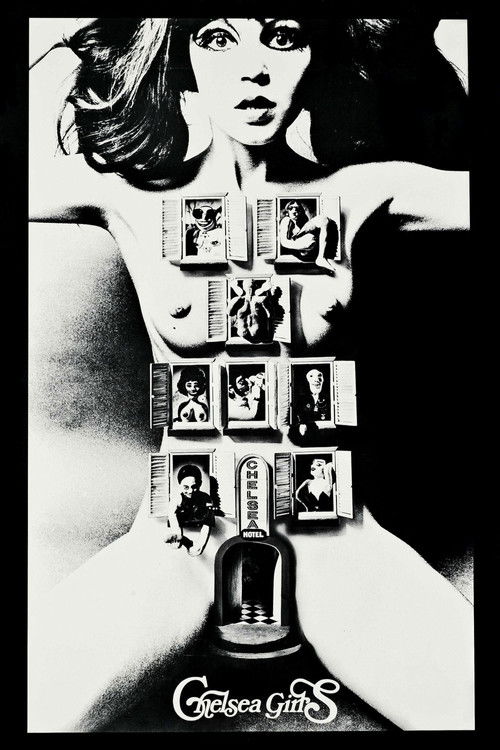
Chelsea Girls1966
Warhol's three-hour split-screen portrait of Chelsea Hotel life: dancers, addicts, philosophers. It moves more than Sleep, but keeps that same generous, non-judgmental camera fixed on people being themselves.
But Deliberately chaotic and structurally demanding. The split-screen requires active attention, and there's no narrative momentum to carry you.
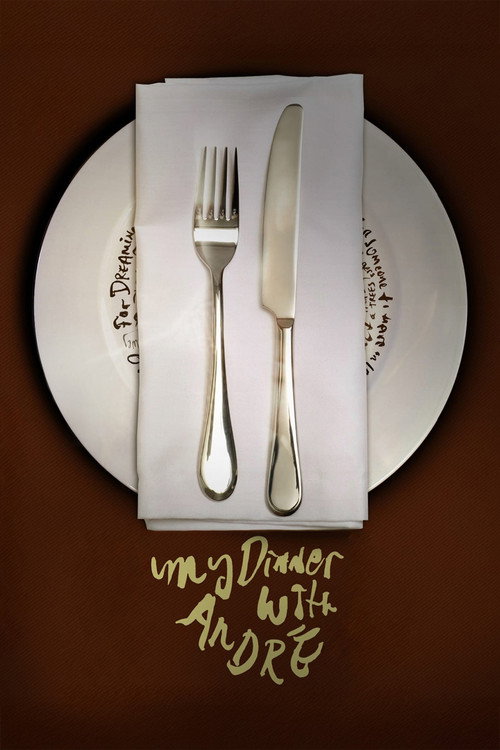
My Dinner with Andre1981
Two men talk for nearly two hours in a restaurant. Like Sleep, it trusts conversation and stillness over plot. Warhol proved cinema could be about duration; this proves it can be about ideas, simply filmed.
But If you need external plot conflict, this will feel like eavesdropping on someone else's philosophy conversation. Some find it precious.
Not sure tonight? Get a pick in a minute, starting from Sleep
The wildcard
Something you would not have found on your own.
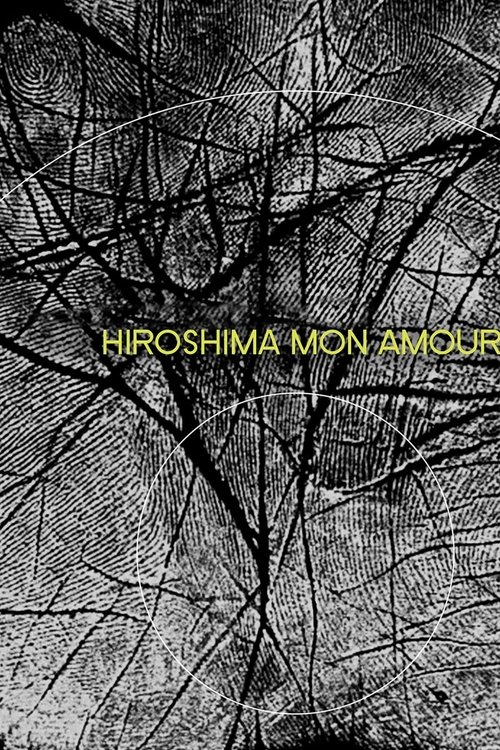
Hiroshima Mon Amour1959
Both use cinema's unique power over duration to alter how we perceive. Sleep uses duration emptily; Hiroshima uses it to hold contradictions. Different registers, same essential idea.
Alain Resnais uses time itself as a character—memory, forgetting, duration all shape the narrative. Like Sleep, it's about how cinema can make time tangible. But here, time carries trauma and love.
But Experimental narrative structure, unsettling 1950s European pacing. If you want clarity, the emotional complexity will frustrate you. It's allusive, never direct.
More like this (6)
Jeanne Dielman, 23, quai du Commerce, 1080 Bruxelles1976
Three hours of a woman doing housework. Like Sleep, it's anti-narrative cinema about time, routine, and observation. Chantal Akerman's masterpiece in the Warhol tradition.
But Glacially paced. The repetition is the point, but that point is harder to sit with than most cinema demands.

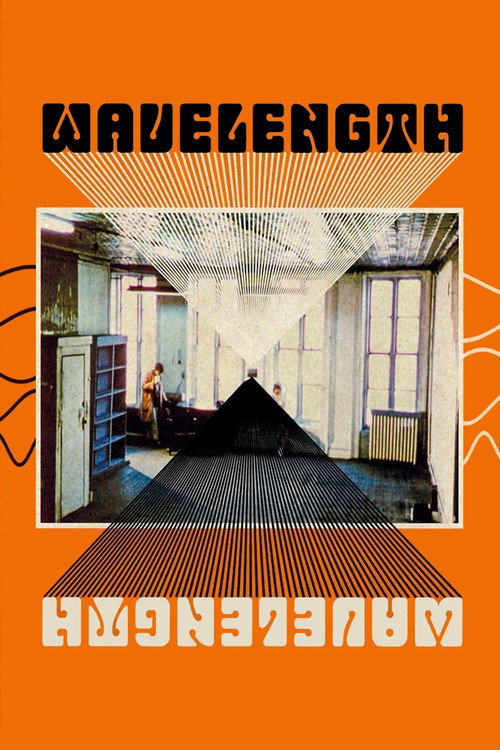
Wavelength1967
Michael Snow's 45-minute zoom across a New York loft. Structural cinema at its purest: a single formal idea explored completely. If Sleep fascinates you, this is necessary.
But Even more austere than Sleep. A single camera movement. Some call it essential; some call it a stunt.
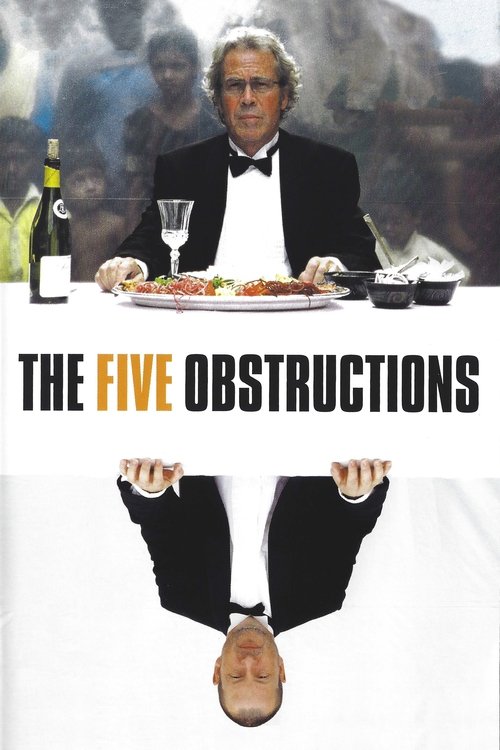
The Five Obstructions2003
Lars von Trier and Jørgen Leth remake a short film five times under bizarre constraints. Like Sleep, it's about the form itself—but here, form becomes a game you can actually follow.
But Conceptual exercises don't always deliver emotional payoff. Some segments feel clever rather than moving.
Come and See1985
Elem Klimov's harrowing war film uses duration as psychological weapon. If you appreciated how Sleep uses time to alter perception, this uses it for horror—but with equal formal rigor.
But Extremely difficult viewing. Not experimental difficulty—the difficulty of witnessing atrocity. This is not cerebral; it's destructive.

Sans Soleil1983
Chris Marker's 100-minute essay-film moves through time, memory, and geography with a wandering camera. Meditative like Sleep, but layered with voiceover and meaning. Sleep's gentler cousin.
But Deliberately fragmented. The voice doesn't explain the images; you have to find the connection yourself. Some experience this as profound; others find it frustrating.

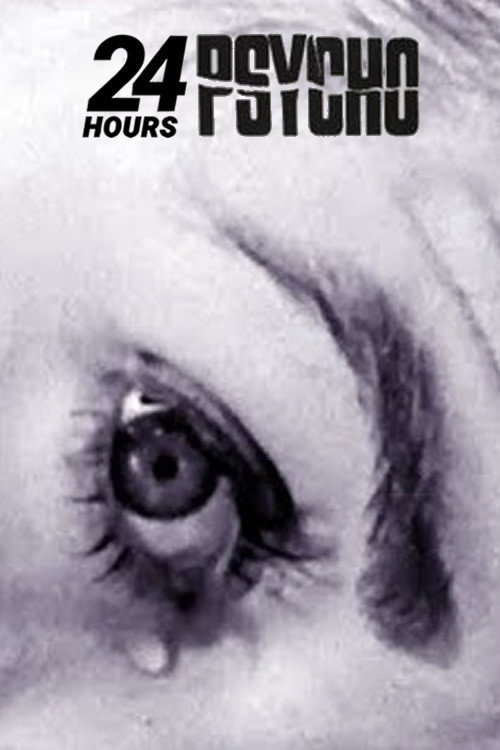
24 Hour Psycho1993
Douglas Gordon slows Hitchcock's Psycho to a 24-hour crawl. A bridge between Sleep's duration and narrative cinema. Familiar film made strange through time alone.
But You already know Psycho. Watching it this slowly feels like an intellectual exercise rather than an experience. Gimmicky, even if the concept is clever.
People
Cast
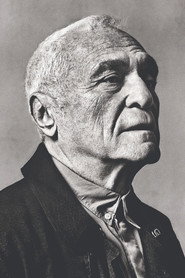 John GiornoHimself
Directing
- Andy WarholDirector