
Film
The Flicker
- Strange
A thirty-minute structural film from 1966 composed entirely of alternating black and white frames. It's hypnotic, meditative, and demands patience—a pure experiment in perception and cinema's fundamental nature. For those curious about avant-garde film as an idea rather than a narrative experience.
If you liked this
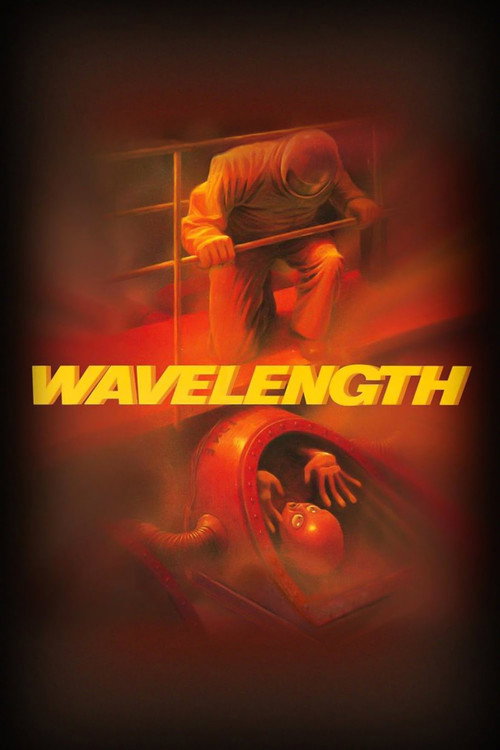
Wavelength1983
Hollis Frampton's canonical structural film uses a single zoom across a loft space to explore time, perception, and cinema's relationship to reality. Essential viewing for understanding experimental film's intellectual roots.
But It's a 45-minute static shot with minimal visual change. If you need plot or conventional pacing, this will feel like punishment rather than revelation.
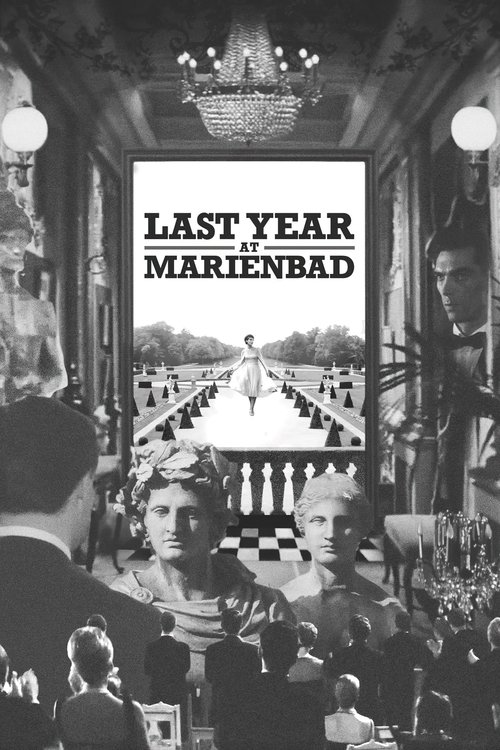
Last Year at Marienbad1961
Alain Resnais' glacial, repetitive puzzle uses formal structure to interrogate memory and reality. Like The Flicker, it trusts viewers to find meaning in pattern and absence rather than plot.
But It's oblique to the point of opacity. The narrative loops deliberately without resolving. Some find it profound; others find it tedious by design.
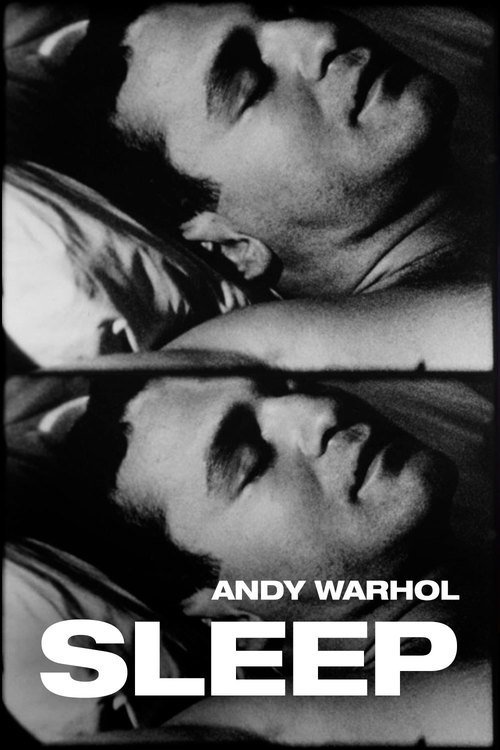
Sleep1964
Andy Warhol films his lover sleeping for five hours. It sounds maddening and is—but it's also a genuine meditation on time, attention, and what cinema can be. A touchstone of structural minimalism.
But You are not meant to watch all of it. Warhol knew this. If you try, you will understand why. Patience is required; completion is optional.
Not sure tonight? Get a pick in a minute, starting from The Flicker
The wildcard
Something you would not have found on your own.
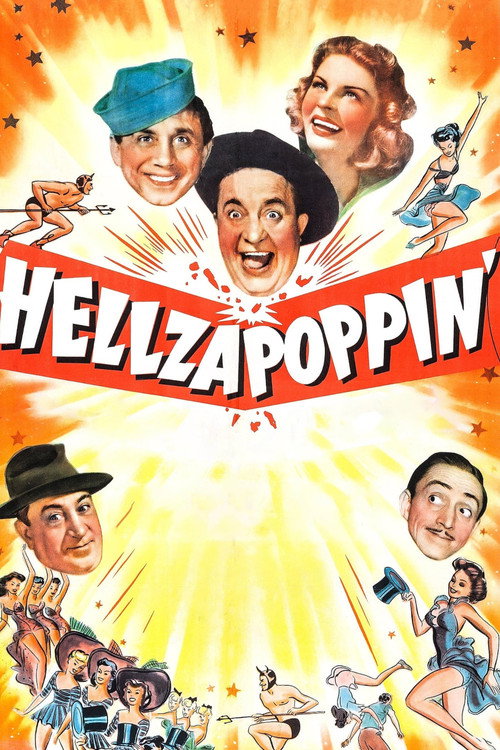
Hellzapoppin'1941
Opposite register, opposite era, but both films interrogate the medium itself by breaking its conventions. One through flicker, one through anarchy. Both say: cinema doesn't have to do what you expect.
A Warner Bros. comedy that breaks the fourth wall, tears up the script, and plays with cinema's grammar as brutally as any avant-garde film. It's anarchic, visually playful, and genuinely ahead of its time in questioning what a movie can be.
But It's shaped like a vaudeville skit. If you want a coherent plot, you won't find one. The chaos is the point, and sustained chaos exhausts some viewers.
More like this (2)
Nostalgia1983
Andrei Tarkovsky's seven-hour film moves with glacial slowness through memory and faith. It shares The Flicker's patience with duration and its demand that viewers find their own meaning in the space between moments.
But It's a test. Not everyone passes, and Tarkovsky won't help you. Seven hours, minimal dialogue, tangible boredom interspersed with transcendence—for some, those are the same thing.
The Fall of the Roman Empire1964
Warhol again: the Empire State Building, static, for eight hours. It's the reductio ad absurdum of cinema, and paradoxically, it works. Time becomes the subject, and attention becomes the art form.
But It's a provocation masquerading as art. Many people see it as a con, and they're not entirely wrong. But the con is honest about being a con.
People
Directing
- Tony ConradDirector