
Film
Blow Job
- Strange
- Slow-burning
Warhol's 1964 provocation is exactly what its title suggests: a static, unflinching 35-minute close-up of a man's face during oral sex. It's a challenge to cinema itself—rejecting narrative, editing, and conventional beauty for radical honesty. For those curious about art history's boundary-pushers and willing to sit with discomfort.
If you liked this
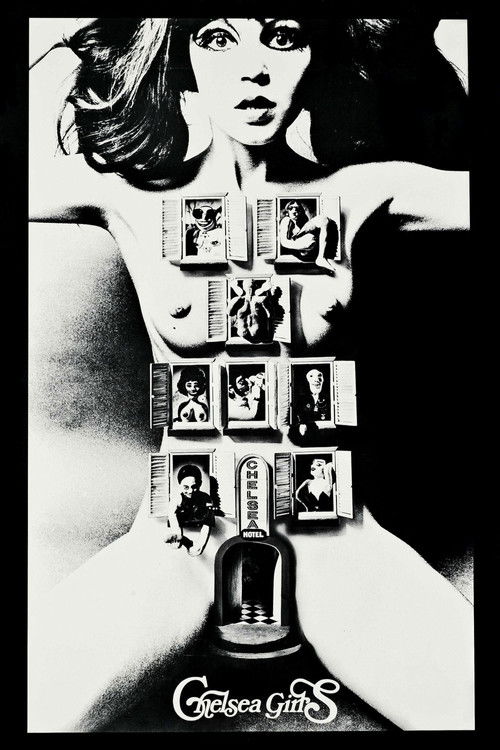
Chelsea Girls1966
Warhol's most accessible experimental film: split-screen narratives of New York's underground scene, funny and weird and human. A gentler entry to his avant-garde practice.
But The non-linear structure and lack of traditional plot can feel deliberately tedious rather than artistically provocative.
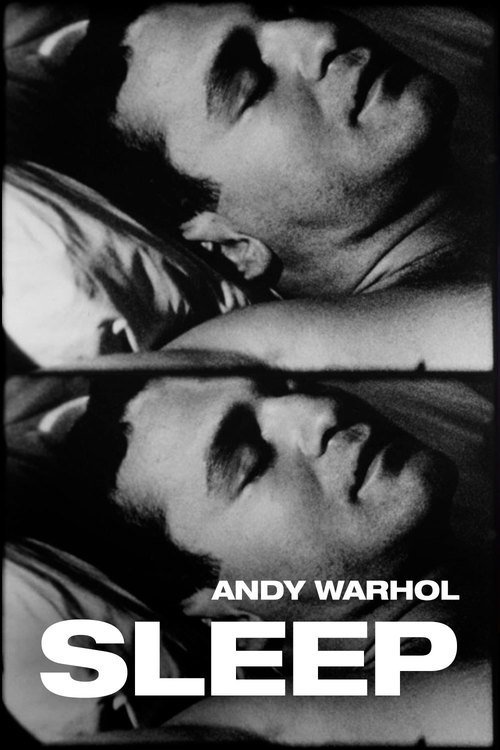
Sleep1964
Warhol's earlier masterpiece: five hours of a woman sleeping. It sounds like a joke, but it's meditative, almost tender. Pure cinema as observation without judgment.
But Genuinely boring for most viewers. There is no story, no arc, no payoff. It requires patience that most people reasonably do not have.
The Fall of the Roman Empire1964
Eight hours of the Empire State Building at dusk. Hypnotic, radical, and oddly moving once you surrender to it. A statement about time, attention, and what cinema can be.
But Eight hours. You will need a very specific mood and genuine commitment to sit through this.
Not sure tonight? Get a pick in a minute, starting from Blow Job
The wildcard
Something you would not have found on your own.
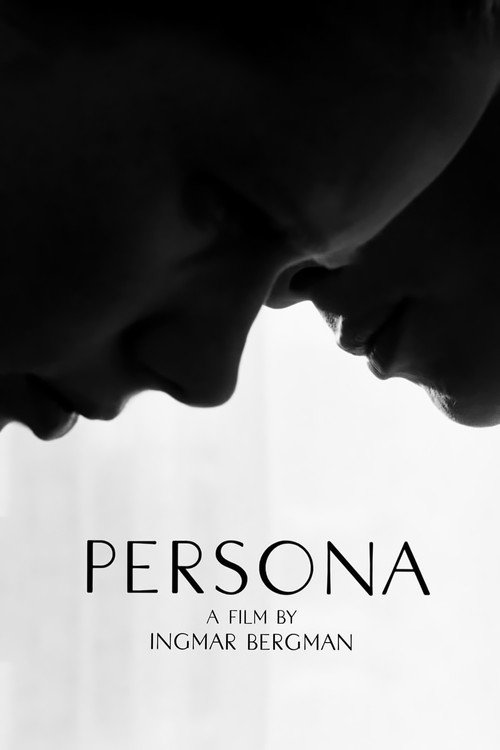
Persona1966
Both films understand that a human face under sustained attention becomes a landscape. Both refuse to look away. But where Warhol aims to provoke, Bergman aims to illuminate consciousness itself.
Bergman's psychological thriller about an actress who stops speaking and a nurse assigned to her care. It's a portrait of two faces—one speaking, one silent—and the intimacy of observation. Like Blow Job but with plot, emotion, and philosophical depth.
But Dense, slow, and uncomfortably intimate. The long sequences of wordless interaction can feel like psychological horror rather than art.
More like this (8)
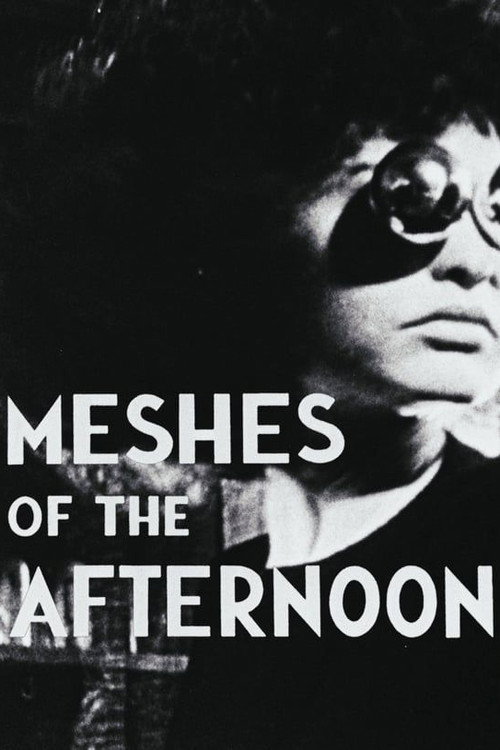
Meshes of the Afternoon1943
Maya Deren's experimental classic predates Warhol: a 14-minute dream-logic film using repetition and mirror logic to explore identity and desire. Profound and only a quarter-hour.
But The abstract symbolism feels dated in places, and the repetitive structure can feel mannered rather than meaningful.
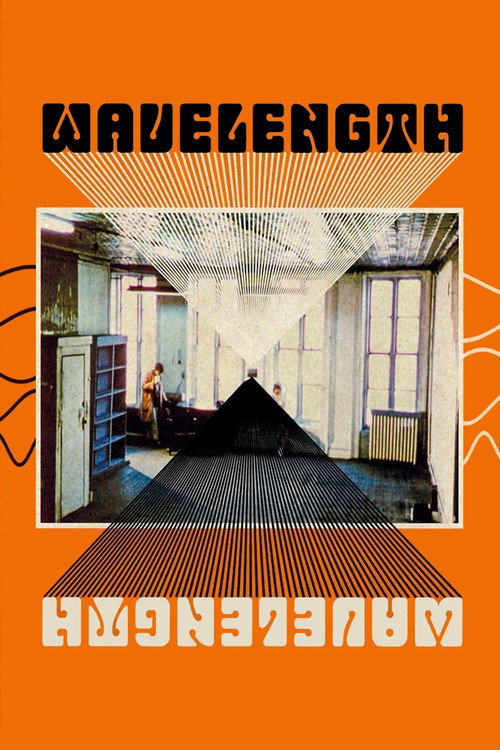
Wavelength1967
Michael Snow's masterwork: a 45-minute zoom across a loft. Like Warhol but with a formal structure underneath. Hypnotic and genuinely revelatory about how we perceive space and time.
But The slowness is intentional but unforgiving. If you're not in the headspace for it, it feels like punishment rather than art.
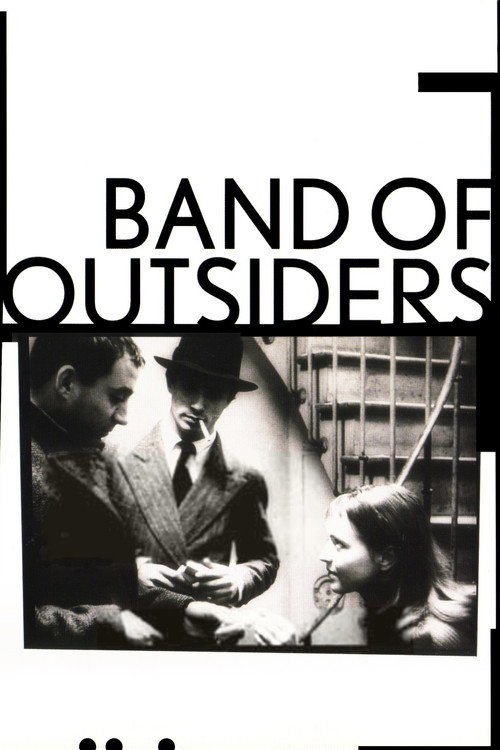
Band of Outsiders1964
Godard's 1964 gem: three Parisian misfits plot a heist with style and deadpan wit. Playful, formally inventive, and genuinely fun. A gateway to French New Wave cinema.
But The self-conscious formalism and jump cuts can feel affected. Some viewers resent the movie's own winking at the camera.
Contempt1963
Also 1964: Godard's meta-masterpiece about a filmmaker, his wife, and the collapse of their marriage during a production. Stunning color cinematography and genuine emotional weight beneath the form-play.
But The long philosophical scenes test patience, and the ending offers no resolution or catharsis for some viewers' tastes.

Stalker1979
Tarkovsky's slow-burn sci-fi: a guide leads two men through a mysterious zone to reach a wish-granting room. Meditative, visually stunning, deeply philosophical about desire and meaning.
But 163 minutes of deliberate pacing. The 'action' is psychological and internal; nothing happens in conventional terms.

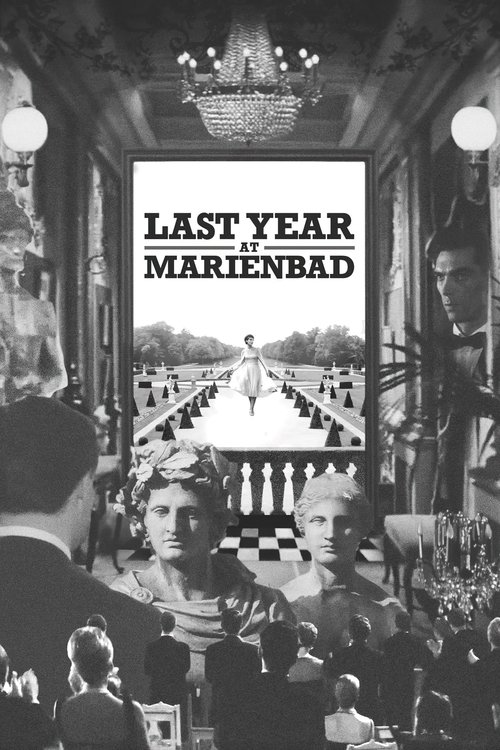
Last Year at Marienbad1961
Resnais and Robbe-Grillet's puzzle-box: a man insists he met a woman last year; she cannot remember. Formally dazzling, mysterious, endlessly debatable. A film that rewards rewatching and thinking.
But The narrative is deliberately obscure and possibly irresolvable. Some find this intoxicating; others find it frustrating and pretentious.
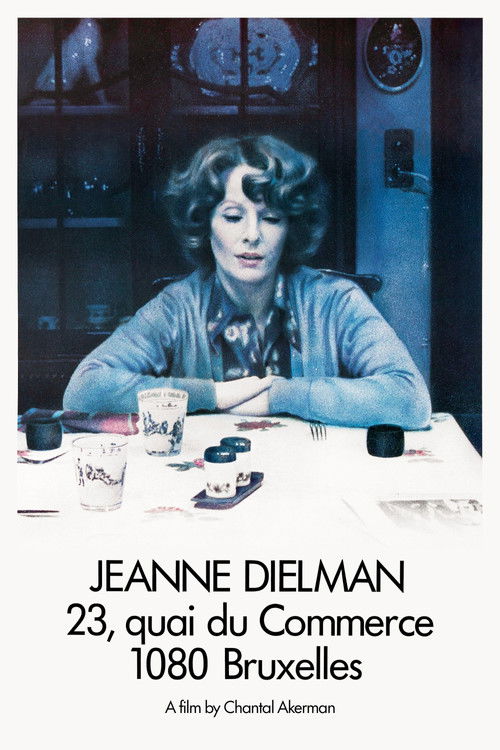
Jeanne Dielman, 23, quai du Commerce, 1080 Bruxelles1976
Both reject the pleasure principle in cinema. Both use duration and the unmediated body as their subject. Both make viewers confront their own expectations and impatience.
Chantal Akerman's three-hour avant-garde epic: a widow's daily routine—cooking, cleaning, sex work—filmed in real time with no music or manipulation. It sounds boring; it's hypnotic and revelatory about labor, time, and the female body.
But Three hours of quotidian domestic activity with minimal dramatic incident. The form is the point, which will infuriate those wanting traditional narrative.
Sans Soleil1983
Like Blow Job, it's an act of radical cinema that defies genre. Where Warhol uses stasis, Marker uses digression—but both demand the viewer's active participation and refusal to look away.
Chris Marker's essay-film: a letter about memory, travel, and cinema itself. Shot across Japan, Guinea-Bissau, and Iceland, it's a film-essay of stunning beauty and ideas. Enigmatic but endlessly rewarding.
But Formless and digressive. The voice-over is sometimes pretentious, and there's no narrative spine to anchor the viewer.

People
Cast
 DeVeren BookwalterThe Receiver (uncredited)
 Willard MaasThe Giver (uncredited)
Directing
- Andy WarholDirector
Production
- Andy WarholProducer
Recommended by
Flaming Creatures, Chelsea Girls, Scorpio Rising, The Telephone Book