
Film
El año del diluvio
A Spanish drama about a nun who attempts to modernize her order's crumbling hospital during an oppressively hot summer. Quiet, character-driven, anchored by Fanny Ardant's restraint. It's a story about faith colliding with practical necessity, about aging institutions and the people who love them despite their decay.
If you liked this
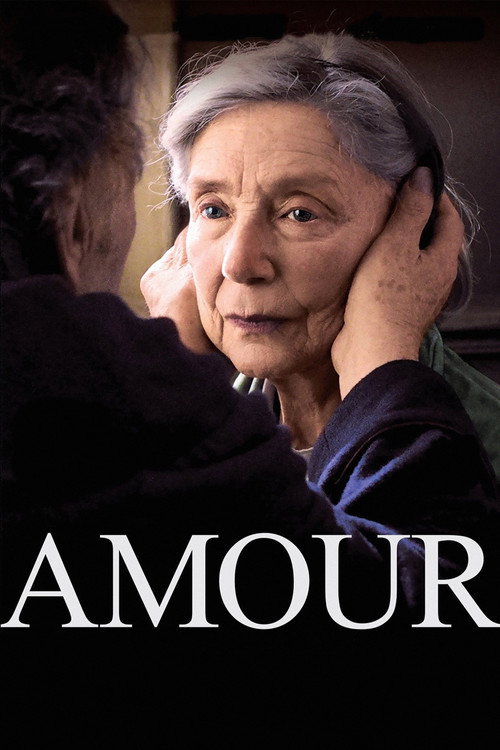
Amour2012
Michael Haneke's portrait of an elderly couple navigating terminal illness with brutal honesty and unexpected tenderness. It has the same patient observation of quiet suffering and institutional care that grounds El año del diluvio.
But It's unrelenting in its refusal to comfort. Long, static takes. Some viewers find it punishing rather than moving.
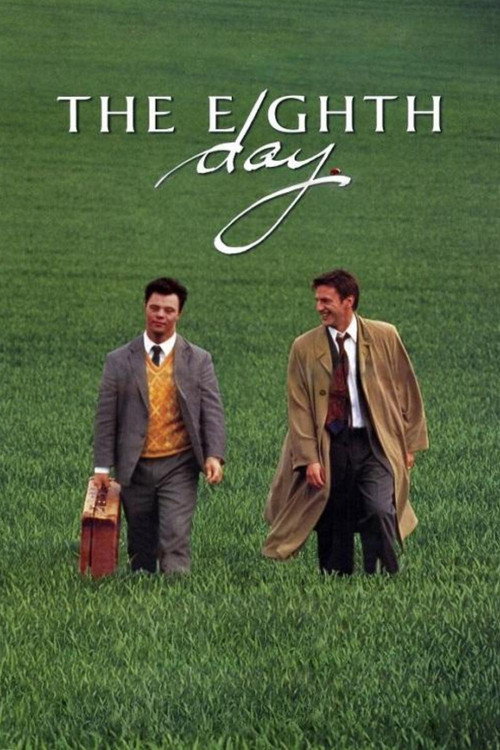
The Eighth Day1996
Jaco Van Dormael's film about a man with Down syndrome and an unhappy commuter whose lives intersect. Both films find grace and connection in places society has forgotten, with gentle humanism.
But It's very much of the 1990s in its style. The pacing is deliberate to the point of testing your patience.
Moonlight2016
Barry Jenkins explores an institution—the body itself—under pressure, with a similar restraint and refusal to oversell emotion. Both films trust their actors' faces over dialogue.
But If you're expecting narrative momentum, you'll be disappointed. It asks for active watching.

Not sure tonight? Get a pick in a minute, starting from El año del diluvio
The wildcard
Something you would not have found on your own.
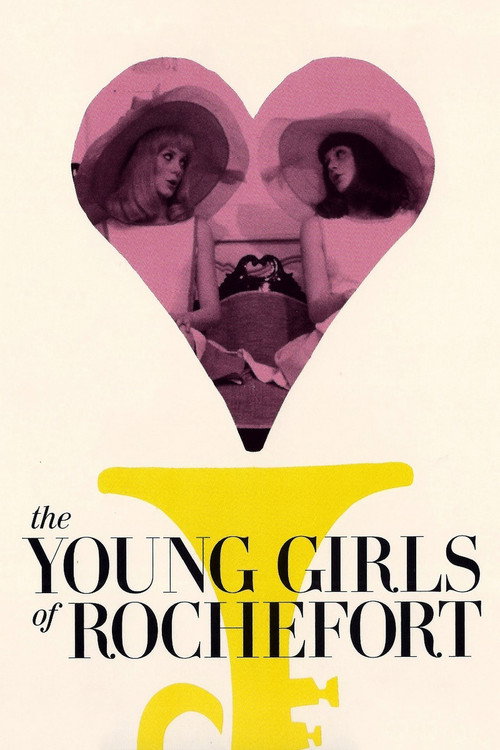
The Young Girls of Rochefort1967
Both are French-language films about communities sustained by work, duty, and genuine affection between people. Both suggest that institutions—a convent, a town—are held together by love, not law.
Jacques Demy's musical about sisters, community, and connection in a small French town. A completely different register—bright, musical, joyful—but animated by the same faith in human connection and institutional life.
But It's a 1960s musical. If pastel colors, choreography, and romantic whimsy aren't your language, it will feel saccharine.
More like this (8)
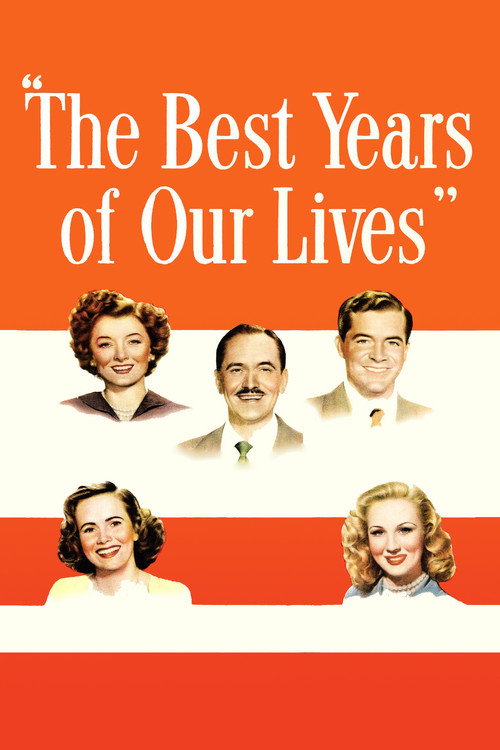
The Best Years of Our Lives1946
William Wyler's ensemble drama about people struggling to adapt to change and find purpose. It shares that interest in how institutions and people age, and what we owe each other.
But Three hours long and very much a product of its era. Some of the sentiment feels dated now.
Spotlight2015
A film about institutional failure and the people within those institutions trying to do the right thing. The same moral complexity: the system is corrupt, but the people are complicated.
But It's an ensemble procedural that can feel a bit distant. Some find it too controlled and not emotionally present enough.

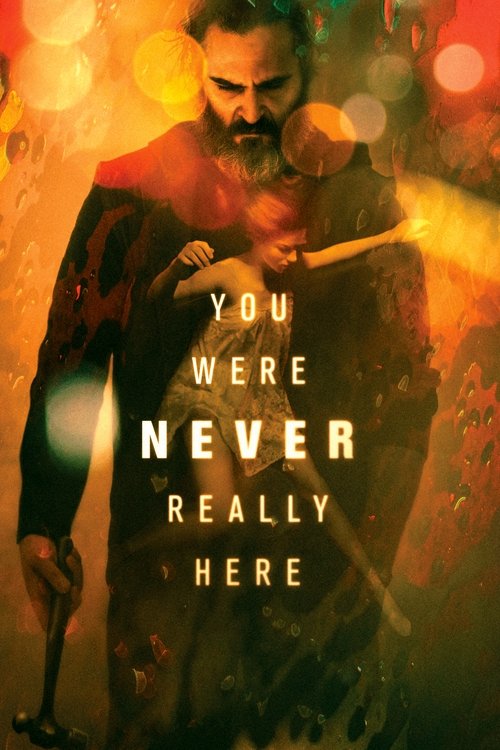
You Were Never Really Here2017
Lynne Ramsay's film about care and brokenness, about people trying to help in a world that resists it. It has a similar sense of institutions as fragile, human-scaled things.
But It's fragmented, hallucinatory, and sometimes incoherent. The style can overwhelm the story.
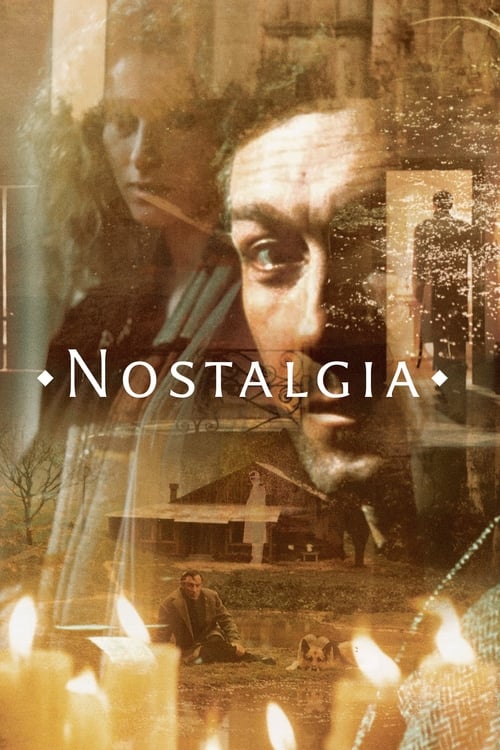
Nostalgia1983
Andrei Tarkovsky's meditation on faith, memory, and the past. Slow, contemplative, about an intellectual grappling with what he has believed and why. Shares El año del diluvio's interest in spiritual institutions under pressure.
But 163 minutes of Tarkovsky means long takes and philosophical discourse. Not for viewers who need plot momentum.
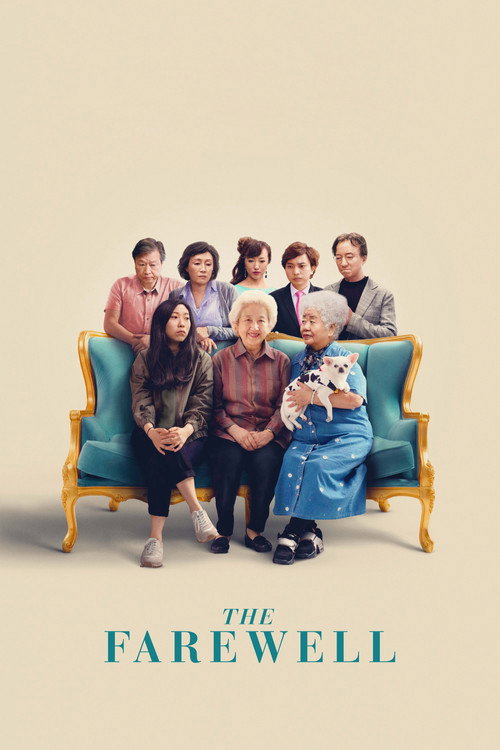
The Farewell2019
Lulu Wang's film about family, duty, and the gap between how we're supposed to feel and how we actually do. It has that same gentle observation of people trying to do right by tradition.
But It wears its Sundance indie sensibility openly. Some find it a bit too precious and self-aware.
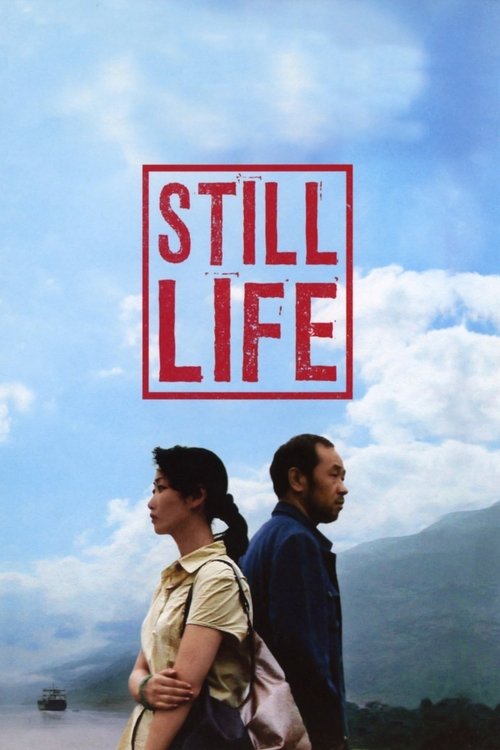
Still Life2006
Jia Zhangke's film about an old man searching for his family in a changing city. Meditative, about how people endure and adapt. The same interest in how institutions and lives persist in erosion.
But Very long, very slow. Shot in long static frames. It requires real patience and commitment from the viewer.
Synecdoche, New York2008
Both films are structured around institutions—a hospital, a theatre-inside-a-warehouse—as metaphors for how we organize our lives in the face of entropy and death. Both ask: what do we preserve, and why?
Charlie Kaufman's baroque, metafictional drama about an artist building a replica of his life inside a warehouse. Nightmarish where El año del diluvio is serene, but both are obsessed with how we construct meaning from decay and mortality.
But It's deliberately confusing and gets worse as it goes. Philip Seymour Hoffman is playing a man having a breakdown. Some find it pretentious and exhausting.

A Prophet2009
Both see institutions not as monoliths but as ecosystems where people form real relationships despite—and sometimes because of—the system's constraints. Both are ultimately about how humans humanize the inhuman.
Jacques Audiard's brutal prison drama about a young man finding unexpected mentorship and community in an institution designed to dehumanize. Shares that paradox with El año del diluvio: how care and connection can flourish in broken systems.
But Violent, prison-set, sometimes darkly brutal. If you're looking for gentleness, this isn't the place. It's French-language and requires attention.

People
Cast
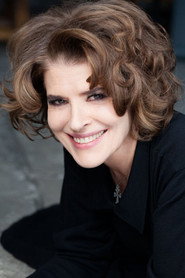 Fanny ArdantSchwester Consuelo
 Darío GrandinettiAixelá
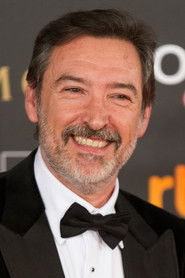 Ginés García MillánBalaguer
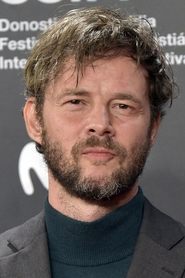 Eloy AzorínBartolo
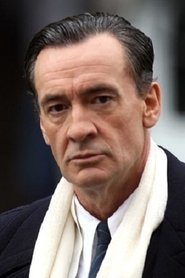 Francis LorenzoMoisés
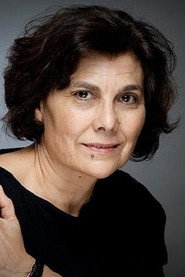 Pepa LópezMaría
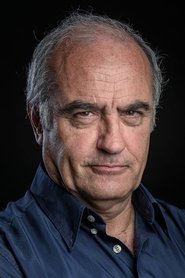 Francesc OrellaCabo Lastre
- Sandra De FalcoEcónoma
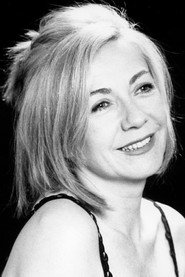 Rosa NovellHermana lectora
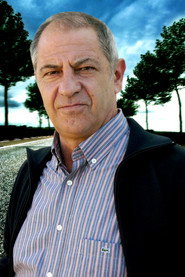 Miquel GelabertBoix
- Quim ArmengolMaqui 1
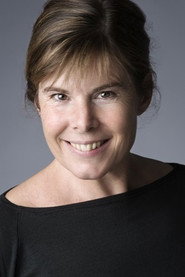 Fina RiusHermana Jacoba
Directing
- Jaime ChávarriDirector
Writing
- Eduardo MendozaWriter
- Jaime ChávarriWriter
Production
- Àngels MasclansProducer
- Antonio ChavarríasProducer
- Fabio ConversiProducer
- Francesco PamphiliProducer
- Juan GonaProducer