
Television series
Country Music
Ken Burns' sweeping documentary series traces country music from Appalachian roots through Nashville's dominance, weaving together archival footage, photographs, and interviews to show how a regional sound became America's dominant genre. It's immersive and moving—part history lesson, part love letter. For anyone curious about American culture, identity, or how art shapes a nation.
Should you watch it?
Watch it if you love tracing how a music grew out of particular places and ordinary lives, and you're happy to let old recordings and a calm narrator carry you from mountain songs to the Opry.
Skip it if you want a lively, opinionated story with recent stars and fresh drama; this is measured and reverent, spending its energy on the early decades rather than the present.
What it asks of you: Eight episodes, about two hours in all: a patient commitment best taken in a few sittings, moving at an unhurried, conversational pace that rewards close attention.
Not sure? Find tonight's pick in a minute.
If you liked this
Muscle Shoals2013
This documentary captures the magic of a small Alabama studio that became a recording mecca, featuring interviews with Aretha Franklin, Alicia Keys, and the Swampers. It's intimate, soulful, and shows how place and community create music.
But At just 110 minutes, it covers less ground than Country Music, so it's narrower in scope. Some may find it too focused on one location.
The Last Waltz1978
Martin Scorsese films The Band's final concert in 1976, capturing a legendary group at their peak with guests like Bob Dylan and Joni Mitchell. It's cinema and music history colliding—a masterclass in performance and farewell.
But The Band bridges country and rock, so it won't feel quite like pure country. The film also has a theatrical, carefully constructed feel that some find less spontaneous than live performance.
Jazz2001
Another Burns series, tracing jazz from New Orleans through the twentieth century. It shares Country Music's scope, archive-heavy approach, and passion for showing how American regions birthed distinctly American art forms.
But Jazz can feel abstract and hard to follow if you don't know the music. Some find Burns' narrative style repetitive or slow-paced across extended runtime.
Not sure tonight? Get a pick in a minute, starting from Country Music
The wildcard
Something you would not have found on your own.
Touken Ranbu: The Movie -Inheritance-2019
Both examine American identity through regional and familial inheritance—what gets passed down, what stays hidden, and how the past shapes the present. Inheritance asks the questions Country Music doesn't.
Director Jon Siskel follows a white woman uncovering her father's involvement with the KKK while exploring her family's Kentucky roots. It's a reckoning with American identity, race, and the stories we don't tell—a necessary mirror to Country Music's narrative.
But This is deeply uncomfortable and personal rather than musical. It's investigative journalism framed as documentary, not a celebration, and confronts darkness Country Music only touches on.
More like this (4)
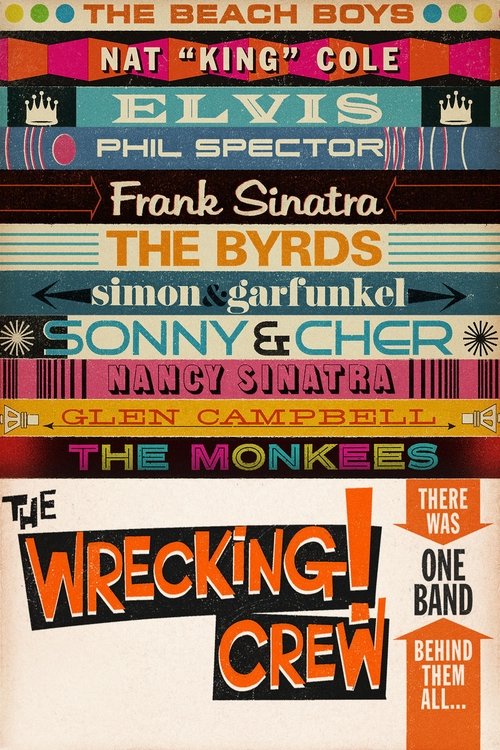
The Wrecking Crew2008
This documentary celebrates the session musicians who played on countless hits from the 1960s onward, many rooted in country and folk traditions. It's a joy—funny, celebratory, and full of incredible music you know by heart.
But It focuses on LA studio players rather than country's heartland, and some performances are brief snapshots rather than deep dives. Pop-leaning tracks dominate over pure country.
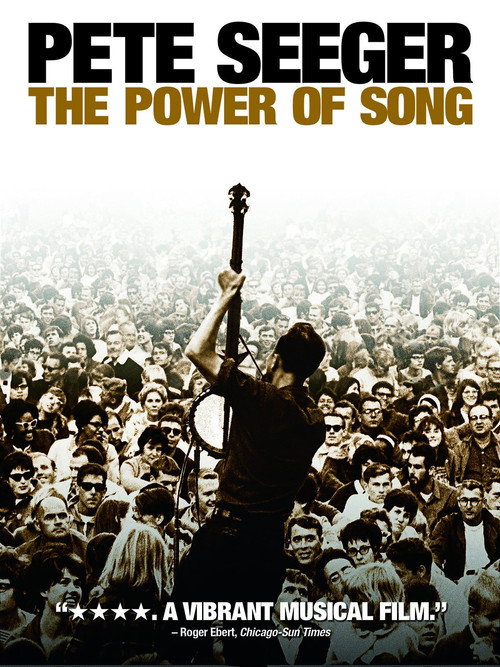
Pete Seeger: The Power of Song2007
This biography of the folk musician and activist shows how traditional music—including country traditions—became a vehicle for social change. It's inspiring and historically essential, spanning American resistance and hope.
But Seeger's politics and folk-activist stance aren't for everyone. The film is earnest to the point of reverence, which some find didactic rather than engaging.
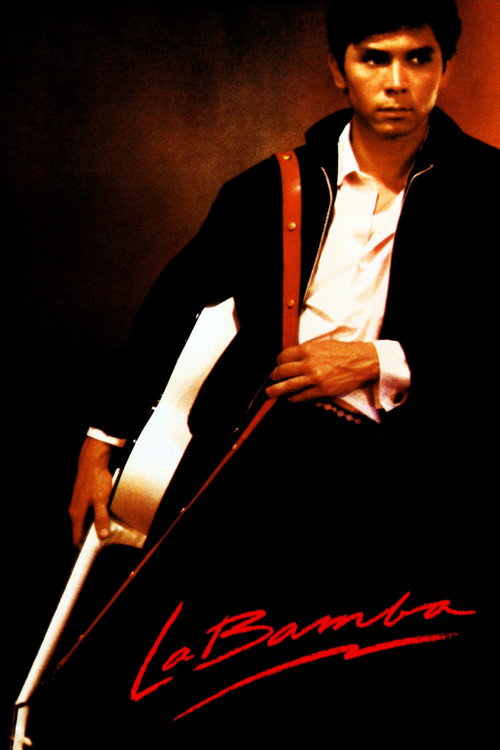
La Bamba1987
Both tell the story of American music's regional and racial roots, but La Bamba centers a Latino perspective that Country Music's Appalachian and Southern focus can marginalize. It's the story that demands to be told alongside the Burns version.
This narrative film about Ritchie Valens, a Chicano pioneer who died in the same 1959 plane crash as Buddy Holly, tells the story country music history often overlooks. It's vibrant, tragic, and reframes American music as a multicultural story.
But It's a dramatic feature, not documentary—stylized and sometimes melodramatic. As a narrative film, it invents scenes and emotions rather than presenting facts, which feels different from Burns' archive-based approach.
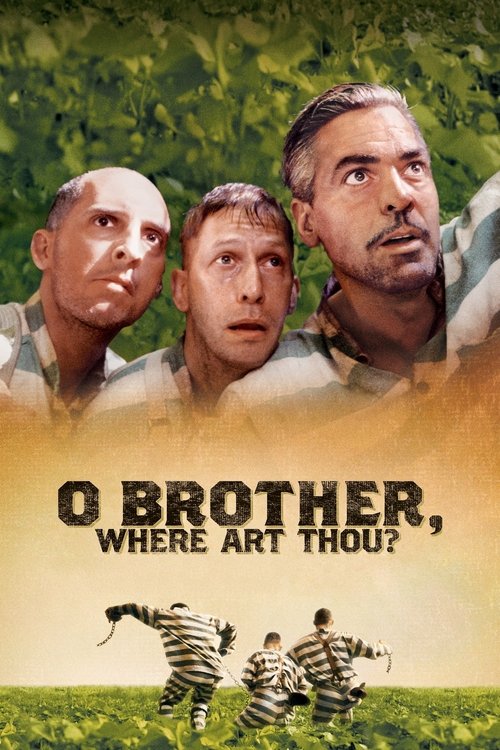
O Brother, Where Art Thou?2000
Where Country Music treats the tradition as history to be documented, Brother treats it as living culture to be inhabited and loved. It's what country music *feels* like rather than what it *is*—a different kind of truth entirely.
The Coen Brothers' Depression-era comedy is a love letter to folk and country traditions, built around a bluegrass and old-time music soundtrack. It's funny, visually gorgeous, and captures the spirit of music-making as rebellion and survival.
But It's a fictional comedy-adventure, not history or biography. The Coens' style is arch and mannered—some find it precious rather than authentic. The plot is thin, and music matters more than story.
People
Cast
 Peter CoyoteNarrator
Production
- Dayton DuncanProducer
- Julie DunfeyProducer
- Ken BurnsProducer
Recommended by
The Dust Bowl, American Epic, The National Parks: America's Best Idea, New York: A Documentary Film, Jazz, CBS Reports: Harvest of Shame, The Blues, Jammin' the Blues, The Great American Read