
Television series
The National Parks: America's Best Idea
- Western
- Light-hearted
- Slow-burning
Ken Burns' sweeping documentary series traces the creation and evolution of America's national parks through intimate portraits of the visionaries, activists, and ordinary citizens who fought to preserve them. Gorgeously filmed across six years, it's as much about the democratic impulse to protect shared beauty as it is about the landscapes themselves. Essential viewing for anyone who loves history, nature, or the American experiment.
Should you watch it?
Watch it if you like history told through the people who fought for a place, with patient, lingering shots of landscape and a voice that makes archival letters and old photographs feel newly alive.
Skip it if you want brisk pacing or a single narrative thread, since this is six long chapters that circle back and linger, and the rhythm of Ken Burns's style can feel slow to anyone expecting quick cuts.
What it asks of you: Six roughly two-hour parts asks for a whole evening or two, settled and unhurried, with the patience to let a still photograph hold on screen while the narration builds around it.
Not sure? Find tonight's pick in a minute.
If you liked this
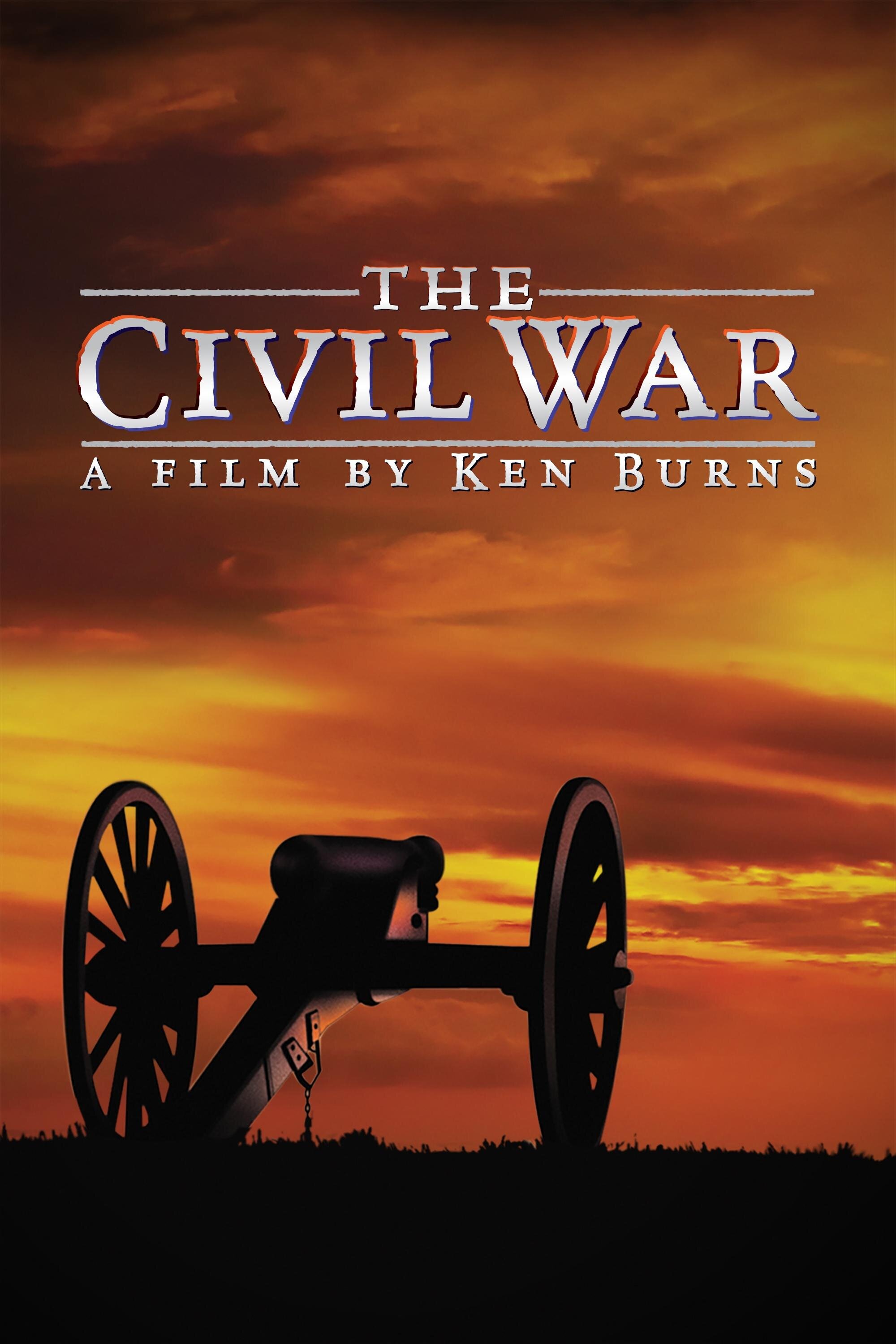
The Civil War1990
Burns' magnum opus uses the same archival mastery and narrative depth to excavate a defining American conflict. If you loved the emotional intelligence of The National Parks, this is where he perfected the form.
But Eleven hours is a commitment, and the subject matter is relentlessly dark. There's no respite, only accumulating tragedy.
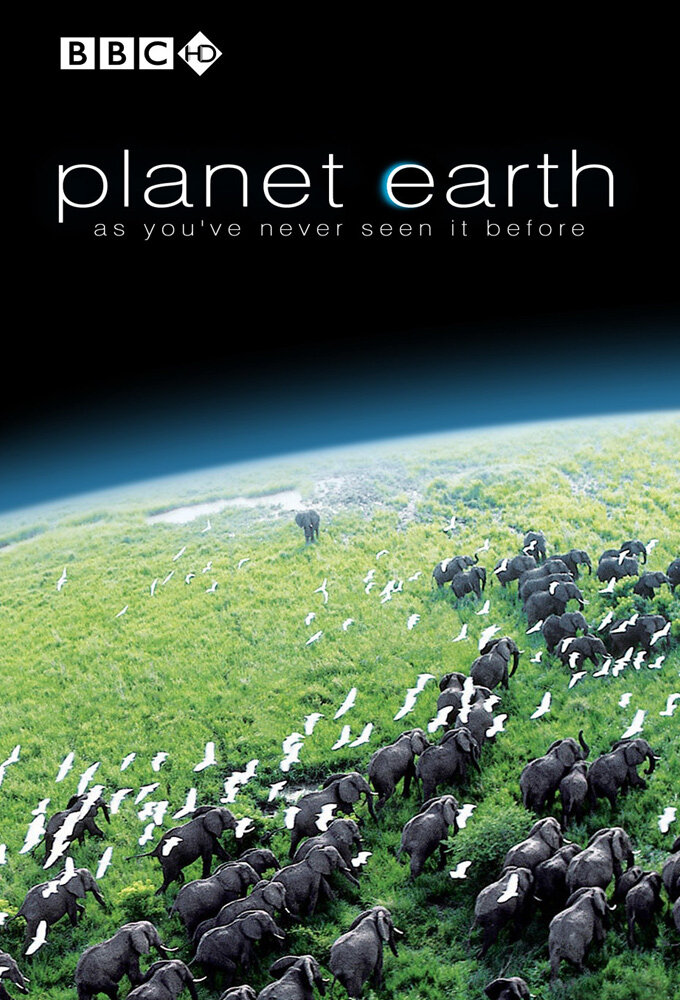
Planet Earth2006
David Attenborough's landmark natural-history series shares Burns' reverence for landscape and the power of patient observation. Gorgeous cinematography of the places these parks protect.
But It's about nature itself, not the human history of preservation. If you're drawn to the political and social dimensions, this won't scratch that itch.
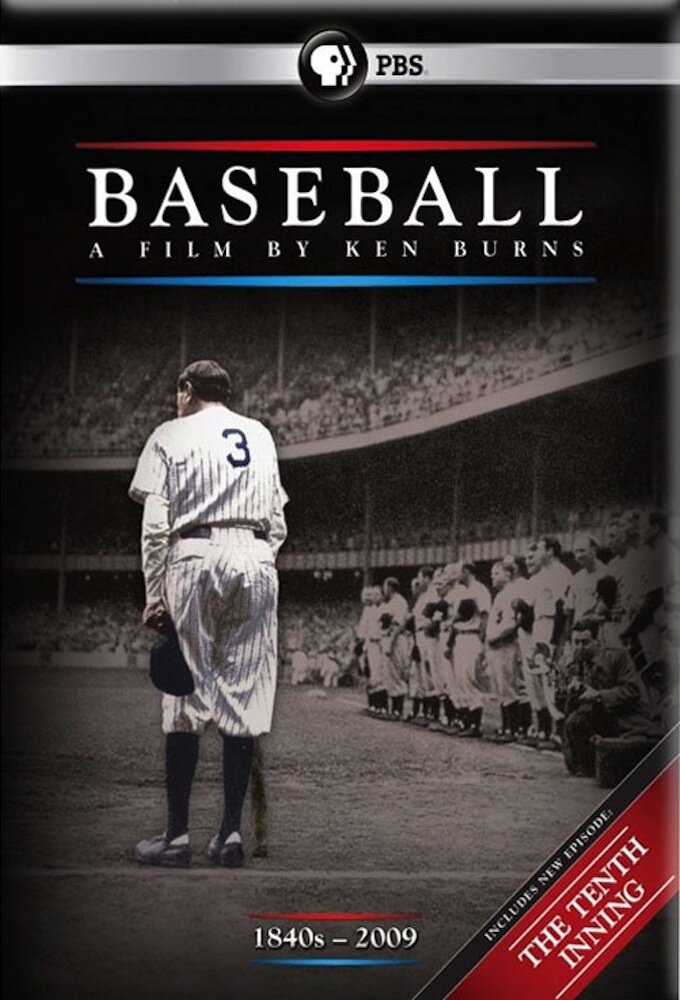
Baseball1994
Burns' earlier series applying the same documentary philosophy to American mythology: the archives, the voices, the sense that something grand says something true about who we are.
But You have to care about baseball, or at least care enough to sit through it. The sport itself may feel provincial compared to the grandeur of the parks.
Not sure tonight? Get a pick in a minute, starting from The National Parks: America's Best Idea
The wildcard
Something you would not have found on your own.
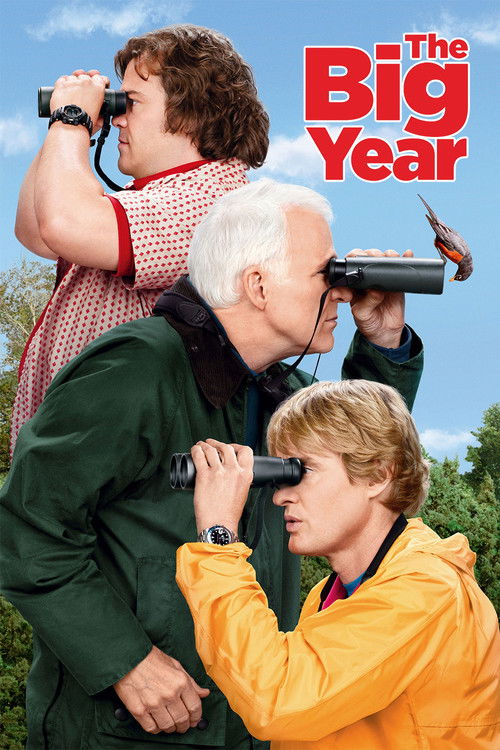
The Big Year2011
Both treat the pursuit of nature not as recreation but as moral calling. Both believe that loving a place—whether a park or a bird—tells you something true about a person's character.
A comedy about obsessive birdwatchers competing to spot the most species in a year—it's funny and touching and absolutely obsessed with landscape as character. Same reverence for America's wild places, completely different register.
But It's a gentle comedy that refuses to build dramatic tension. If you're expecting stakes or conflict, you'll find it meandering and slight.
More like this (5)
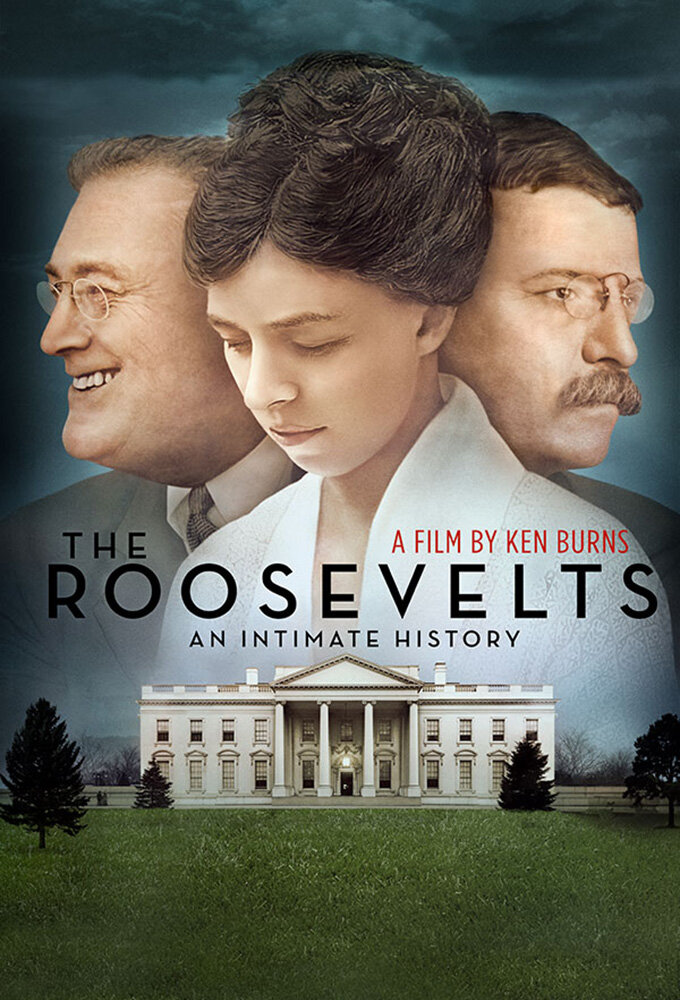
The Roosevelts: An Intimate History2014
Burns examines three interconnected lives who shaped modern America, including Theodore Roosevelt's crucial role in the national parks movement. Historical sweep with personal depth.
But The focus spreads across three lives, which dilutes the impact. You're learning the parks as subplot rather than main event.
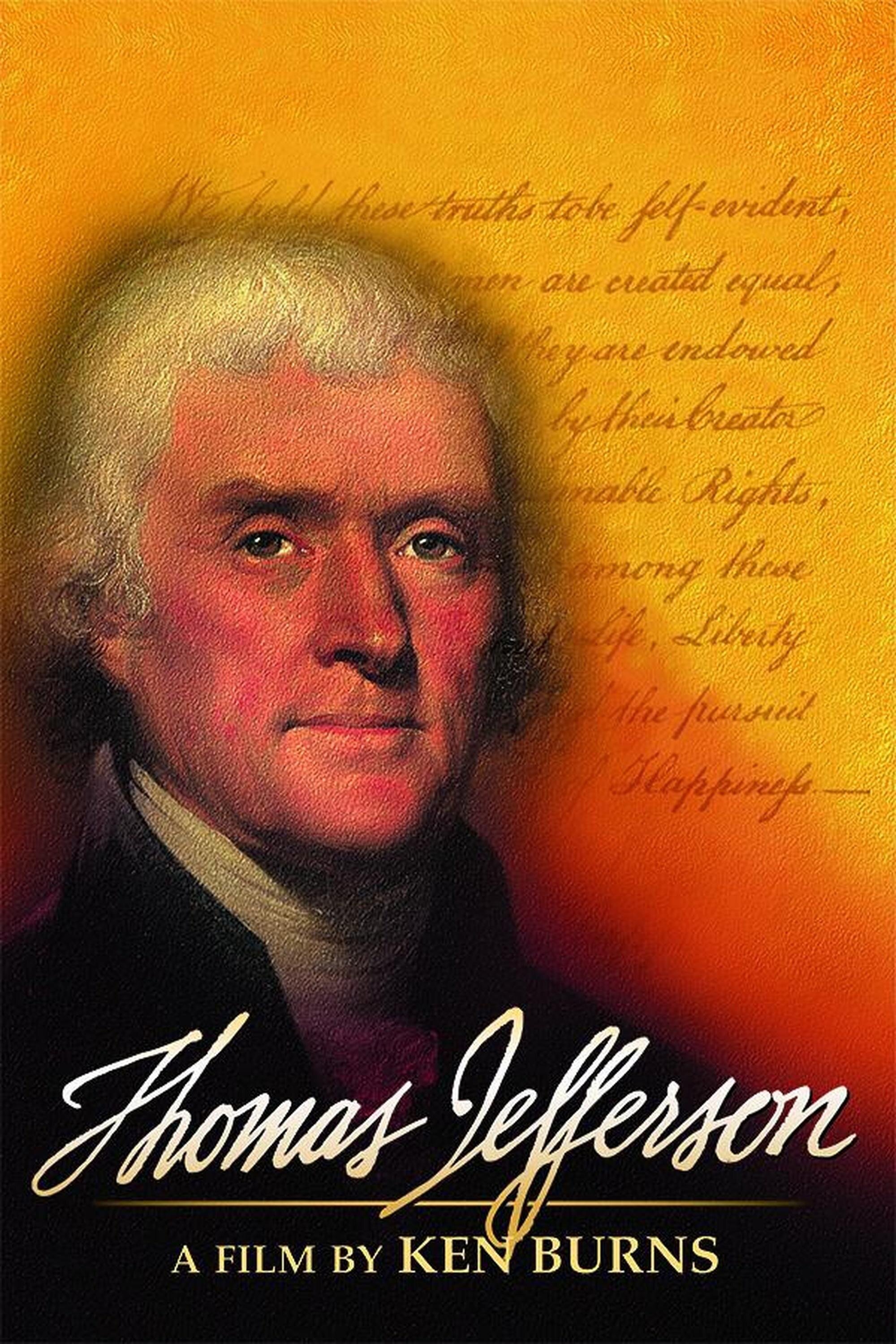
Thomas Jefferson1997
Burns' portrait of the author and his contradictions uses archives and voice to explore a founding tension between ideals and actions. Philosophically aligned with the parks series' themes about American democracy.
But His treatment of Jefferson's enslaved family is uneven. Some viewers find the approach evasive given what's at stake.
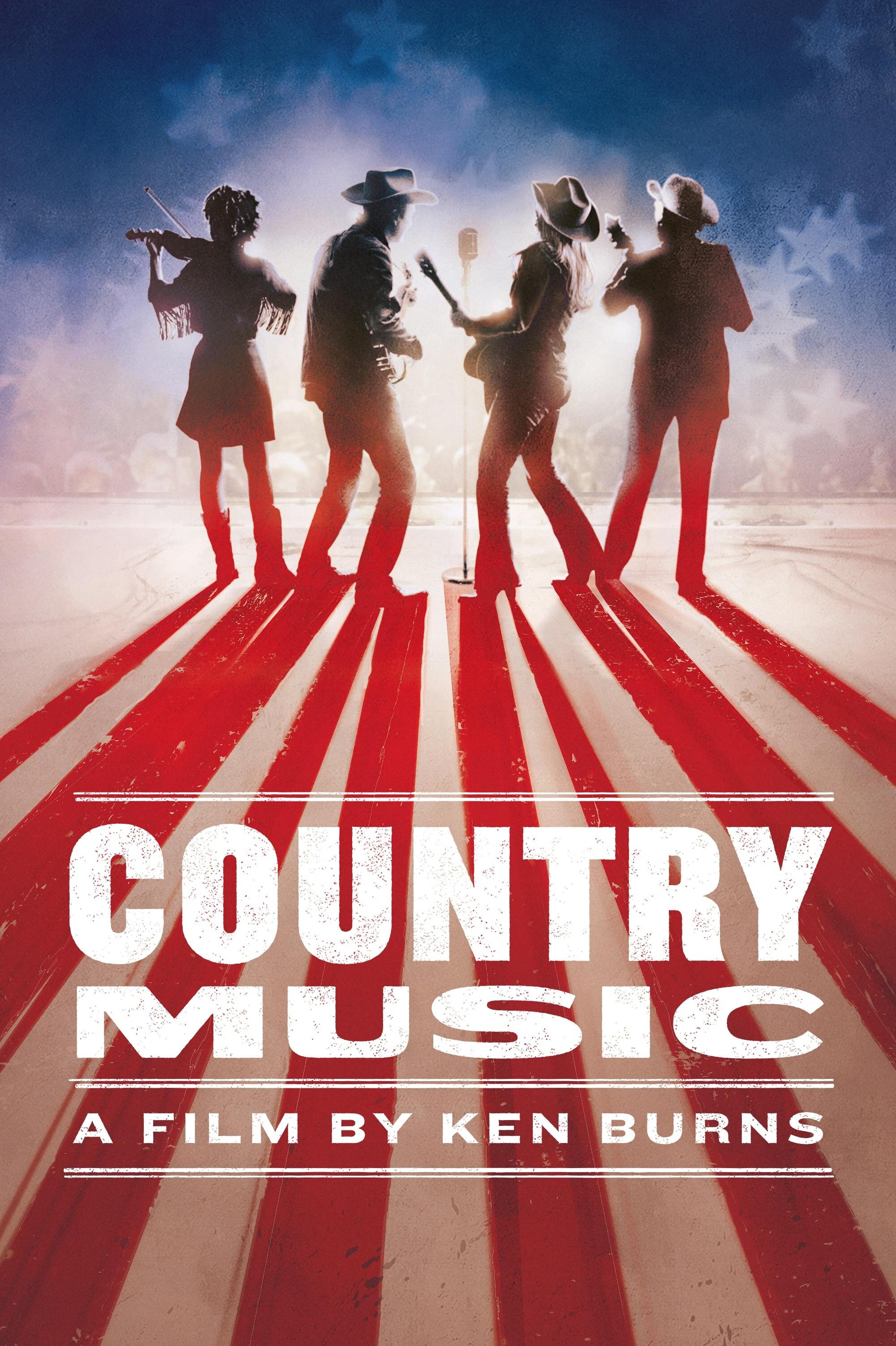
Country Music2019
Later Burns series bringing the same archival intelligence and narrative momentum to American folk tradition. Proves his method remains vital and his eye remains generous.
But Eight hours of country music isn't for everyone. If the genre doesn't move you, the scope of the history won't compensate.
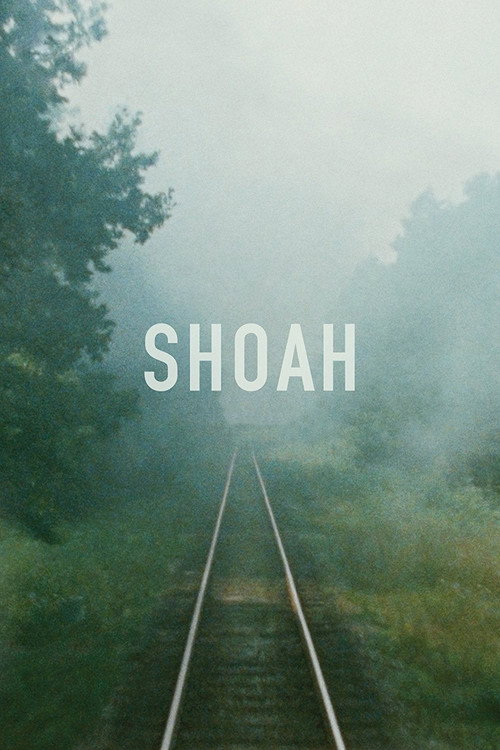
Shoah1985
Both reject conventional documentary pacing. Both understand that certain stories demand you sit with them, that rushing through is a form of disrespect. Both use the camera as an act of witness.
Claude Lanzmann's nine-and-a-half-hour documentary uses testimony and landscape to reconstruct historical atrocity and collective memory. It shares Burns' belief that taking time—real, unrushed time—is how we honor what we're documenting.
But It documents genocide. The subject matter is devastating and the length is intentional; there is no moment of relief. This is serious work for serious viewers.
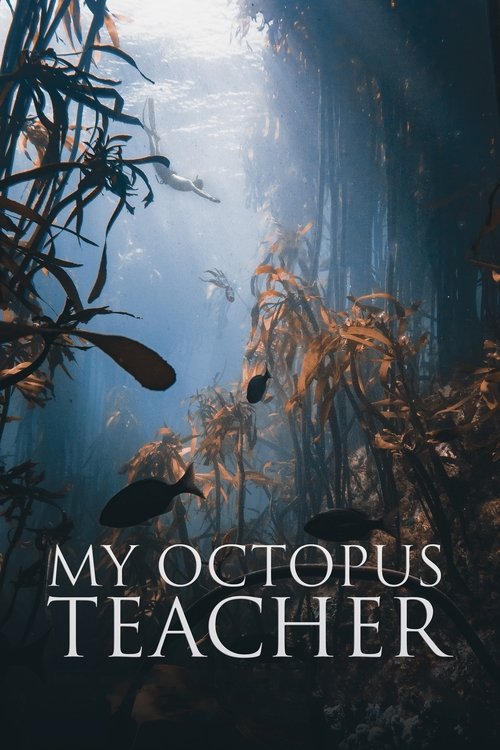
My Octopus Teacher2020
Both argue that sustained attention to nature transforms us. Both suggest that preservation begins with wonder, and wonder requires time and stillness to develop.
A marine biologist spends a year observing a single octopus in a South African kelp forest. It's meditative, gorgeous, and animated by the same gentle urgency: one human finally paying attention to something wild and irreplaceable.
But It's quieter and more personal than Burns' panoramic vision. Some find it sentimental or overly precious about interspecies connection.
People
Cast


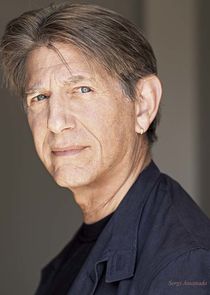 Peter CoyoteNarrator