
Television series
American Epic
American Epic is a four-part documentary series that traces the birth of modern popular music through the 1920s field recordings that captured America's forgotten voices. With Robert Redford's narration and extraordinary archival footage, it charts how record companies discovered country, blues, gospel, and ethnic music across America. Essential viewing for anyone curious about where popular music really came from.
Should you watch it?
Watch it if you love the sound of old 78s crackling with a real person in the room, and want to hear how country, blues and gospel first got onto records.
Skip it if you need a tightly plotted story or fast cutting; this is a reflective, archival-driven walk through history, with long stretches of old recordings and stills that linger.
What it asks of you: Settle in for an hour per sitting, with patient attention to scratchy audio and slow archival images; it rewards listening closely rather than half-watching while doing something else.
Not sure? Find tonight's pick in a minute.
If you liked this
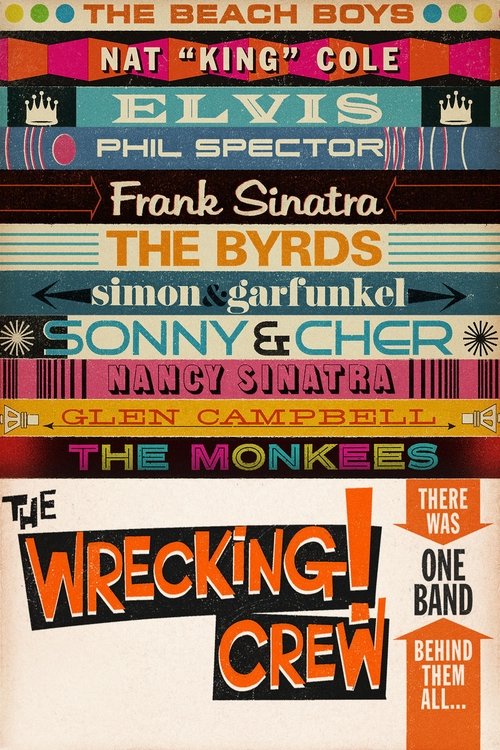
The Wrecking Crew2008
This documentary celebrates the studio musicians who shaped recorded American music from the 1960s onward. It's the spiritual successor to American Epic—both ask who really made our music and why we forgot them.
But It focuses on a narrower era and a specific Los Angeles scene, so less geographical sweep than American Epic's cross-country journey.
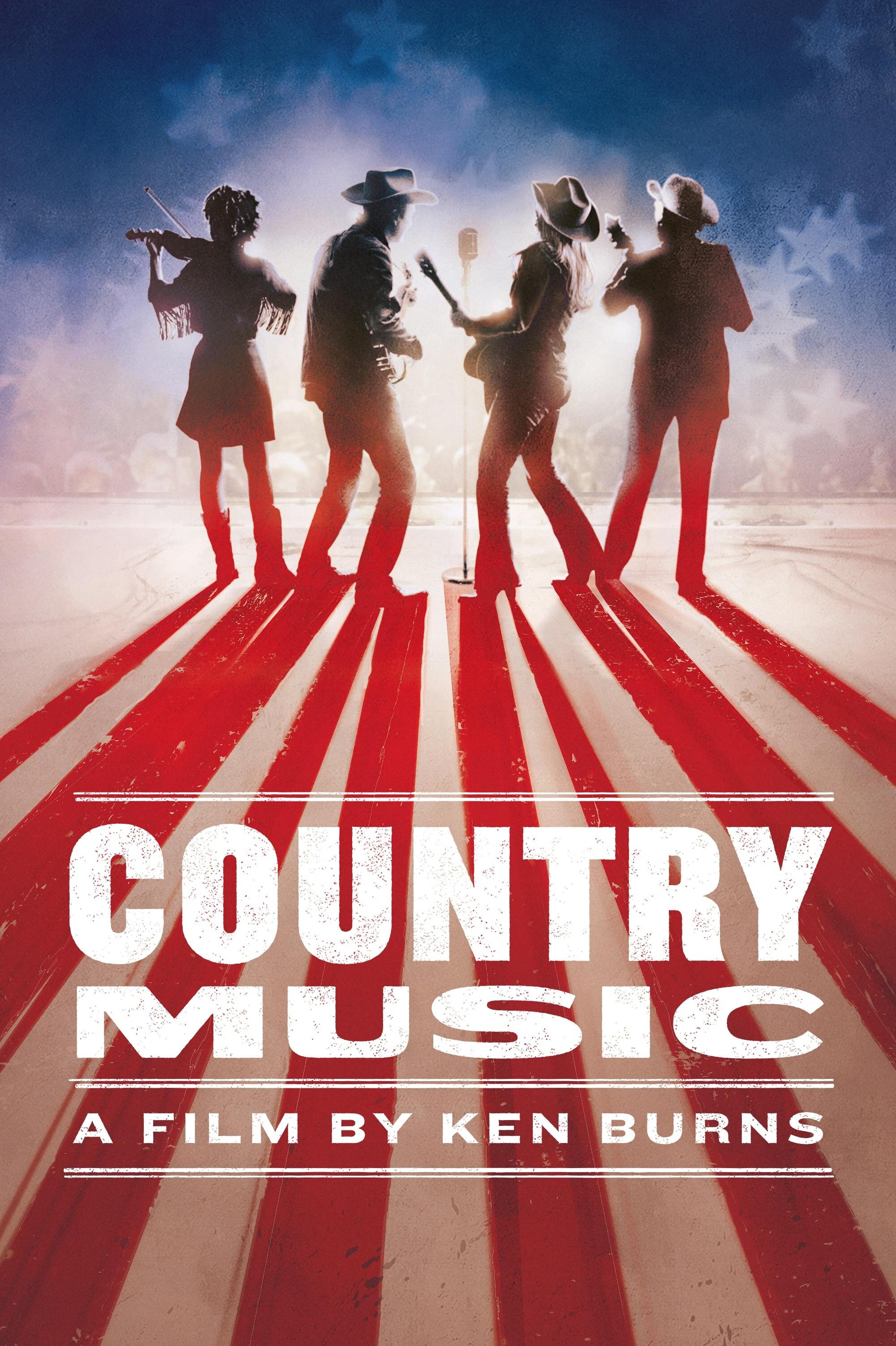
Country Music2019
Burns returns with another eight-part deep dive into how country emerged from the same Appalachian roots American Epic documents. Pairs beautifully as a focused, longer study of one thread from the series.
But If you've just watched American Epic, this may feel like covering the same ground in greater depth rather than new material.
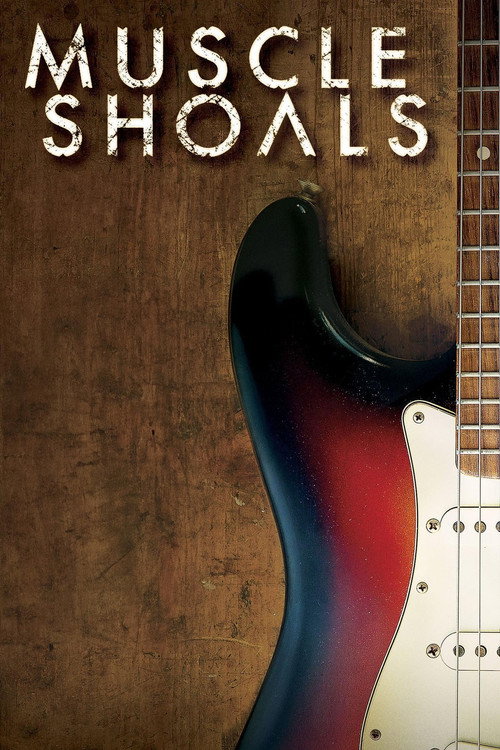
Muscle Shoals2013
A love letter to a small Alabama recording studio that captured soul, rock, and country legends. It has American Epic's passion for the overlooked places where magic happened and the people who made it.
But Narrower focus on a single location and era means less of the sweeping historical narrative you get in American Epic.
Not sure tonight? Get a pick in a minute, starting from American Epic
The wildcard
Something you would not have found on your own.
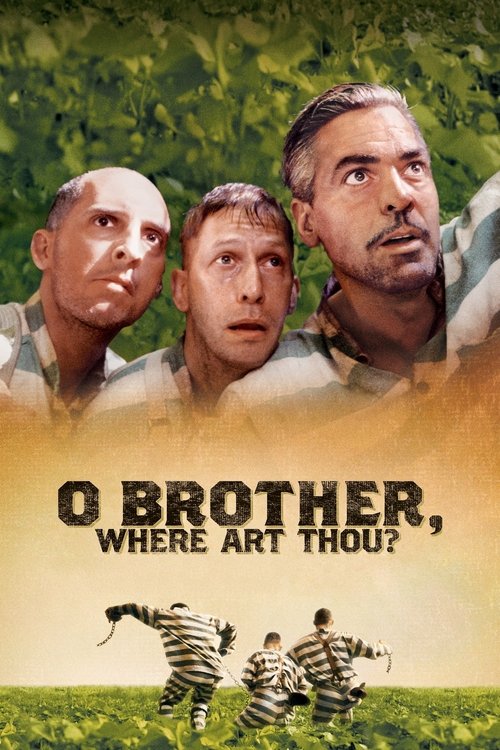
O Brother, Where Art Thou?2000
The film's entire aesthetic and soundtrack emerge directly from the 1920s-30s recordings American Epic rescues. It's American Epic as living, breathing cinema rather than archive.
The Coen Brothers' Depression-era musical comedy is a love letter to the exact music American Epic documents—it's built from the soundtrack of 1920s-30s field recordings and folk traditions. Watching this after American Epic hits completely differently.
But It's a quirky narrative film, not a documentary, so if you want facts rather than art, this trades substance for style.
More like this (4)
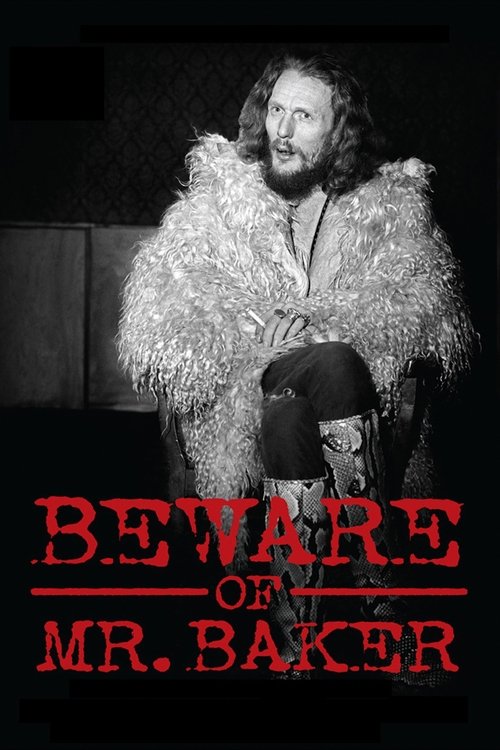
Beware of Mr. Baker2012
A wildly entertaining biography of Ginger Baker that explores how a single drummer's innovations rippled through rock and world music. Documents the outsider personalities who revolutionized recorded sound.
But It's a cranky, difficult portrait of one man, not a sweeping social history. Entirely different energy from American Epic's inclusive scope.
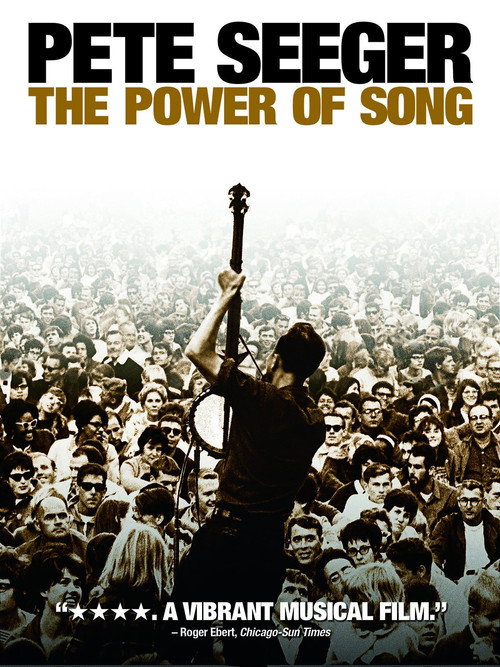
Pete Seeger: The Power of Song2007
Profiles the folk musician and activist who connected traditional American music to social justice. A bridge between the archival recordings American Epic discovers and how they mattered culturally.
But Focused on one figure's political philosophy rather than offering the broad survey American Epic provides.
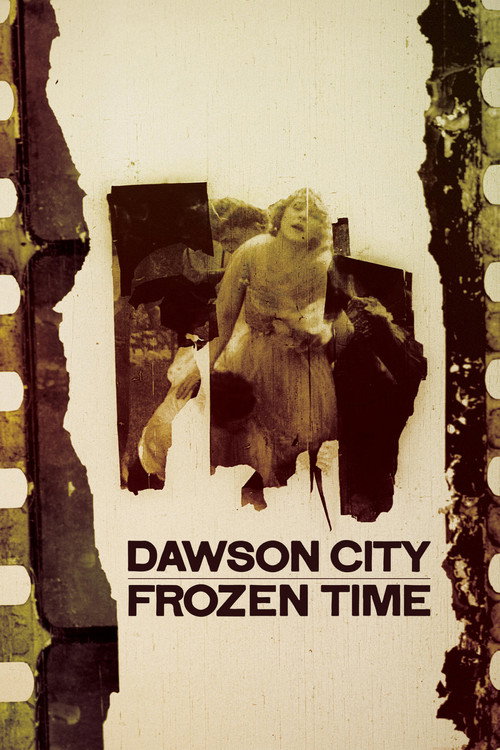
Dawson City: Frozen Time2017
Both are elegies for cultural artifacts we nearly lost forever. American Epic rescues sound; this rescues image. Both ask what we forget and why it matters.
A visually stunning meditation on forgotten film reels discovered in permafrost in Canada. Like American Epic, it's about the accidental preservation of lost cultural history and what we discover when we find it again. Wordless, haunting, utterly original.
But It's a silent experimental film with no dialogue or conventional narration. The pace is glacial and deliberately meditative rather than engaging.
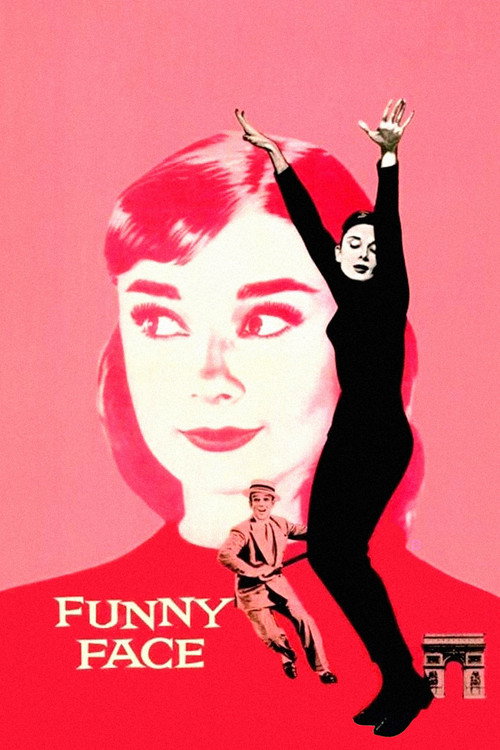
Funny Face1957
American Epic preserves the authentic American sound of the 1920s-30s. This is how Hollywood transformed that authenticity into pure entertainment—a different way of capturing and immortalizing music and performance before it could disappear.
Audrey Hepburn and Fred Astaire in a Technicolor musical that feels like it arrived from a different planet compared to modern cinema. It's pure artifice and joy—the opposite register from American Epic's archival seriousness, but equally obsessed with capturing beauty before it vanishes.
But It's a light romantic musical from 1957, so if you're looking for substance or realism, this is pure escapism and spectacle.
People
Cast
 Robert RedfordNarrator
Writing
- Allison McGourtyCreator
- Bernard MacMahonCreator
- Duke EriksonCreator
Recommended by
O Brother, Where Art Thou?, St. Louis Blues, Jimi Hendrix: Hear My Train a Comin'