
Film
Jimi Hendrix: Hear My Train a Comin'
A documentary portrait of Jimi Hendrix that traces his journey from Seattle poverty to London stardom to his tragic death at 27. Assembled from archival footage, photographs, and interviews with people who knew him—bandmates, producers, friends—it pieces together a life in fragments, letting those close to him tell the story. It's intimate without being sentimental, and it captures the bewilderment of watching genius burn.
Should you watch it?
Watch it if you care less about tidy biography than about hearing bandmates, managers and friends argue over what made Hendrix sound unlike anyone, with the performance footage doing much of the talking.
Skip it if you want a rigorous, chronological history or a critical take on his legacy; this is an affectionate tribute that leans on recollection and can feel like a fan's scrapbook.
What it asks of you: Ninety minutes, a loose mix of talking heads, archive clips and concert stretches, with no need to rush; it rewards sitting still and listening rather than tracking a plot.
Not sure? Find tonight's pick in a minute.
If you liked this
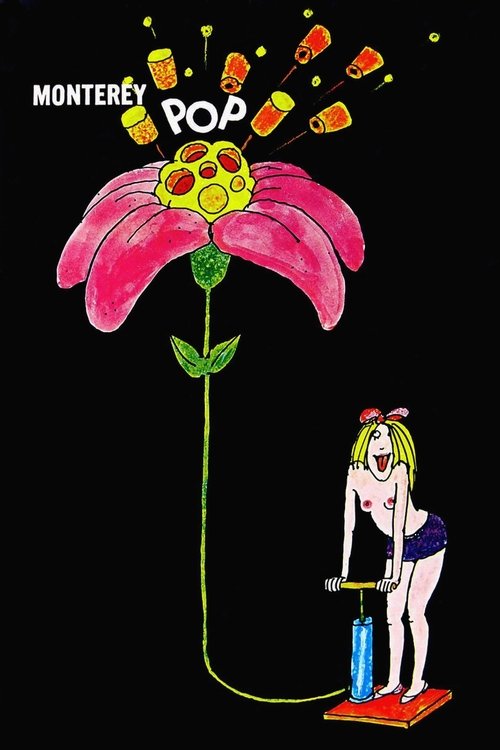
Monterey Pop1968
D.A. Pennebaker's documentary of the legendary festival where Hendrix first electrified American audiences. His performance is incandescent and shocking—he sets his guitar on fire. Essential viewing for understanding the cultural moment that made him a star.
But The film moves between many acts and performers, so if you're here purely for Hendrix, you'll spend time on others. The image quality is archival and sometimes soft.
Woodstock1970
Michael Wadleigh's legendary concert film, and Hendrix's closing performance is one of cinema's most powerful musical moments. His rendition of the national anthem with a guitar is politically charged, musically devastating, and culturally crucial.
But It's three and a half hours long and covers dozens of artists. You're investing significant time for one performance, however transcendent. The pacing is leisurely by modern standards.

American Epic2016
Part of a broader series examining American music history. Hendrix appears in context—not as isolated genius but as part of a continuum of Black rock musicians and innovators. Enriches understanding of where he fit in the larger story.
But He's one of many subjects, so screen time is limited. If you're specifically Hendrix-focused, you'll find yourself wanting more about him and less about the others.

Not sure tonight? Get a pick in a minute, starting from Jimi Hendrix: Hear My Train a Comin'
The wildcard
Something you would not have found on your own.
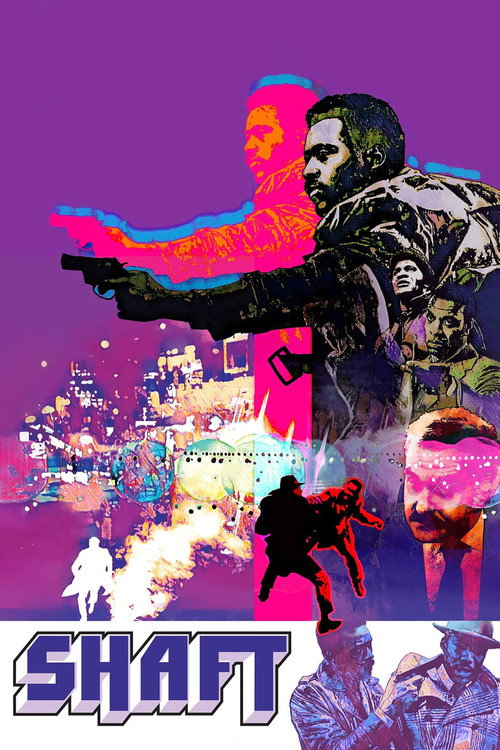
Shaft1971
Both Hendrix and Shaft represent Black masculinity and power reclaimed and expressed through style and technical virtuosity, in music and in cinema respectively. The music is the man.
Isaac Hayes' scorching theme and John Shaft's Los Angeles feel like Hendrix's California cousin. The film is about swagger, style, danger, and a man living on his own terms. Compositionally and tonally, it echoes what made Hendrix's guitar playing feel like freedom.
But It's a blaxploitation action film from 1971, which means some attitudes haven't aged well. If you're expecting music documentary, you're in a crime thriller instead.
More like this (6)
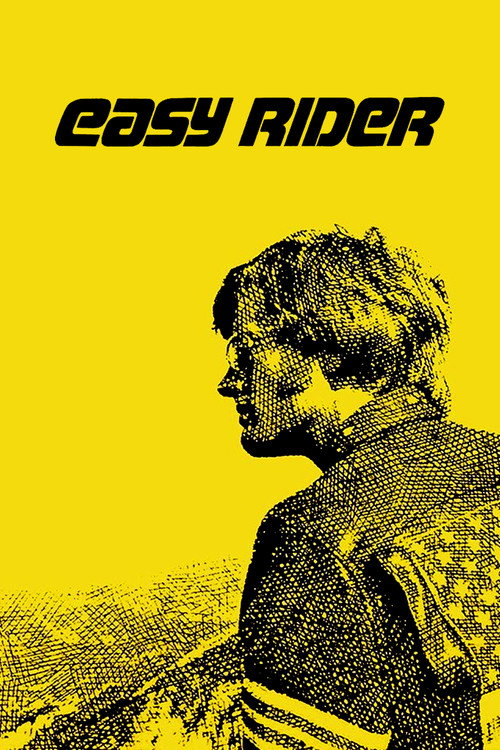
Easy Rider1969
Captures the counterculture moment in which Hendrix became a deity. The film uses period music including his work, and it's essential context for understanding what made him culturally revolutionary, not just musically talented.
But This is a narrative film, not a documentary. If you're looking for actual information about Hendrix rather than atmosphere and context, you won't find it here.
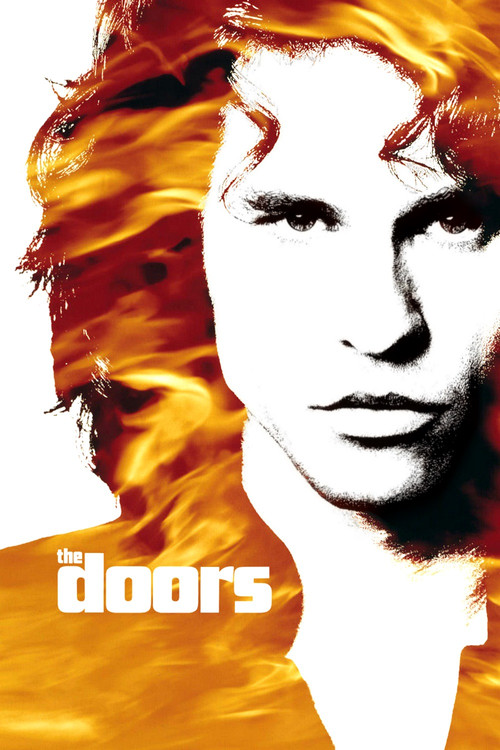
The Doors1991
Oliver Stone's biography of Jim Morrison, another 27-club member and Hendrix contemporary. Watching two prodigies self-destruct in the same era offers perspective on the period, the pressures, and the patterns.
But Stone's direction is baroque and sometimes campy. Some find his interpretation more about Stone's vision than historical accuracy. It's also quite long and occasionally indulgent.
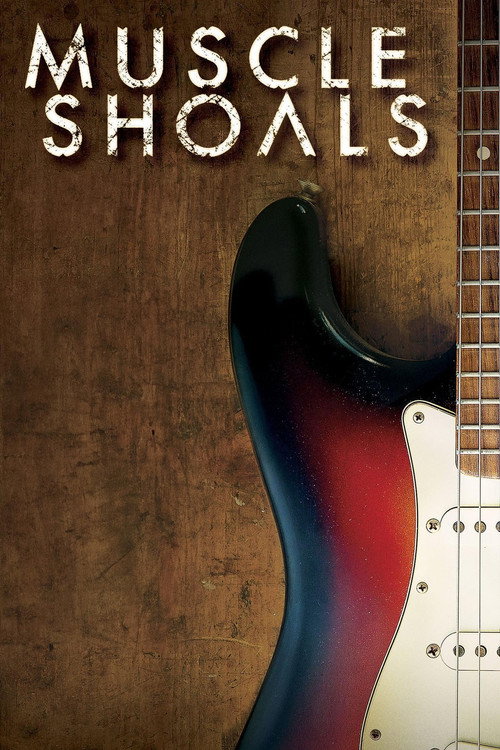
Muscle Shoals2013
Documentary about the legendary Alabama studio and the session musicians who played on countless hits. Hendrix didn't record there, but understanding the ecosystem of American rock and soul in his era provides valuable context for his work.
But It's oblique connection to Hendrix. You're learning about studio culture and musicians he knew, not about the man himself. Some will find that tangential.
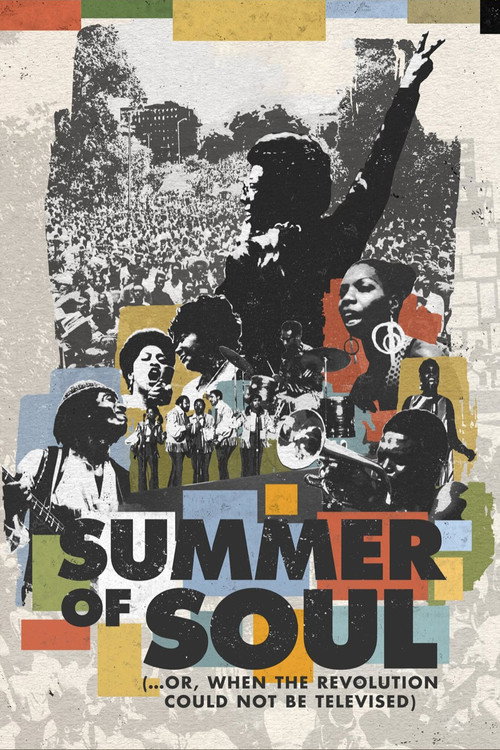
Summer of Soul (...Or, When the Revolution Could Not Be Televised)2021
Questlove's documentary about the 1969 Harlem Cultural Festival, a Black-centered music event contemporary with Woodstock. It expands the story of Black musical innovation that Hendrix was part of, showing what else was happening in that moment.
But Again, Hendrix is not the focus. If you want a Hendrix documentary, this is a sideways approach. The film is also primarily about soul and funk, different genres from his rock.
My Name Is Khan2010
Both explore what it means to be extraordinary in a country that doesn't know what to do with you, and the loneliness that comes with genius other people need from you but don't understand.
A Bollywood drama about identity, belonging, and being misunderstood by a nation. Hendrix was a Black American in a segregated country, a gentle man trapped in a warrior's body, someone the world wanted to define. This film explores that dislocation with warmth.
But It's a Bollywood melodrama, three hours long, with romantic plot threads and a very different cultural register from a 60s rock doc. The connection is thematic rather than obvious.

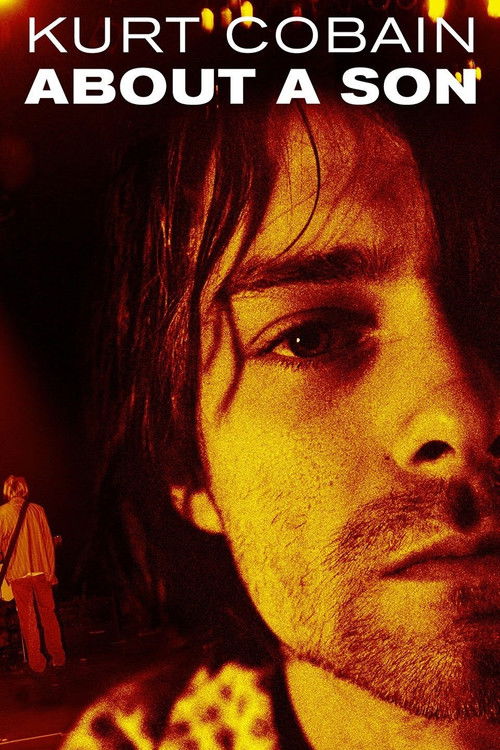
Kurt Cobain: About a Son2007
Both men lived their entire public lives already dead to the myth of themselves. This documentary's approach—retreating from the familiar footage to find something quieter underneath—is what a Hendrix film made in this style might finally reveal.
A quiet, unusual documentary that doesn't show the famous footage—no interviews, no archival concert material. Instead, you hear Cobain's own voice reading from journals and letters, while the cinematographer films the places he lived. It's intimate, melancholy, and devastating. Hendrix's biographies focus on the myth; this approach would reach for the man.
But It's deliberately quiet and introspective, even austere. If you want energy and performance and the thrilling parts of rock music, you'll find this meditative and slow.
People
Cast
 Lou AdlerSelf - Music Producer
- Keith AlthamSelf - Hendrix's UK Publicist
- Paul CarusoSelf - Friend / Musician
 Chas ChandlerSelf - Musician
- Neville ChestersSelf - '68 USA Tour Manager
 Billy CoxSelf - Friend / Musician
- David FrickeSelf - Music Journalist
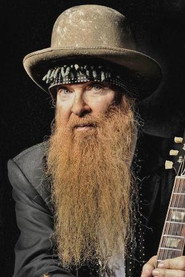 Billy GibbonsSelf - Musician
- Michael GoldsteinSelf - Hendrix's USA Publicist
- Ace Antonio HallSelf - Musician
- Colette HarronSelf - Friend
- Bob HendrixSelf - Cousin
Directing
- Bob SmeatonDirector
Production
- Scott PascucciAssociate Producer
- George ScottCo-Producer
- Charlotte HawkinsPost Production Coordinator
- Janie HendrixProducer
- John McDermottProducer