
Film
The Doors
Oliver Stone's fever dream of a biopic that treats Jim Morrison as a poet-mystic cursed by fame. Val Kilmer gives a performance so committed it borders on possession, captured in a film that's visually intoxicating but narratively messy. For those who want to feel the '60s counterculture rather than understand it.
Should you watch it?
Watch it if you like biopics that chase a restless artist's excess through a hallucinatory, sometimes messy visual style, and you don't need the story to be tidy or fully fair to its subject.
Skip it if you find rock-star myth-making tiresome, or prefer your biographies restrained; this one is loud, sprawling and happy to sit in its subject's self-regard.
What it asks of you: Its shape is long and loose at 140 minutes, with scenes that swell into fevered set pieces and carry you by momentum more than plot.
Not sure? Find tonight's pick in a minute.
If you liked this
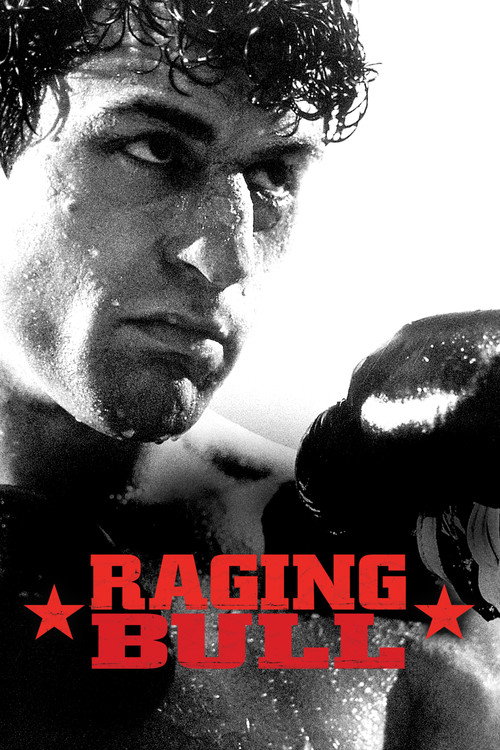
Raging Bull1980
Scorsese's portrait of a man undone by his own intensity. Like The Doors, it's fascinated by self-destruction as artistic fuel, mounted in visceral, almost abstract filmmaking that prioritizes feeling over clarity.
But Brutal, repetitive, and punishingly bleak. The boxing scenes are raw enough to make you flinch; the domestic violence is hard to sit with.
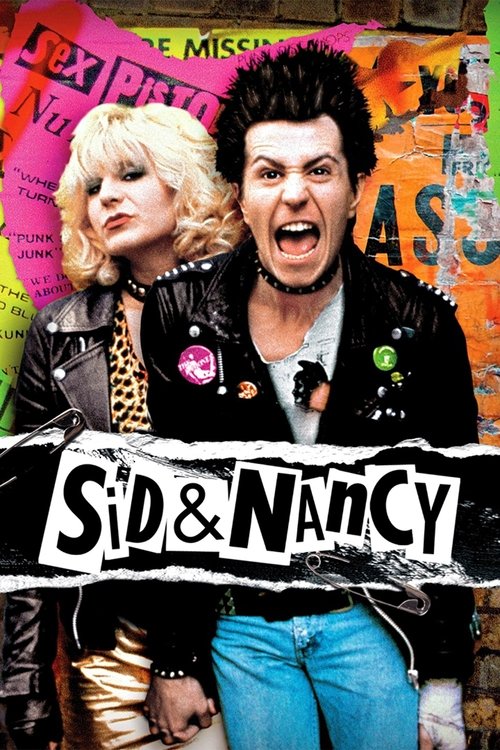
Sid and Nancy1986
Alex Cox captures the Sex Pistols' implosive chaos with the same hallucinogenic energy Stone brought to Morrison. A love story wrapped in heroin and self-hatred, shot like a fever dream collapsing into nightmare.
But Deliberately squalid, with minimal plot. If you want a conventional rock biography, this will frustrate you. The film moves like an addict's logic.
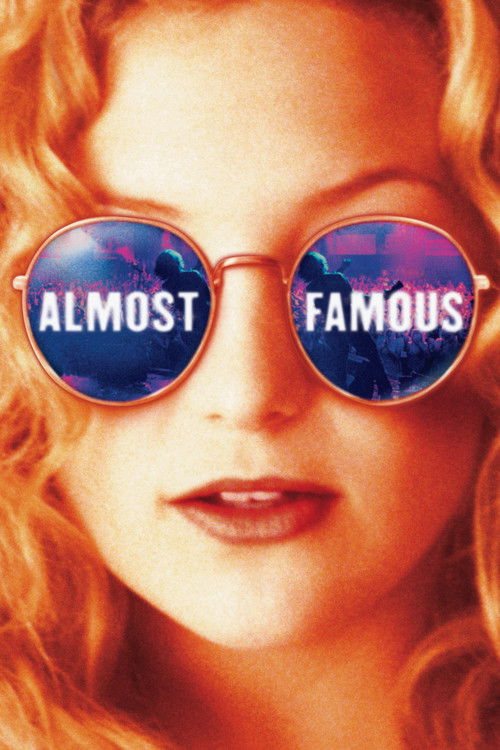
Almost Famous2000
Cameron Crowe's love letter to rock excess and the people it devours. Warmer and more humane than The Doors, but equally intoxicated by the mythology of '70s stardom and its costs.
But Nostalgia can tip into sentimentality. Some find Crowe's affection for his subjects cloying; the earnestness won't work if you want your rock and roll cynical.
Not sure tonight? Get a pick in a minute, starting from The Doors
The wildcard
Something you would not have found on your own.
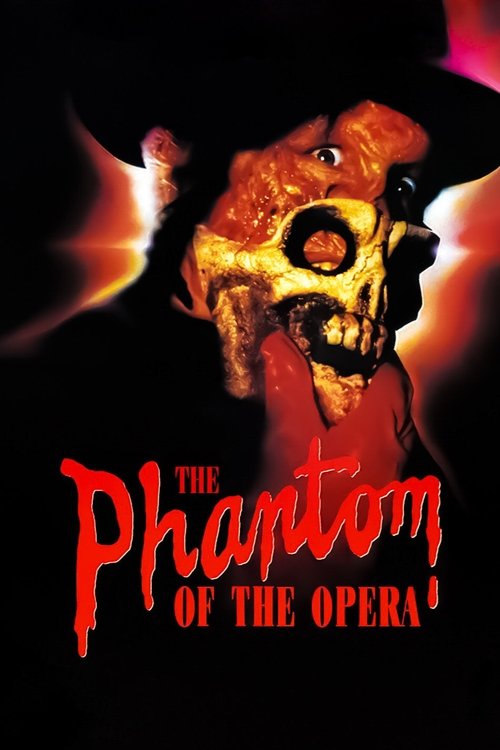
The Phantom of the Opera1989
Both films use extreme stylization and intensity to dramatize an artist's narcissism and violence. Both treat their lead character as a figure of impossible beauty and dangerous magnetism, shot in ways that overwhelm logic.
Dario Argento's operatic giallo is pure visual intoxication—a descent into baroque excess that matches Stone's hallucinatory style but applies it to Gothic horror instead of rock. Same commitment to spectacle over sense; same dreamlike intensity.
But Italian horror from the late '80s, which means bad dubbing, plot that barely exists, and a sensibility completely foreign to American film. It's visually gorgeous and narratively baffling.
More like this (6)
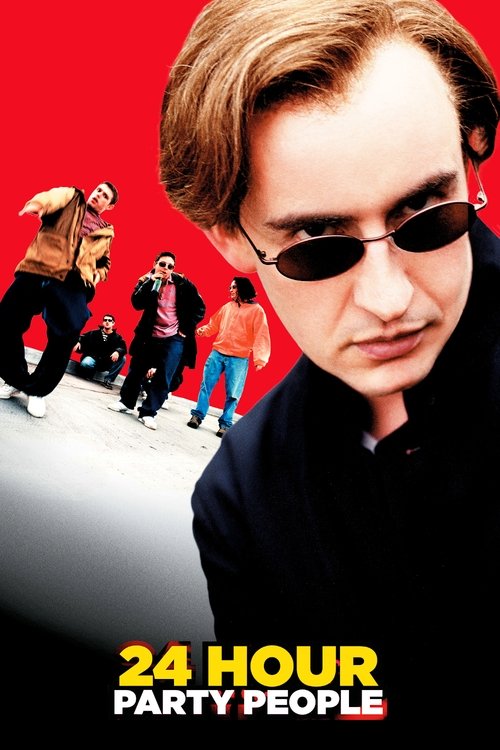
24 Hour Party People2002
Michael Winterbottom's chaotic, self-aware account of Manchester's acid house scene. Wildly inventive filmmaking about music's power to destroy and transform. Funny when The Doors is earnest, but equally obsessed with chaos.
But Aggressively meta and fragmented. The tone shifts constantly; the narrative logic is deliberately scrambled. Not for viewers who want a straight line.
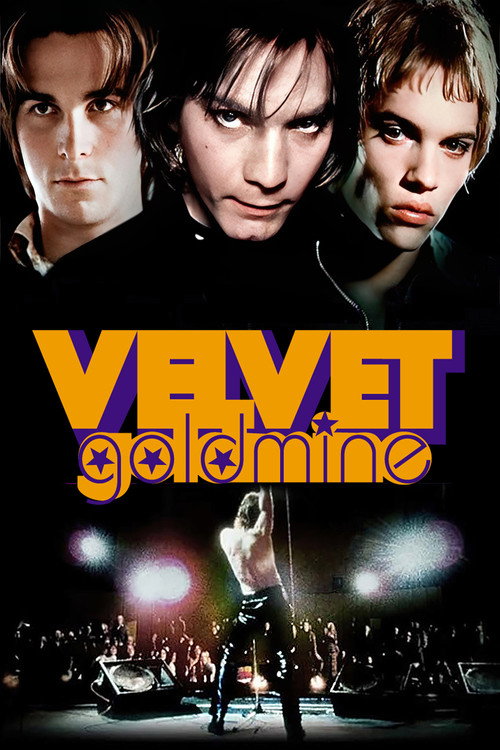
Velvet Goldmine1998
Todd Haynes' glam-rock fantasy that borrows Stone's psychedelic visual language while deconstructing the rock star biography itself. Pure style, pure passion, occasionally incomprehensible in the best way.
But Intentionally obscure and self-indulgent. The plot is secondary to atmosphere and imagery. If you need clarity, this will drive you mad.
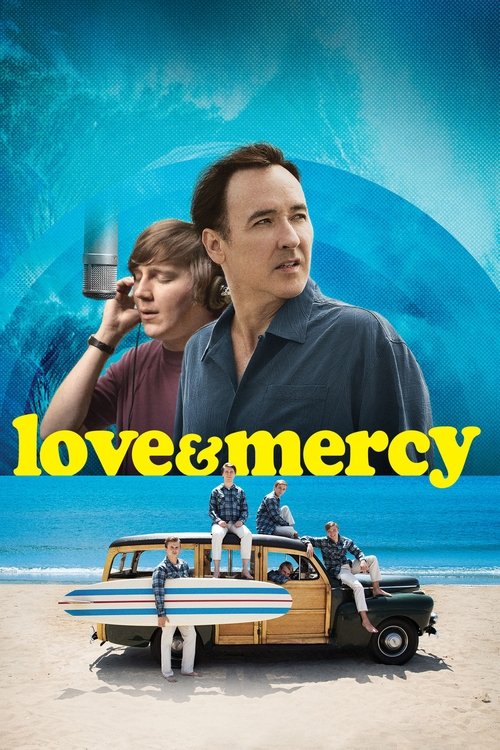
Love & Mercy2015
Bill Pohlad splits Brian Wilson's story across two eras and two actors, refusing the conventional biopic shape. It's interested in the cost of genius without glamorizing it—more honest than The Doors.
But Quietly paced and introspective. No wild partying or theatrical destruction. If you want chaos and flame-out, this is too gentle.
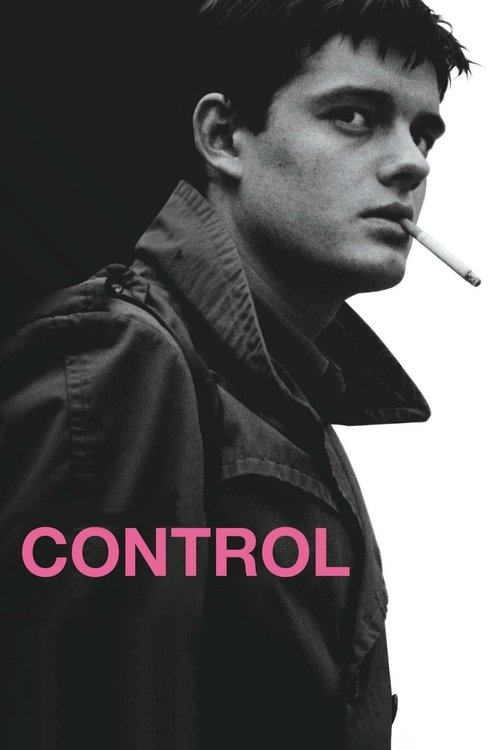
Control2007
Anton Corbijn's portrait of Joy Division's Ian Curtis is shot in luminous black-and-white. It captures artistic brilliance and mental illness without separating them—darker and more unsentimental than Stone.
But Formally austere and deliberately depressing. The monochrome can feel distant. It refuses to make Curtis's death meaningful or redemptive.
Contempt1963
Both explore how narcissistic charisma corrodes relationships. Both treat visual beauty as its own character. Both are more interested in psychology than narrative resolution.
Godard's film about a marriage collapsing on a film set. Not a rock film at all, but it shares The Doors' fascination with beauty, creation, and the ego that destroys intimacy. Cooler, more intellectual, shot in VistaVision.
But A deliberate, philosophical film from 1963. If you need plot momentum or emotional warmth, Godard will test your patience. It moves at its own speed and doesn't apologize.

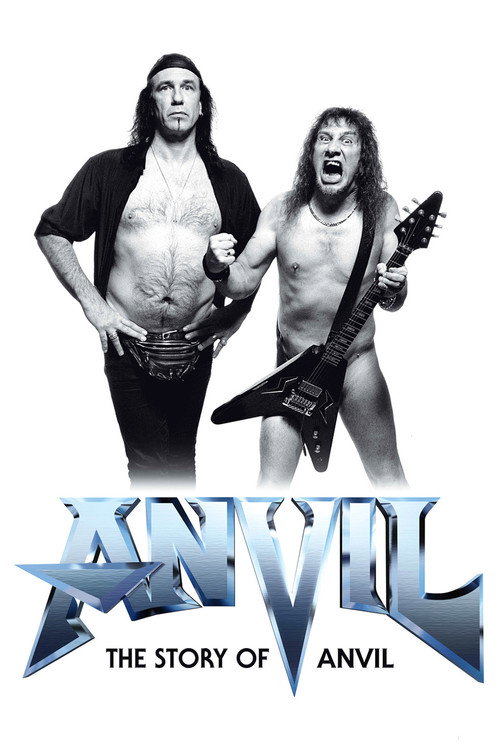
Anvil! The Story of Anvil2008
While The Doors mythologizes Morrison's excess and tragedy, Anvil asks what happens to artists who survive—who keep playing, who never become legends. Same world, opposite myth.
Sacha Gervais's documentary about a heavy metal band chasing a career that never quite happened. It's heartbreaking, funny, and completely unglamorous—a mirror image of The Doors' myth-making. Real musicians, real stakes, zero mythology.
But It's a comedy-documentary about obscure Canadian metalheads. Not conventionally cinematic. If you want rock and roll to stay romantic and larger than life, this will deflate you.
People
Cast
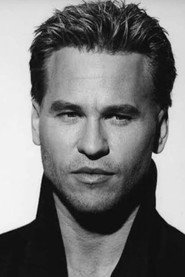 Val KilmerJim Morrison
 Meg RyanPamela Courson
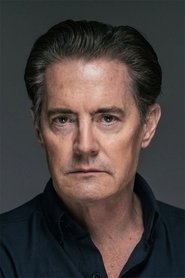 Kyle MacLachlanRay Manzarek
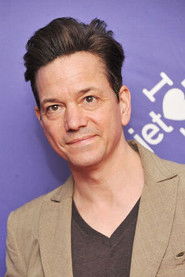 Frank WhaleyRobby Krieger
 Kevin DillonJohn Densmore
 Michael WincottPaul Rothchild
 Michael MadsenTom Baker
 Josh EvansBill Siddons
 Billy IdolCat
 Kathleen QuinlanPatricia Kennealy
 John DensmoreEngineer - Last Session
Directing
- Oliver StoneDirector
- Joseph P. ReidyFirst Assistant Director
- Susan MalersteinScript Supervisor
Writing
- John DensmoreBook
- Oliver StoneWriter
- Randall JahnsonWriter
Production
- Clayton TownsendAssociate Producer
- Joseph P. ReidyAssociate Producer
- Billy HopkinsCasting
- Risa Bramon GarciaCasting
- Brian GrazerExecutive Producer
- Mario KassarExecutive Producer
- Nicholas ClainosExecutive Producer
- A. Kitman HoProducer
- Bill GrahamProducer
- Sasha HarariProducer
- Sara SpringProduction Coordinator
- Helen PollakUnit Production Manager
Recommended by
Love & Mercy, Stardust, Summer of Love, Jimi Hendrix: Hear My Train a Comin'