
Film
Control
Other titles called Control: the 2004 film.
- Biopic
- Very dark
Control is a stark, formally precise portrait of Ian Curtis, the haunted frontman of Joy Division. Director Anton Corbijn renders Curtis's descent into epilepsy, depression and obsession in stark black-and-white, capturing both the exhilaration of creating revolutionary post-punk and the suffocating weight of fame. It's essential viewing for anyone who wants to understand the man behind the myth—or who simply loves great rock cinema.
Should you watch it?
Watch it if you want a music biopic that cares more about a restless mind and the rooms it sits in than about hit songs, and you're happy to sit with the quiet between gigs.
Skip it if you want the concert energy front and centre, because this lingers in dim flats and rehearsal rooms, moving at a hushed, deliberate pace for two hours.
What it asks of you: Settled attention for just over two hours, in black and white, where mood builds through glances and silences rather than big set pieces or quick cuts.
Not sure? Find tonight's pick in a minute.
If you liked this
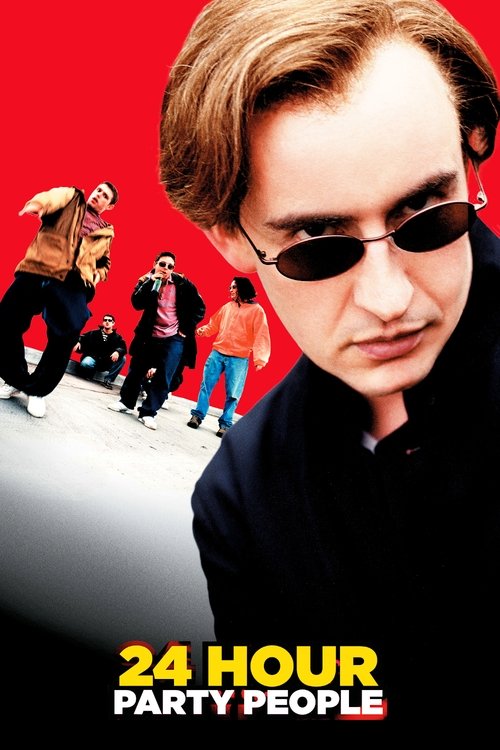
24 Hour Party People2002
Mike Leigh's companion piece to Control, following Tony Wilson and Factory Records through the same era with anarchic energy and genuine warmth. You get the other side of the Joy Division story, plus the rise of Happy Mondays and the acid house explosion.
But It's deliberately shambolic and comedic in ways that Control isn't. Some find it scatterbrained where it should feel liberating.
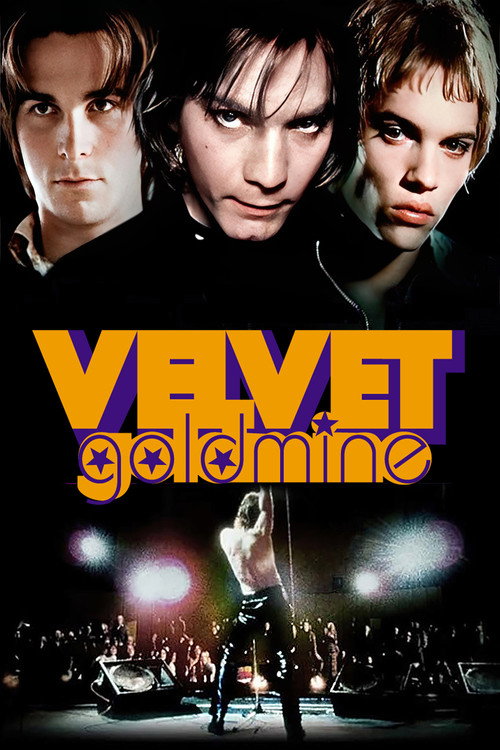
Velvet Goldmine1998
Todd Haynes's kaleidoscopic glam-rock fever dream, structured like a mystery and shot with an artist's eye. It captures that same sense of rock as dangerous, transformative mythology—and like Control, it's visually stunning in every frame.
But It's abstract and deliberately non-linear; the story matters less than the feeling. Some viewers find it indulgent rather than revelatory.
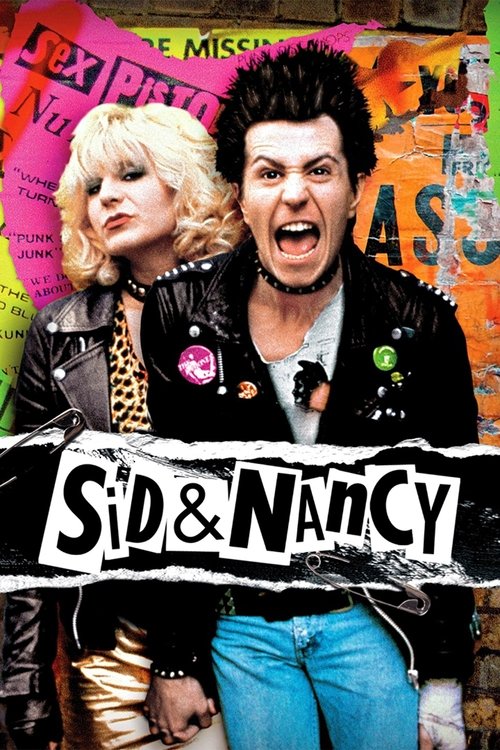
Sid and Nancy1986
Alex Cox's cult portrait of another doomed punk legend and his tragic relationship. It has Control's unflinching approach to addiction and self-destruction, but filtered through the sex-and-drugs chaos of the Sex Pistols rather than post-punk's cold precision.
But It's grittier and nastier than Control, shot in a deliberately rough style. The relationship dynamics are often difficult to watch.
Not sure tonight? Get a pick in a minute, starting from Control
The wildcard
Something you would not have found on your own.
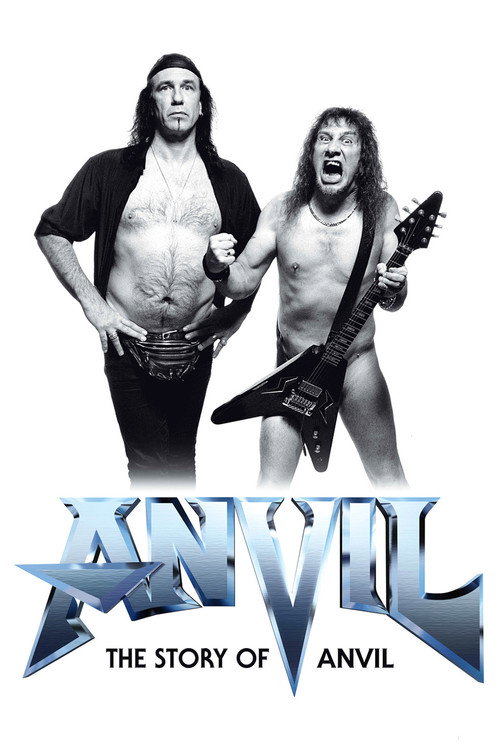
Anvil! The Story of Anvil2008
Both examine what drives artists to create when the world doesn't care. Control shows genius destroyed by success; Anvil shows persistence surviving total obscurity. They're inverse studies of artistic commitment.
Sacha Gervais's documentary about an obscure Canadian heavy metal band still chasing their dream after decades of obscurity. Like Control, it's about artistic vision and the gap between intention and outcome—but it's funny, warm, and ultimately life-affirming. It captures the same devotion to an uncompromising sound, without the tragedy.
But It's defiantly unglamorous; these aren't damaged geniuses, just dedicated journeymen. The humor might feel cruel to some viewers, though it isn't meant to be.
More like this (6)
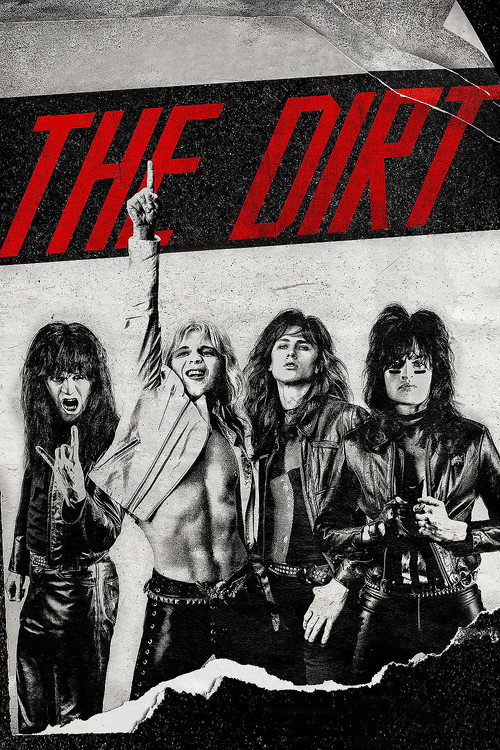
The Dirt2019
Mötley Crüe's rise told as a raucous, darkly comic odyssey. Like Control, it's a band biography that understands how artistic ambition and self-destruction intertwine, but it swings for the opposite emotional registers entirely.
But It's lightweight where Control is heavy—more interested in partying than suffering. If you want intellectual heft, this isn't it.
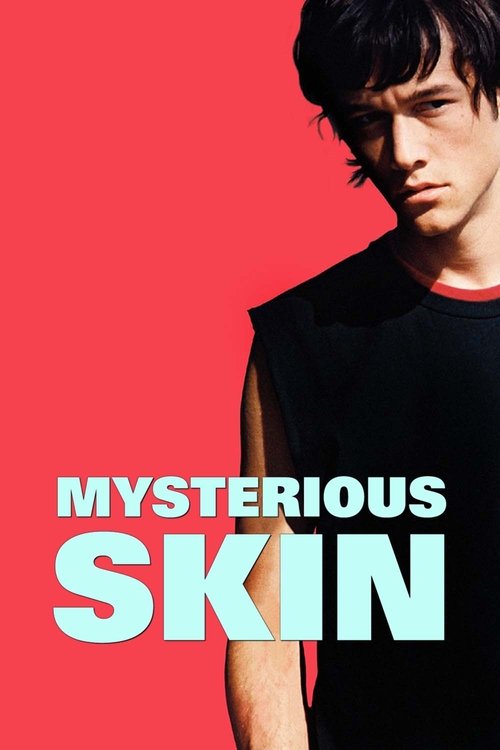
Mysterious Skin2005
Gregg Araki's unflinching exploration of trauma, desire, and how damage shapes identity. It shares Control's commitment to depicting psychological pain without flinching or looking away, and to understanding complexity rather than judgment.
But It deals with child sexual abuse and its aftermath. Watching it requires emotional stamina; it's not cathartic, just truthful and difficult.
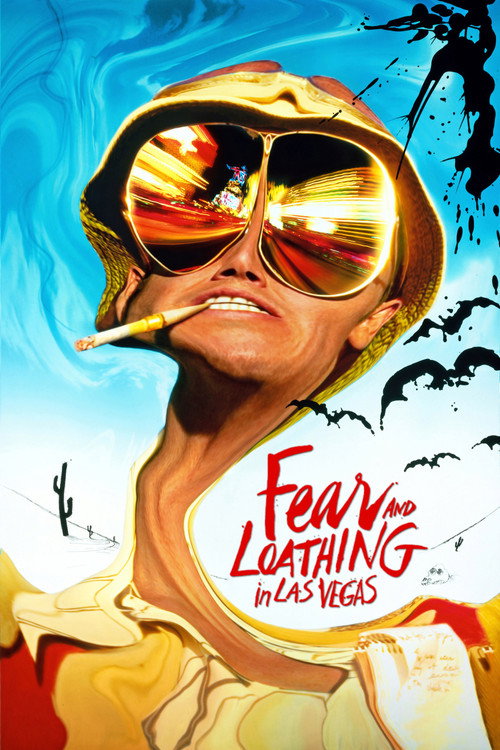
Fear and Loathing in Las Vegas1998
Terry Gilliam's unhinged adaptation of Hunter S. Thompson, capturing chemical euphoria collapsing into paranoia and exhaustion. It's the mirror image of Control—a descent told as grotesque farce rather than tragedy, but equally about artistic vision and self-destruction.
But The visual effects are deliberately chaotic and disorienting. If you prefer clarity and subtlety, the constant visual assault will exhaust you.
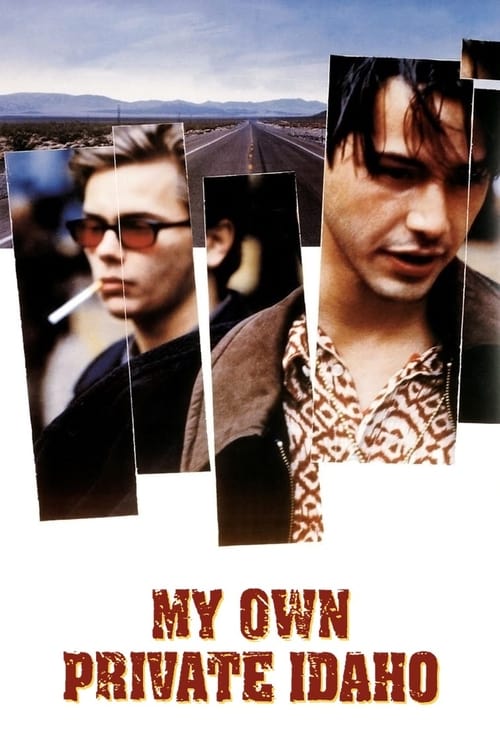
My Own Private Idaho1991
Gus Van Sant's poetic elegy for damaged youth and impossible love, shot in a style that prizes mood and image over plot. It captures that same sense of beauty and loss, of talented people struggling against forces they can't control.
But It's deliberately slow and fragmented. The narrative is deliberately obscure, and some viewers find it pretentious rather than profound.
Kes1970
Both are formally austere portraits of a specific person in a specific place and time. Both use black-and-white cinematography to locate their subjects in a precise historical moment. Both suggest that personality and circumstance are inescapable forces.
Ken Loach's masterpiece about a working-class Yorkshire boy and his wild kestrel hawk. Like Control, it's formally restrained, shot in black-and-white naturalism, and anatomizes how environment and circumstance constrain human potential. The emotional precision is devastating.
But It's set in a grim industrial town with no soundtrack and minimal plot. The absence of conventional drama can feel like absence of anything happening at all.

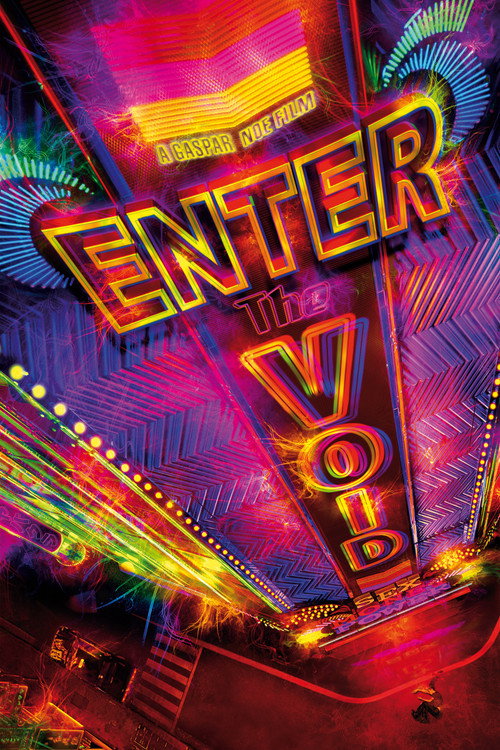
Enter the Void2010
Both films use a deliberate, aestheticized visual language to render internal states external. Both are interested in how the mind experiencing crisis transforms what watching it feels like. Control is crystalline; Enter the Void is hallucinatory—but both demand the viewer match their formal precision.
Gaspar Noé's hallucinatory, nearly plotless film uses POV camera and experimental editing to place you inside a protagonist's consciousness across Tokyo and the afterlife. Like Control, it's about how interior states—depression, dissociation, obsession—reshape how you perceive the world. The formal precision matches the psychological intensity.
But It's visually relentless and essentially plotless; long sections involve neon lights and no dialogue. It requires patience and tolerance for discomfort in ways most cinema doesn't ask.
People
Cast
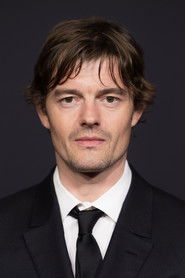 Sam RileyIan Curtis
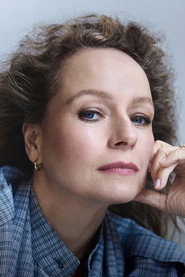 Samantha MortonDebbie Curtis
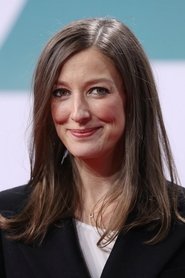 Alexandra Maria LaraAnnik Honoré
 Joe AndersonHooky
 Toby KebbellRob Greton
 Craig ParkinsonTony Wilson
 James Anthony PearsonBernard Sumner
 Harry TreadawaySteve Morris
- Robert ShellyTwinny
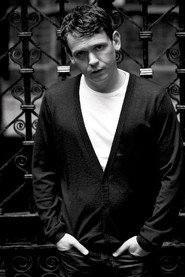 Andrew SheridanTerry
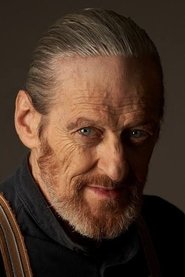 Richard BremmerIan's Father
- Tanya MyersIan’s Mother
Directing
- Anton CorbijnDirector
- Toni StaplesFirst Assistant Director
- Val WhiteScript Supervisor
- Andrew FosterSecond Assistant Director
- Katy StensonThird Assistant Director
Writing
- Deborah CurtisBook
- Matt GreenhalghScreenplay
Production
- Joanna BatesAssistant Accountant
- Tina PawlikAssistant Production Coordinator
- Shaheen BaigCasting
- Benjamin TillCasting Assistant
- Deborah CurtisCo-Producer
- Megumi FukasawaCo-Producer
- Peter HeslopCo-Producer
- Satoru IsekiCo-Producer
- Tony WilsonCo-Producer
- Akira IshiiExecutive Producer
- Iain CanningExecutive Producer
- Korda MarshallExecutive Producer
- Lizzie FranckeExecutive Producer
- Peter HeslopLine Producer
- Vicky ChapmanLocation Assistant
- Rob JonesLocation Manager
- Anton CorbijnProducer
- Orian WilliamsProducer
- Todd EckertProducer
- Lesley BroderickProduction Accountant
- Rachel RobeyProduction Coordinator
- Katie BleakleyProduction Runner
Recommended by
This Is England, Sid and Nancy, Quadrophenia, I'm Not There, Backbeat, The Devil's Double, The Boat That Rocked, 24 Hour Party People, Nowhere Boy, The Doors, Basquiat, Good Vibrations, CBGB, Velvet Goldmine, The Hours and Times, The Great Rock 'n' Roll Swindle, Punk: Attitude, Rude Boy, The Second Act of Elliott Murphy, Joy Division, The Clash: Westway To The World, Stardust, Protecting the King