
Film
Control
Other titles called Control: the 2007 film.
A death row inmate gets a second chance through experimental brain chemistry, but the treatment comes with a sinister cost. Ray Liotta plays a man caught between rehabilitation and control, as the line between salvation and subjugation blurs. It's a taut, paranoid thriller that uses body horror and psychological manipulation to explore how power operates through our bodies.
If you liked this
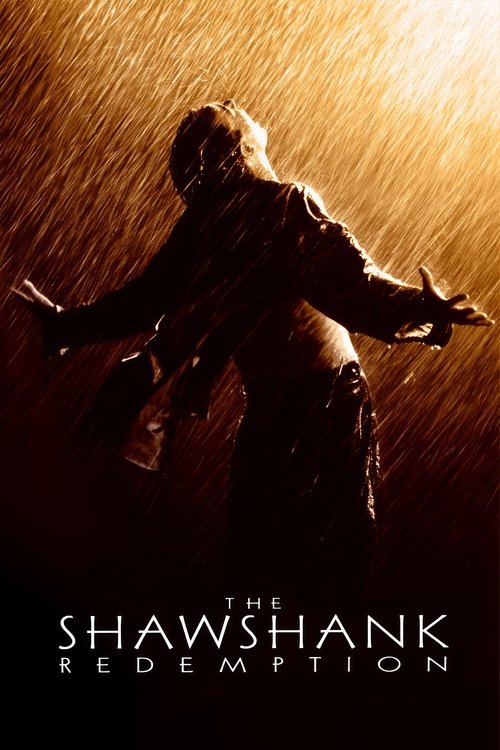
The Shawshank Redemption1994
A masterclass in prison narrative and redemption arcs. Focuses on the human cost of incarceration and the possibility of second chances—themes that Control wrestles with from a darker angle.
But It's a comfort film now, beloved to the point of oversaturation. Watching it again might feel like obligation rather than discovery.
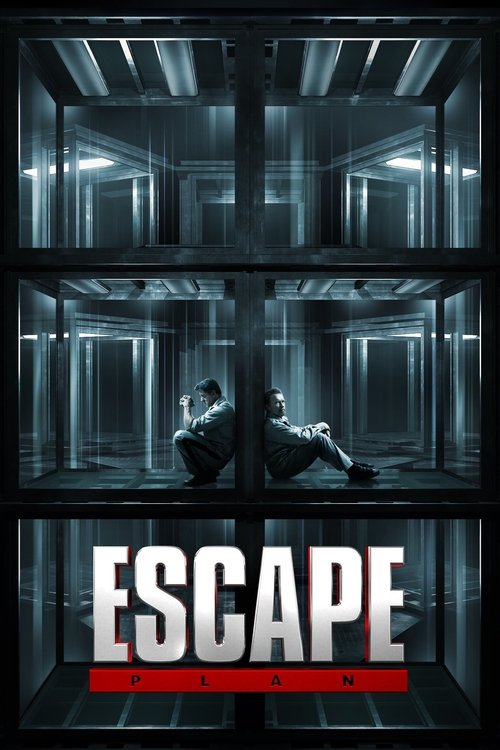
Escape Plan2013
Stallone and Schwarzenegger in a high-concept prison thriller where inmates must outwit both the system and each other. Fast-paced and fun, with the same paranoia about who really controls the game.
But It prioritizes spectacle and one-liners over substance. The plot strains credibility, and the tone is lighter than Control's dread.
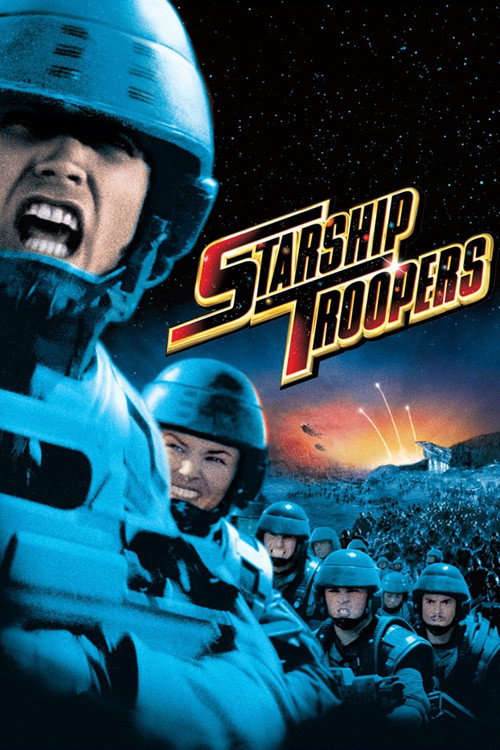
Starship Troopers1997
Paul Verhoeven's sci-fi satire explores state control through body modification and military indoctrination. Wildly entertaining and visually inventive, with a dark intelligence about how systems reshape individuals.
But The satire can feel heavy-handed. Some audiences find the fascist aesthetics distasteful, even knowing it's intentional critique.
Not sure tonight? Get a pick in a minute, starting from Control
The wildcard
Something you would not have found on your own.
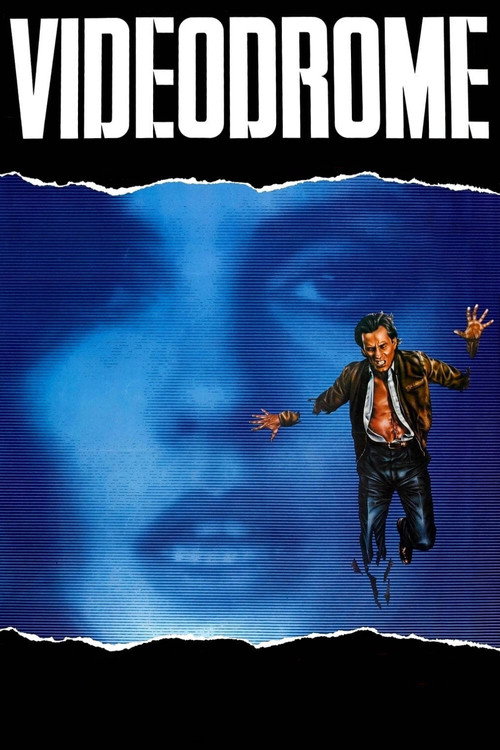
Videodrome1983
Both films use the body as the primary battleground for ideological control, with experimental intervention that blurs the line between healing and violation. Both are paranoid about institutional power weaponizing intimacy.
Cronenberg's absolute masterpiece about media, desire, and the dissolution of bodily reality. It's grotesque, hypnotic, and obsessed with how external forces reshape consciousness—the spiritual predecessor to everything Control attempts.
But It's deliberately disorienting and sexually transgressive. The body horror is visceral and might genuinely disturb. Some find it pretentious or unwatchable.
More like this (8)
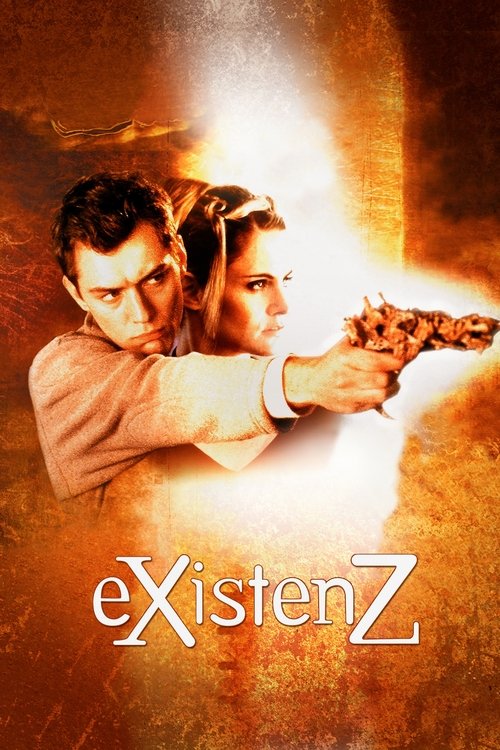
eXistenZ1999
Cronenberg's mind-bending thriller about reality, control, and bodily invasion. Dense with ideas about agency and manipulation, it builds the same sense of paranoia that Control pursues.
But It's deliberately opaque and asks a lot from the viewer. If you need narrative clarity, this will frustrate you.
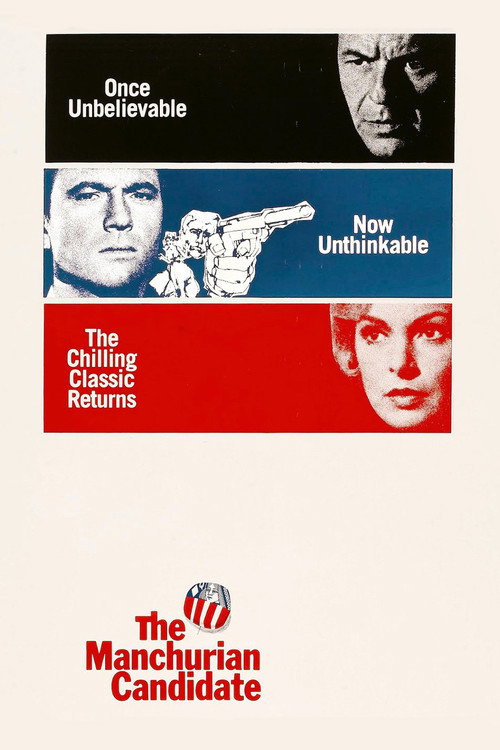
The Manchurian Candidate1962
The definitive film about programmed behavior and hidden control. Cold War paranoia meets psychological thriller; it's influential for every narrative about unwilling mind control that followed.
But The pacing is deliberate and the dialogue dense. It rewards attention but can feel slow to modern audiences.
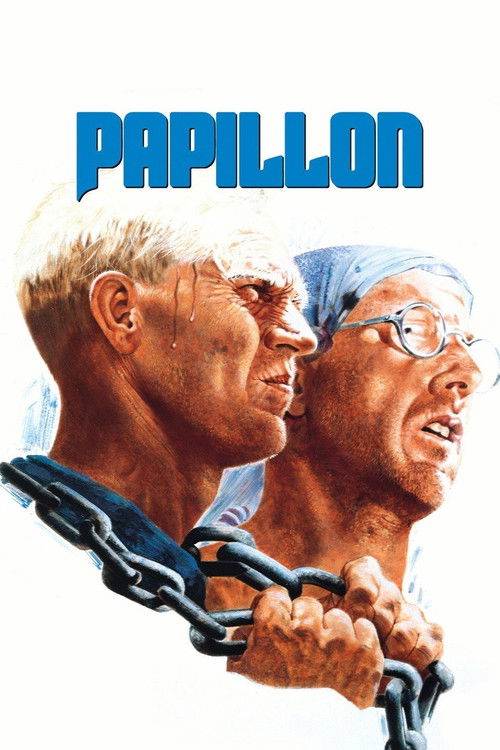
Papillon1973
Steve McQueen in a brutal, meditative prison escape film. It's about dignity in captivity and the cost of freedom—spiritual cousins to Control's exploration of what it means to be truly free.
But Long, methodical, and emotionally heavy. The famous ending might not land as powerfully as it once did.
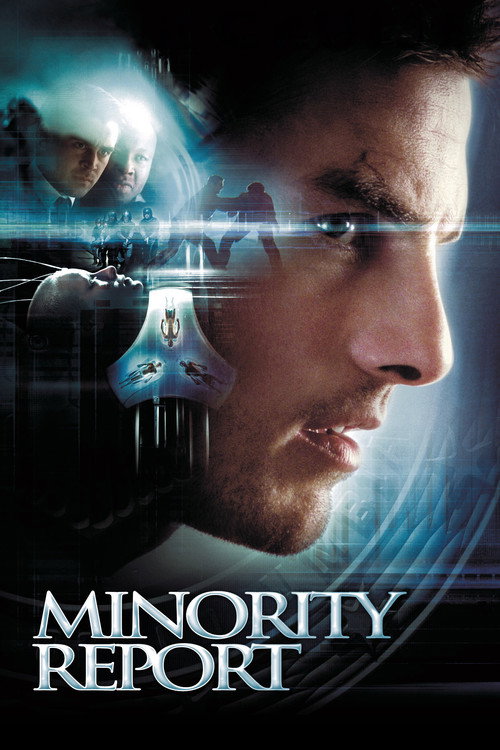
Minority Report2002
Spielberg's sharp thriller about preemption and bodily autonomy. Tom Cruise runs, the ideas bounce fast, and it captures the paranoia of being hunted by the systems designed to protect.
But The action sequences occasionally overshadow the philosophical core. By the third act, spectacle wins out over substance.
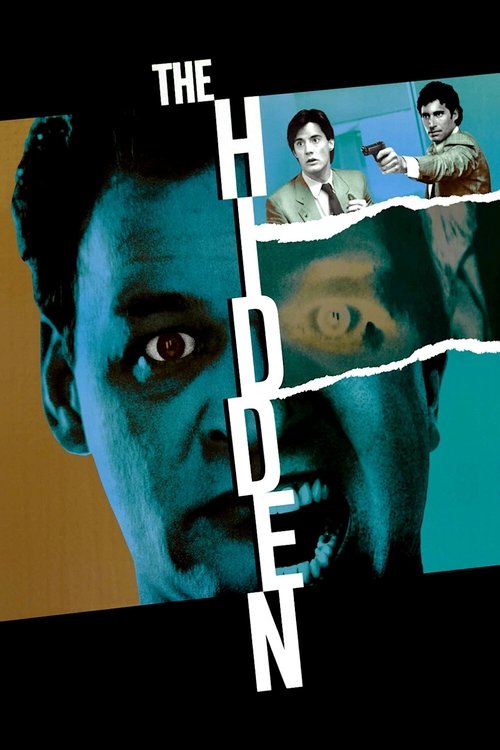
The Hidden1987
John Carpenter's body-horror sci-fi thriller where an alien parasite hops between hosts, controlling behavior. Tense, inventive, and genuinely creepy—nails the terror of losing bodily autonomy.
But It's low-budget and sometimes shows it. Pacing sags in the middle, and some effects haven't aged gracefully.
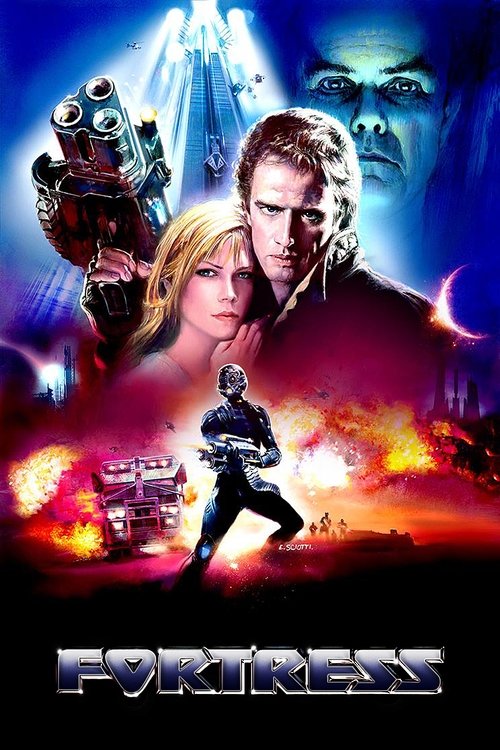
Fortress1992
Christopher Lambert in a cyberpunk prison film where inmates are implanted with explosive devices. Rough around the edges but genuinely concerned with resistance and the body as a site of control.
But The CGI is dated and occasionally laughable. The script is functional rather than inspired, and it plays like a B-movie throughout.
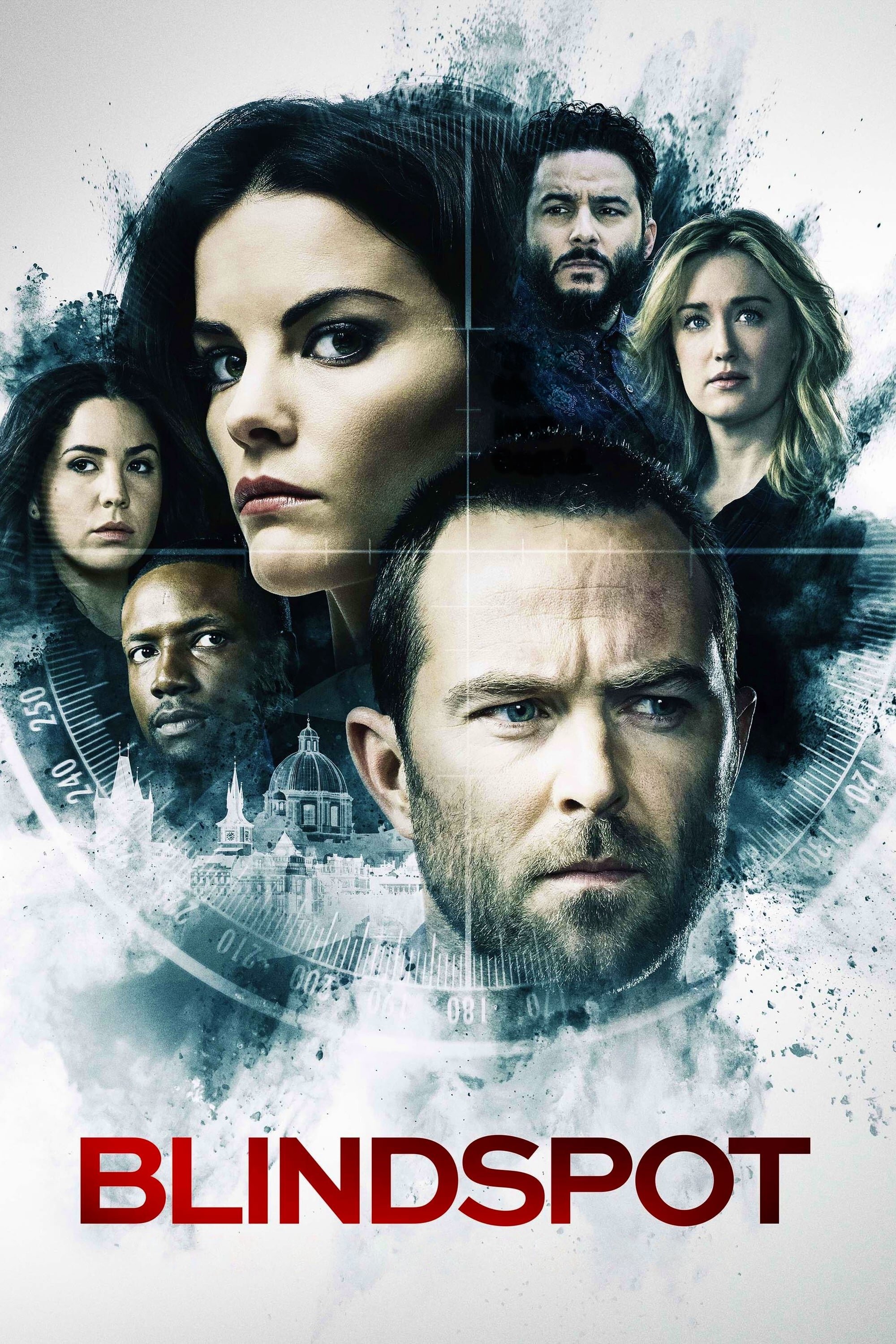
Blindspot2015
Like Control, it's obsessed with what happens when someone's body and mind are used as a tool by hidden powers. Both explore recovery and resistance from a state of complete vulnerability.
Jane Doe wakes up in a vat with no memory and a body covered in mysterious tattoos, each one connected to a crime. It's a procedural that's genuinely mysterious, with a core mythology about identity, bodily autonomy, and programmed behavior that builds brilliantly across its seasons.
But Network television can be uneven in quality. The procedural elements sometimes overwhelm the deeper questions. Later seasons struggle to justify the mythology they've built.
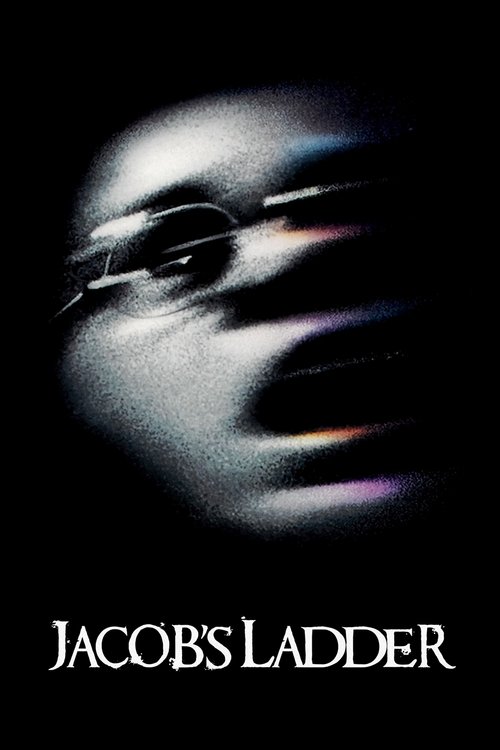
Jacob's Ladder1990
Both films weaponize chemistry to destroy certainty—your own mind becomes the unreliable narrator. Both use bodily grotesquerie to visualize internal psychological rupture caused by external intervention.
Adrian Lyne's hallucinatory masterpiece about a veteran unraveling after chemical exposure in war. It's formally inventive, genuinely disturbing, and builds ambiguity between what's real and what's been chemically induced—a textural cousin to Control's paranoia.
But It's genuinely upsetting. The body horror is artistic but relentless. Some find the spiritual resolution unsatisfying or heavy-handed compared to the existential dread that precedes it.
People
Cast
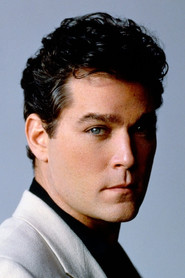 Ray LiottaLee Ray Oliver
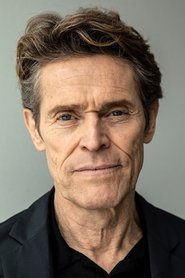 Willem DafoeDr. Michael Copeland
 Michelle RodriguezTeresa
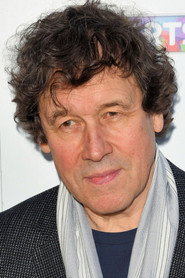 Stephen ReaDr. Arlo Penner
 Polly WalkerBarbara Copeland
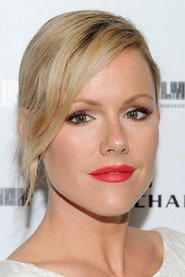 Kathleen RobertsonEden Ross
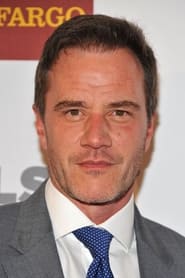 Tim DeKayBill Caputo
- Mark PickardGary Caputo
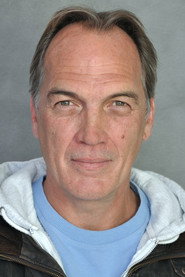 Stewart AlexanderPowell
 Glenn WrageGibson
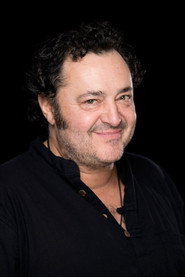 Ivan KayeNorton
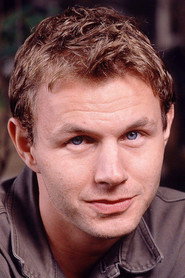 Mark LetherenVillard
Directing
- Tim HunterDirector
- Cole S. McKaySecond Unit Director
Writing
- Darren SwimmerScreenplay
- Todd SlavkinScreenplay
Production
- Amy McIntyre BrittCasting
- Anya ColloffCasting
- Laura SotirovaCasting
- Andreas SchmidExecutive Producer
- Boaz DavidsonExecutive Producer
- Danny DimbortExecutive Producer
- John ThompsonExecutive Producer
- Trevor ShortExecutive Producer
- Charla DriverLine Producer
- Andreas GroschProducer
- Avi LernerProducer
- David VarodProducer
- George FurlaProducer
- Randall EmmettProducer