
Film
Rude Boy
A fiction-documentary hybrid following a working-class Clash fanatic through 1970s London, splicing his mundane life and radical awakenings with real concerts and political ferment. It's chaotic, unpolished, occasionally mystifying—less coherent narrative than a fever dream of punk ideology and cultural collision. For anyone curious how punk looked and felt before it became style.
Should you watch it?
Watch it if you want a raw, grimy snapshot of 1970s London punk, where the Clash's live performances crackle and the street-level fan's restless days feel like they were filmed on the pavement.
Skip it if you need a tidy plot, polished narration or a film that explains itself, since its loose, fragmentary structure and long stretches of concert footage can feel shapeless to anyone not already invested in the music.
What it asks of you: It runs well over two hours at a loose, wandering pace, so it asks for patience with long concert sequences and scenes that drift between political rallies and everyday boredom.
Not sure? Find tonight's pick in a minute.
If you liked this
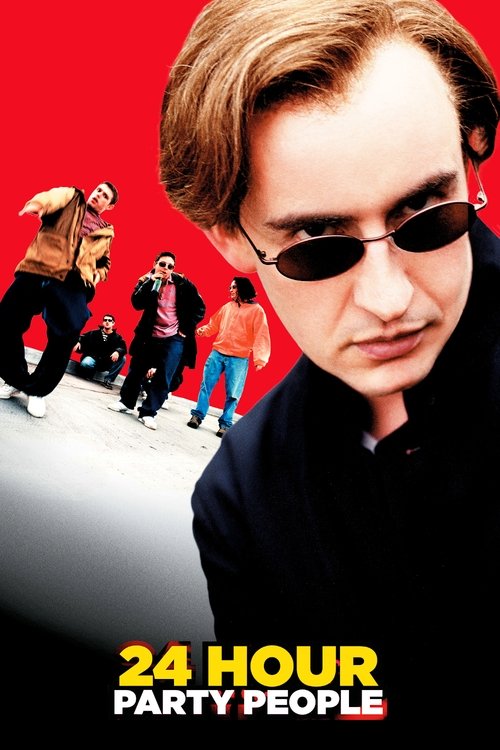
24 Hour Party People2002
Mockumentary about acid house and Factory Records that captures the same chaotic energy of music colliding with real history, complete with a protagonist fumbling through events bigger than himself and a rock-solid original soundtrack.
But Considerably slicker and more comedically polished than Rude Boy; if you want rough authenticity, this trades some of it for accessibility and laughs.
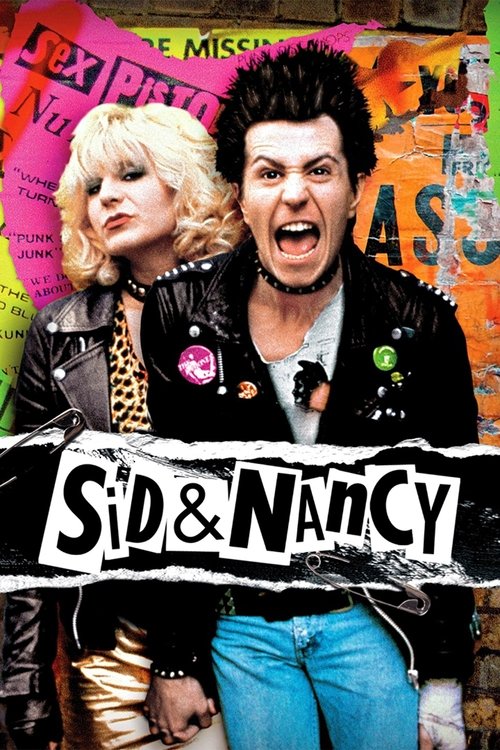
Sid and Nancy1986
Alex Cox's punk elegy about the Sex Pistols' doomed bassist. Raw, angry, visually inventive, and equally interested in the ideology behind the movement and the human wreckage it leaves behind.
But Bleak in ways Rude Boy only threatens to be. Focused on decline and tragedy rather than possibility or political energy.
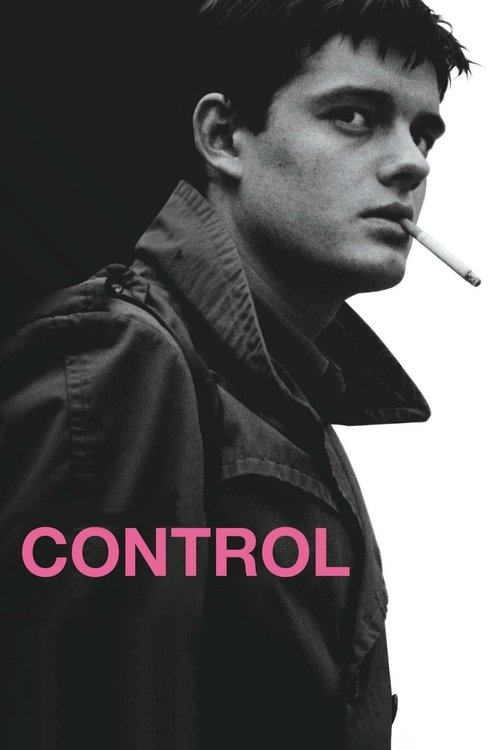
Control2007
Austere Joy Division biopic that treats music as inseparable from industrial Manchester and personal torment. Like Rude Boy, it's more interested in atmosphere and context than conventional storytelling.
But Deliberately cold and black-and-white; it requires patience and won't reward you with conventional drama or catharsis.
Not sure tonight? Get a pick in a minute, starting from Rude Boy
The wildcard
Something you would not have found on your own.
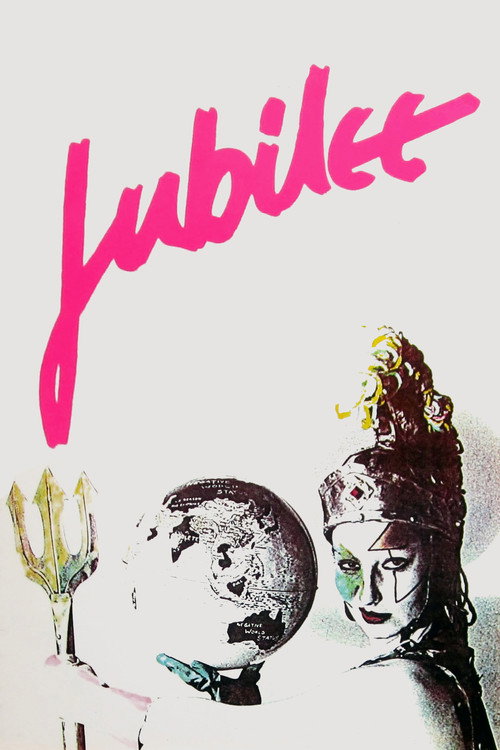
Jubilee1978
Both films see punk as a window onto social collapse and political awakening; both are more interested in what punk meant than in the music itself, and both refuse traditional narrative discipline.
Derek Jarman's experimental film set in an alternate punk England, shot through with queer desire, occultism, and genuine danger. Uses punk as a visual and political language rather than a subject. Formally daring in ways mainstream music films never dare.
But Avant-garde and deliberately alienating; plot is secondary to imagery and mood. You need patience for abstraction, and some of it was controversial on grounds of sex and violence.
More like this (7)
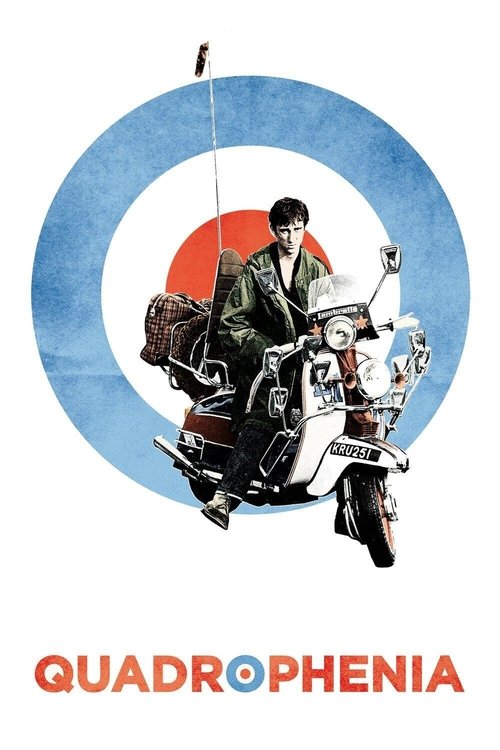
Quadrophenia1979
The Who's film adaptation about mod culture in 1960s Brighton. Energetic, gorgeously shot, with a killer soundtrack. Same era's fascination with youth subculture, class, and music as identity.
But Slick and extremely professional—the opposite of Rude Boy's DIY roughness. The soundtrack occasionally overwhelms the storytelling.
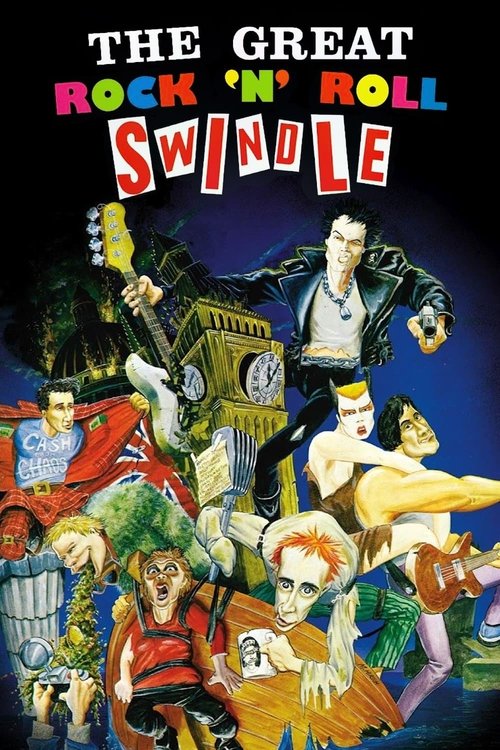
The Great Rock 'n' Roll Swindle1980
Situationist chaos masquerading as a Sex Pistols film. Malcolm McLaren's deliberately absurd, half-baked documentary-narrative that uses punk as permission to make something genuinely anarchic and unpredictable.
But Often unwatchable by design; McLaren prioritises provocation over coherence, and the film frequently collapses under its own contempt.
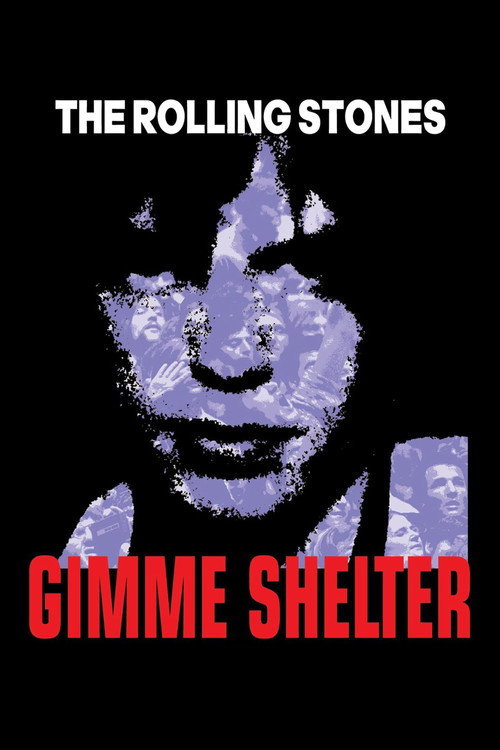
Gimme Shelter1970
Maysles Brothers' documentary of the Rolling Stones' Altamont concert, where the idealism of rock and roll visibly dies onscreen. The granddaddy of music films that see culture as inseparable from violence and social rupture.
But A different genre entirely—pure documentary, no narrative fiction. Brutal in its implications and offers no redemption.
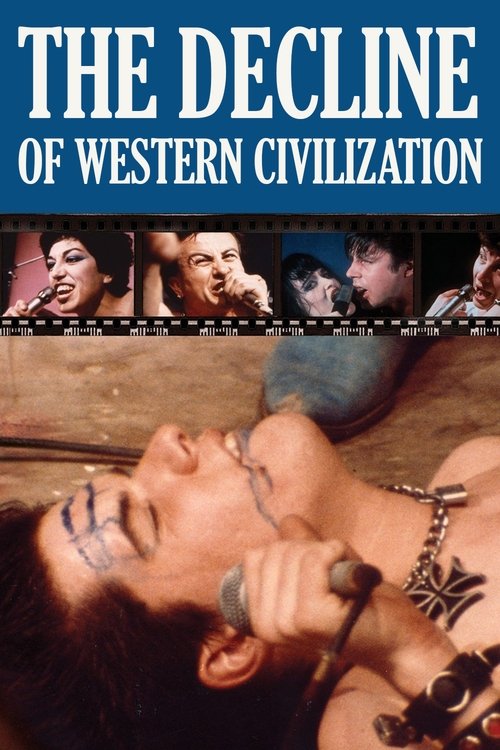
The Decline of Western Civilization1981
Penelope Spheeris' ferocious LA punk documentary: raw concert footage and interviews with bands living in actual squalor. It captures the real conditions punk emerged from with zero sentimentality.
But Aggressively bleak, repetitive, and poorly shot; many viewers find it exhausting rather than exhilarating.
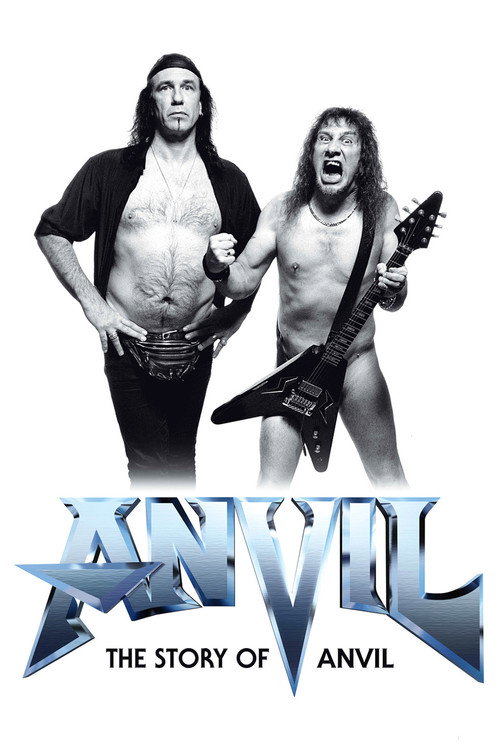
Anvil! The Story of Anvil2008
A heavy metal band's long, humiliating road to nowhere, treated with genuine affection. Shows how obsession and faith in your art survives indifference. Funny, touching, and surprisingly wise about work and friendship.
But The opposite register entirely—a feel-good documentary about failure. If you want punk anger, this won't deliver it.
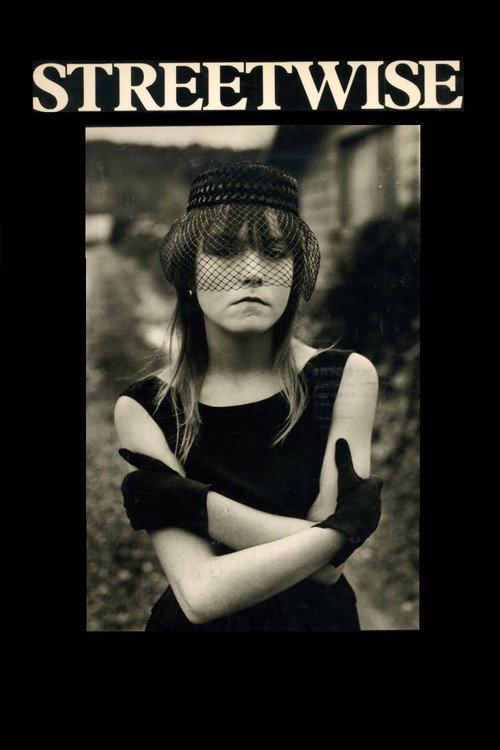
Streetwise1984
Both films use outsider characters to examine how British and American society abandons its young. Both refuse to make poverty aesthetic or heroic.
Martin Bell's documentary about homeless teenagers in Seattle. Zero music, zero romance—just kids surviving by any means. Treats its subjects with the same unflinching attention to class and circumstance Rude Boy brings to the Clash.
But Genuinely upsetting; it's about real destitution, not style or ideology. Some subjects meet tragic ends, and Bell doesn't offer comfort or resolution.
Stalker1979
Both films are more interested in the spiritual hunger driving their characters than in conventional dramatic payoff. Both see faith and ideology as forces that shape people, and neither offers easy answers about whether that's redemptive or destructive.
Andrei Tarkovsky's science-fiction film about desire and faith inside a mysterious zone. Glacially paced, hypnotic, and structured around a search for meaning. A film about yearning in which *wanting* matters more than arrival.
But Soviet science fiction at its most demanding: three hours of long takes and philosophical dialogue. Will feel incomprehensibly slow if you approach it as a plot machine.

People
Cast
 Ray GangeRay
 Joe StrummerThe Group
 Topper HeadonThe Group
 Paul SimononThe Group
 Mick JonesThe Group
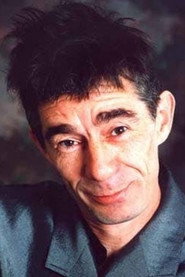 Jimmy PurseyGuest Singer
 Caroline CoonClash Girlfriend
- Johnny GreenRoadie
- Barry BakerRoadie
- Terry McQuadeTerry
- Elizabeth YoungRay's Girlfriend #1
- Sarah HallRay's Girlfriend #2
Directing
- Peter GoddardAssistant Director
- David MingayDirector
- Jack HazanDirector
Writing
- David MingayWriter
- Ray GangeWriter
Production
- David MingayProducer
- Jack HazanProducer