
Film
Joy Division
Anton Corbijn's documentary traces Joy Division from teenage bedroom musicians to post-punk architects, using archive footage, photographs, and candid interviews with the surviving band members. It's intimate without sentiment—a portrait of artistic ambition colliding with Manchester's grey industrial landscape and the weight of Ian Curtis's depression. Essential for anyone who wants to understand how four people made music that still sounds like the future.
Should you watch it?
Watch it if you want to know how a sound was built, not just who made it, and you're happy to let the band's own memories and grainy archive footage do the telling.
Skip it if you want a narrated biography with a tidy arc; this is a patchwork of interviews and found footage that can feel loose and mournful.
What it asks of you: Its shape is unhurried and reflective, roughly a hundred minutes of people looking back in rooms and streets, so it rewards patience more than momentum.
Not sure? Find tonight's pick in a minute.
If you liked this
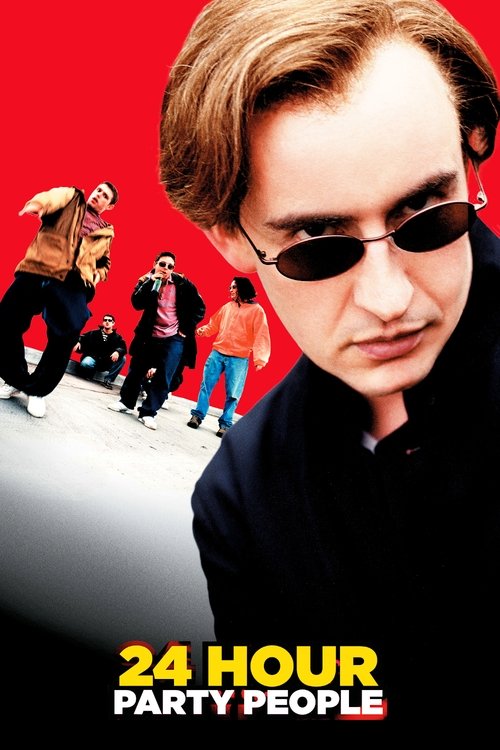
24 Hour Party People2002
Tells the story of Factory Records and Manchester's acid house scene with anarchic energy and genuine affection. Michael Winterbottom captures the chaos and idealism that surrounded Joy Division's legacy, with appearances by the real people involved.
But It's deliberately scattered and irresponsible in tone—some find the postmodern jumping around exhausting rather than exhilarating.
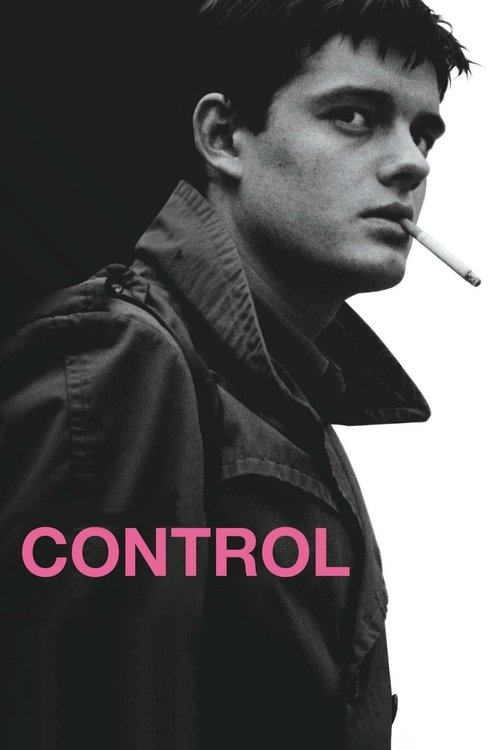
Control2007
Anton Corbijn also directed this biographical film about Ian Curtis, shot in stark black-and-white. It's haunting and specific, capturing Curtis's interior life and the tension between artistic drive and mental illness in ways documentation cannot quite reach.
But The film is deliberately austere and slow. If you want explanation rather than atmosphere, it will frustrate you.
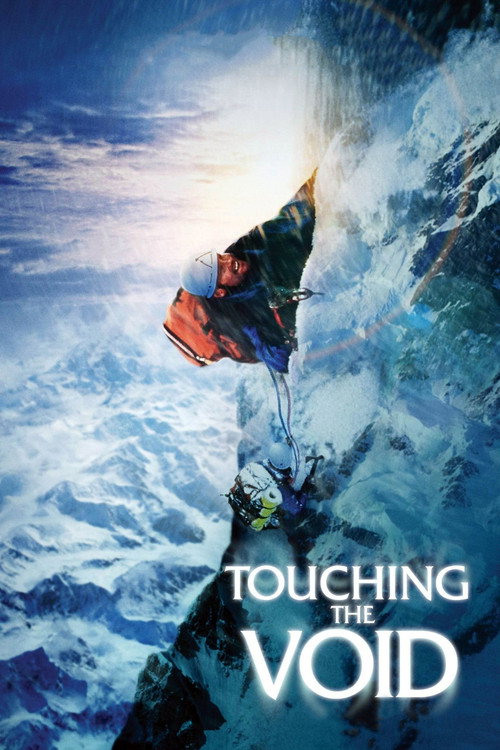
Touching the Void2003
A documentary that reconstructs a real climbing disaster by weaving interview, reenactment, and animation. Like Joy Division, it's precisely structured and uses archive material and voice to convey something visceral—proof that nonfiction can be as formally inventive as fiction.
But The mountain sequences are genuinely gruelling to watch. Not a comfortable film, though not gratuitous either.
Not sure tonight? Get a pick in a minute, starting from Joy Division
The wildcard
Something you would not have found on your own.
Stalker1979
Both works are about the space between artistic vision and psychological dissolution—what happens to people who want something too much.
Andrei Tarkovsky's science-fiction film about a journey into a mysterious zone feels nothing like a music documentary, but it's obsessed with the same thing: the gap between desire and meaning, between reaching for transcendence and the human cost of the attempt. Glacially paced, visually hypnotic, profoundly sad.
But It's 163 minutes of slow Russian cinema with subtitles. If you want narrative momentum or conventional drama, this will test your patience severely.

More like this (7)
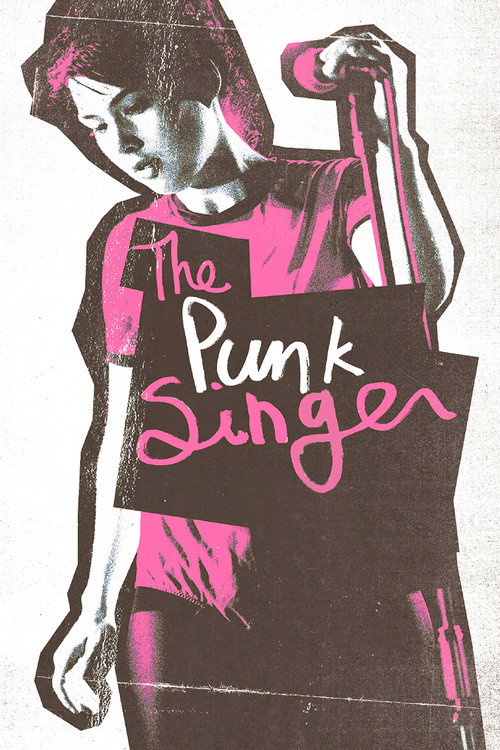
The Punk Singer2013
Sini Anderson's film about Kathleen Hanna and Riot Grrrl captures the personal and political stakes of punk music with the same blend of interviews, archives, and emotional honesty. The energy is different but the commitment to artistic truth is identical.
But Focuses on American punk rather than post-punk, so thematically it's quite different. Rhythm and tone won't feel familiar.
Sonic Boom2014
Five-part series that contextualises Joy Division within the longer history of synthesizer music and electronic innovation. Brilliantly curated and comprehensive, it explains why Joy Division sounded like nothing else at the time.
But It's encyclopedic. If you want story and character over context, you'll find it occasionally dry.

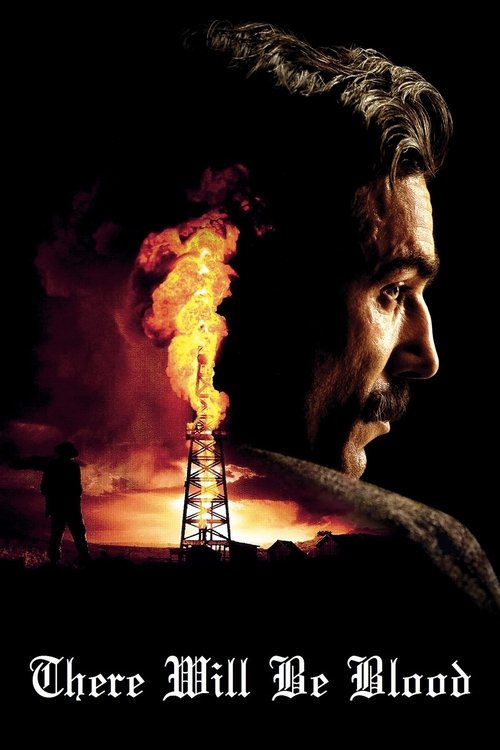
There Will Be Blood2007
Paul Thomas Anderson's film about ambition, artistic vision, and the cost of obsession. The precision of composition and the darkness beneath the surface echo the formal intelligence that made Joy Division matter beyond their era.
But It's about oil barons, not musicians. The connection is tonal and thematic rather than literal, which some find too abstract.
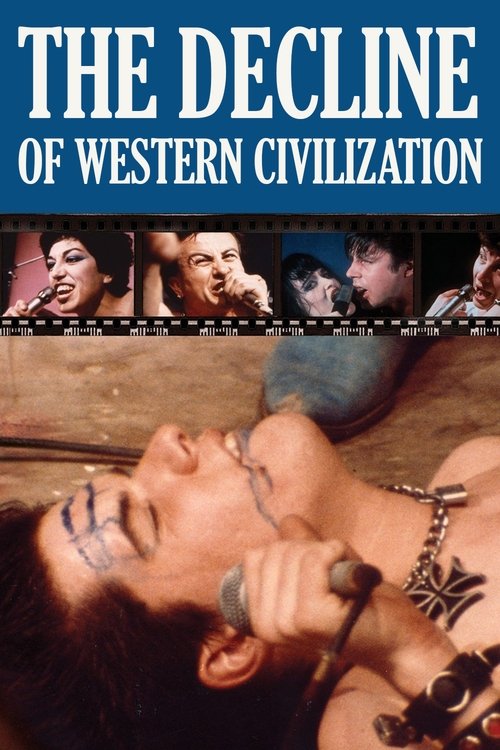
The Decline of Western Civilization1981
Penelope Spheeris documents LA punk in real time, capturing the raw energy and self-destruction that defined the era. It's ethnographic rather than celebratory, uncomfortable and unflinching in exactly the way Joy Division feels.
But It's grubby and chaotic—some find the verite style dated or the punk scene itself too juvenile compared to post-punk.
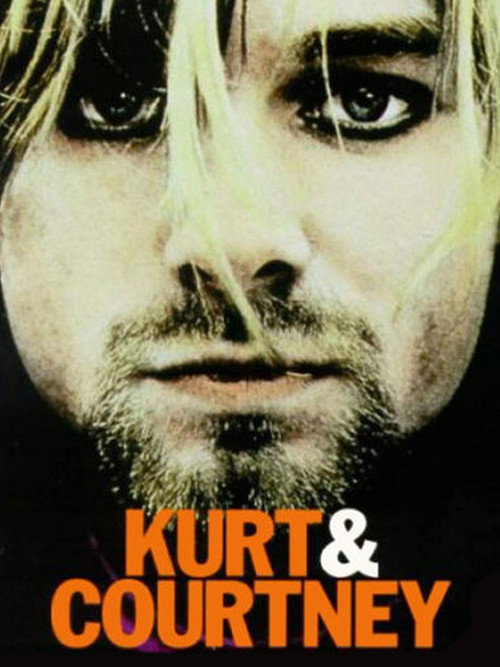
Kurt & Courtney1998
Nick Broomfield's conspiracy-tinged documentary about Kurt Cobain asks uncomfortable questions about fame, mental illness, and who gets to tell the story. Tonally very different from Joy Division but preoccupied with similar shadows.
But It's speculative and conspiratorial in ways that feel tabloid-like. Many find it exploitative rather than illuminating.
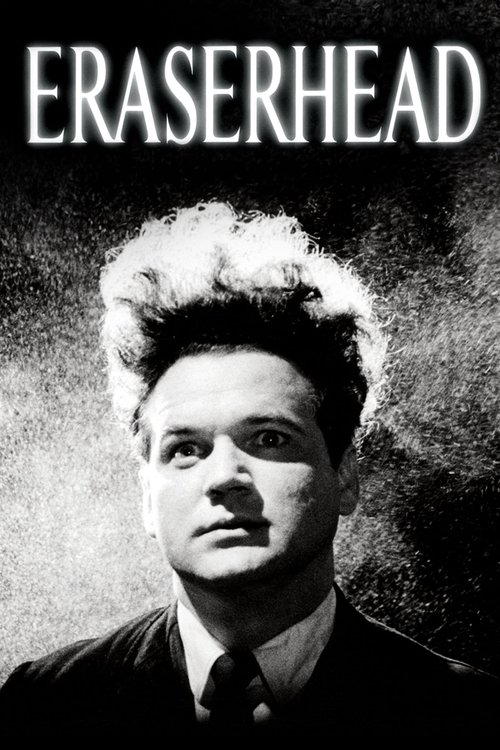
Eraserhead1977
Both capture the texture of depression and alienation without ever explaining them—the feeling of being trapped in your own head in a city that amplifies that feeling.
David Lynch's surrealist nightmare about fatherhood, isolation, and industrial dread. Shot in grainy black-and-white, it conjures the same suffocating Manchester grey that Corbijn captures in photographs. Genuinely disturbing but never gratuitous, like watching anxiety as texture.
But It's deliberately opaque and dreamlike rather than coherent. Some viewers find experimental cinema tedious; others find it impenetrable nonsense.
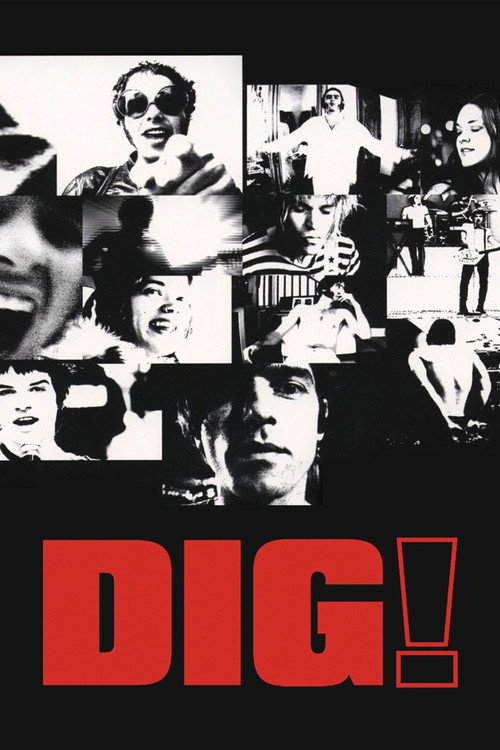
Dig!2004
Both are about the machinery of creative ambition and what happens when that machinery grinds against a fragile human being.
Ondi Timoner's documentary follows The Brian Jonestown Massacre and The Black Lips through ten years of chaos, ego, and artistic obsession. It's rawer and messier than Joy Division—contemporary footage of bands falling apart—but touches the same nerve about talent, mental illness, and whether the music is worth the cost.
But It's genuinely uncomfortable. You watch people self-destruct in real time. The doc offers no redemption or neat ending, just wreckage and occasional brilliance.
People
Cast
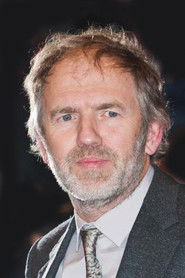 Anton CorbijnSelf
- Kevin CumminsSelf
- Richard BoonSelf
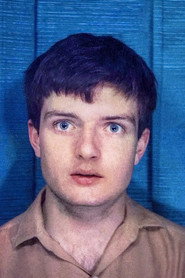 Ian CurtisSelf (archive footage)
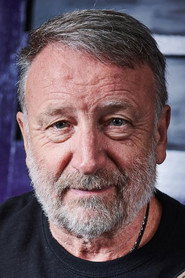 Peter HookSelf
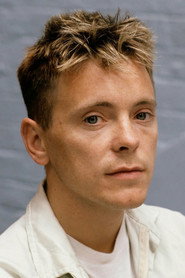 Bernard SumnerSelf
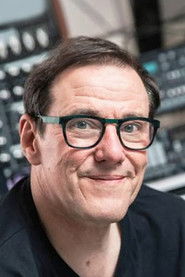 Stephen MorrisSelf
 Paul MorleySelf

- Peter SavilleSelf
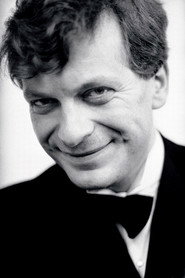 Tony WilsonSelf
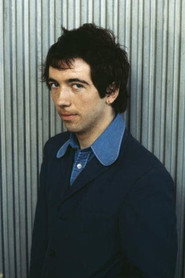 Pete ShelleySelf
Directing
- Grant GeeDirector
Writing
- Jon SavageWriter