
Film
Summer of Love
Summer of Love is a documentary exploring the 1967 San Francisco counterculture explosion that defined a generation. Through archival footage, photographs, and interviews, it captures the music, politics, and idealism that collided in the Haight-Ashbury district. A vibrant, often chaotic portrait of when youth culture briefly seemed to promise radical social transformation.
If you liked this
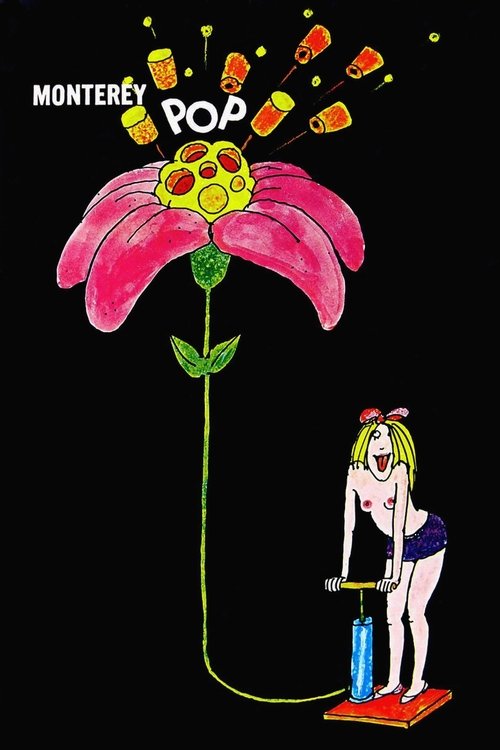
Monterey Pop1968
D.A. Pennebaker's legendary concert film captures the 1967 festival that launched Jimi Hendrix and epitomized the era's musical ferment. Raw, ecstatic, and historically pivotal.
But Dated sound quality and editing techniques can feel claustrophobic compared to modern documentaries. Some performances drag.
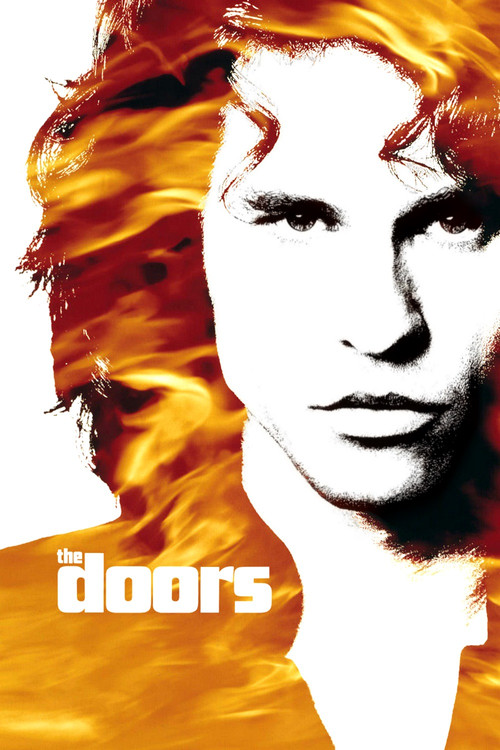
The Doors1991
Oliver Stone's biographical epic on Jim Morrison examines the darkness beneath the Summer of Love's glamour. Dangerous, excess-driven, visually intoxicating and morally reckless in ways that feel honest.
But Stone's direction is heavy-handed and self-indulgent. Morrison himself becomes increasingly insufferable to watch.
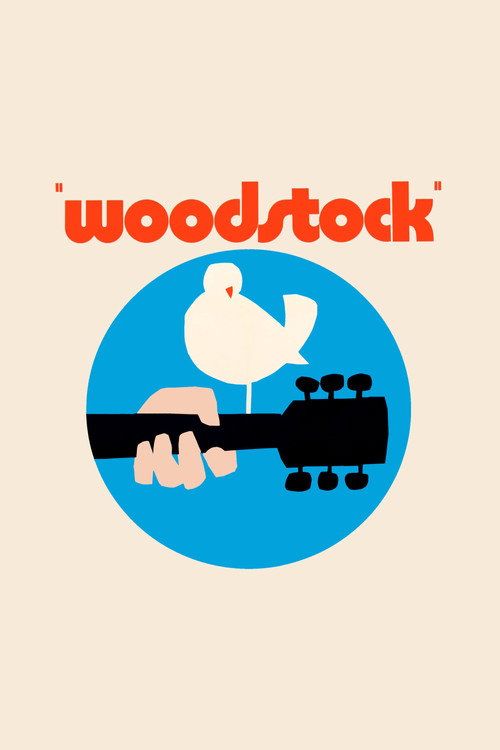
Woodstock1970
Michael Wadleigh's three-and-a-half-hour documentary of the 1969 festival is the definitive counterculture record. Split-screen cinematography, iconic performances, genuine chaos and community all captured at their peak.
But The length demands patience. Some sequences feel bloated, and the idealism can be cloying in retrospect.
Not sure tonight? Get a pick in a minute, starting from Summer of Love
The wildcard
Something you would not have found on your own.
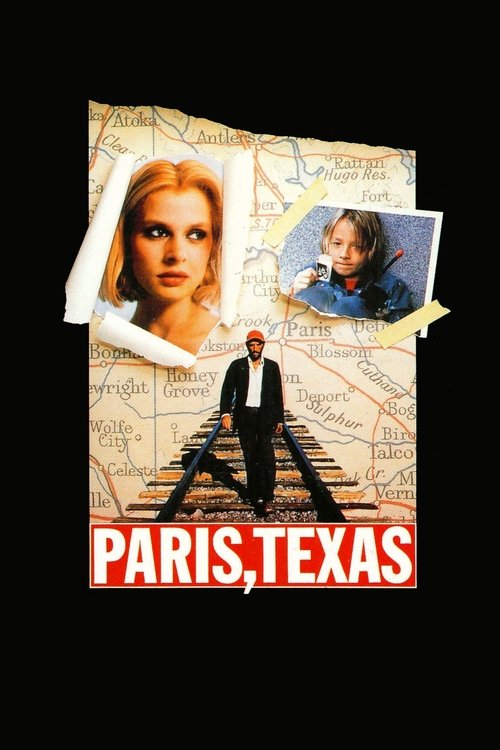
Paris, Texas1984
Both are elegies for American utopian dreams that collided with reality. The Summer of Love promised transformation; Wenders shows what transformation actually costs.
Wim Wenders' masterwork uses the same visual language—vast American landscapes, longing, displacement—but asks what happened to all that sixties idealism fifteen years later. A requiem shot through with melancholy and unresolved trauma.
But Glacially slow, emotionally punishing, and deliberately unconcerned with plot momentum. The famous monologue will either devastate or bore you.
More like this (6)
Easy Rider1969
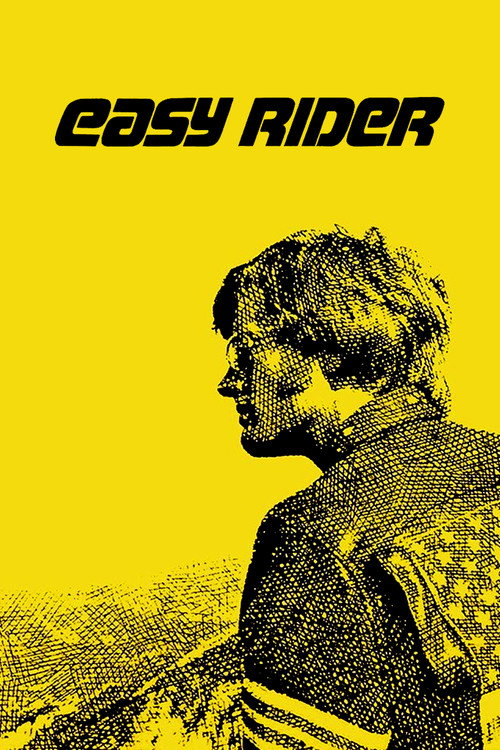
Dennis Hopper's outlaw road movie is the counterculture's most enduring cinematic statement. Loose, angry, gorgeously shot, with a final act that dismantles all the era's comforting myths.
But The politics are muddled and the hippies often come across as self-absorbed. It's a monument to disillusionment dressed as freedom.
Revolution1968
D.A. Pennebaker's documentary of the Columbia University protests captures the political rage simmering beneath the Summer of Love's flower-crown surface. More confrontational than feel-good.
But Chaotic editing makes it hard to follow what's actually happening. No clear narrative spine, which frustrates some viewers.
Gimme Shelter1970
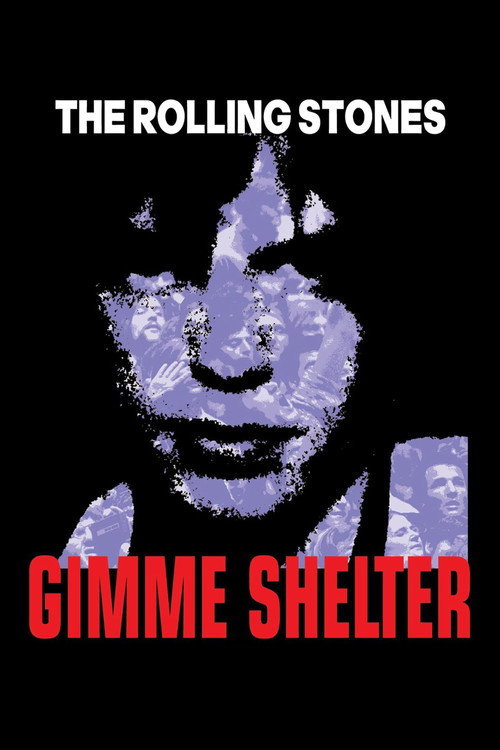
The Rolling Stones' 1969 Altamont concert documentary is the counterculture's apocalypse. A hell-vision finale that proves the era's promise was always fragile and contingent on luck.
But Dour and difficult. The violence is disturbing and the film offers no redemption or explanation. It's a downer by design.
Two-Lane Blacktop1971
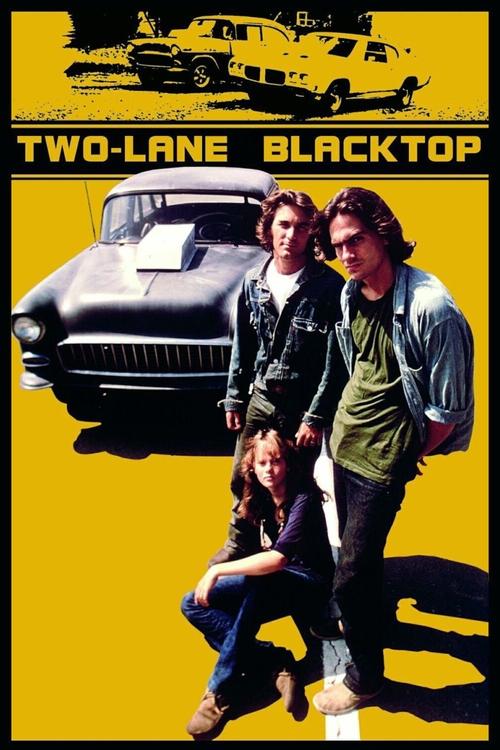
Monte Hellman's existential road film starring James Taylor and Warren Oates captures the spiritual emptiness that emerged as the sixties hope curdled. Hypnotic and philosophically ambitious.
But Nearly plotless and paced like a meditative crawl. Requires patience and offers minimal conventional drama or emotional satisfaction.
The Battle of Algiers1966
Both films grapple with what 'revolution' actually means. The Summer of Love was cultural; this is political. One is flowers; one is guns. Same era, opposite conclusions.
Gillo Pontecorvo's radical political thriller about colonized resistance was made the same moment as the Summer of Love. Uses documentary realism to explore how violence becomes philosophy. Banned and studied in equal measure.
But Aestheticizes political terrorism and bomb violence. The moral clarity it offers is seductive and dangerous. No easy answers, which angers some viewers.

Stalker1979
Both ask what happens when consciousness seeks transformation. The Summer of Love was a collective hallucination of transcendence; Stalker is a metaphysical investigation of whether transcendence is even possible. One is lived; one is dreamed.
Andrei Tarkovsky's Soviet science-fiction meditation on desire and meaning-making is a philosophical response to every utopian movement of the sixties. Hypnotic, hermetic, about the soul's search for transcendence through forbidden zones.
But 161 minutes of slow philosophical cinema in Russian. The plot is nearly absent. Demands surrender rather than entertainment. Actively hostile to impatience.

People
Directing
- Hannes RossacherDirector