
Film
Dawson City: Frozen Time
A documentary about a miraculous archival discovery: 500 silent films buried in a Yukon swimming pool for fifty years, emerging intact from the permafrost. Hypnotic and genuinely odd, it's part detective story, part meditation on what we lose and what survives. For anyone moved by cinema history, forgotten things, or peculiar Americana.
Should you watch it?
Watch it if you are moved by decaying celluloid and the odd poetry of history rotting in a frozen town, and you trust images to carry the argument on their own.
Skip it if you need a story with momentum and a central character; this is slow, fragmentary and anchored to one small town, so it can feel thin.
What it asks of you: Two hours of patient, silent-era images with a hushed, meditative rhythm; it wants you to sit with fragments and let the pieces connect.
Not sure? Find tonight's pick in a minute.
If you liked this
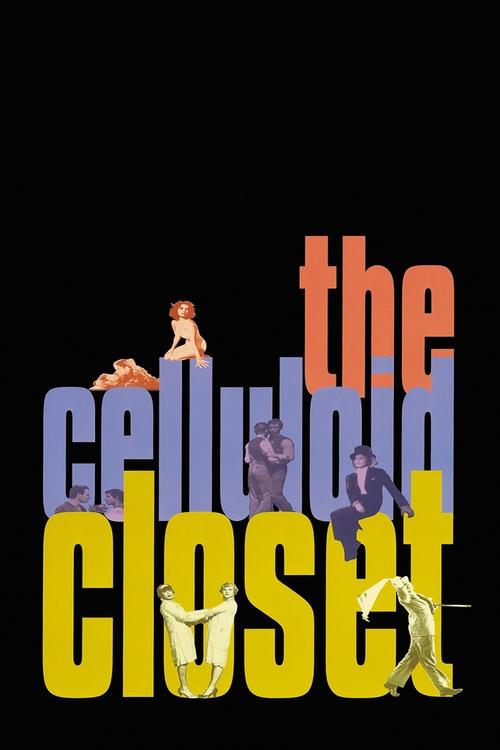
The Celluloid Closet1996
Traces how cinema shaped and reflected attitudes toward LGBTQ+ identity across decades. Uses clips, interviews, and archival material to excavate meaning from old films—exactly what Dawson City does, but with a specific historical reckoning.
But Focuses primarily on American and European cinema, so it's narrower in scope. Some of the older material can feel dated in how it presents these issues.
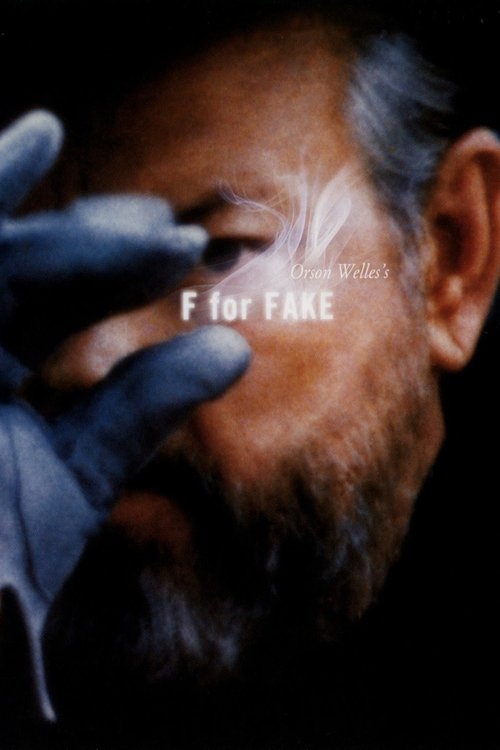
F for Fake1973
Welles' playful documentary about authenticity, fraud, and what we believe about art. It's a formal experiment that questions the very nature of truth in filmmaking, much like Dawson City's found-footage mystery.
But Deliberately fragmented and tricky—Welles hides his structure from you. If you want clarity over experience, you'll find it frustrating.
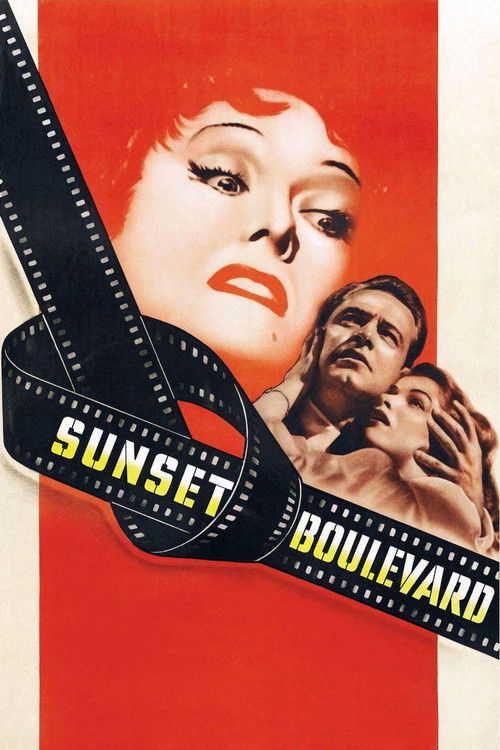
Sunset Boulevard1950
A Hollywood noir suffused with melancholy about forgotten silent film stars and the industry's brutal disposal of talent. It captures the exact era those Dawson City films came from, but through fiction's darker lens.
But Very much a product of its time in how it frames women and fame. The cynicism can feel unrelenting if you're not in the mood.
Not sure tonight? Get a pick in a minute, starting from Dawson City: Frozen Time
The wildcard
Something you would not have found on your own.
Meshes of the Afternoon1943
Both are meditations on cinema as fragile artifact; both ask what survives and why. Deren's work was nearly lost forever—it's the flip side of Dawson City's miraculous discovery.
Maya Deren's 14-minute avant-garde film, shot in her own home, was made the same era those Dawson City reels captured—but it's experimental cinema barely circulated, only surviving through fragmented prints. It's what the archive preserves by accident, not intention.
But Very short, very abstract, no narrative. It requires you to think of film as formal language rather than story, which turns many people away.

More like this (6)
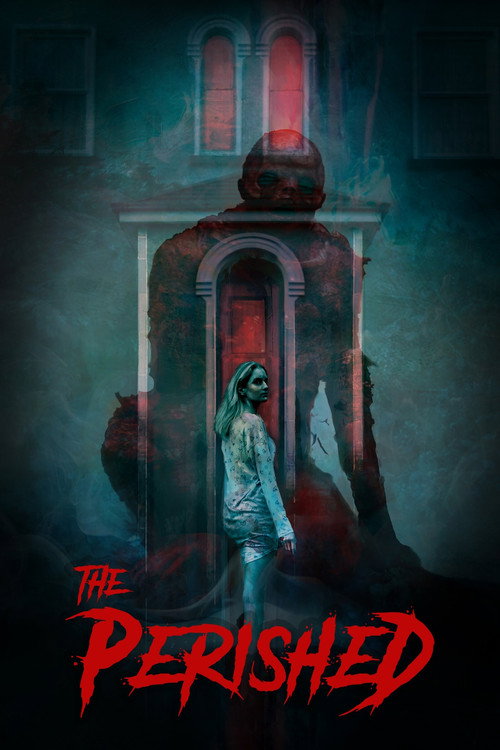
The Perished2019
A Canadian documentary about a lost 1913 expedition in the Arctic, told through archival materials and reconstruction. Thematically paired with Dawson City—both are Northern mysteries buried in ice, both resurrect forgotten tragedy.
But Slower paced and more elegiac than Dawson City. If you want narrative momentum, it moves like glacial ice.
Singin' in the Rain1952
A joyful musical about the transition from silent to sound cinema, featuring some of the greatest dancing ever filmed. It's the optimistic counterweight to Dawson City's archaeology of loss and obsolescence.
But Pure entertainment with no edge. After Dawson City's meditative mood, the relentless cheer might feel jarring.

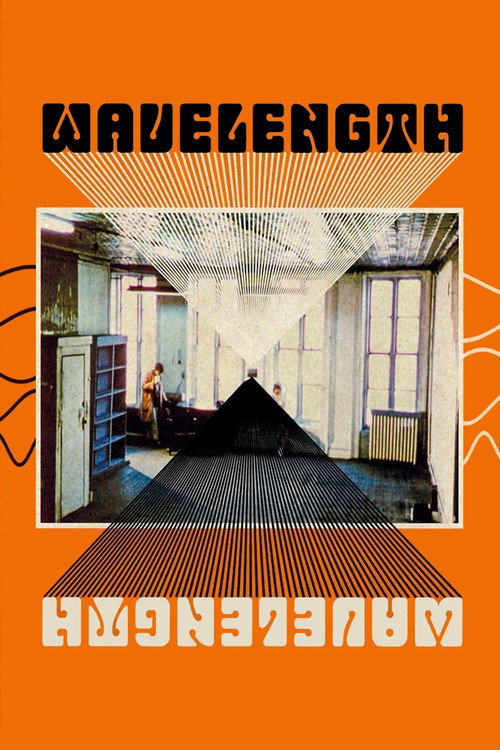
Wavelength1967
Michael Snow's experimental essay about time, cinema, and perception—a 45-minute slow zoom through a room. It's formally radical in how it interrogates what film *is*, connecting to Dawson City's deeper questions about cinema as artifact.
But Demanding and minimal. It requires active engagement; passive watching guarantees boredom and frustration.
Possession1981
Andrzej Żuławski's maximalist nightmare about a collapsing marriage and obsessive art-making. Strange choice here, but it shares Dawson City's fascination with what emerges from underground—debris, secrets, the unseemly undersides of beauty.
But Genuinely difficult and chaotic. If you need your cinema controlled and comprehensible, this will feel like being drowned.

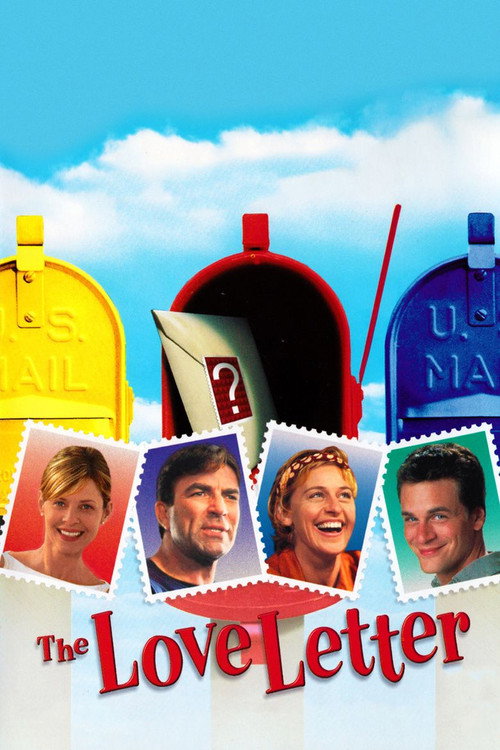
The Love Letter1999
Both are driven by the simple, powerful premise of something lost being found. Both believe that old objects matter because they contain real feeling.
Kate Jackson in a TV movie about a woman who finds a 60-year-old love letter in her attic and tries to deliver it. Schmaltzy on the surface, but genuinely interested in the intimacy of found objects and what the past demands of us.
But Extremely earnest 90s TV sentimentality. It's not ironic, doesn't wink—if that register makes you uncomfortable, you'll hate it.
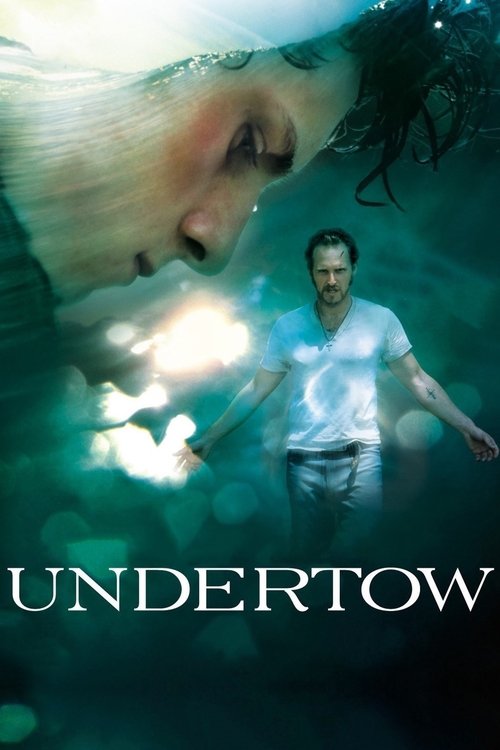
Undertow2004
Both use archival or pseudo-archival visual language to unearth what society has buried—lost films, lost lives. Both insist that the forgotten deserve witness.
Víctor Gaviria's Colombian film about two young men hiding in the city, using documentary-like visual language to film their doomed intimacy. It's neither documentary nor traditional narrative—it occupies the formal space between, like Dawson City does, making reality shimmer.
But Depressing and sexually explicit. The beauty is inseparable from the suffering, and there's no catharsis waiting.
People
Cast
- Kathy Jones-GatesHerself
- Michael GatesHimself
- Sam KulaHimself
- Bill O'FarrellHimself
 Chris 'Mad Dog' RussoHimself
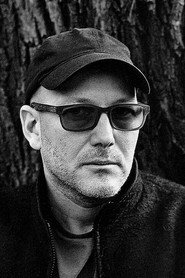 Bill MorrisonHimself
Directing
- Bill MorrisonDirector
Writing
- Bill MorrisonWriter
Production
- Paul GordonAssociate Producer
- Bill MorrisonProducer
- Madeleine MolyneauxProducer