
Film
The Football Factory
- Social drama
- Very dark
The Football Factory is a visceral portrait of British football hooliganism that treats violence not as sport-adjacent crime but as a social symptom—a way for working-class men to feel powerful, connected, and alive. It's brutal, uncompromising, and deeply unsettling. For viewers willing to sit with uncomfortable truths about masculinity and belonging.
If you liked this
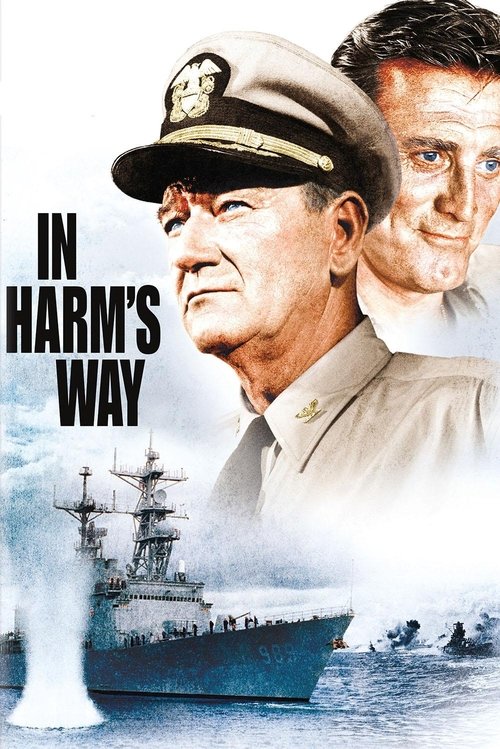
In Harm's Way1965
A parallel anatomy of organized male violence in a different register. Focuses on the psychology of young men drawn to gangs and territorial conflict, with the same unflinching eye and no sermonizing.
But Slower and sadder than The Football Factory, with less narrative momentum. It's more like watching than following.
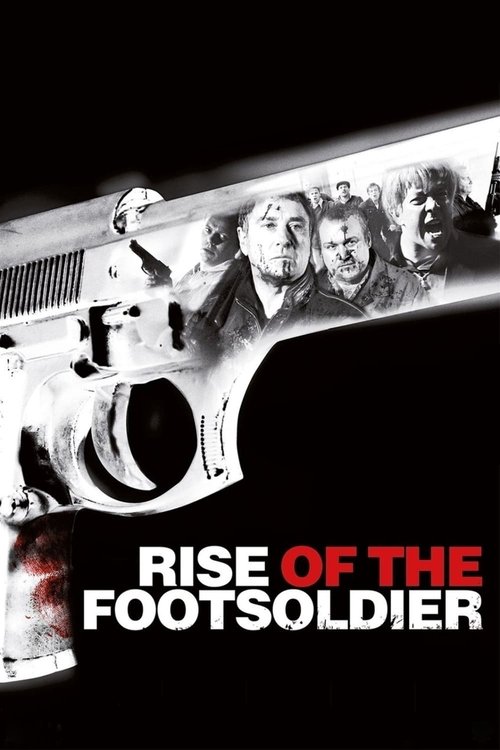
Rise of the Footsoldier2007
Same British underworld, same cast sensibility, same refusal to glamorize brutality. It traces a similar trajectory from street culture into genuine criminality without flinching.
But Very long and quite grim. If Football Factory felt punishing, this doubles down on the exhaustion of that life.
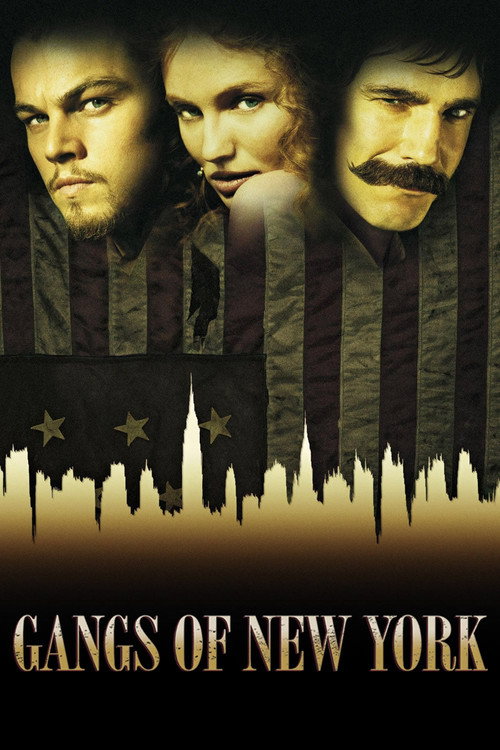
Gangs of New York2002
Hooliganism as historical spectacle. Same investigation of male tribalism and violence as identity and community, but scaled to the nineteenth century and shot like an opera.
But Scorsese's romanticism of the violence might feel softer than what Football Factory offers. Three hours of very stylized brutality.
Not sure tonight? Get a pick in a minute, starting from The Football Factory
The wildcard
Something you would not have found on your own.
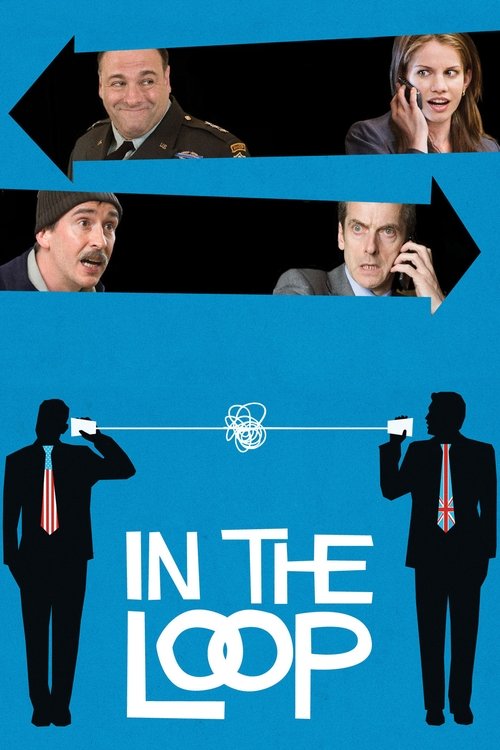
In the Loop2009
Both are studies of tribal masculinity and the psychology of belonging to something bigger than yourself. One plays it for laughs, one plays it straight, but the anatomy is the same.
The same aggression and tribalism, but transplanted to Westminster and the corridors of government. Peter Capaldi's spin doctor is possessed by exactly the same need to dominate, humiliate, and belong to a powerful in-group. Savage and hilarious.
But It's a comedy, which might feel tonally wrong if you're expecting more Football Factory brutality. Very verbal, very specific to British politics.
More like this (8)
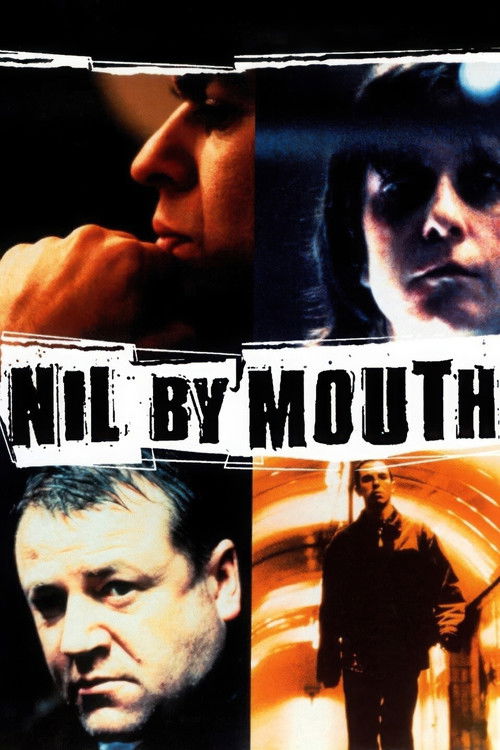
Nil by Mouth1997
Gary Oldman's raw, devastating look at working-class South London families. The same social texture as Football Factory but focused on domestic violence and the paralysis of poverty rather than organized aggression.
But Nearly unwatchable in its bleakness. No irony, no release valve. A genuinely difficult watch about generational damage.
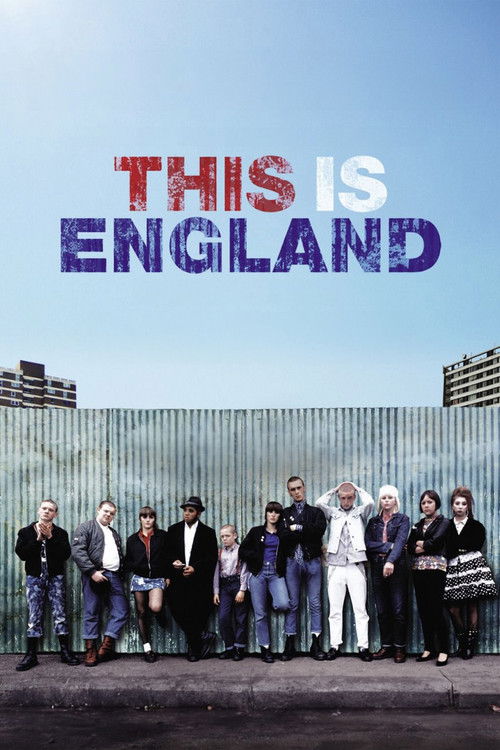
This Is England2007
Shane Meadows' film about youth subculture and skinhead identity in the 1980s. It contains the same sociology as Football Factory—how young men find belonging—but with more emotional texture and a coming-of-age frame.
But Shifts tone as it progresses from adventure to tragedy. Some viewers find the tonal shift jarring rather than deepening.
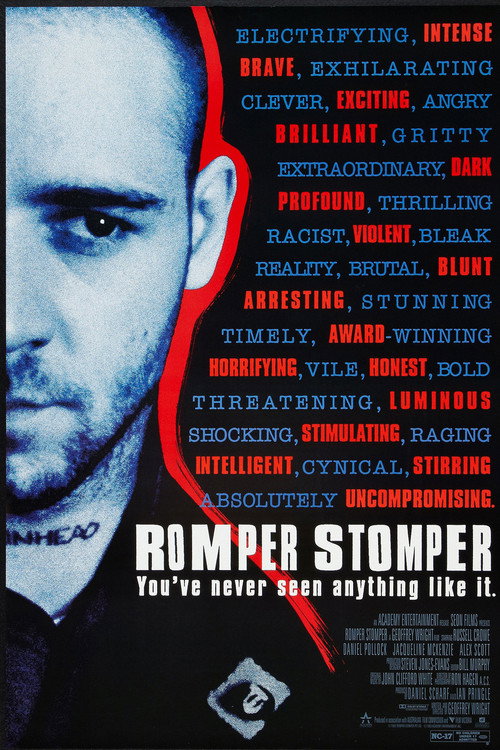
Romper Stomper1992
An Australian precursor that does the same work: following a skinhead gang with anthropological seriousness, tracing how ideology and violence become inseparable from group identity and belonging.
But Made in the early 90s, it has a slightly dated aesthetic. The character work isn't as crisp as newer films in this vein.
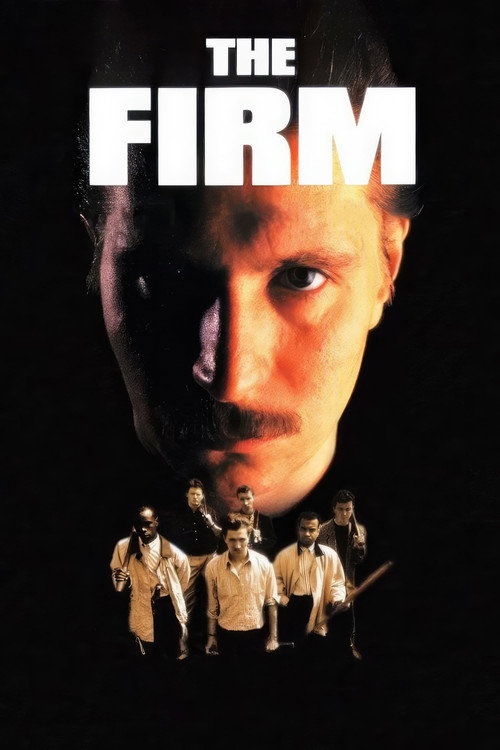
The Firm1989
Alan Clarke's documentary-style masterpiece about football hooliganism in the 1980s. Shot like news footage, it's the closest cousin to Football Factory in its refusal to mythologize what it's showing.
But Genuinely feels like a procedural about organized violence rather than drama. Very sparse, very cold. Some find it more sociology lecture than story.
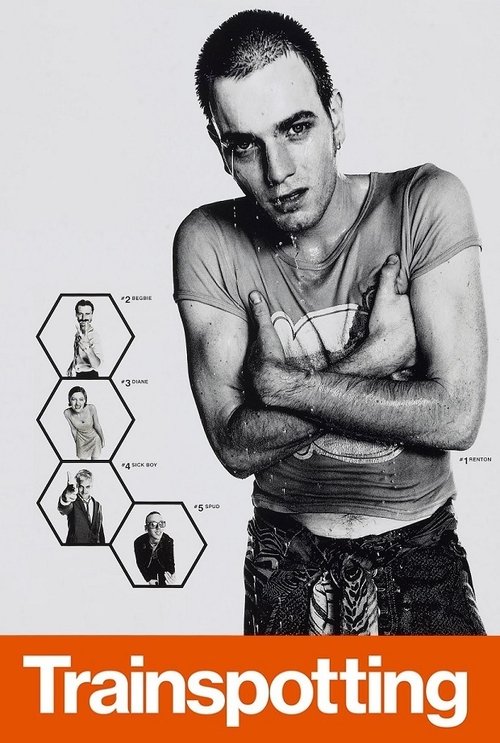
Trainspotting1996
Different drug, same investigation of working-class male desperation and the way addiction creates community and purpose. Understands the seduction of destruction the way Football Factory does.
But Addicts and junkies rather than hooligans. If you're looking for the specific culture of football violence, this scratches a different itch entirely.
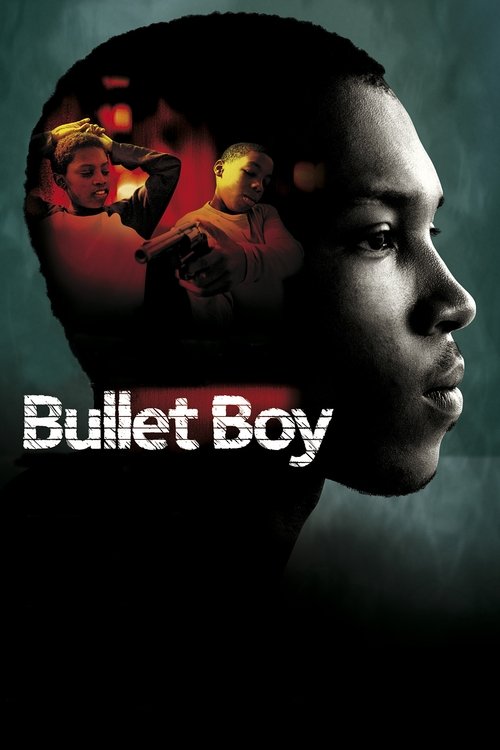
Bullet Boy2004
Released the same year, it traces gang violence in contemporary London with unflinching precision. Urban rather than football-oriented, but the same interest in how young men become trapped in cycles of retaliation and territory.
But Slower and more interior than Football Factory. Some find it too quiet and repetitive. Less cathartic release.
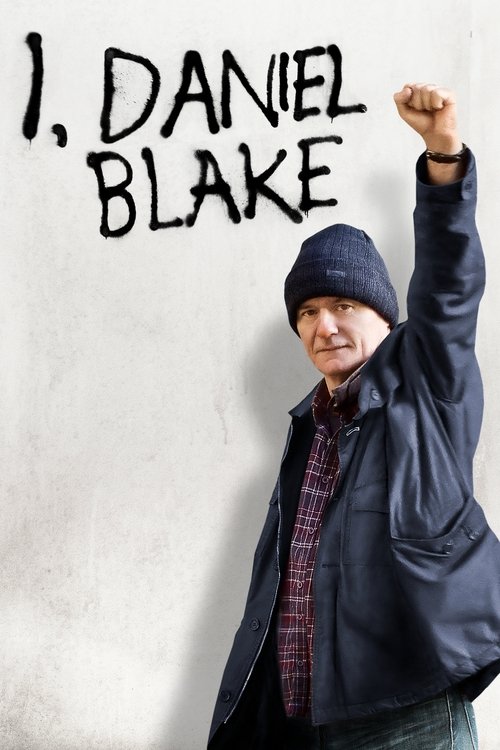
I, Daniel Blake2016
Both understand the humiliation and rage that animates men who are told they don't matter. Football Factory channels it through violence; this one through the camera watching a man stripped of dignity.
Ken Loach's portrait of working-class men hollowed out by a system that tells them they're worthless. Same anger as Football Factory, but channeled into bureaucratic despair rather than violence. Heartbreaking and furious in equal measure.
But It's a social realist drama about welfare and poverty, not about aggression. Entirely different register. Much quieter. Some find it preachy.
The Gentlemen2020
Both treat male violence and territorial aggression as a social language. Both understand the seduction of belonging to a power structure that values dominance.
Guy Ritchie's savage comedy about the same masculine hierarchies and tribal violence, but among drug dealers and criminals rather than football supporters. Vicious, funny, and weirdly affectionate about its sociopaths.
But It's a stylish crime caper that luxuriates in brutality rather than interrogating it. Much more fun than Football Factory, which might feel like a betrayal of the seriousness of the subject.

People
Cast
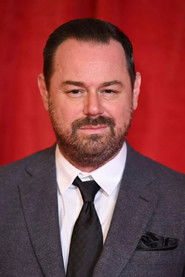 Danny DyerTommy Johnson
 Neil MaskellRod
 Frank HarperBilly Bright
 Tamer HassanFred
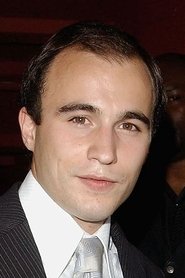 Roland ManookianZeberdee
- Calum MacNabRaff
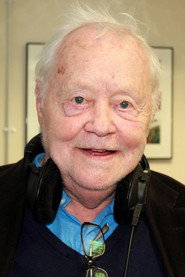 Dudley SuttonBill Farrell
 John JunkinAlbert Moss
 Jamie ForemanCabbie
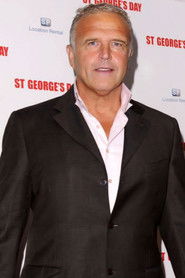 Tony DenhamHarris
 Sophie LinfieldTamara
 Kara TointonTameka
Directing
- Nick LoveDirector
- Jamie MacdermottFirst Assistant Director
- Julie Daly-WallmanScript Supervisor
- Lyla LeeScript Supervisor
- James HaggerSecond Assistant Director
- James HaggerSecond Unit First Assistant Director
- Ben PoundThird Assistant Director
- Robin VickersThird Assistant Director
Production
- Buki KoshoniAssistant Production Coordinator
- Frank HarperAssociate Producer
- Steven NorthAssociate Producer
- Kate BrasierCasting Assistant
- Robert BlagojevicExecutive Producer
- Rupert PrestonExecutive Producer
- Jack ArmstrongLine Producer
- Jamie MacdermottLine Producer
- David ColenuttLocation Assistant
- Melanie ReynardLocation Assistant
- Philip PinchinLocation Manager
- Allan NibloProducer
- James RichardsonProducer
- Lucilla RussellProduction Assistant
- Anna TraceyProduction Coordinator
- Liza CarmelProduction Manager
- Melanie ReynardUnit Manager
Recommended by
Lock, Stock and Two Smoking Barrels, Purely Belter, The Firm