
Television series
Copper
Copper is a gritty period crime drama set in 1865 New York, just as the Civil War ends and the city fractures along lines of race, class, and immigrant identity. It follows detectives navigating Five Points slums and Tammany Hall corruption while wrestling personal betrayals. Dense, morally murky, beautifully shot—for viewers who want history that feels lived-in rather than explained.
If you liked this
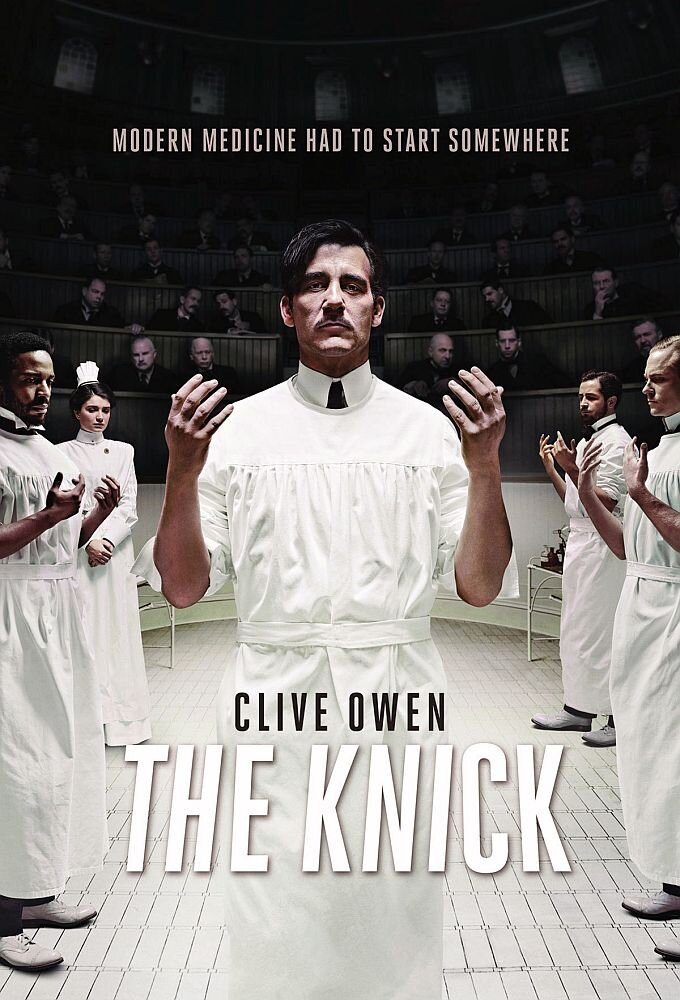
The Knick2014
Set in 1900 New York, this surgical drama has the same obsessive attention to period detail, moral complexity, and the grit beneath the gaslight. Clive Owen commands it with fierce intensity, and the medicine is as brutal as the politics.
But Graphic surgical sequences might turn you away if you're squeamish. It's also deliberately difficult and doesn't offer easy answers or comfort.
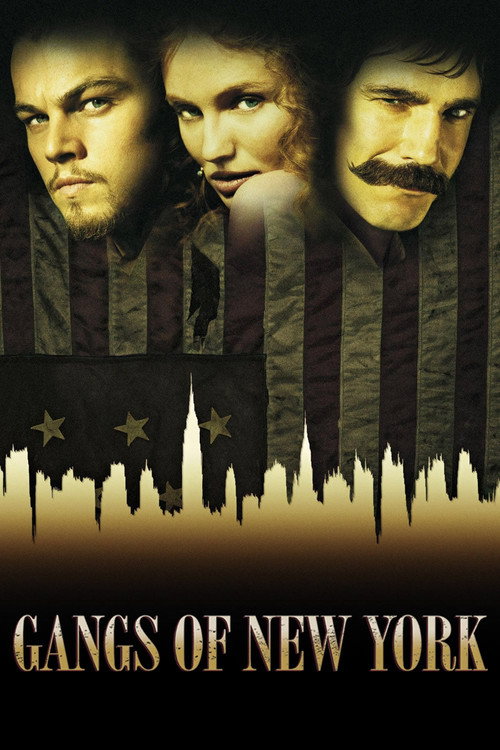
Gangs of New York2002
The obvious ancestor: violent, operatic New York in the 1860s, with Irish immigrants at the center and Daniel Day-Lewis delivering one of cinema's greatest villain performances. Scorsese's filmmaking is immaculate and merciless.
But Three and a half hours, extremely bleak, and the plot sometimes takes a backseat to atmosphere and rage. Not a film for passive viewing.
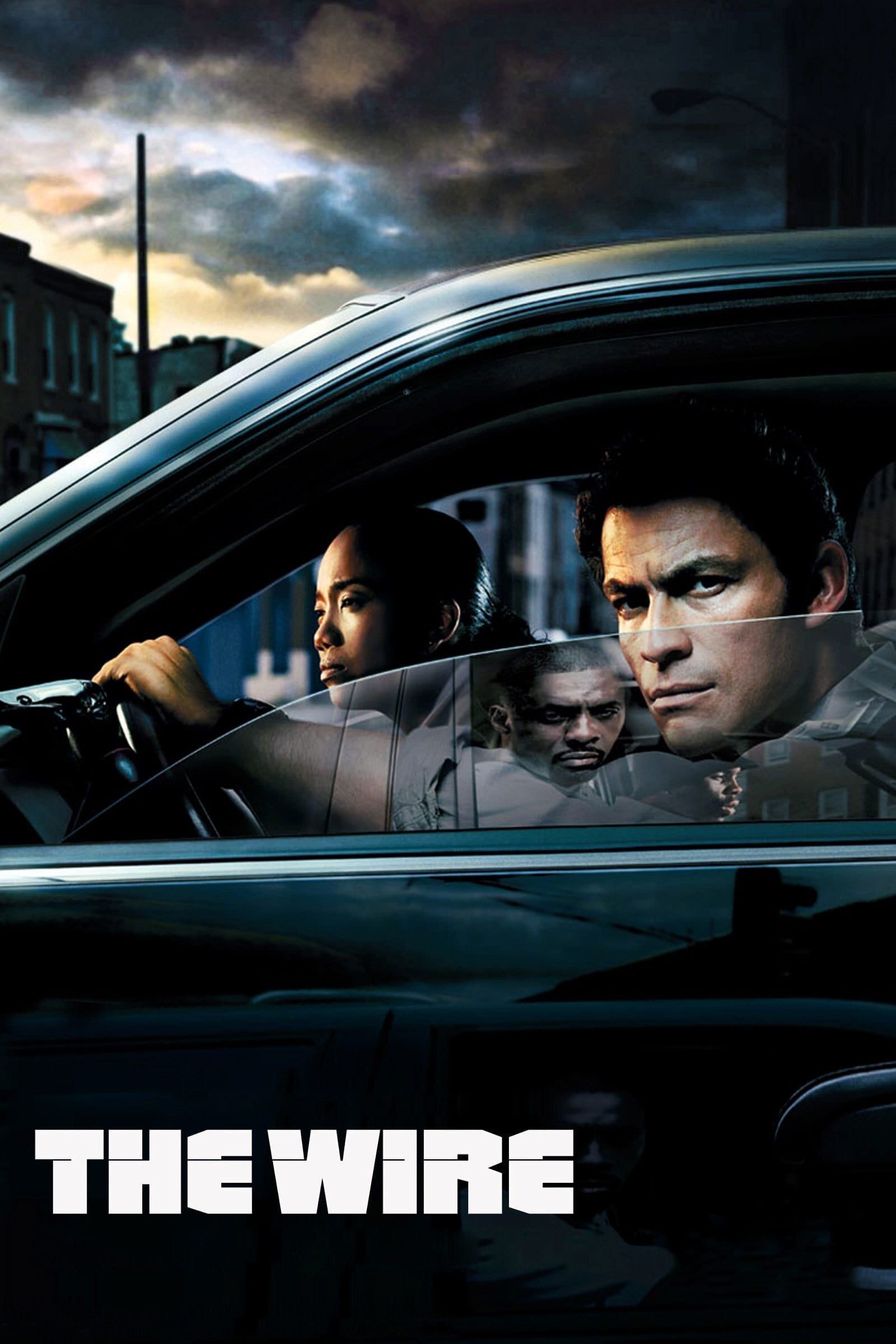
The Wire2002
Like Copper, it refuses to simplify: cops and criminals, institutions and individuals, all equally human and compromised. The first season alone is masterful urban sociology disguised as a crime show.
But The first episode is slow and deliberately unglamorous. It takes patience before you're hooked, and it never becomes easier to watch.
Not sure tonight? Get a pick in a minute, starting from Copper
The wildcard
Something you would not have found on your own.
The Leopard1963
Both center on powerful men watching their social order collapse and making compromises to survive. Both ask what loyalty costs when everything is changing.
Visconti's masterpiece follows an Italian aristocrat during the 1860s as he watches his world dissolve and chooses collaboration over resistance. It's Copper's mirror: the same historical moment, the same theme of personal betrayal and systemic change, but told with operatic grandeur and philosophical depth.
But It's three hours of slow cinema in Italian with subtitles, heavy on mood and reflection rather than plot. The pacing will feel agonizingly deliberate if you want constant narrative momentum.

More like this (7)
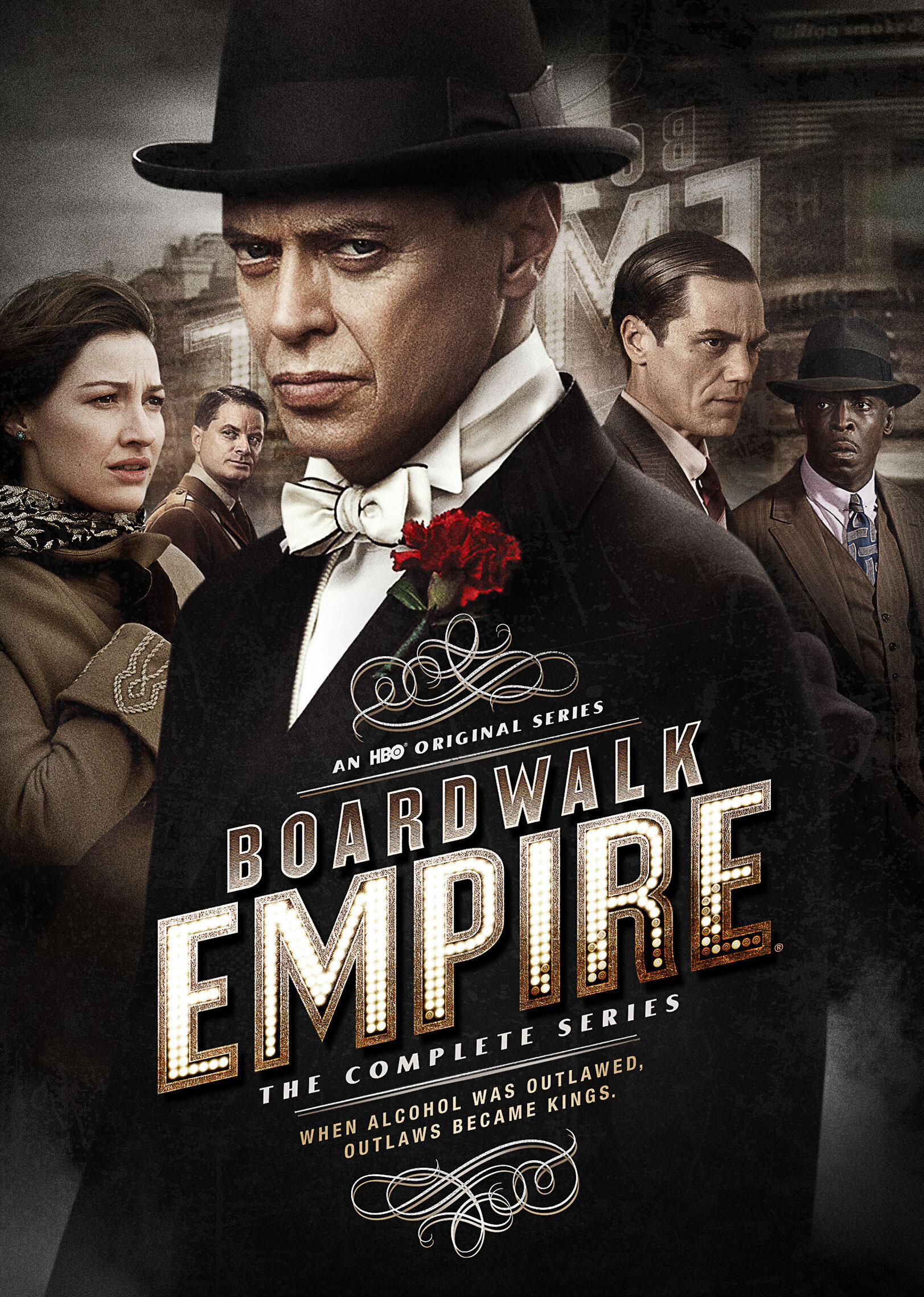
Boardwalk Empire2010
Another period crime saga set in a corrupt American city, with ensemble casts and a forensic attention to how power actually moves. Steve Buscemi is excellent, and the Prohibition-era setting is gorgeously realized.
But Twelve episodes a season across five seasons means significant bloat in the middle seasons. It overstays its welcome and some storylines peter out disappointingly.
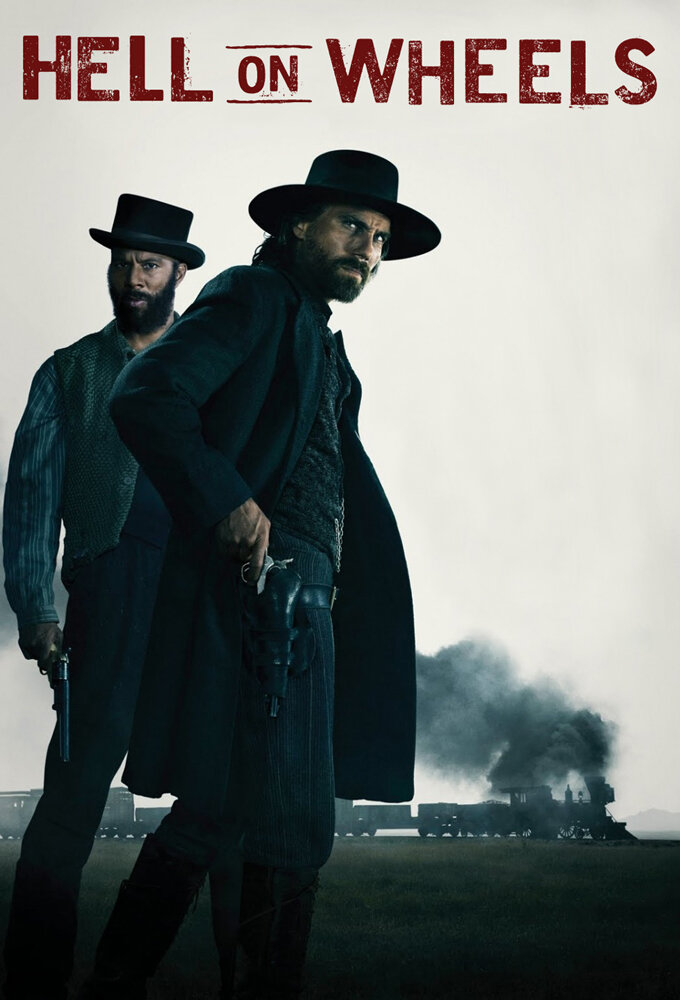
Hell on Wheels2011
Set during Reconstruction, it shares Copper's interest in post-Civil War America, class collision, and characters trying to rebuild themselves. Raw, surprising, and less polished—which works in its favor.
But The writing is inconsistent and the show sometimes confuses shock value with depth. Some seasons are much stronger than others.
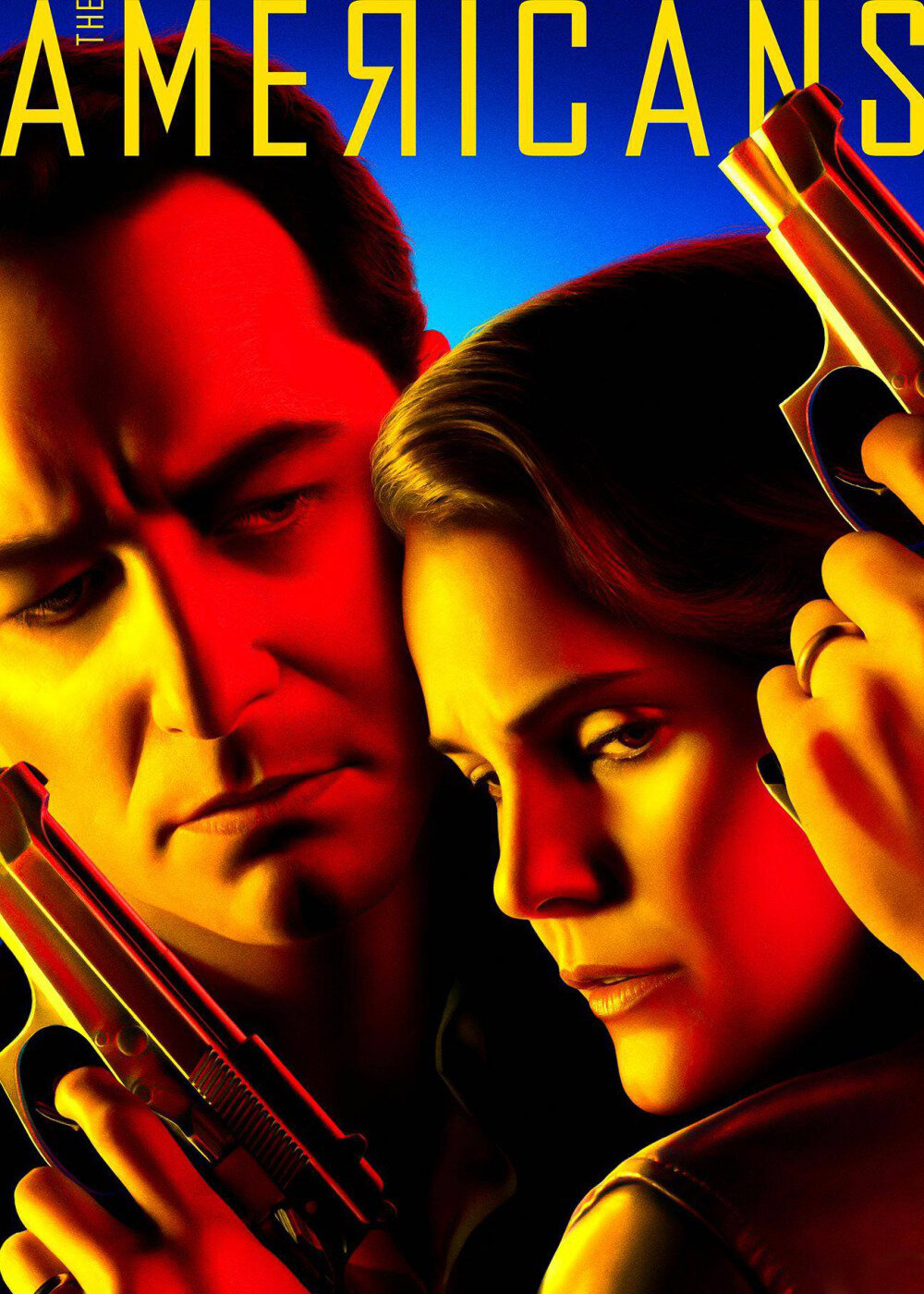
The Americans2013
A different era but the same DNA: spies embedded in 1980s America, morally compromised protagonists, and the question of whether loyalty to a cause justifies betrayal of those closest to you. Phenomenally tense.
But Some viewers find the pacing glacial, especially early on. The Cold War politics might feel remote if you're not invested in the historical moment.
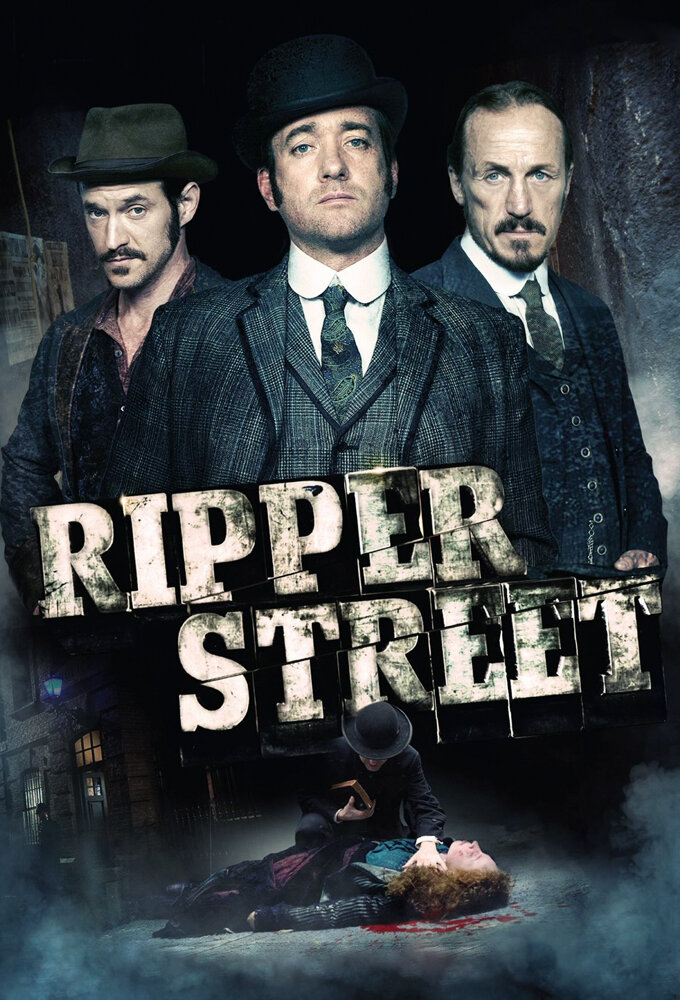
Ripper Street2012
Victorian London detectives chasing violent crime amid empire and class division. Darker and more historically specific than Copper, with a wonderful cast and a real sense of place.
But Cancelled after three seasons and revived for a final season on a different platform. The tonal shifts between seasons are noticeable, and it feels unresolved.
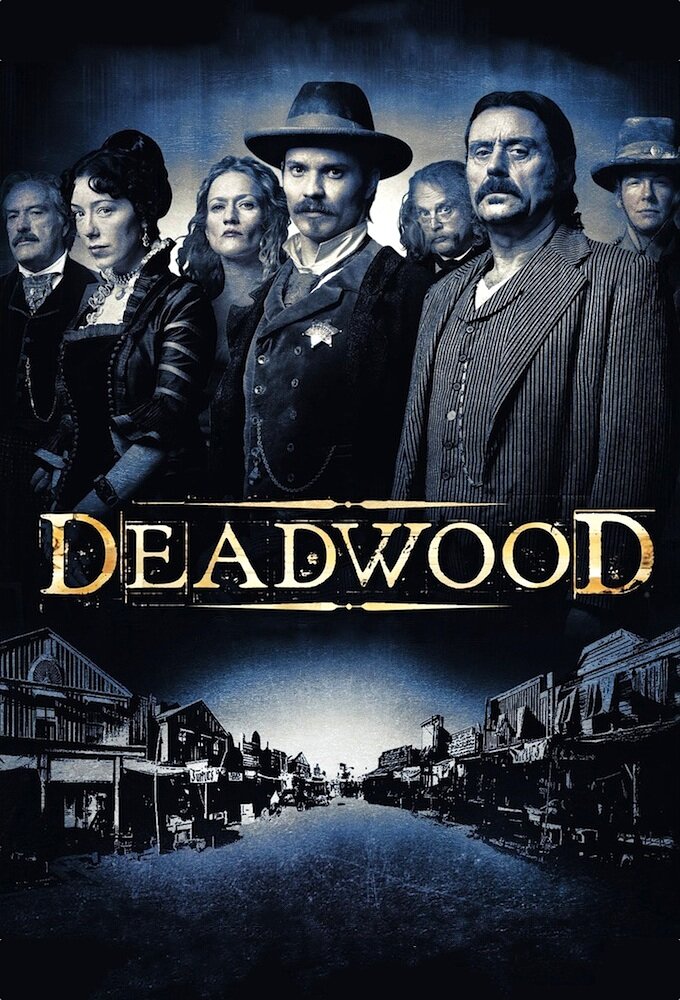
Deadwood2004
A frontier town in 1876 where power is raw, speech is baroque, and the gap between law and justice is the entire point. Ian McShane is magnificent, and it's genuinely funny as well as violent.
But The dialogue is so stylized—full of profanity used as poetry—that it can feel mannered. Some viewers find it actively annoying rather than clever.
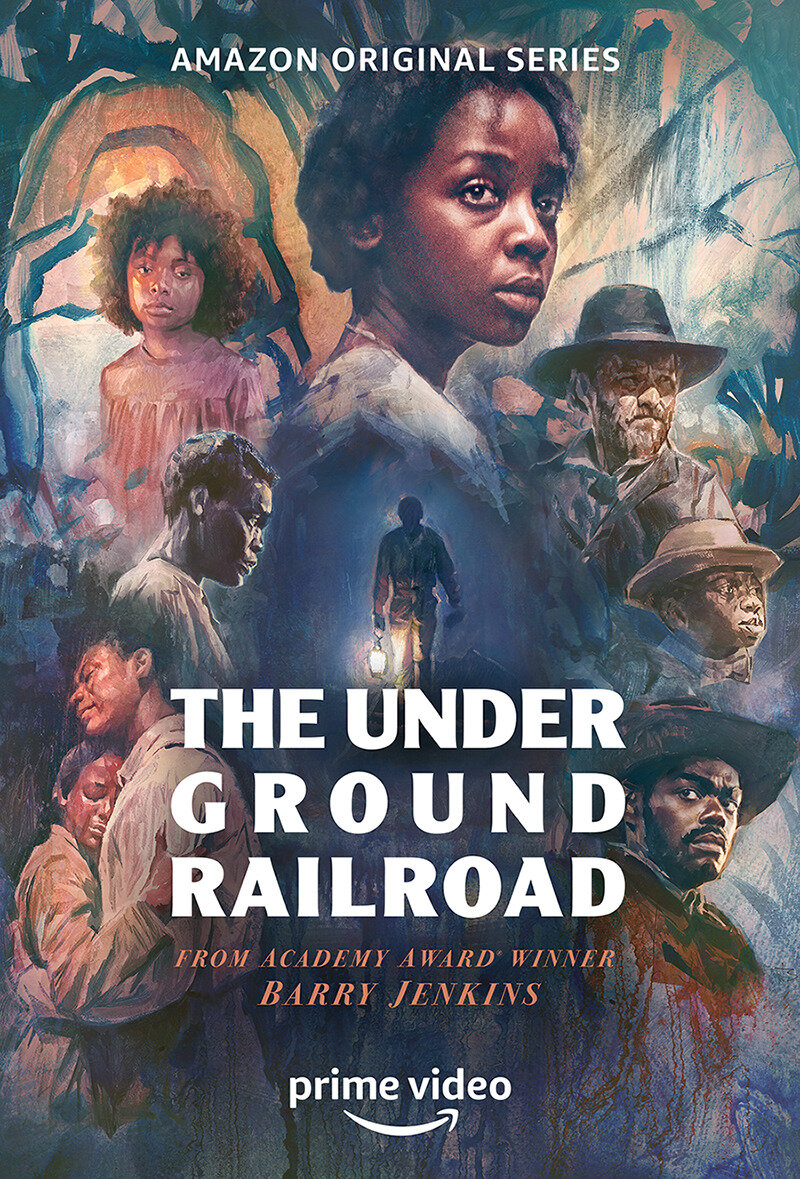
The Underground Railroad2021
Same America, same era, but seen from those excluded from Copper's male-cop perspective. Where Copper shows how systems entrench power, The Underground Railroad shows what it means to move through those systems as hunted rather than hunter.
Barry Jenkins adapts Colson Whitehead's novel into a visionary miniseries: a Black woman's journey through America in the 1800s, blending magical realism with historical brutality. It's Copper from the other side of the city—the experiences the cops and politicians ignore—and it's breathtaking.
But The violence is severe and relentless, and it does not soften the reality of slavery or racism for the sake of drama. Some episodes are harder to sit through than others.
In the Mood for Love2000
Both are consumed by the same central wound—discovering betrayal by those closest to you—but Copper externalizes it through action and investigation while this internalizes it into visual poetry and stillness.
Wong Kar-wai's lush, melancholic masterpiece about two neighbors who suspect their spouses are having an affair in 1960s Hong Kong. It shares Copper's obsession with betrayal and class, but tells it through longing and color instead of crime, and finds beauty in heartbreak.
But Plot barely exists—it's a film about mood, movement, and the unsaid. If you need narrative propulsion and dialogue, it will feel like nothing is happening.

People
Cast








Writing
- Tom FontanaCreator
- Will RokosCreator
Production
- Aaron SeliquiniAssociate Producer
- Barry LevinsonExecutive Producer
- Christina WayneExecutive Producer
- Jim FinnertyExecutive Producer
- Katherine BuckExecutive Producer
- Sally CattoExecutive Producer
- Sam BerlinerExecutive Producer
- Sherri RufhExecutive Producer
- Tom FontanaExecutive Producer
- Will RokosExecutive Producer