
Film
The Squaw Man
Other titles called The Squaw Man: the 1914 film.
A 1931 Western melodrama about an English aristocrat who flees false embezzlement charges to Wyoming, where he marries a Native American woman before his name is mysteriously cleared. It's a stagy, earnest film of its era—gorgeously shot but bound by silent-film conventions and period attitudes. For historians of early sound cinema and Western genre evolution.
If you liked this
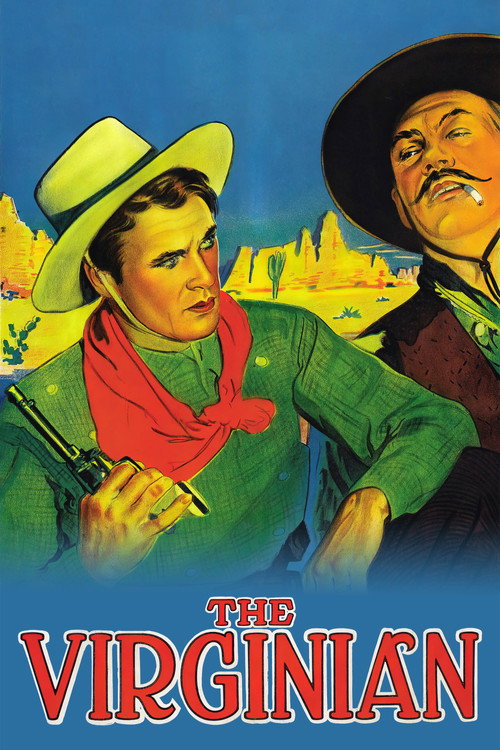
The Virginian1929
Gary Cooper's debut as the cool-headed frontier hero who stands against rustlers and corruption. A foundational Western that helped establish the genre's moral architecture and proved sound cinema could handle wide-open spaces.
But Slow by modern standards, with dialogue that can feel stagy. The plot meanders before it focuses.
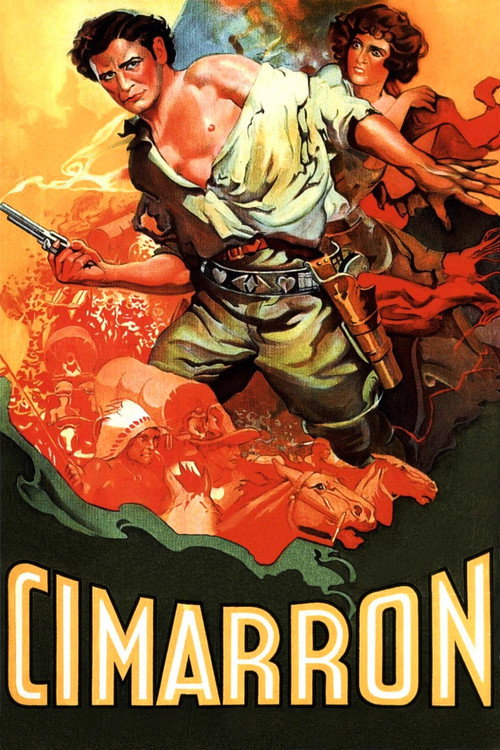
Cimarron1931
Also from 1931, this epic follows settlers across Oklahoma Territory. It has the same scale and romantic entanglement as The Squaw Man, but with richer supporting characters and a more complex view of frontier life.
But Nearly three hours long and the pacing reflects 1930s sensibilities. Some attitudes toward Native Americans date it badly.
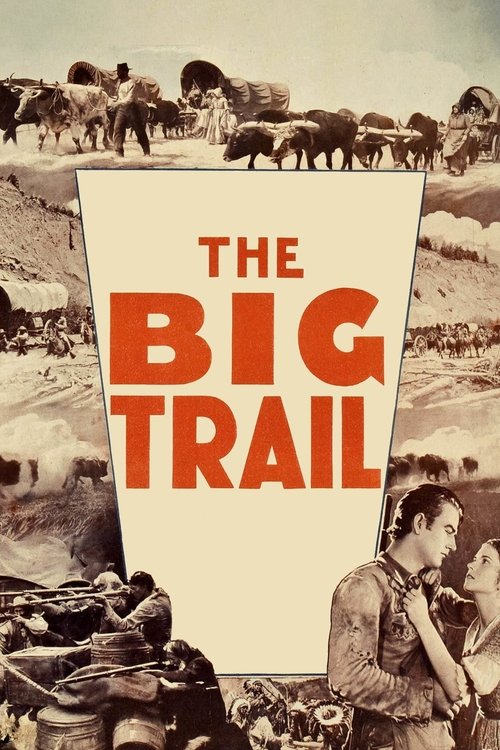
The Big Trail1930
John Wayne's leading role debut is a sprawling wagon-train Western shot in 70mm. The landscape cinematography and scale dwarf anything in The Squaw Man, and it captures similar themes of civilization meeting wilderness.
But Wayne was still finding his footing as an actor. The supporting plot about rustlers can feel like filler between set pieces.
Not sure tonight? Get a pick in a minute, starting from The Squaw Man
The wildcard
Something you would not have found on your own.
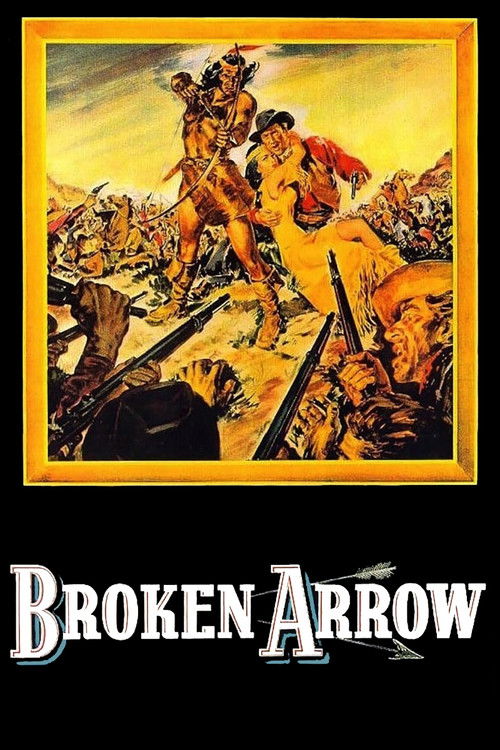
Broken Arrow1950
Both films hinge on an interracial marriage as the moral crux of frontier settlement, but Broken Arrow asks far harder questions about what that marriage means in a context of colonial violence and displacement.
James Stewart as a cavalry officer who falls in love with an Apache woman and fights to broker peace between the U.S. Army and Cochise's band. It's the film The Squaw Man wanted to be—wrestling seriously with the moral catastrophe of the frontier rather than treating it as picturesque backdrop.
But Didactic in places and still carries period blindness about race. The romance is genuine but not the film's whole point, which some find unsatisfying.
More like this (7)
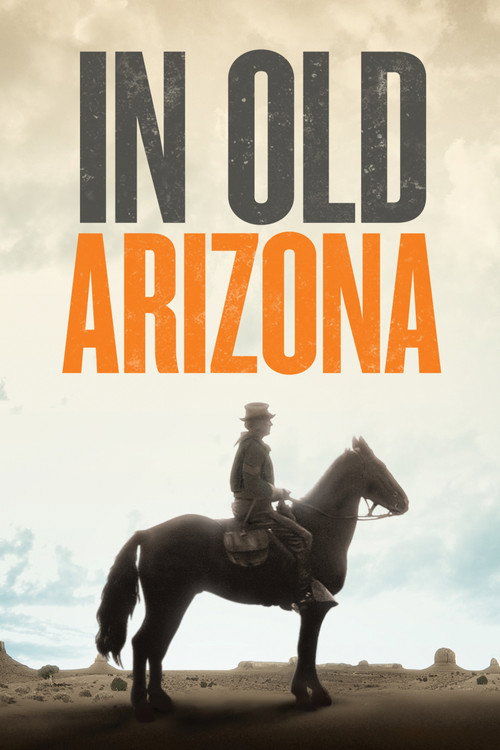
In Old Arizona1928
An early sound Western about an Arizonan bandit, shot on location rather than backlot. It captures the same period energy as The Squaw Man and proved audiences wanted Westerns in the sound era.
But The theatrical delivery grates quickly. Plot is thin even by contemporary standards.
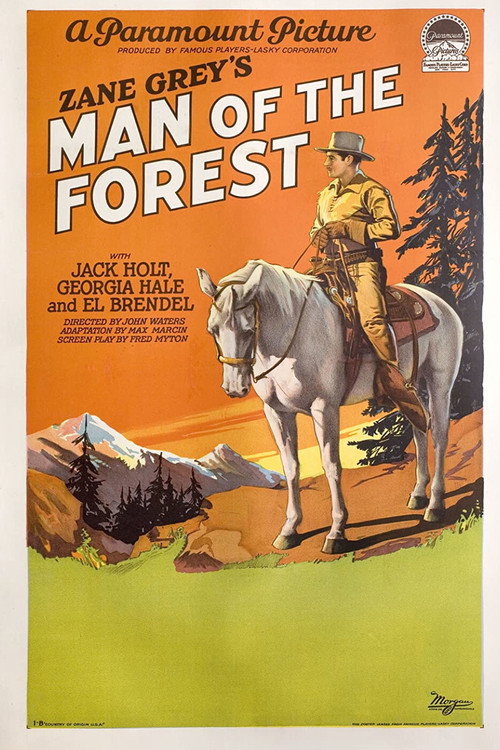
Man of the Forest1926
Jack Holt in a Zane Grey adaptation about frontiersmen and hidden identities in the wilderness. Similar pulp-romance setup to The Squaw Man, with better pacing and more engaging action sequences.
But Feels more like adventure serial than serious drama. The resolution comes too easily.
The Spoilers1930no page yet
Gary Cooper and William Boyd in a gold-rush drama full of class conflict and rustled wealth. It shares The Squaw Man's fascination with aristocrats out of place in rough country.
But Surprisingly heavy-handed about its moral lessons. Runs long without saying much new.
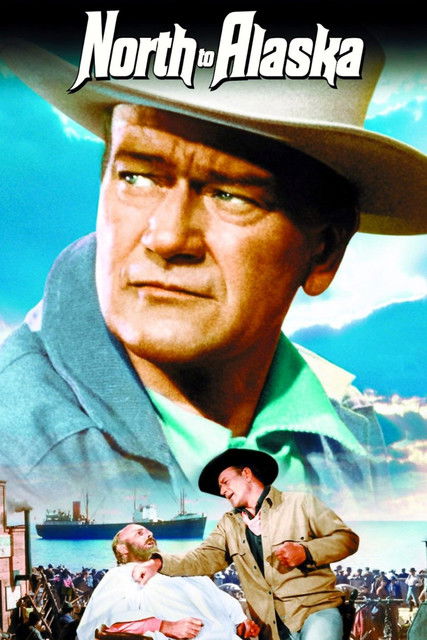
North to Alaska1960
John Wayne and Stewart Granger in a Klondike adventure that recycles the basic plot—man forced into wilderness, returns with unexpected bride, must reconcile worlds. Lighter and faster than early sound Westerns, with better comedy timing.
But Plays things so broadly that the romantic drama loses weight. Feels like a movie rather than lived experience.
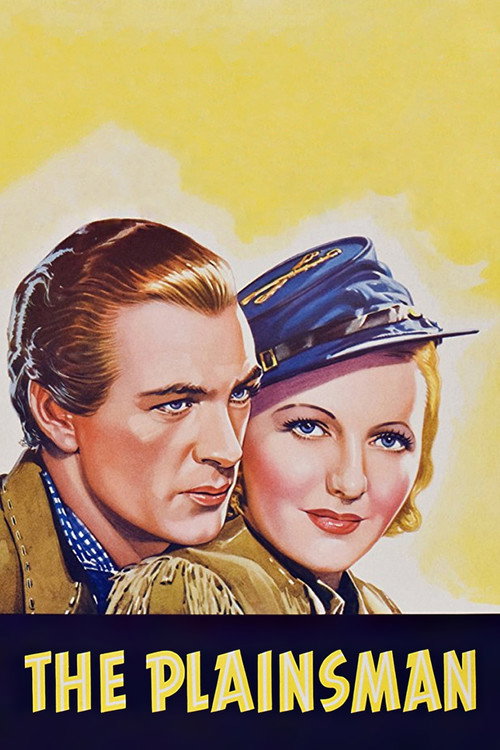
The Plainsman1936
Gary Cooper again, in Cecil B. DeMille's sprawling Western about Wild Bill Hickok and frontier tensions. DeMille's showmanship brings more visual imagination than the earnest early-sound Westerns.
But Sacrifices character depth for spectacle. Historical accuracy matters less than myth-building.
The Round-Up1920no page yet
Both are early-century films fascinated by the gap between Eastern convention and Western reality, but The Round-Up trusts the landscape to carry the meaning rather than imposing melodrama on it.
A silent Western shot on location in Wyoming with real cowboys, real horses, and a plot about cattle thieves, mistaken identity, and ranch life. The documentary quality of the location work makes it feel lived-in in ways The Squaw Man's studio sets never achieve.
But It's silent, which demands patience. The plot is threadbare and entirely secondary to the visual texture of frontier work.
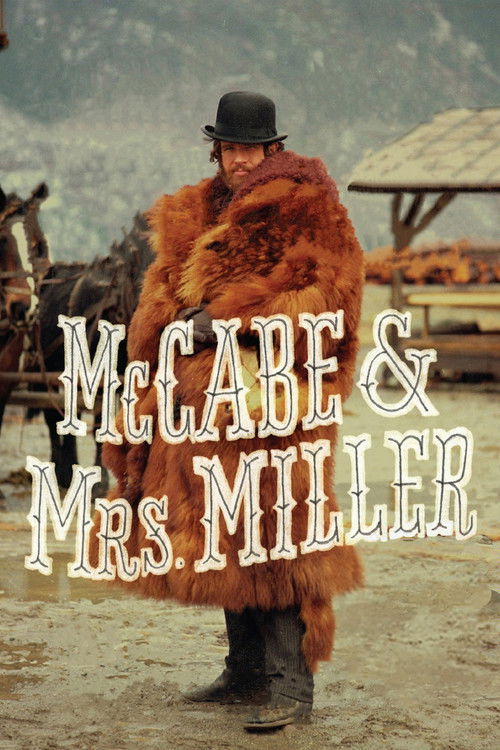
McCabe & Mrs. Miller1971
Where The Squaw Man believes in the frontier as moral crucible, McCabe & Mrs. Miller suggests it was just business, lust, and survival—a complete inversion of the 1931 film's earnest romanticism about civilization meeting wilderness.
Robert Altman's revisionist Western about a con man and a brothel-keeper building a town in the Pacific Northwest. The film asks what the frontier actually felt like—muddy, mercenary, unglamorous—rather than what we've been told to feel about it.
But Deliberately anti-romantic. The dialogue overlaps and is often hard to hear. It's a deconstruction, not a story in the traditional sense.
People
Cast
 Warner BaxterJim Wingate - aka Jim Carston
 Lupe VélezNaturich
 Eleanor BoardmanLady Diana Kerhill
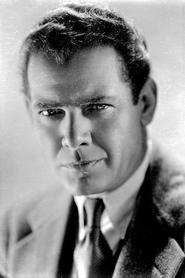 Charles BickfordCash Hawkins
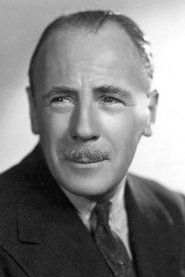 Roland YoungSir John Applegate
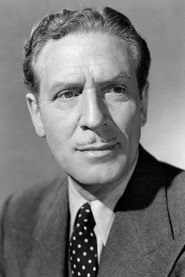 Paul CavanaghHenry - Earl of Kerhill
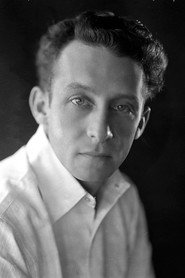 Raymond HattonShorty
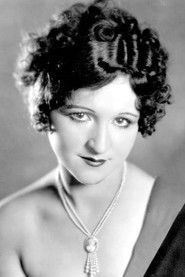 Julia FayeMrs. Chichester Jones
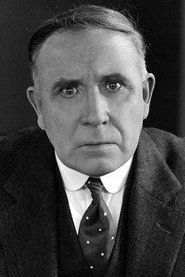 DeWitt JenningsSheriff Bud Hardy
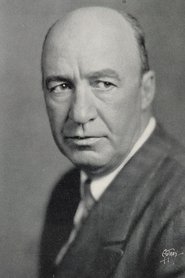 J. Farrell MacDonaldBig Bill
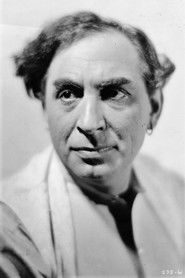 Mitchell LewisTabywana
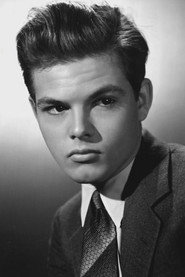 Dickie MooreLittle Hal
Directing
- Earl HaleyAssistant Director
- Mitchell LeisenAssistant Director
- Cecil B. DeMilleDirector
Writing
- Elsie JanisDialogue
- Lenore J. CoffeeScreenplay
- Lucien HubbardScreenplay