
Television series
Polyamory: Married and Dating
A documentary series that drops you into the lived reality of polyamorous households—not a debate, not sociology, just people negotiating jealousy, logistics, commitment, and desire across multiple relationships. Raw, unsentimental, genuinely curious about how these arrangements actually feel. For anyone past the headline and into the hard questions.
If you liked this
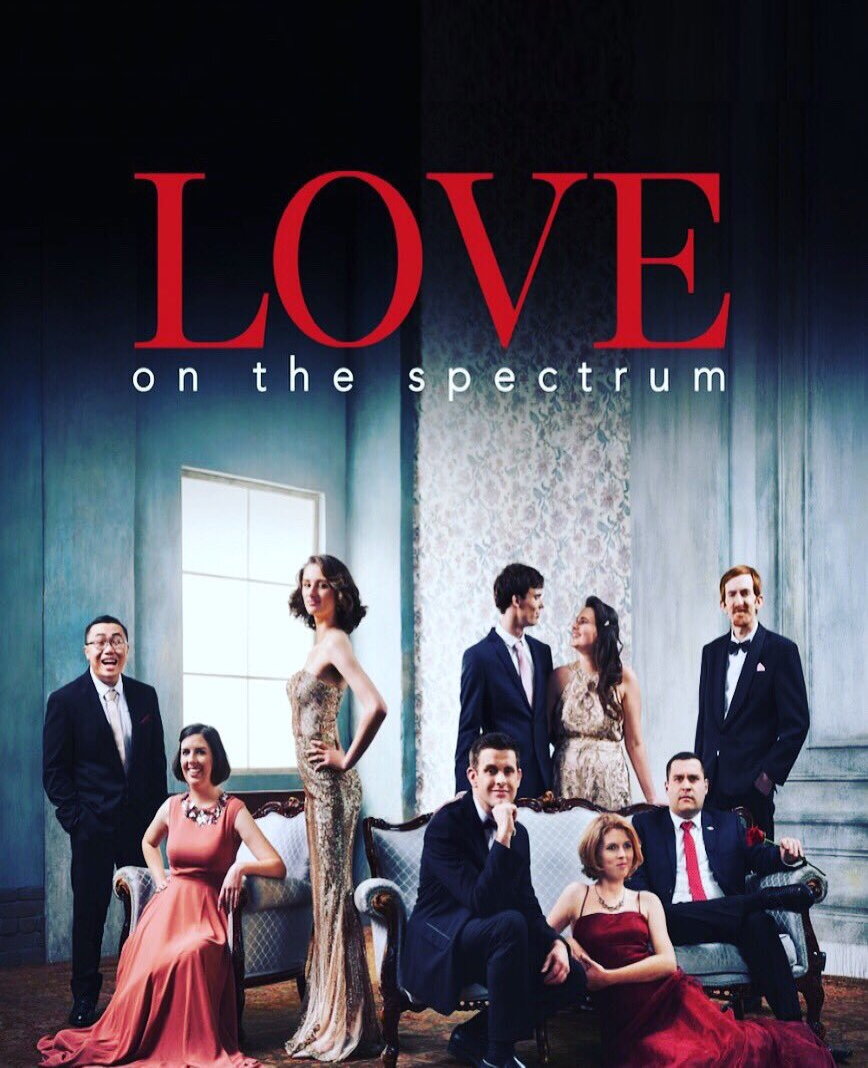
Love on the Spectrum2019
Follows real people navigating romance and intimacy with nuance and warmth. Like *Polyamory*, it refuses to make its subjects' experiences into a punchline or a cautionary tale, instead letting their voices lead.
But Shifts focus between different couples each episode, so you don't get the sustained narrative tension that draws you into *Polyamory's* household dynamics.
Dating Around2019
Intimate documentary portraits of people seeking connection in radically different ways. Same unhurried, non-judgmental gaze at desire and vulnerability that makes *Polyamory* compelling.
But Episodic single-date format means less of the ongoing relationship drama and emotional stakes that *Polyamory* builds over time.
The Ultimatum: Marry or Move On2022
Reality series that actually engages with relationship complexity rather than just manufacturing chaos. Tests commitment and desire the way *Polyamory* does, but through a different framework.
But Leans more into manufactured drama and group dynamics than intimate, honest conversations about what people actually want.

Not sure tonight? Get a pick in a minute, starting from Polyamory: Married and Dating
The wildcard
Something you would not have found on your own.
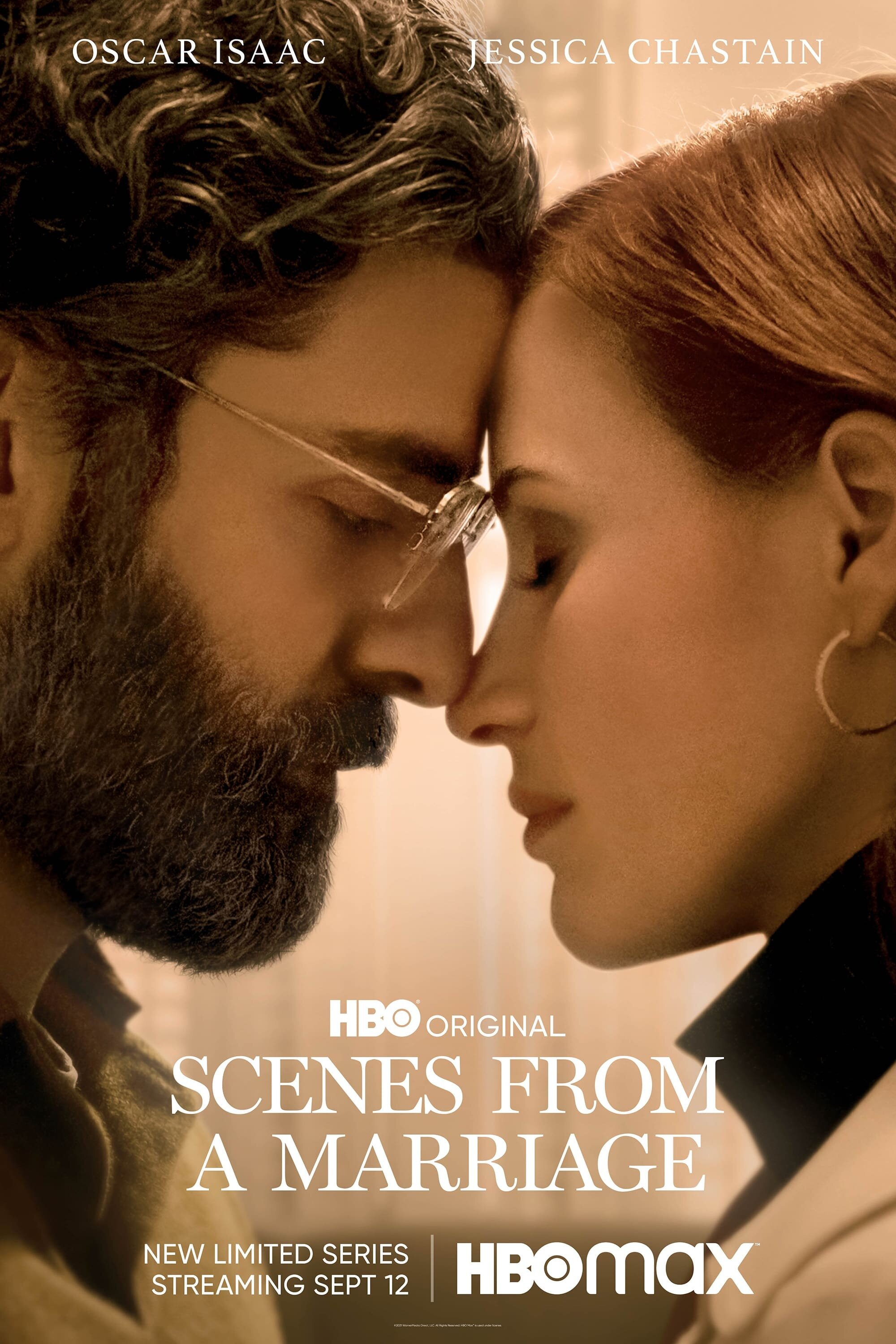
Scenes from a Marriage2021
Both interrogate how people actually *feel* in intimate partnerships beyond the framing that culture provides. Bergman asks what marriage means when it falls apart; *Polyamory* asks what it means when it's built differently.
Bergman's five-episode miniseries about a couple dissolving their relationship—not about polyamory, but about the raw material *Polyamory* is made from: how people promise things they can't keep, how desire shifts, how presence becomes absence. It's devastatingly honest about what commitment costs.
But Entirely scripted, formally ambitious, deliberately difficult to watch. Not observational; it's philosophy and grief rendered as drama. Slower than anything you'd expect after *Polyamory*.
More like this (7)
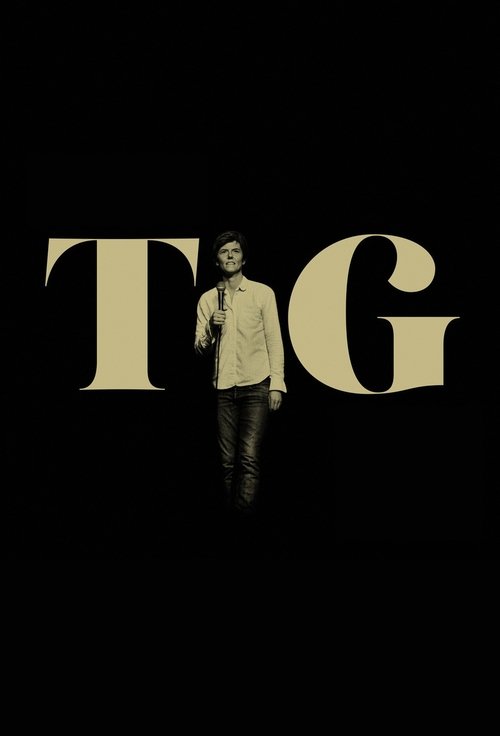
Tig2015
Documentary portrait of comedian Tig Notaro grappling with cancer, identity, and vulnerability. Same willingness to sit with difficult emotions and let subjects speak their truth without flinching.
But Entirely focused on one person's interior life rather than the interpersonal friction that makes *Polyamory* so watchable.
The Toys That Made Us2017
Nostalgic documentary series with real warmth and genuine curiosity about how things come to be. Shares *Polyamory's* gift for letting subjects speak authentically about what matters to them.
But Entirely different subject matter and tone—cozy rather than emotionally confrontational.

Fyre2019
Documentary that doesn't judge its subjects but lets their choices speak. Engaging, often darkly funny, absorbing in its detail about how people justify themselves.
But Takes pleasure in spectacle and failure in ways *Polyamory* simply doesn't—much lighter stakes and register.

The Social Dilemma2020
Documentary that treats its subjects—engineers, executives, former tech employees—with enough respect to let complexity breathe. Avoids easy villainization while raising real questions.
But Broader in scope, more issue-focused than character-driven. Less intimate than *Polyamory's* household-level observation.
Tickled2016
Documentary that starts with one assumption and follows the emotional and ethical threads wherever they lead. Genuinely unpredictable and committed to understanding rather than judging.
But Takes hard turns into darker territory that might feel tonally jarring if you're seeking something lighter.

Three to Tango1999
One of the only mainstream Hollywood films that casually includes a polyamorous character as a normal part of the world, not the plot's moral problem. A strange mirror to what *Polyamory* does earnestly.
A completely ridiculous romantic comedy about an architect mistaken for a gay man hired to seduce a woman away from her polyamorous lover. It's silly and charming, and it treats its polyamorous character as a human being, not a deviant. A weird palate-cleanser.
But Lightweight studio comedy with a '90s sheen. The opposite of *Polyamory's* documentary seriousness. If you're watching for depth you'll be disappointed.
Tokyo Story1953
Both are fascinated by the machinery of how people *live together*—the daily negotiation, the unmet needs, the compromises that don't resolve so much as settle. What makes cohabitation bearable or beautiful.
Ozu's masterpiece about an elderly couple visiting their son's home in post-war Tokyo. Feels completely unrelated until you watch it: it's entirely about how people live alongside each other, navigate unspoken needs, make room for desire and resentment in the same space. The emotional architecture of *Polyamory* in a different language, era, and family structure.
But 1950s Japanese cinema. Very slow. Subtitled. No plot as conventional films understand it. Requires patience and willingness to sit with mood rather than momentum.
