
Film
The Divorce of Lady X
- Screwball comedy
- Light-hearted
A 1938 romantic comedy about mistaken identity and assumed infidelity, set among London's legal and aristocratic circles. Merle Oberon and Laurence Olivier navigate witty misunderstandings with the glossy charm typical of pre-war British comedies—all raised eyebrows, clever dialogue, and carefully maintained propriety masking chaos. It's for anyone who enjoys screwball plotting delivered with theatrical elegance rather than slapstick.
If you liked this
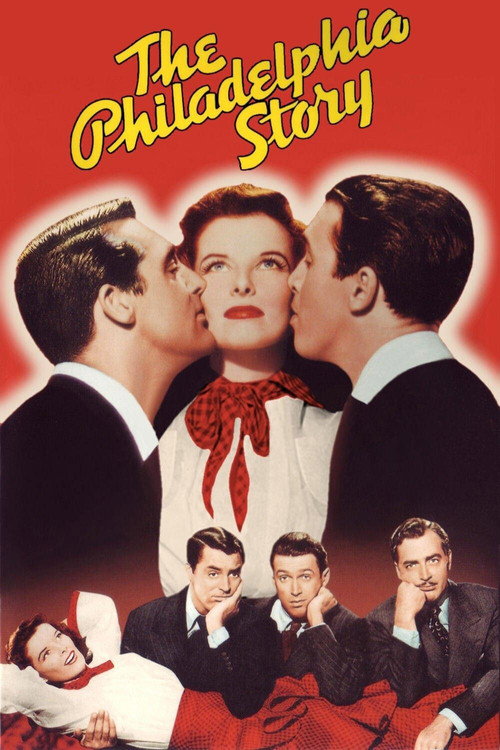
The Philadelphia Story1940
Similar blend of sophisticated comedy, romantic entanglement, and aristocratic worlds colliding. Cary Grant and James Stewart deliver crisp dialogue amid a custody dispute that spirals into delightful complications.
But The pacing feels theatrical and deliberate; it won't grab you with plot momentum the way modern comedies do.
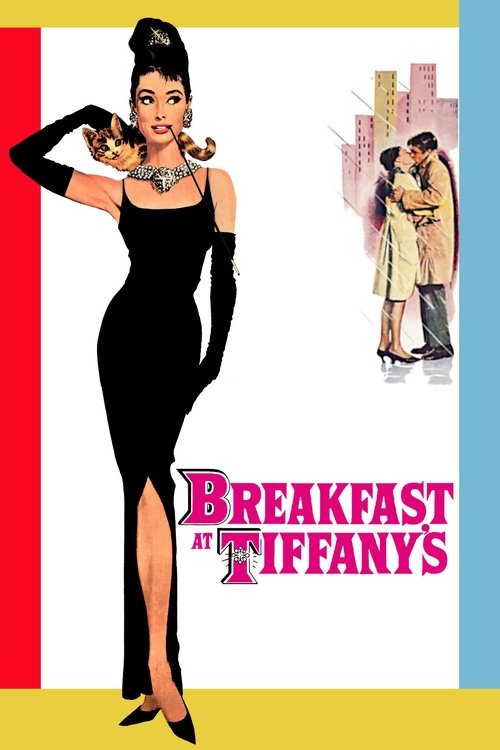
Breakfast at Tiffany's1961
Audrey Hepburn in a Manhattan comedy of manners where assumptions about identity and propriety drive the story. The wit is sharper and the romance more poignant, but the DNA is identical: confusion, charm, eventual clarity.
But It's been imitated so many times that it may feel familiar rather than fresh, even on first viewing.
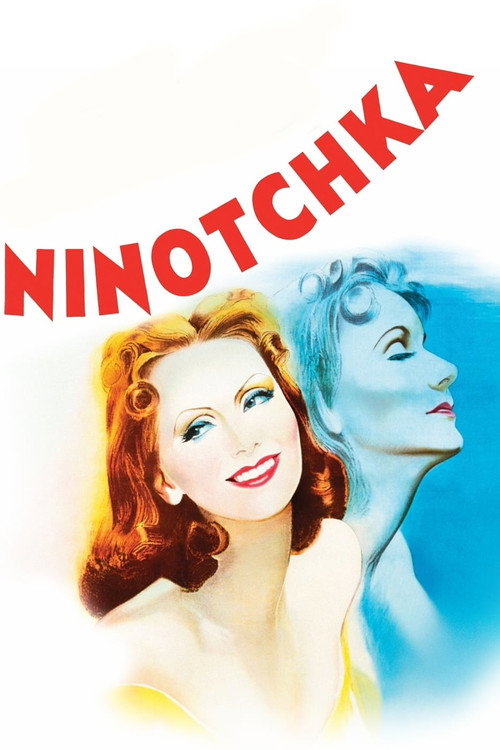
Ninotchka1939
Greta Garbo in an era-appropriate comedy about masquerade and romantic collision, with dialogue by Billy Wilder. The Soviet subplot gives it political bite beneath the froth, and the chemistry between leads is electric.
But The Communist-era satire will feel quaint to modern viewers; the romantic resolution ties things up faster than the premise deserves.
Not sure tonight? Get a pick in a minute, starting from The Divorce of Lady X
The wildcard
Something you would not have found on your own.
Brief Encounter1945
Both use British propriety and circumstance as their engine; one finds the comedy in entanglement, the other finds tragedy in restraint.
Noel Coward's chamber piece about two people meeting in a railway station refreshment room, circumstances keeping them apart. It has the same milieu—British, middle-class, emotionally repressed—but inverts the tone: heartbreaking instead of comic. Same world, opposite register.
But It's a slow-burn, emotional thing; if you want the speed and sparkle of Lady X, this will feel like watching paint dry. It's also genuinely sad.

More like this (8)
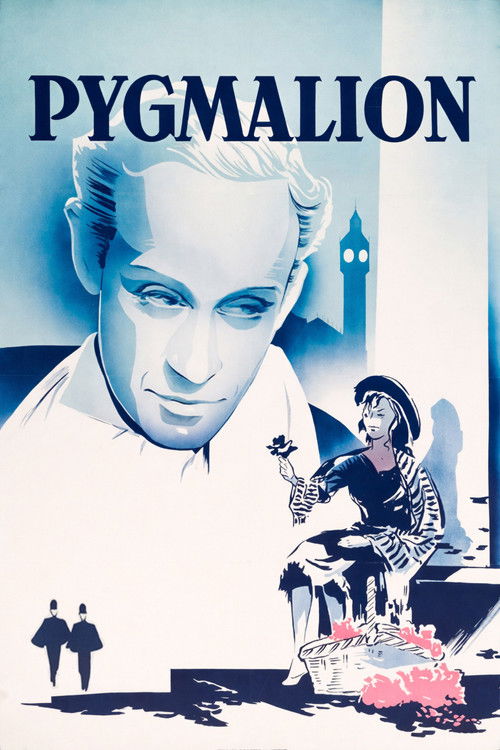
Pygmalion1938
Shaw's own adaptation of his play, released the same year as Lady X, also stars Wendy Hiller and Leslie Howard. Witty, concerned with class and manners, and fundamentally about people being misread by those around them.
But It's more serious-minded about its themes than Lady X; if you want pure froth, this will feel preachy by comparison.
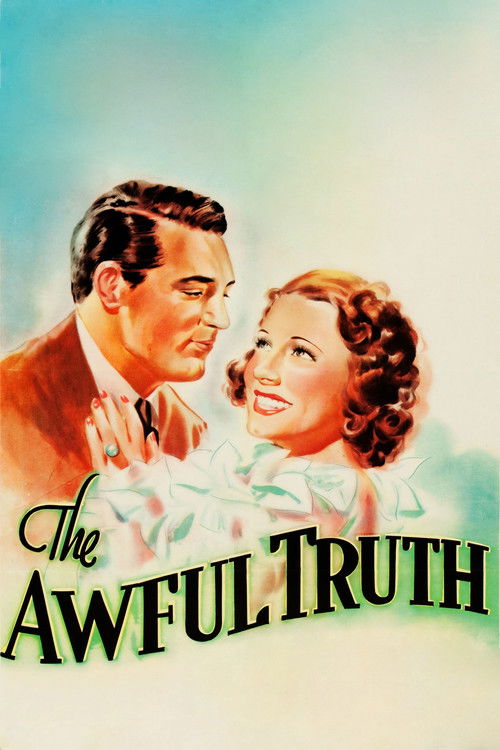
The Awful Truth1937
Cary Grant and Irene Dunne in a divorce comedy where misunderstandings spiral into chaos. The screwball energy is higher, the pacing snappier, but the emotional stakes of romantic confusion are the same.
But The humour is broader and more slapstick; it lacks the urbane dialogue rhythms of Lady X.
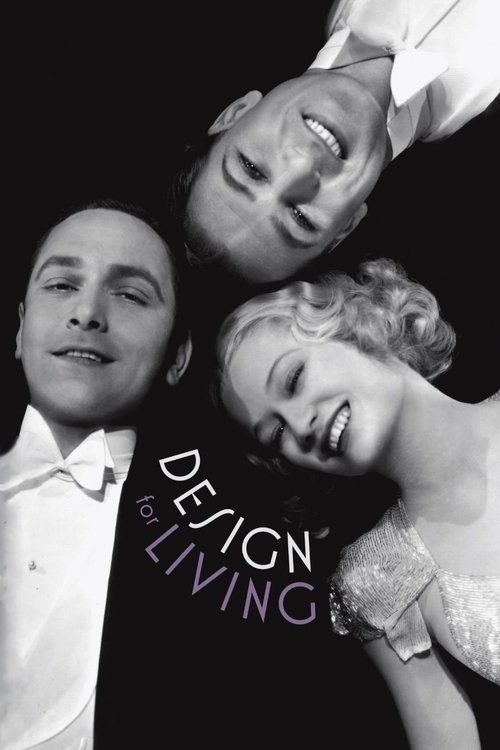
Design for Living1933
Ernst Lubitsch directing Gary Cooper, Fredric March, and Miriam Hopkins in a comedy about assumption, deception, and romantic triangles. The sophistication is impeccable; every scene is a masterclass in comedic timing.
But The plot is thin to vanishing, stretched across two hours. If you need a strong narrative spine, this dissolves into air.
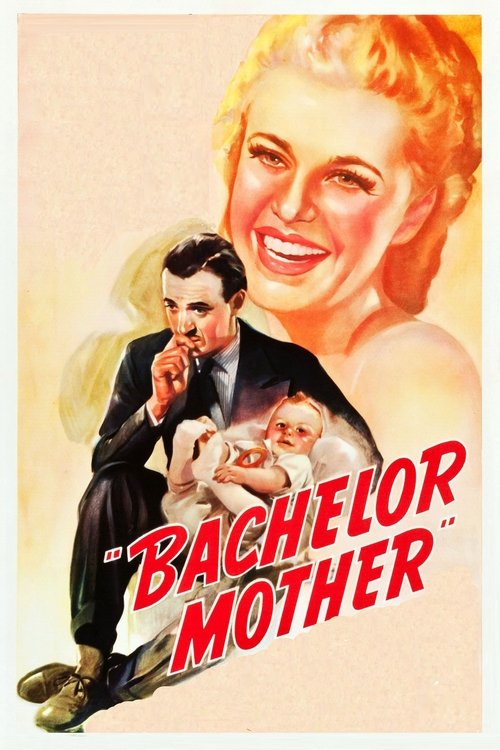
Bachelor Mother1939
Ginger Rogers mistaken for an unmarried mother in a department store: a high-concept premise that unfolds into genuine charm and romantic entanglement. The comedy is warm rather than cutting.
But The foundling plot resolves with a contrivance that strains credibility even by 1939 standards.
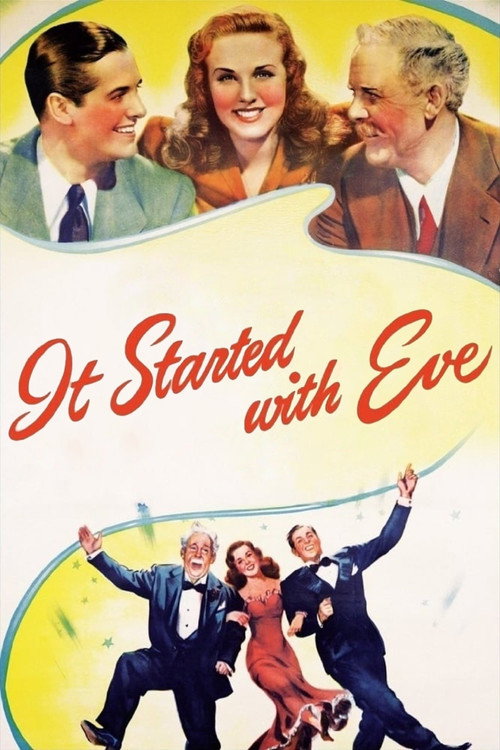
It Started with Eve1941
Robert Cummings and Deanna Durbin in a mistaken-identity romance where a young woman pretends to be someone else to impress an ailing millionaire. The performances are delightful; the heart is genuine beneath the complications.
But It's sweeter and more sentimental than witty; the humour is gentler and may feel thin if you're after sharp comedic writing.
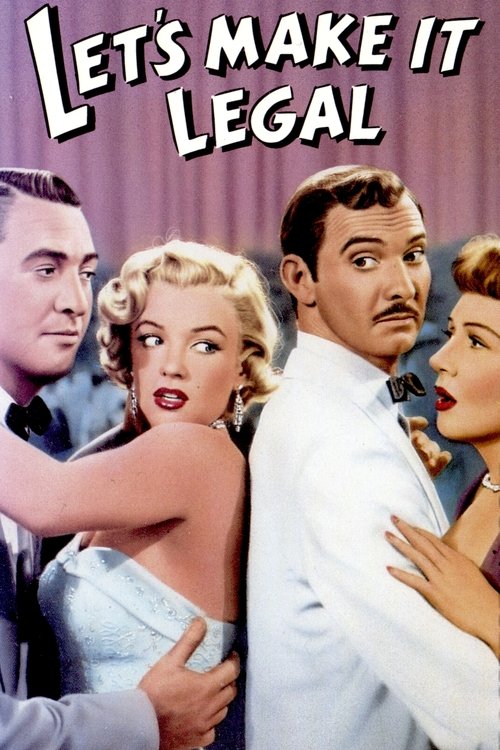
Let's Make It Legal1951
Claudette Colbert and Macdonald Carey navigate a remarriage plot with the same era's comedic sensibilities. It shows how the formula evolved postwar, with slightly more cynicism and faster dialogue.
But It's a lesser work than the golden-age comedies; the script often feels like it's coasting on the talents of its cast.
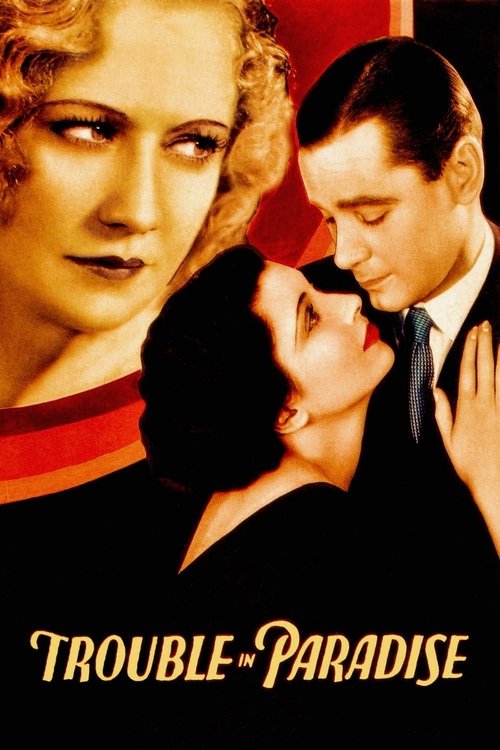
Trouble in Paradise1932
Same era, same playfulness with identity, but it traffics in actual fraud rather than honest misunderstanding—a darker mirror.
Ernst Lubitsch's masterpiece about a jewel thief and a con artist tangling romantically with a wealthy widow. It's a comedy of lies and beautiful deception, with dialogue that moves like a ballet and a moral ambiguity that's exhilarating.
But It's earlier and more European in sensibility; the plot involves actual crime, and the moral center is slipperier than you might expect from a 1932 comedy.
The Servant1963
Both explore how brittle the walls between people are in a society obsessed with rank and manners—but where Lady X finds comedy, The Servant finds rot.
Joseph Losey's psychological thriller with James Fox and Dirk Bogarde, about a master-servant relationship where power dynamics twist and identities blur. It's set in a similar London world of class and propriety, but mining dread instead of laughter from the same social machinery.
But It's a slow, unsettling film that ends in genuine darkness. If you go looking for more 1938 charm, you'll get existential unease instead.

People
Cast
 Merle OberonLeslie Steele / Lady Claire Mere
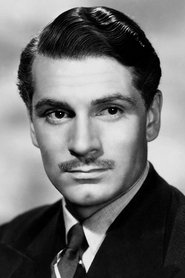 Laurence OlivierEverard Logan
 Binnie BarnesLady Claire Mere
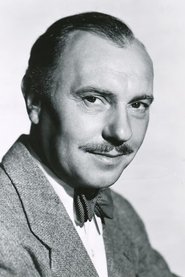 Ralph RichardsonLord Mere
 Morton SeltenLord Steele
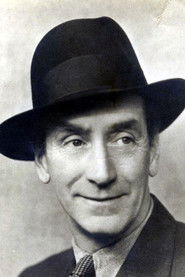 J.H. RobertsSlade
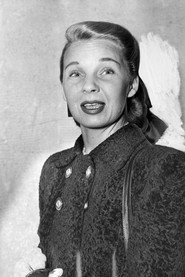 Gertrude MusgroveSaunders, the Maid
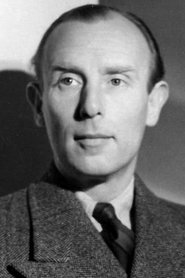 Gus McNaughtonRoom Service Waiter
- H.B. HallamJefferies, the Butler
- Eileen PeelMrs. Johnson
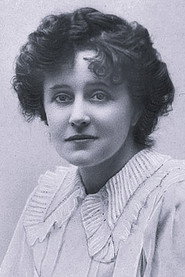 Eva MooreLady
 Michael RennieMinor Role (uncredited)
Directing
- Philip BrandonAssistant Director
- Tim WhelanDirector
Writing
- Lajos BiróAdaptation
- Arthur WimperisScenario Writer
- Ian DalrympleScenario Writer
- Gilbert WakefieldStory
- Robert E. SherwoodWriter
Production
- Alexander KordaProducer
- David B. CunynghameProduction Manager
- Wilfred O'KellyUnit Manager