
Film
Undercurrent
Other titles called Undercurrent: the 2023 film.
A 1946 psychological thriller where a shy chemist's daughter marries a charming industrialist who transforms her into a society wife—then grows dangerously possessive and evasive about his past. Hepburn carries the film with quiet intelligence, watching her character shift from gratitude into creeping dread. It's Hitchcock-adjacent paranoia, all tension and glances, best for viewers who like their suspense intimate and interpersonal.
Should you watch it?
Watch it if you love slow-building gaslight suspense, where a marriage quietly curdles and the dread lives in glances and closed doors rather than in chases.
Skip it if you want the thriller to move briskly, since this one lingers over polished drawing rooms and a heroine kept mostly in the dark, which can feel like waiting.
What it asks of you: Settle in for a leisurely opening of courtship and new-wife polish, with suspense that tightens slowly and rewards attention over quick answers.
Not sure? Find tonight's pick in a minute.
If you liked this
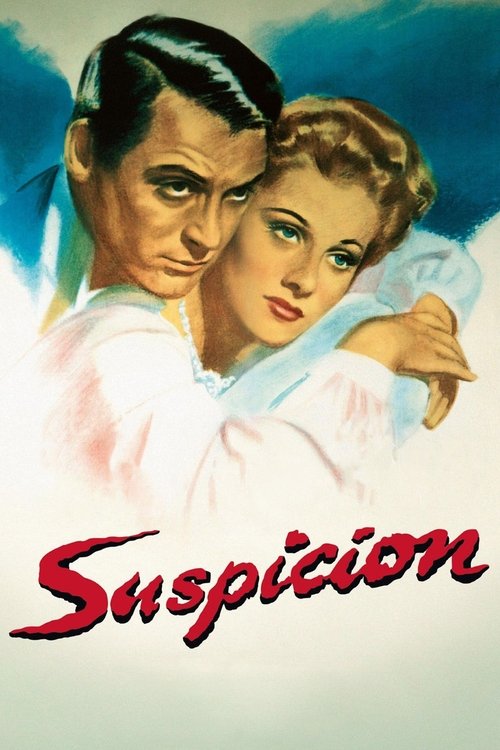
Suspicion1941
Hepburn again, married to a man she begins to suspect of murderous intent. Cary Grant is all charm on the surface, menace underneath. It has the same claustrophobic marriage-as-trap architecture and the same urgent question: how well do you really know someone?
But The ending, famously compromised by studio cowardice, feels like it betrays the entire film. Many viewers find it actively infuriating.
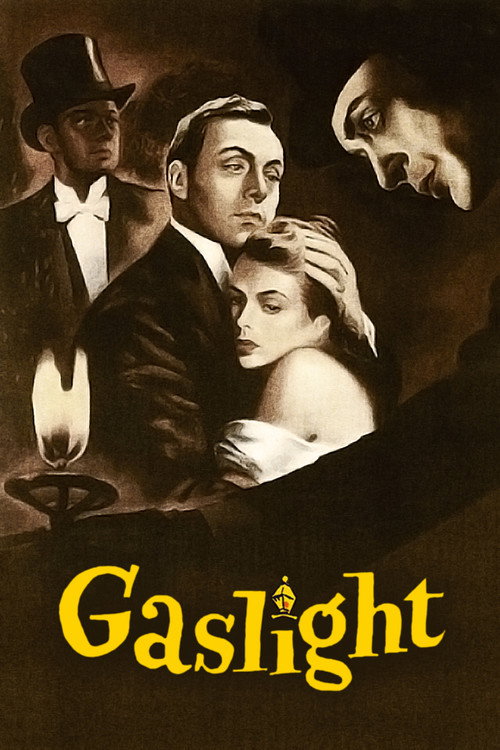
Gaslight1944
The ur-text for psychological manipulation in cinema. Ingrid Bergman's slow realization that her husband is deliberately destroying her sanity builds with surgical precision. If you liked the creeping dread in Undercurrent, this is essential.
But It can feel slow and airless to modern viewers. The pacing trusts you to understand fear without constant action beats.
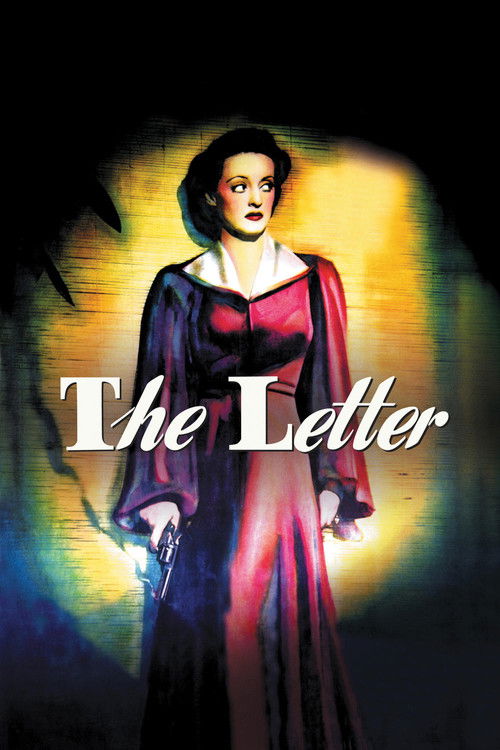
The Letter1940
Bette Davis in a marriage built on deception and desire, where nothing is what it seems and secrets have teeth. Taut, moral, unsettling—the same combination of domestic life turned sinister that makes Undercurrent grip.
But Some plot developments feel dated now. The film's attitudes toward women and sexuality have aged unevenly.
Not sure tonight? Get a pick in a minute, starting from Undercurrent
The wildcard
Something you would not have found on your own.
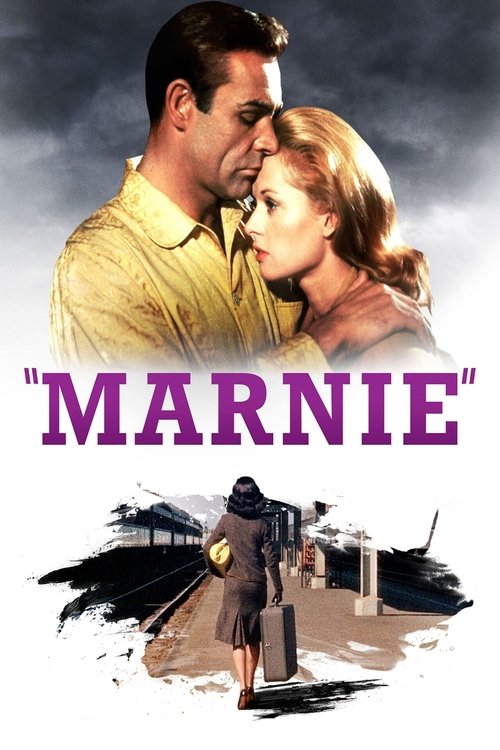
Marnie1964
Both films explore marriage as a site of hidden agenda and deliberate obscuration. In Undercurrent, the husband hides; in Marnie, he investigates. Both trap a woman with a man who knows she's keeping secrets, though he doesn't know what. Both ask whether a marriage can survive that asymmetry of knowledge.
Hitchcock's strangest film: a woman compulsively steals from her employers, and a man obsessed with 'saving' her coerces her into marriage to uncover her trauma. It inverts Undercurrent's dynamic—the husband deliberately keeps her off-balance to understand her. Tippi Hedren's performance is all suppressed terror and calculation. It's unsettling in ways the film itself doesn't fully acknowledge, which makes it powerful.
But The psychological theory underpinning it feels muddled and dated. Many viewers find the romantic resolution deeply uncomfortable, as they should.
More like this (8)
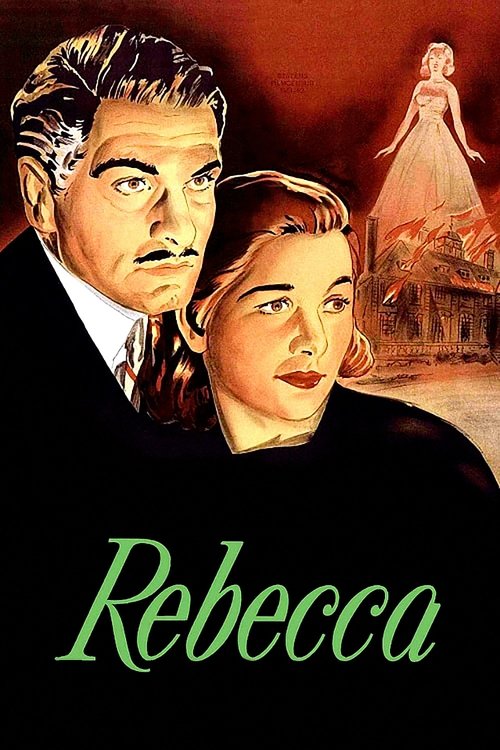
Rebecca1940
A new bride in a grand house, haunted by the shadow of her husband's past and unsure whom to trust. Laurence Olivier's performance carries similar ambiguity—is he protective or dangerous? The atmosphere is pure dread.
But Hitchcock's direction sometimes overwhelms character. The Gothic melodrama can feel overwrought if you're not in the mood.
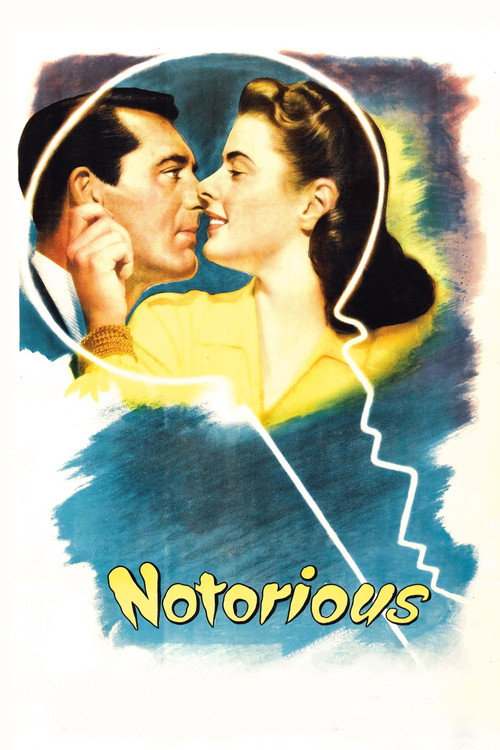
Notorious1946
Released the same year as Undercurrent, this Hitchcock spy thriller is faster-paced but carries the same theme: a woman in marriage as a trap, unsure of her husband's true nature or allegiance. Cary Grant and Ingrid Bergman burn on screen.
But The plot mechanics feel more like espionage puzzle than psychological study. If you wanted more interior life, you might find it plot-driven.
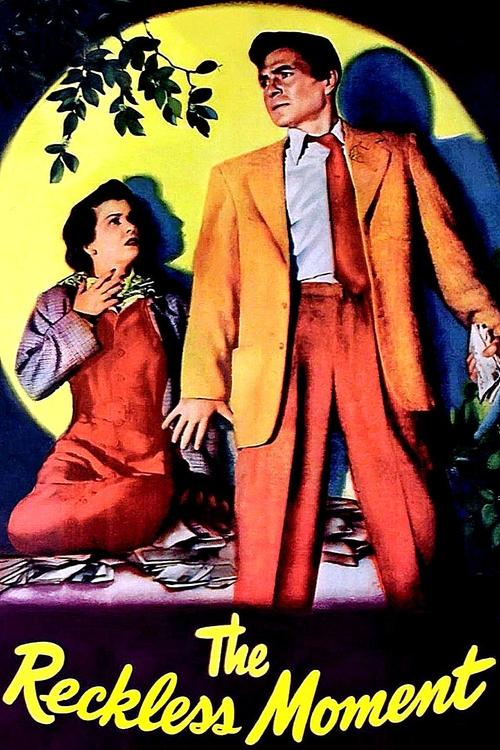
The Reckless Moment1949
Ophüls' exquisite chamber piece about a mother ensnared by blackmail and forced to navigate moral compromise. Like Undercurrent, it finds devastating tension in a domestic setting where one person holds all the knowledge and power.
But Very slow, very compositional. The visual beauty is the point, which won't matter if plot momentum is what keeps you watching.
The Asphalt Jungle1950
A heist procedural that, beneath its plot, is about how little we know the people closest to us. Men justify terrible choices to their wives; marriages hide double lives. The realism is chilling.
But It's a crime film first and a character study second. If you wanted more focus on the psychological marriage stuff, you'll find less of it here.

The Killers1946
Robert Siodmak's film noir where a man's murder unravels his secret life. Like Undercurrent, it's about how little we truly know about desire and motive in other people. Burt Lancaster's doomed lover is magnetic and tragic.
But It's structured as a mystery, not a domestic thriller, so the marriage-as-trap angle is more subtext than main event. The tone is harder-boiled than intimate.

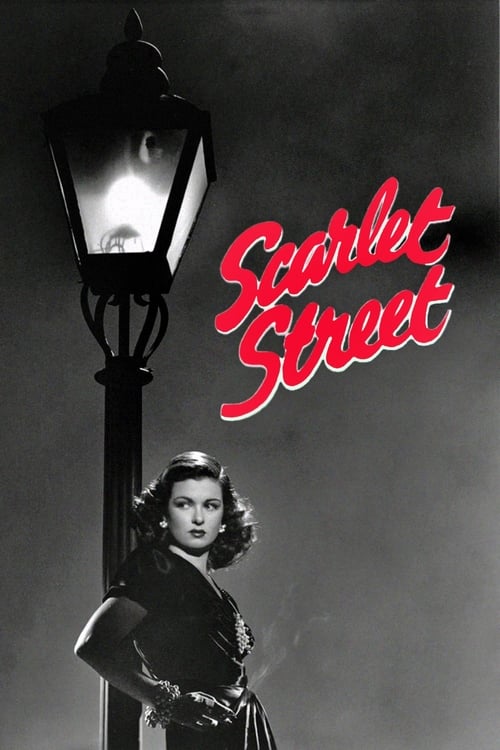
Scarlet Street1945
Fritz Lang on a respectable man destroyed by an entanglement with a woman who exploits his hunger for escape from marriage. The reversal of power, the manipulation, the way desire blinds—all ring true to the unsettling core of Undercurrent.
But Edward G. Robinson's character is unsympathetic even as we understand him. The film doesn't make comfort easy, which some viewers find draining rather than gripping.
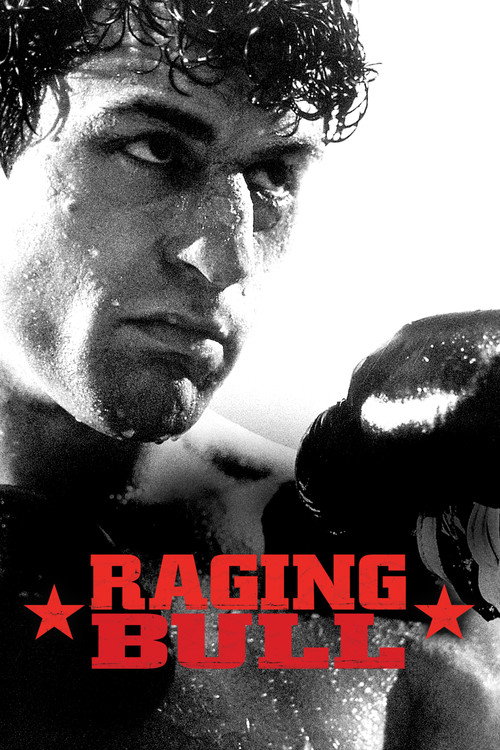
Raging Bull1980
Both films center on a husband's rage and suspicion, but Raging Bull puts you inside his madness while Undercurrent keeps you with the wife's growing awareness. Raging Bull is the nightmare version of what Undercurrent whispers about—what happens when the charming mask cracks and the jealousy becomes violence.
Scorsese's black-and-white portrait of boxer Jake LaMotta and his marriage to Vikki, shot with the cramped, fractured intensity of paranoia and jealousy. Robert De Niro's savage performance captures how the same man who woos can terrorize. The technical filmmaking is stunning, and the film's moral clarity is unapologetic.
But It's brutal and ugly and uninterested in your comfort. Some viewers experience it as misogynistic rather than critical of misogyny. The boxing sequences are long and hard to watch.
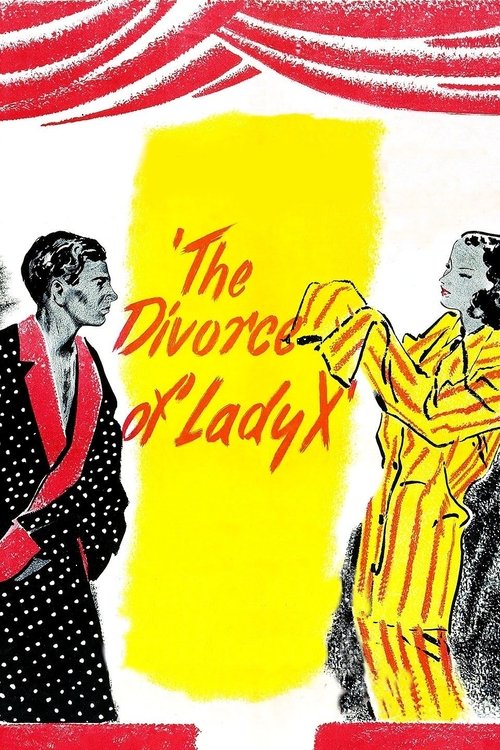
The Divorce of Lady X1938
Like Undercurrent, it uses marriage or near-marriage as the machinery of suspense, and like that film, it's fascinated by how little people reveal before commitment. But it approaches the topic with sophistication disguised as lightness—proving that the psychology of intimate deception doesn't require noir shadows to feel real.
A Technicolor comedy-thriller that seems frivolous until it isn't. Vivien Leigh and Laurence Olivier meet during a scandal and become entangled in escalating lies. Beneath the screwball surface is genuine dread about how little you know someone and how fast desire can become entrapment. The film toggles between tones in a way that catches you off-guard.
But Its tonal whiplash will seem like a flaw if you're expecting one consistent register. Some of the comedy hasn't aged well. It's less a thriller and more a comedy that discovers thriller elements, which will frustrate viewers seeking either purely.
People
Cast
 Katharine HepburnAnn Hamilton
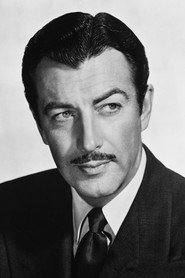 Robert TaylorAlan Garroway
 Robert MitchumMichael Garroway
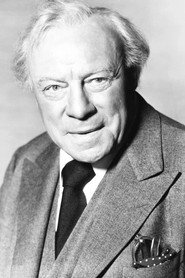 Edmund GwennProfessor Hamilton
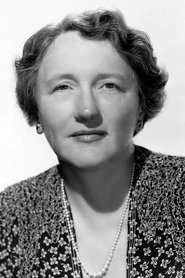 Marjorie MainLucy
 Jayne MeadowsSylvia Burton
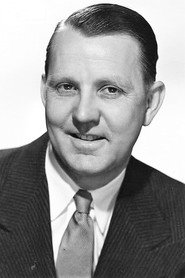 Clinton SundbergMr. Warmsley
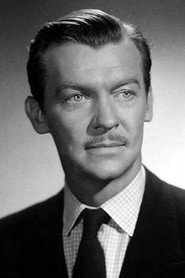 Dan TobinJoseph Bangs
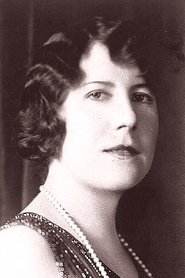 Kathryn CardMrs. Foster
 Leigh WhipperGeorge
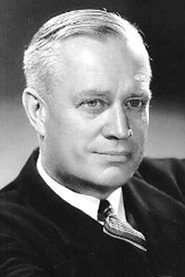 Charles TrowbridgeJustice Putnam
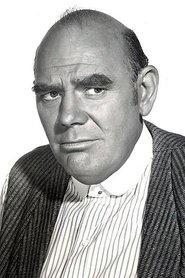 James WesterfieldHenry Gilson
Directing
- Norman ElzerAssistant Director
- Vincente MinnelliDirector
Writing
- Edward ChodorovScreenplay
- Thelma StrabelStory
Production
- Pandro S. BermanProducer
- Jack GertsmanUnit Manager