
Film
Let's Make It Legal
A sharp 1951 comedy about a woman who divorces her gambling-addicted husband after two decades, only to face unexpected complications when an old flame resurfaces. Claudette Colbert leads an ensemble through romantic tangles and second-chance dilemmas. It's brisk, charming, and genuinely funny—a period piece that still lands because it understands that life's messiest decisions happen off-screen.
If you liked this
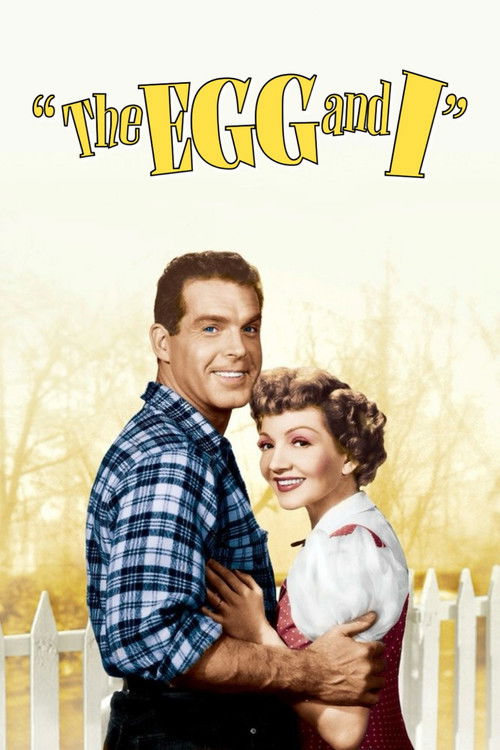
The Egg and I1947
Claudette Colbert plays opposite Spencer Tracy in this warm romantic comedy about marriage, farming, and the friction between two stubborn people learning to live together. It has the same intelligent humour and genuine affection.
But It's genteel 1940s fare. If you want edge or contemporary sensibility, this won't provide it. The pacing feels leisurely by modern standards.
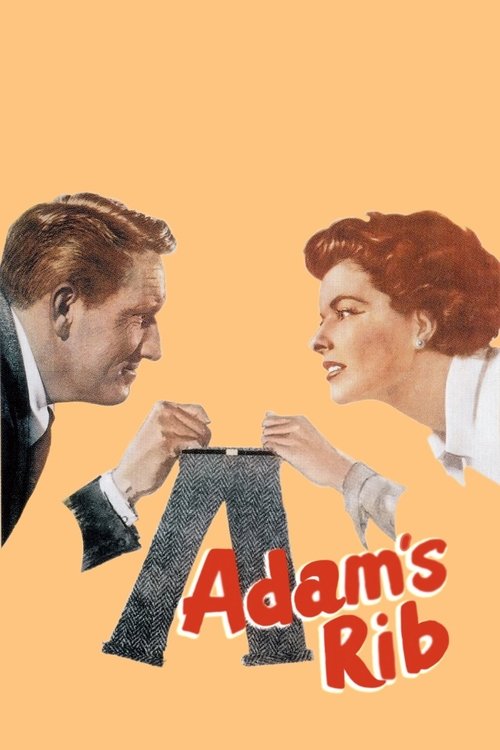
Adam's Rib1949
Tracy and Hepburn as husband-and-wife lawyers arguing opposite sides of a case. Crackling dialogue, real chemistry, and it understands marriage as a partnership between equals—intellectually alive and sexy.
But The gender politics, even forward-thinking for the time, feel dated now. Some scenes aim for comedy that lands awkwardly.
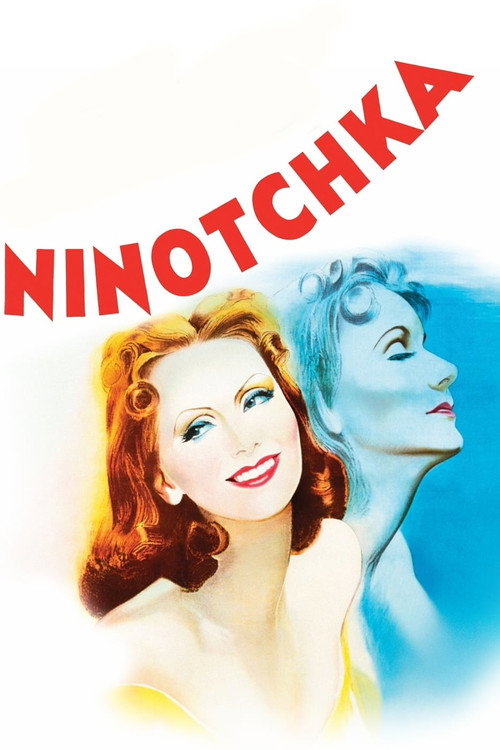
Ninotchka1939
Greta Garbo as a stern Soviet official thawing under Parisian romance and champagne. Witty, romantic, and genuinely moving—proof that 1930s Hollywood could be both sophisticated and deeply felt.
But The Cold War framing and comedy about communism feel period-specific. It's slower-burn than you might expect from a Lubitsch film.
Not sure tonight? Get a pick in a minute, starting from Let's Make It Legal
The wildcard
Something you would not have found on your own.
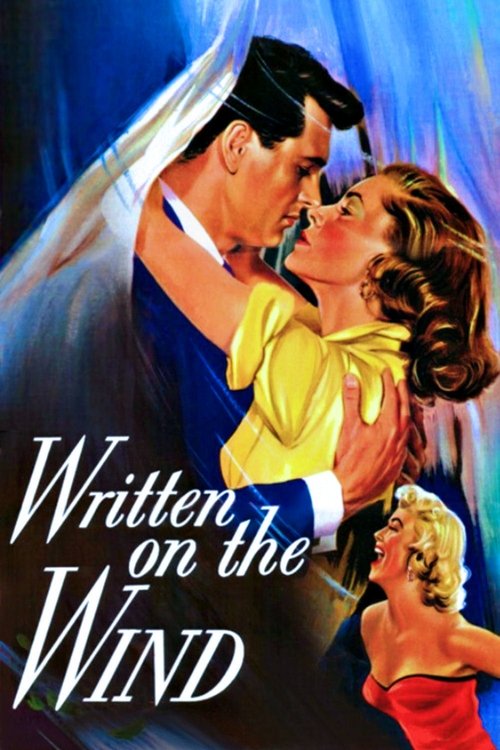
Written on the Wind1956
Both examine marriage not as a problem to solve but as a state to navigate—complicated, rarely simple, often unresolved. Both understand that 'making it legal' doesn't make it work.
Douglas Sirk's melodrama about marriage, wealth, and self-deception in a Texas oil family. It's visually stunning, morally complex, and beneath the soap-opera surface lies real intelligence about why people hurt each other.
But It's lurid, almost over-the-top in its emotional intensity. If you think melodrama is beneath serious cinema, this will test that conviction. The psychoanalysis feels quaint.
More like this (8)
The Philadelphia Story1940
Katharine Hepburn, Cary Grant, and James Stewart navigate divorce, remarriage, and whether a person can truly know their own heart. Urbane, funny, and surprisingly wise about human contradiction.
But The class assumptions—that wealthy people's problems deserve attention—might make you roll your eyes. Some jokes don't translate.

Breakfast at Tiffany's1961
Audrey Hepburn embodies romantic possibility and emotional avoidance. It's got style, warmth, and a script that knows romance is complicated. Marilyn Monroe here gets a small role that echoes her presence in Let's Make It Legal.
But The racist caricature is genuinely hard to watch. The ending divides people sharply on whether it's earned or compromised.

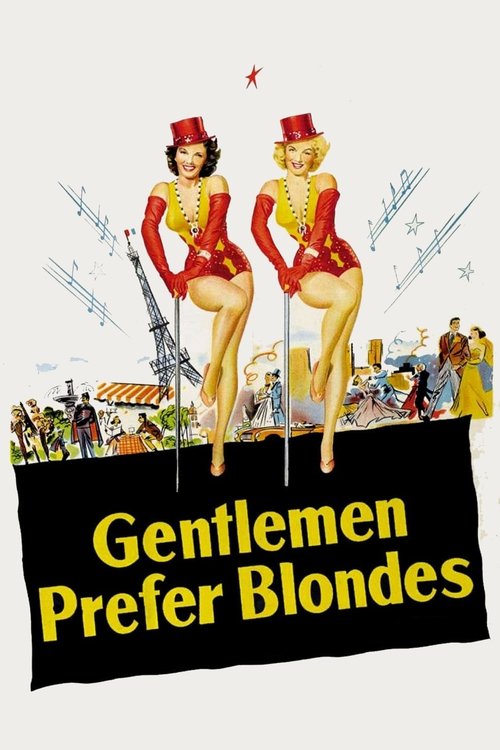
Gentlemen Prefer Blondes1953
Marilyn Monroe and Jane Russell as best friends navigating men, money, and what they actually want from life. Sharp comedy with real heart, and Monroe is phenomenal—funny, smart, and fully present.
But The sexual politics are retrograde by any serious standard. If satire and sincerity tangle awkwardly for you, this might feel muddled.
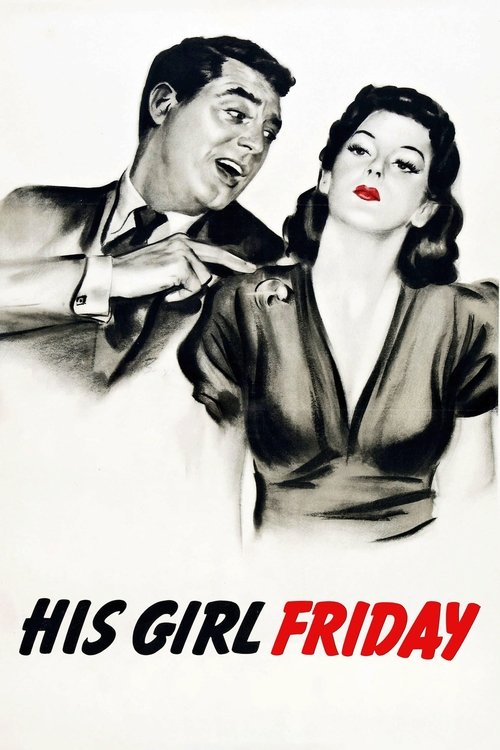
His Girl Friday1940
Rosalind Russell and Cary Grant as divorced journalists who can't stop orbiting each other. The dialogue is machine-gun rapid, overlapping, naturalistic. It's what screwball comedy sounds like at its best.
But The pacing is relentless and the overlapping dialogue can exhaust rather than delight. Print journalism as backdrop feels nostalgic in a way that dates the whole thing.
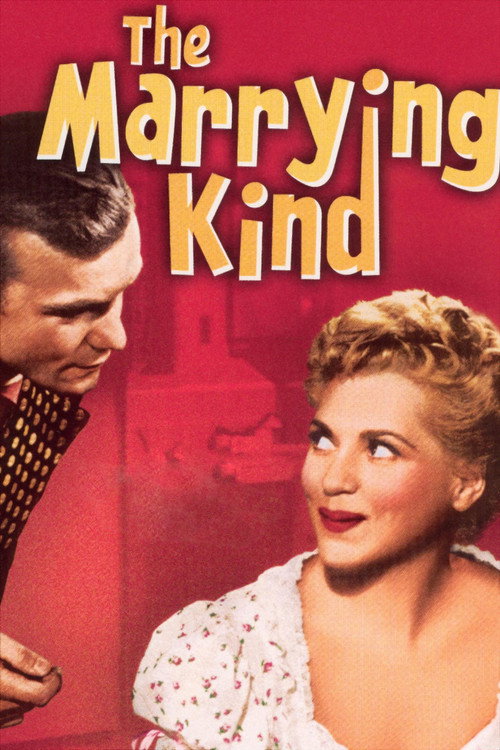
The Marrying Kind1952
Aldo Ray and Debbie Reynolds as a couple remembering their marriage from engagement through crisis. It's funny and touching—interested in why people stay with each other, not just in the romantic high.
But The tonal shifts from comedy to genuine sadness are sharp enough to jar. It's more sincere than it first appears, which isn't for everyone.
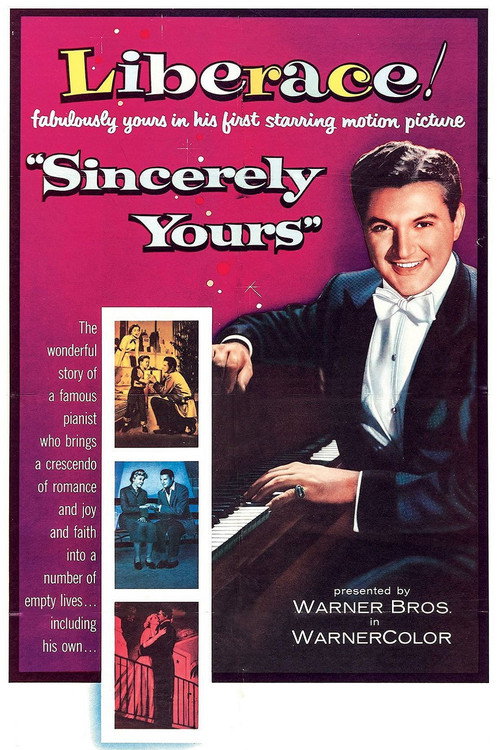
Sincerely Yours1955
Liberace plays a pianist who becomes deaf and must learn to live differently. It's earnest, sentimental, and strange—a genuine attempt at something dramatic by a performer known for spectacle.
But The central conceit—that music and beauty can be enjoyed only through performance—doesn't hold up. Watching Liberace attempt drama is an acquired taste.
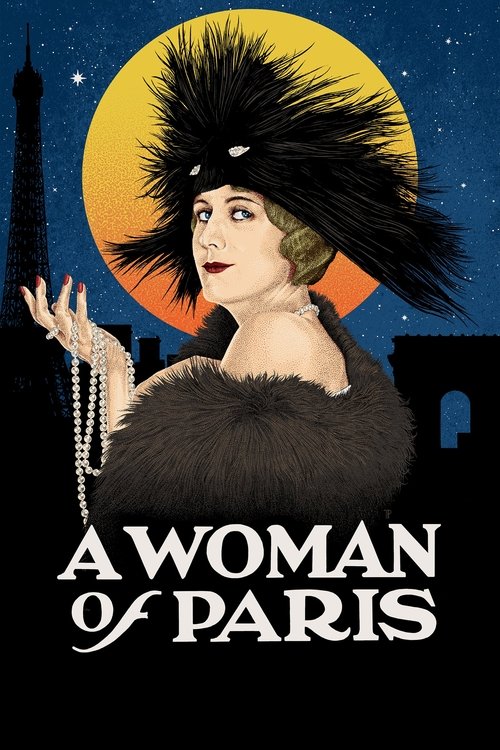
A Woman of Paris: A Drama of Fate1923
A 1951 film about a woman reclaiming her life after 20 years finds its ancestor here: a woman who knows her own worth and makes a terrible man pay for ignoring it. Same moral clarity, 28 years apart.
Chaplin's only dramatic film, about a woman navigating love, betrayal, and survival in 1920s Paris. It's visually sophisticated, emotionally direct, and treats its heroine with genuine respect. Silent cinema at its most human.
But It's silent. If you've never watched a silent film with conviction, the experience might feel like work rather than pleasure. The plot is melodramatic by design.
Brief Encounter1945
Both understand that divorce isn't the beginning of a story but a crisis within one. Brief Encounter shows what happens when two people don't take the legal step Colbert's character does—the emotional cost of restraint.
Noël Coward's masterpiece about infidelity, restraint, and the gap between passion and obligation. Two married people meet by chance and navigate what they cannot have. It's restrained on the surface, volcanic underneath.
But British reserve isn't for everyone. It's about what isn't said, what isn't done. If you prefer drama explicit and loud, this will frustrate you. Celia Johnson's face does most of the acting.

People
Cast
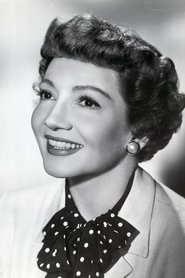 Claudette ColbertMiriam Halsworth
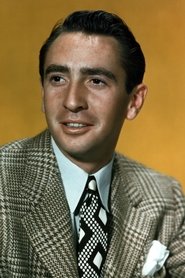 Macdonald CareyHugh Halsworth
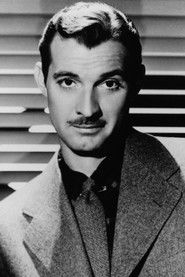 Zachary ScottVictor Macfarland
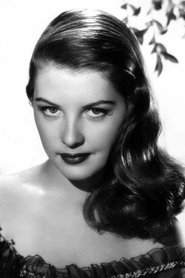 Barbara BatesBarbara Denham
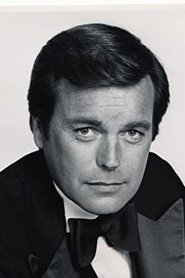 Robert WagnerJerry Denham
 Marilyn MonroeJoyce Mannering
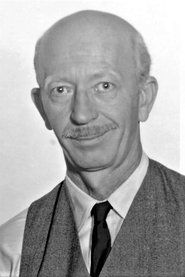 Frank CadyFerguson
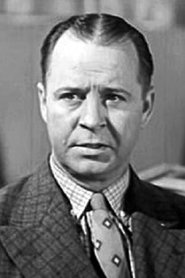 Harry HarveyPostman (uncredited)
- Carol SavageMiss Jessup (uncredited)
- Jim HaywardPete (uncredited)
- Joan FisherAnnabella (uncredited)
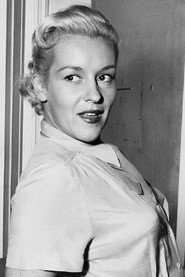 Vici RaafPeggy (uncredited)
Directing
- Eli DunnAssistant Director
- Richard SaleDirector
Writing
- F. Hugh HerbertScreenplay
- I. A. L. DiamondScreenplay
- Mortimer BrausStory
Production
- Robert BasslerProducer