
Film
Comrade X
A 1940 screwball comedy with Clark Gable as an American reporter in Soviet Moscow, blackmailed into helping a Communist woman escape. It's a fast-paced, flirtatious romp that trades on the era's Cold War anxieties for laughs, with all the witty banter and mistaken identities you'd want from Golden Age Hollywood.
If you liked this
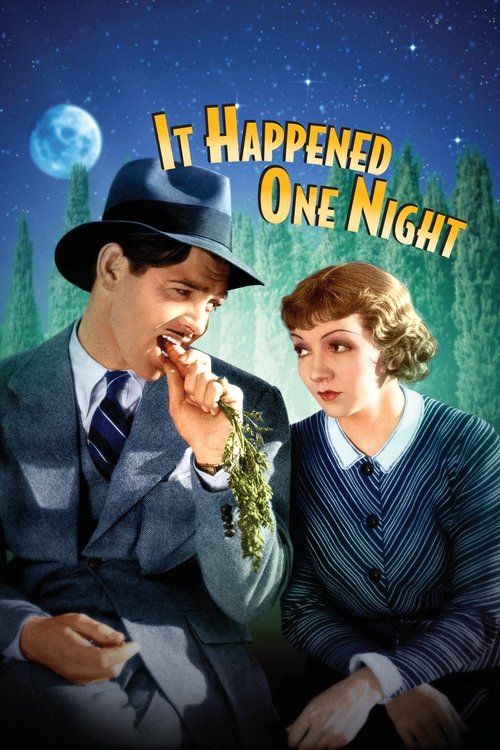
It Happened One Night1934
The template for screwball romance: a cynical reporter and a spirited woman sparring across a journey, with genuine chemistry and perfect comedic timing. Gable's in this too, and you'll see where his charm comes from.
But The pacing feels glacial if you're used to modern cutting; some of the class-politics storyline wobbles. It's revered partly out of historical obligation.
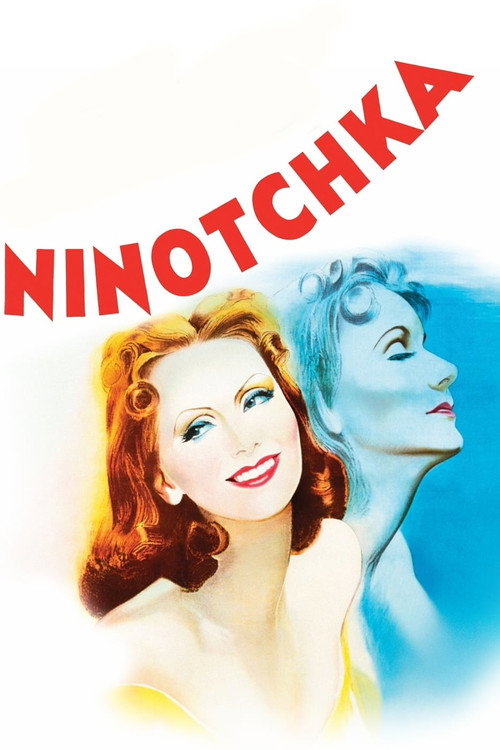
Ninotchka1939
Greta Garbo as a rigid Soviet official thawed by Paris and romance, with Ernst Lubitsch's direction making every line land like a punchline. The same premise as Comrade X—Cold War politics as romantic comedy—but executed with more wit.
But It's whimsical about dictatorship in ways that feel dated. If the politics bother you, this won't help.
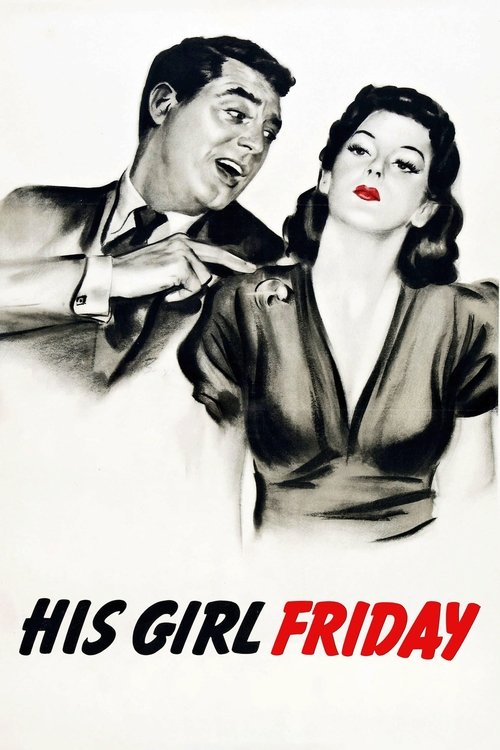
His Girl Friday1940
Rosalind Russell and Cary Grant as exes reigniting in a newspaper office, talking so fast you'll miss jokes on the first watch. The energy, the insults, the sexual tension—this is screwball at its most alive and confident.
But The dialogue is intentionally overlapping and chaotic; you have to lean in. If you want clarity and breathing room, this will exhaust you.
Not sure tonight? Get a pick in a minute, starting from Comrade X
The wildcard
Something you would not have found on your own.
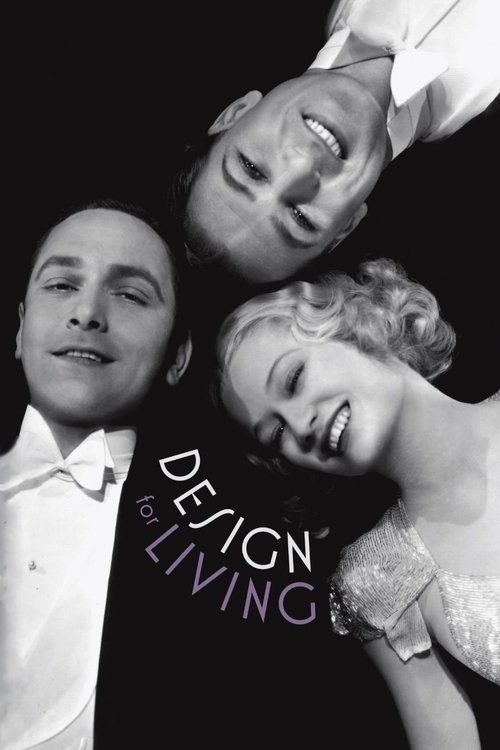
Design for Living1933
Both use romance and political circumstance as the engine for comedy, trusting that tension between desire and ideology can be funny without resolving into simple answers.
Ernst Lubitsch directing Fredric March, Gary Cooper, and Miriam Hopkins in a sophisticated comedy about three people in love with each other, with more innuendo and sexual frankness than the Hays Code should have allowed. It's playful about desire in ways that feel modern.
But It's European in tone—witty and detached where American comedy wants to earn your heart. Some find it cold.
More like this (8)
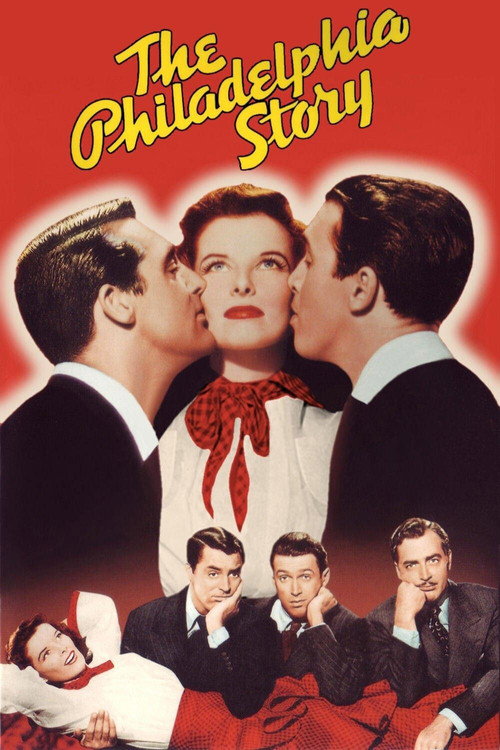
The Philadelphia Story1940
Cary Grant, James Stewart, and Katharine Hepburn playing reporters and socialites in a fizzing love triangle. Urbane, funny, and genuinely romantic—this is what happens when screwball grows up without losing its edge.
But It's plotty in ways that require attention; the class commentary is buried under charm. Some find it smug.
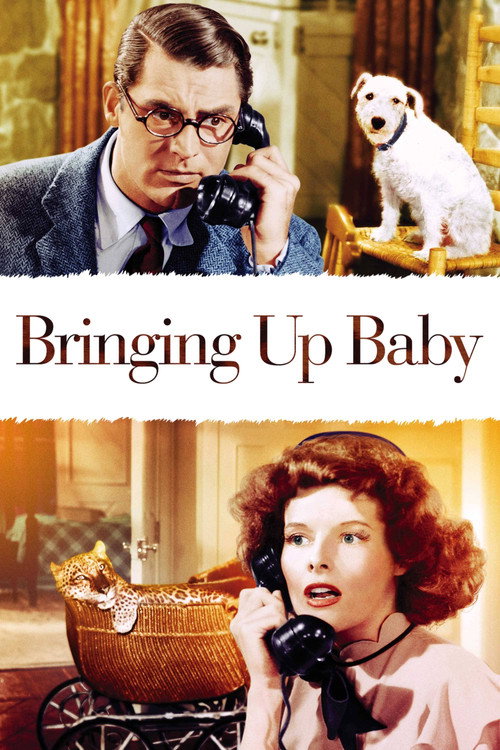
Bringing Up Baby1938
Cary Grant and Katharine Hepburn pursuing each other through chaos involving a leopard, a car, and increasingly destroyed clothing. The pacing is relentless and the dialogue is precise lunacy—a masterclass in comedic structure.
But The frenzy never lets up; some scenes feel cruel. If you prefer romantic comedy with a slower heart, this is all velocity and no tenderness.
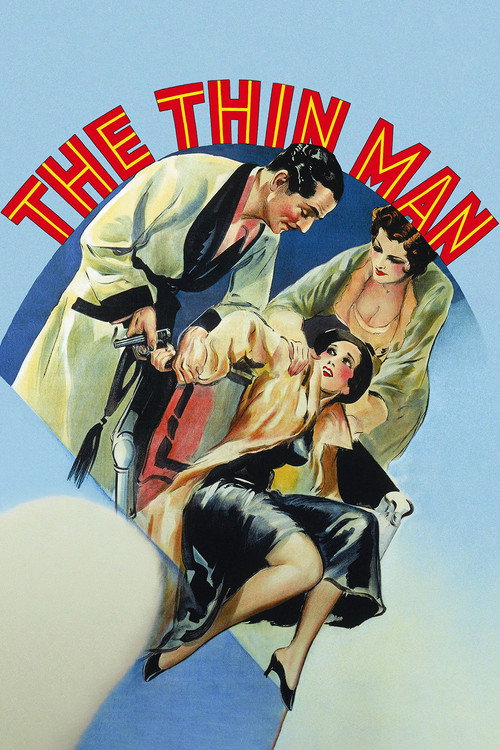
The Thin Man1934
William Powell and Myrna Loy as a married detective couple solving a murder while getting progressively drunk, with banter that feels like actual flirtation between people who adore each other. Elegant and genuinely funny.
But It's a mystery first, so if the plot doesn't grip you, the charm alone may not sustain it. Also, the drinking as comedy is dated.
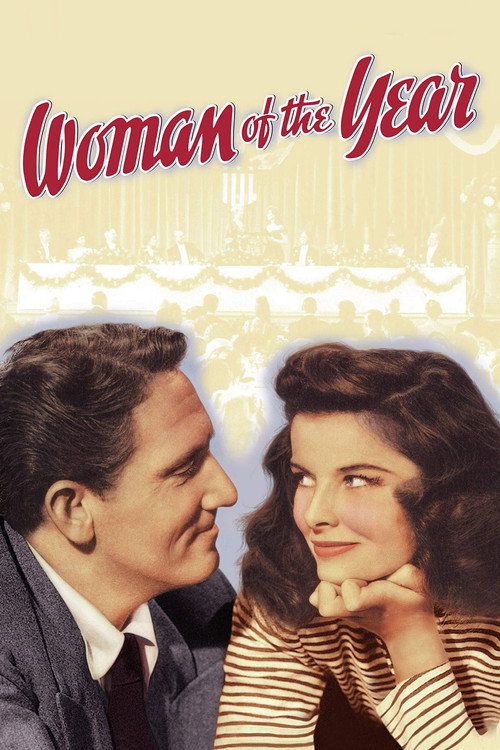
Woman of the Year1942
Spencer Tracy and Katharine Hepburn's first pairing: competing newspaper reporters, ideological differences, and a romance that crackles. The battle-of-the-sexes script is sharper than the formula suggests.
But The ending backs down from its own argument for the sake of romance. If you're watching for feminist victory, you'll feel cheated.
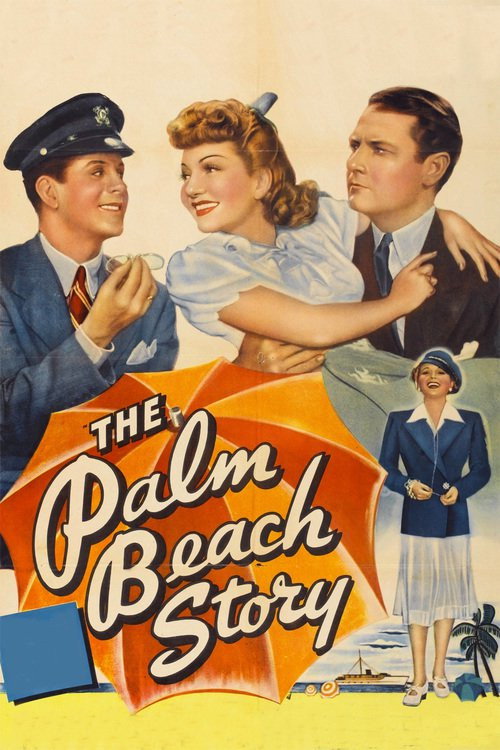
The Palm Beach Story1942
Preston Sturges directing Claudette Colbert and Joel McCrea through a madcap journey of marital chaos, mistaken identities, and some of the best physical comedy ever filmed. Absurd, generous, and completely confident.
But The gender politics are retrograde and wrapped in flattery. The plot is so busy it sometimes forgets its own logic.
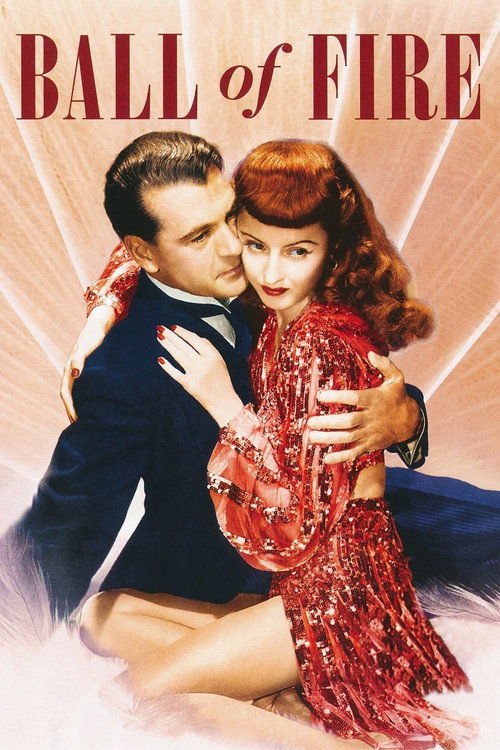
Ball of Fire1941
Gary Cooper as an innocent professor and Barbara Stanwyck as a nightclub singer trapped in a cabin with seven other professors. It's flirtatious and sweetly earnest, with real affection beneath the gags.
But It slows down in the middle; the early energy gives way to sentiment. The ending is predictable in the way 1941 Hollywood always was.
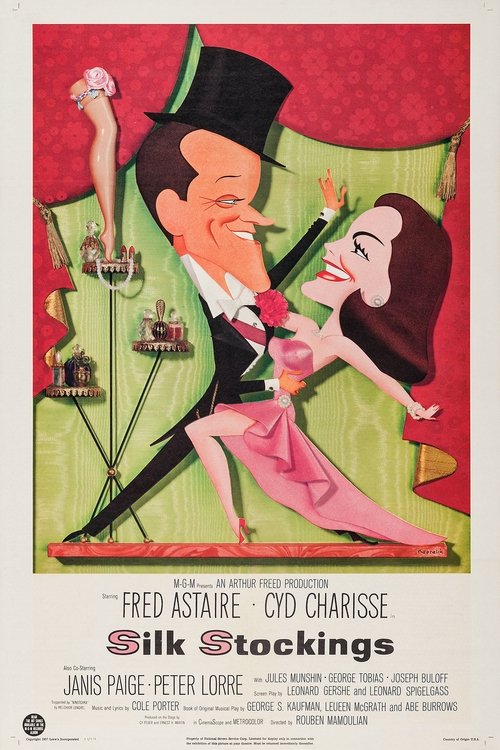
Silk Stockings1957
It transforms the Cold War screwball template into music and movement, proving the premise works across genres—the same ideological friction generating romance and spectacle.
The musical remake of Ninotchka, with Fred Astaire and Cyd Charisse dancing through the same Cold War romance plot, Cole Porter songs, and production design that's pure candy. It's lighter and more joyful than the original, and the dancing is transcendent.
But Musicals require surrender; if you're resistant to sudden song, this won't convert you. It's also much glossier and less bitingly funny than Ninotchka.
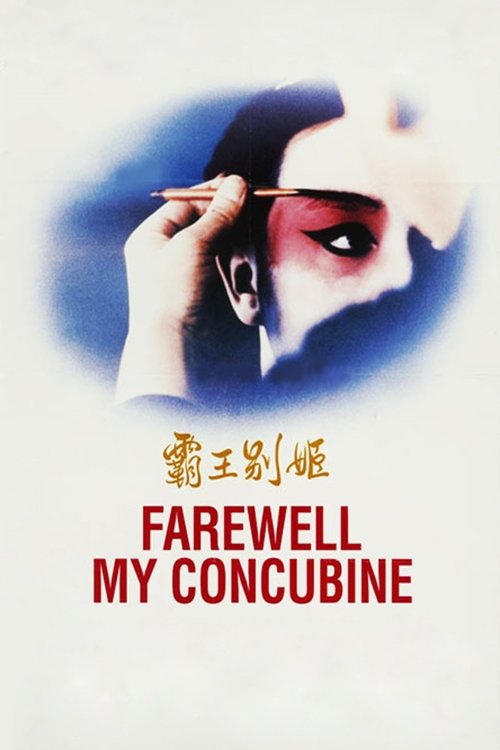
Farewell My Concubine1993
Where Comrade X jokes about how Communism interferes with romance, this asks what happens when the state doesn't joke at all—when ideology isn't backdrop but the whole point. Same collision of personal desire and political systems; opposite register entirely.
Chen Kaige's opera-house epic about two performers in China across decades of political upheaval and forbidden desire. It's visually gorgeous, emotionally devastating, and uses romance and art as a way to explore how power and ideology crush individual lives.
But It's bleak; this is tragedy wearing the clothes of love. It's also three hours and will require your complete attention. Not an evening's entertainment so much as an experience.
People
Cast
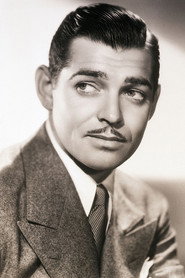 Clark GableMcKinley B. 'Mac' Thompson
 Hedy LamarrGolubka / Theodore Yahupitz / Lizvanetchka 'Lizzie'
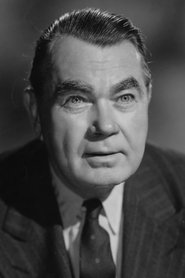 Oskar HomolkaCommissar Vasiliev
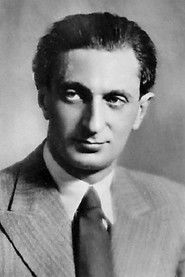 Felix BressartIgor Yahupitz / Vanya
 Eve ArdenJane Wilson
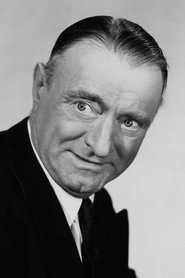 Sig RumanEmil Von Hofer
 Natasha LytessOlga Milanova
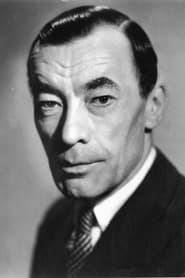 Vladimir SokoloffMichael Bastakoff
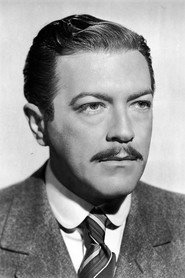 Edgar BarrierRubick
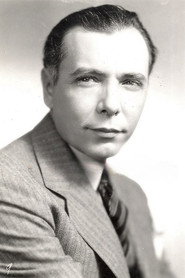 Georges RenaventLaszlo
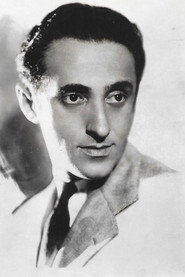 Leon BelascoComrade Baronoff
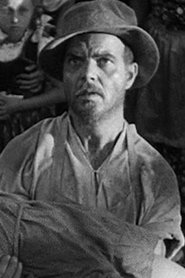 Michael MarkGoronoff
Directing
- Tom AndreAssistant Director
- King VidorDirector
Writing
- Walter ReischOriginal Story
- Ben HechtScreenplay
- Charles LedererScreenplay
- Herman J. MankiewiczWriter
Production
- Gottfried ReinhardtProducer
- King VidorProducer