
Film
Isadora
A portrait of Isadora Duncan, the revolutionary dancer who rejected classical ballet's constraints and scandalized 1920s society with her radical art, politics, and personal life. Vanessa Redgrave inhabits her with raw intensity, capturing both the genius and the chaos. It's a film about artistic vision colliding with mortality, propriety, and the cost of freedom. For those drawn to biopics that don't sanctify their subjects.
If you liked this
The Red Shoes1948
A ballet film of operatic passion about art consuming everything—love, safety, sanity. Moira Shearer's torn between her lover and her art director, each demanding total devotion. The climax is devastating.
But The Technicolor spectacle and mid-century gender dynamics may feel remote. Some find it overwrought rather than moving.

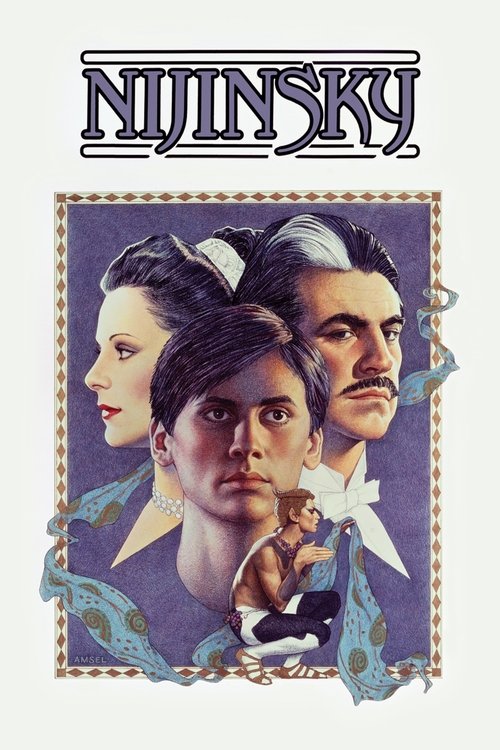
Nijinsky1980
Another dancer biography, another genius destroyed by brilliance and appetite. Alan Bates and George de la Pée circle each other with ferocious intimacy. It has the same feverish, doomed energy as Isadora.
But Explicitly homoerotic in ways that may read dated now. The film itself is sometimes uneven, lurching between scenes.
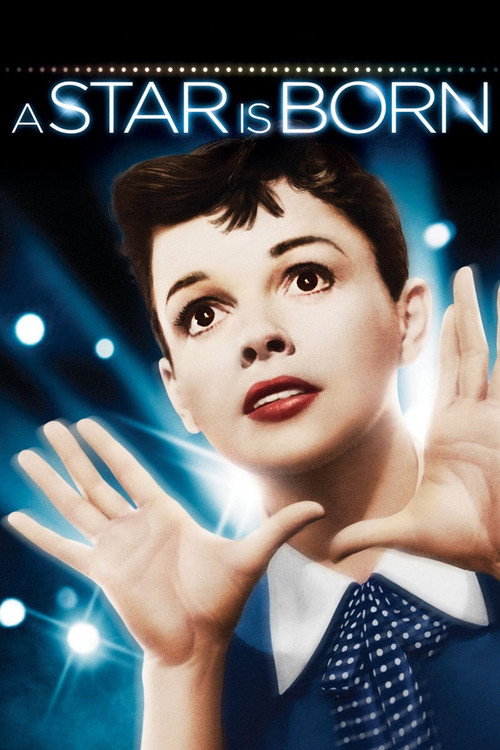
A Star Is Born1954
Judy Garland as a performer crushed and rebuilt by Hollywood's machinery. Like Isadora, it's about talent meeting systems designed to break it. Musically ravishing and emotionally brutal.
But Longer than it needs to be, and the romantic plot can feel secondary to the real tragedy.
Not sure tonight? Get a pick in a minute, starting from Isadora
The wildcard
Something you would not have found on your own.
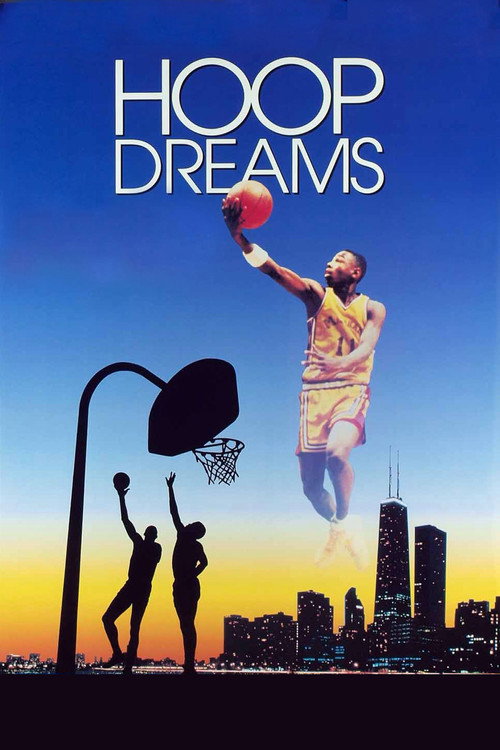
Hoop Dreams1994
Both trace how systems—whether Gilded Age society or modern sports—claim to celebrate exceptional individuals while grinding them to dust. Both are about the price of visibility.
A three-hour documentary following two basketball players from Chicago through high school to the NBA. It's not about dance, but it's about bodies as art, ambition as a cage, the machinery that consumes genius and discards failure. Devastating.
But Very long, repetitive in structure, and deliberately unglamorous. The tragedy feels slow and bureaucratic rather than operatic. Some find it numbing rather than moving.
More like this (7)
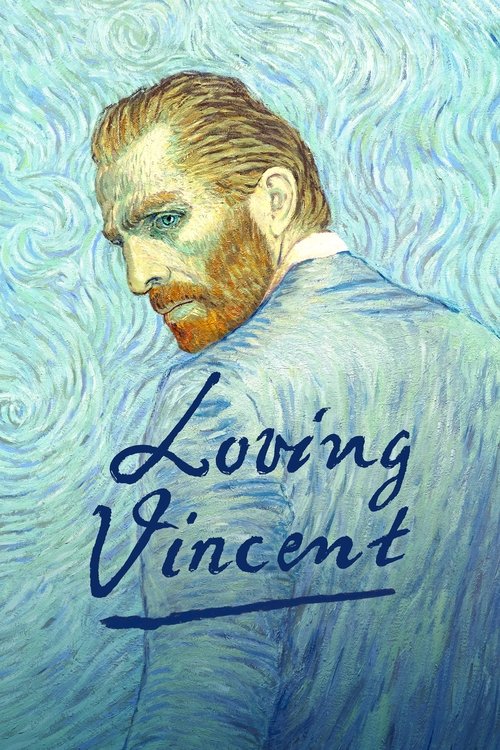
Loving Vincent2017
A biography of van Gogh told entirely in oil paintings, each frame a canvas. It captures creative obsession and the unbridgeable distance between vision and the world's comprehension.
But The technique overwhelms the narrative for some viewers. The mystery plot feels tacked on to justify the format.
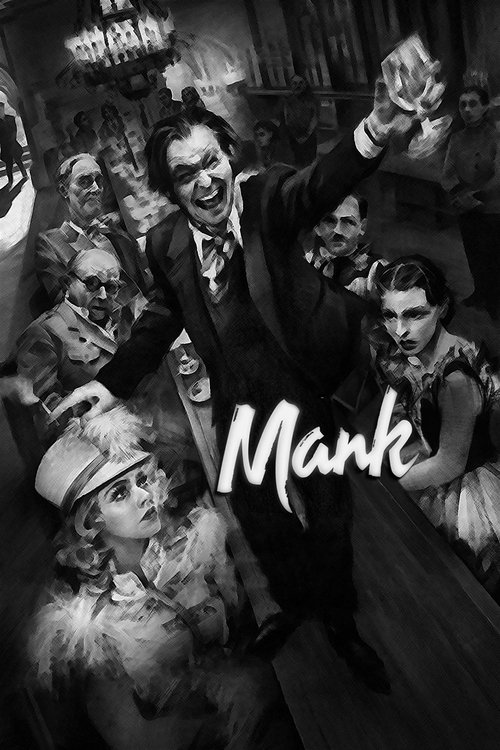
Mank2020
A fever dream about artistic ambition, ego, and the machinery of creation. Black-and-white cinematography, restless editing, and Gary Oldman's bitter intensity make it hypnotic and claustrophobic.
But Openly cynical about art and legacy. The narrative is deliberately fragmented and can feel didactic about 1930s politics.
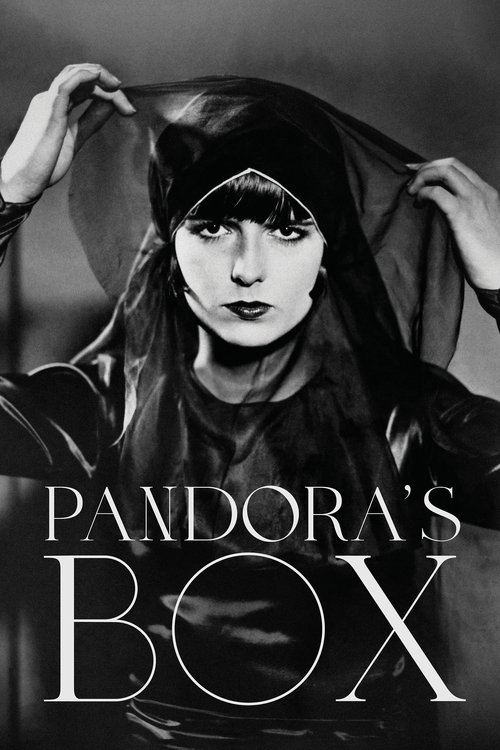
Pandora's Box1929
Louise Brooks as Lulu, a woman whose sexuality and appetite destroy everyone around her—including herself. Silent, visual, utterly of its moment yet timeless. The parallel to Isadora's scandal and self-destruction is exact.
But Silent cinema requires patience. The film is about surfaces and suggestion; it won't spell anything out for you.
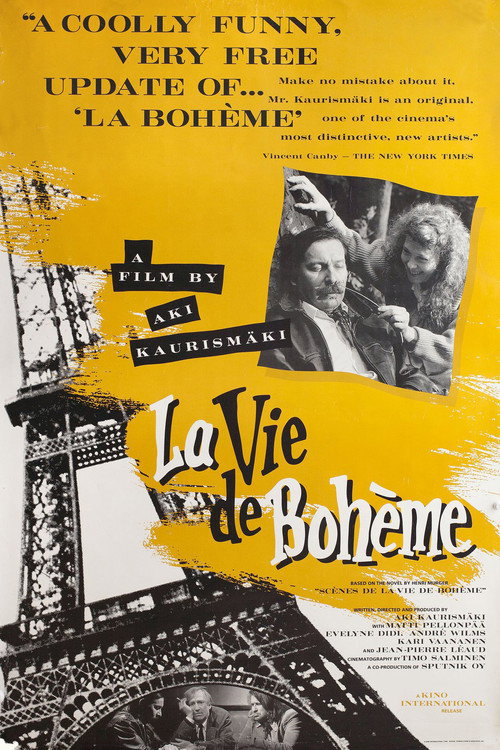
La Vie de Bohème1992
Aki Kaurismäki's take on Puccini's opera, but set in modern Helsinki with anarchist ex-artists. Deadpan and achingly melancholic. Same DNA—art, poverty, doomed romance, refusal to compromise.
But Minimalist dialogue and glacial pacing. The Finnishness might feel alienating rather than charming.
Synecdoche, New York2008
Philip Seymour Hoffman as a director consumed by his own ambitions and mortality. Brilliant, baroque, about an artist building universes inside his head while his life collapses. Structurally audacious.
But Deliberately obscure and self-absorbed to the point of opacity. Many viewers find it frustrating rather than profound.

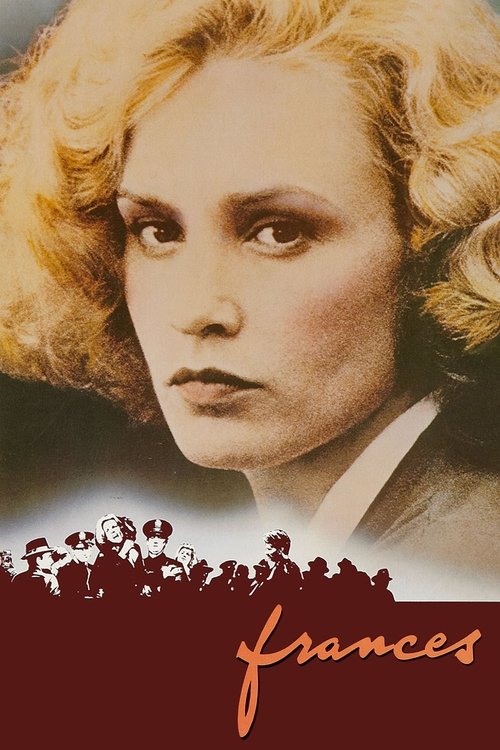
Frances1982
Jessica Lange as actress Frances Farmer, destroyed by studios, scandal, and institutionalization. Raw and harrowing. Another woman artist crushed by the twentieth century's cruelty.
But Very dark, sometimes exploitative. The electroshock scenes are difficult to watch, and the narrative can feel punitive.
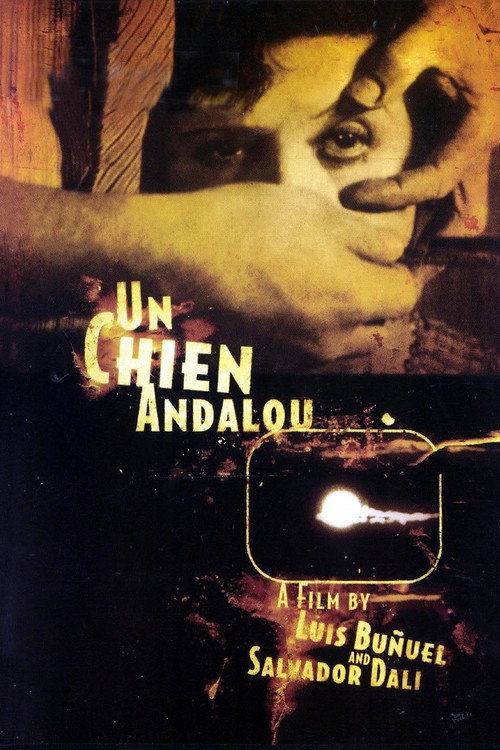
Un Chien Andalou1929
Both represent art as transgression—using the performer's body as a weapon against bourgeois decency. Both existed to scandal first and to enlighten second.
Buñuel and Dalí's 16-minute surrealist provocation—shocking, irrational, obscene by 1929 standards. Like Isadora, it was made to outrage and to question what the body is allowed to do on stage or screen.
But It's abstract, dreamlike, wilfully nonsensical. There's no plot. If you need narrative or sense-making, it will infuriate you. The famous eye-slicing scene haunts and disturbs.
People
Cast
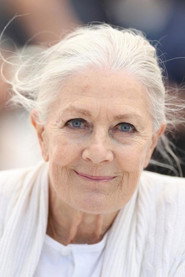 Vanessa RedgraveIsadora Duncan
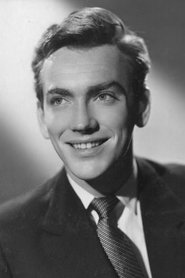 John FraserRoger
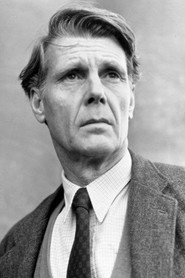 James FoxGordon Craig
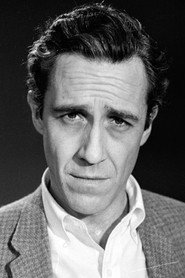 Jason RobardsParis Singer
 Zvonimir ČrnkoSergei Essenin (as Ivan Tchenko)
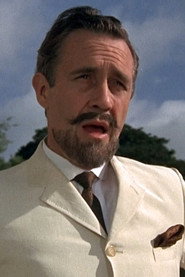 Vladimir LeskovarBugatti (as Vladimir Leskovar)
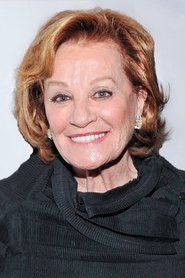 Cynthia HarrisMary Desti
 Bessie LoveMrs. Duncan
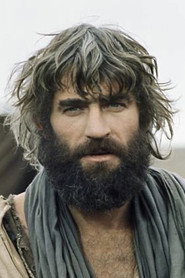 Tony VogelRaymond Duncan
- Libby GlennElizabeth Duncan
- Ronnie GilbertMiss Chase
- Wallas EatonArcher
Directing
- Claude WatsonAssistant Director
- Karel ReiszDirector
Writing
- Melvyn BraggAdaptation
- Isadora DuncanBook
- Sewell StokesBook
- Clive ExtonScreenplay
- Melvyn BraggScreenplay
Production
- Miriam BrickmanCasting
- Raymond HakimProducer
- Robert HakimProducer
- Eric RattrayProduction Manager
- Roy ParkinsonProduction Supervisor