
Film
Frances
- Biopic
- Very dark
Frances Farmer's Hollywood rise and fall, told as a tragedy of ambition, illness, and institutional cruelty. Jessica Lange is extraordinary—furious, vulnerable, articulate about her own unraveling. Graeme Clifford's film is unflinching about mental health, power, and the machinery that crushes inconvenient women. Essential, difficult, and very much of its era in the best way.
Should you watch it?
Watch it if you want a stubborn, unflinching portrait of a defiant woman boxed in by Hollywood's machinery, anchored by Jessica Lange's raw, committed performance.
Skip it if the film runs long and grim, and its bleakest stretches can feel punishing rather than cathartic if you need some warmth to keep going.
What it asks of you: Its two hours and twenty minutes unfold at a deliberate, heavy pace, with long scenes that let the discomfort sit and build.
Not sure? Find tonight's pick in a minute.
If you liked this
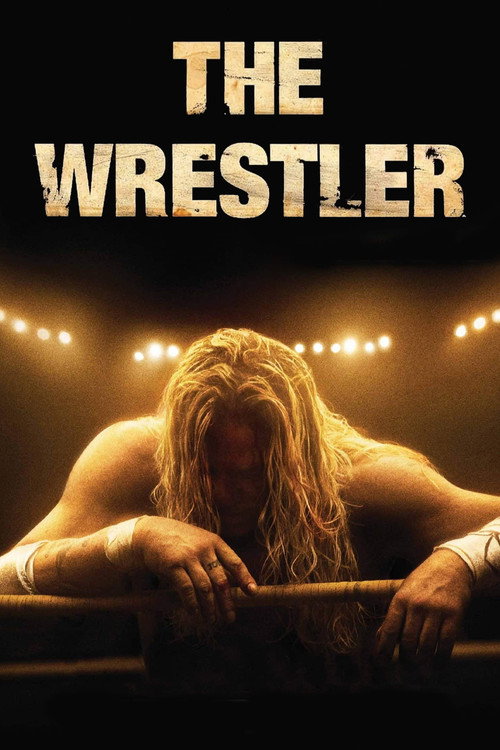
The Wrestler2008
Aronofsky's portrait of a body breaking down, a career that won't end, and a person no one really sees. Mickey Rourke gives himself over to the role completely. It's about the cost of being watched and forgotten.
But Brutally repetitive by design—long sequences of mundane, painful routine. Some viewers find that meditation; others find it punishing to sit through.
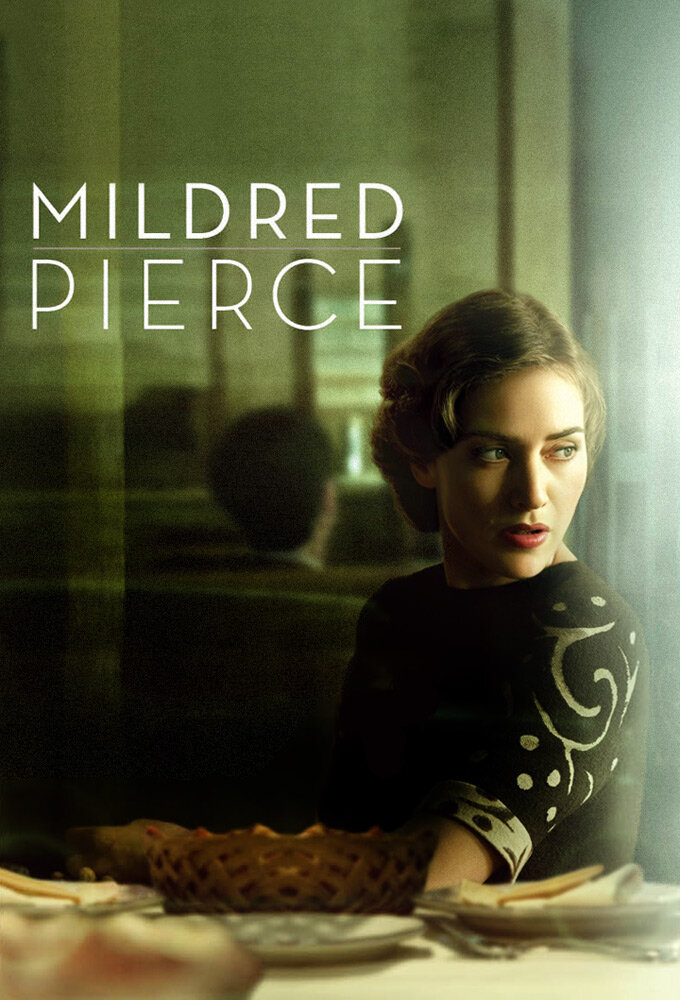
Mildred Pierce2011
Kate Winslet is a woman remade by circumstance, economic desperation, and a daughter who weaponizes love. Five hours of slow-burn devastation. Todd Haynes directed it with the precision of a jeweler working in spite.
But The pacing is deliberate, almost glacial. If you want narrative momentum or likeable characters, you won't find it here.
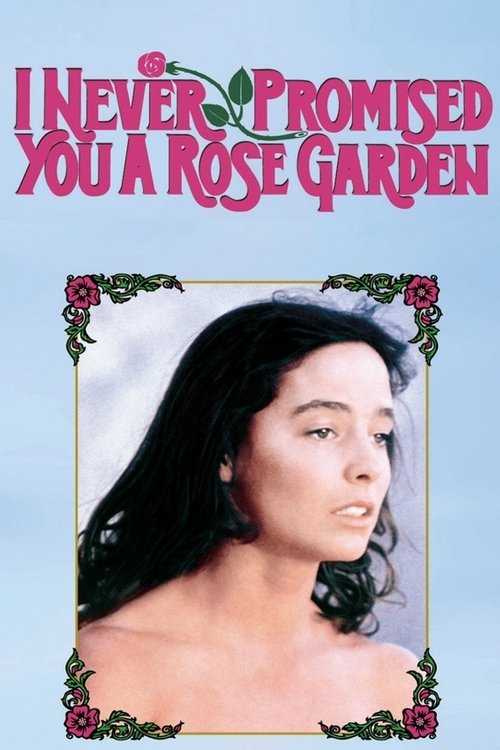
I Never Promised You a Rose Garden1977
Another woman (Kathleen Quinlan) in psychiatric crisis, fighting to stay herself inside the system. Genuinely compassionate and exact about mental illness without sentimentalizing either patient or institution. Bibi Andersson is magnificent.
But The clinical detail can feel clinical—some find it clinical in the cold way, not the illuminating one. It demands patience with slow emotional progress.
Not sure tonight? Get a pick in a minute, starting from Frances
The wildcard
Something you would not have found on your own.
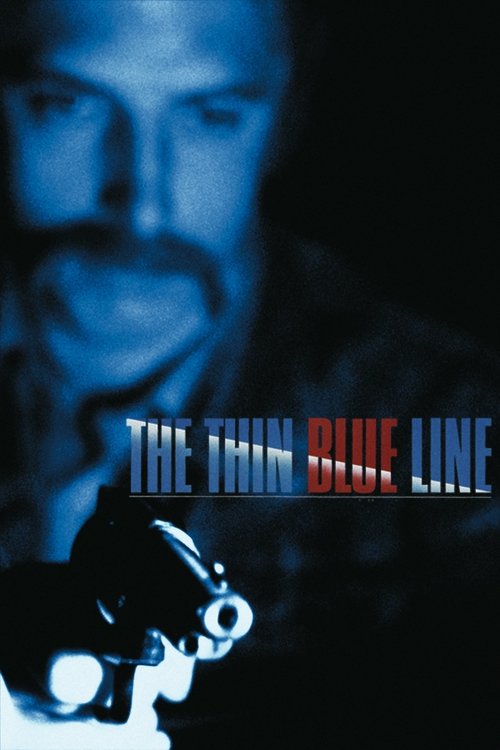
The Thin Blue Line1988
Both are stories of a person crushed by institutions—one psychiatric, one legal—and both ask whether the system or the person was ever the problem at all.
Errol Morris's documentary about a wrongly convicted man. It has Frances Farmer's same obsession with institutional machinery destroying the innocent, but from the outside—showing us the system that imprisoned the wrong person. A revelation about how power lies and how cinema can expose it.
But It's a documentary, not drama. Some viewers expect narrative catharsis; this offers justice, not closure. Also: you need to sit with the mechanics of a miscarriage of justice for ninety minutes.
More like this (7)
Requiem for a Dream2000
Four people destroyed by addiction and ambition, edited into a descent that's almost operatic in its relentlessness. Darren Aronofsky made something as much about the shape of self-destruction as about drugs. Haunting.
But The repetitive editing style that's so effective also becomes exhausting. Fair warning: it's designed to leave you wrung out and unsettled.

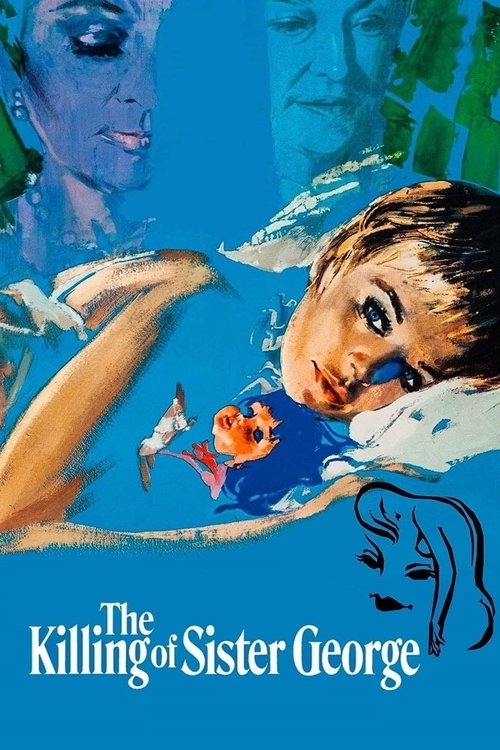
The Killing of Sister George1968
Beryl Reid as a working actress whose career implodes, her life dismantled by the studios and by her own difficult nature. It's hostile and strange, honest about female sexuality and the entertainment machine. A forgotten classic.
But The tone is blunt and sometimes uncomfortable. It doesn't soften its contempt for anyone involved, including its protagonist.
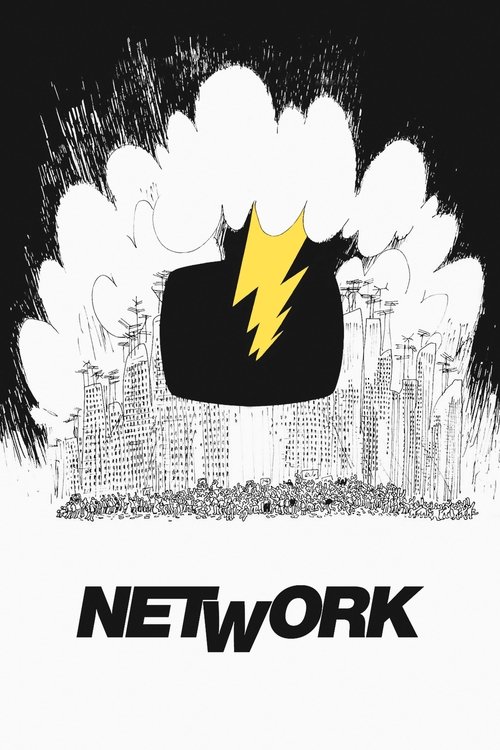
Network1976
Paddy Chayefsky's scorching satire about a news anchor's mental collapse becoming a television commodity. It's about systems consuming people, and it has more fury in it than most films manage in two hours. Peter Finch is immense.
But It's a stage play on film—very theatrical, very talkative. If you prefer cinema that shows rather than tells, this will feel mannered.
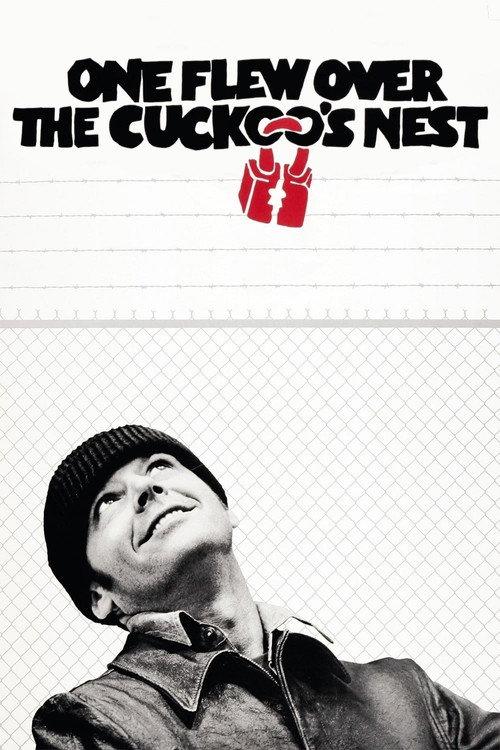
One Flew Over the Cuckoo's Nest1975
Jack Nicholson versus institutional power in a psychiatric hospital. Milos Forman's direction finds both tragedy and dark comedy in the same scene. An American classic that holds up as serious cinema, not just spectacle.
But The film's attitude toward mental illness feels dated now—compassionate by 1975 standards, but not by ours. It's an artifact as much as a statement.
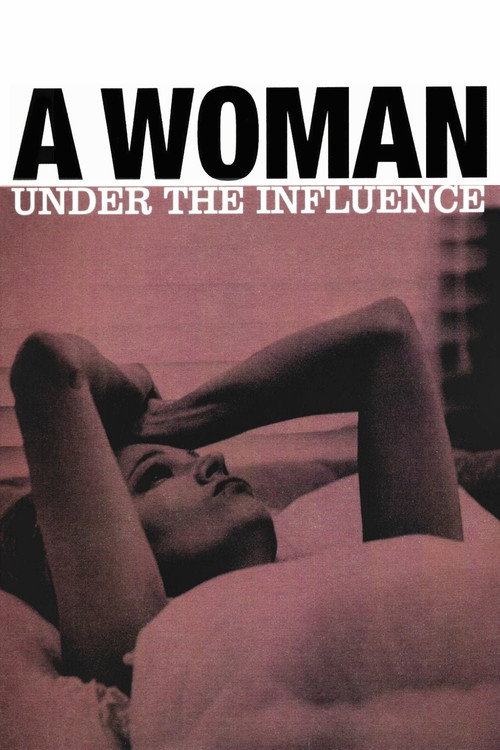
A Woman Under the Influence1974
Gena Rowlands as a woman whose family and society cannot accommodate her intensity, her strangeness, her refusal to fit. John Cassavetes shot it in brutal close-up. It's about invisibility made visible. Magnificent and rarely watched anymore.
But Nearly two and a half hours of domestic chaos and emotional rawness. The aesthetic is deliberately unglamorous and sometimes hard to parse. Patience required.
Under the Skin2014
Like Frances, it's about a woman perceived as strange being consumed by systems she doesn't control—but here the alienation is literal and cosmic, not social. Same architecture, inverted register.
Jonathan Glazel's science fiction film, almost wordless, shot as a study of alienation and predation. Scarlett Johansson as something not-quite-human observing human vulnerability. It's cinema as mood and rupture, not plot. Utterly unlike anything else.
But There is no conventional narrative. Long sequences of the protagonist driving through Scotland, minimal dialogue, no explanation. It demands you surrender to its logic rather than understand it.

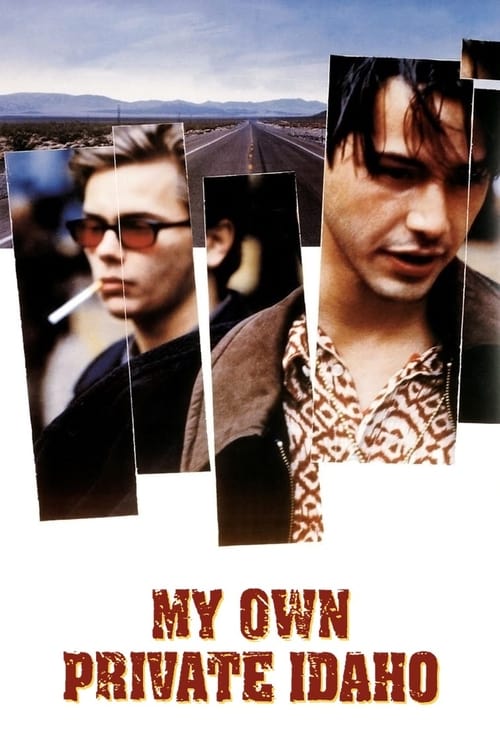
My Own Private Idaho1991
Both chart the destruction of someone too alive, too uncontainable for the world they're in. Frances was destroyed by institutions; these two are destroyed by society's indifference. Different machinery, same outcome.
Gus Van Sant's film about two teenage hustlers, shot as a fever dream across America. It has Frances's obsession with a gifted person at odds with the world, but displaced into homelessness, queer desire, and gorgeous, desperate cinema. River Phoenix is heartbreaking. It's underground where Frances was institutional.
But The narrative is deliberately fragmented and dreamlike. Long sequences of Shakespearean adaptation interrupt the story. It prioritizes mood and character over coherence. Not everyone wants that in their cinema.
People
Cast
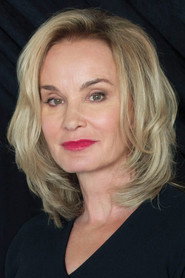 Jessica LangeFrances Farmer
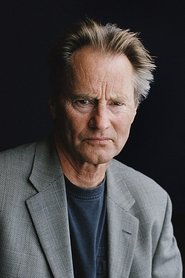 Sam ShepardHarry York
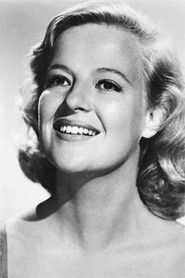 Kim StanleyLillian Farmer
- Bart BurnsErnest Farmer
- Christopher PennockDick Steele
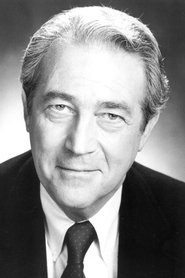 James KarenJuge Hillier
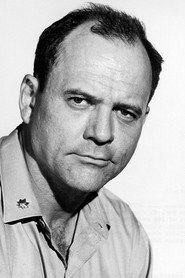 Gerald S. O'LoughlinMédecin spécialiste de la lobotomie
- Sarah CunninghamAlma Styles
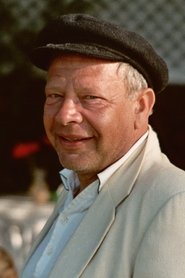 Allan RichMr. Bebe
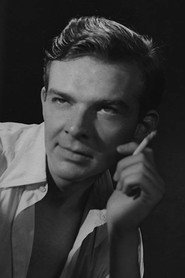 Woodrow ParfreyDocteur Doyle
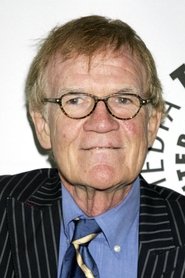 Jack RileyBob Barnes
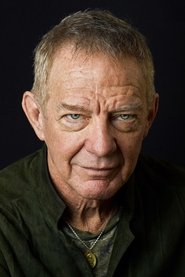 Darrell LarsonLouella's Spy
Directing
- Graeme CliffordDirector
- Ed MilkovichFirst Assistant Director
- Wendy Sterne BrownScript Supervisor
- Michael GreenSecond Assistant Director
Writing
- Christopher De VoreWriter
- Eric BergrenWriter
- Nicholas KazanWriter
Production
- Blanche BisbingAssistant Accountant
- Charles MulvehillAssociate Producer
- Elisabeth LeustigCasting
- Jane JenkinsCasting
- Janet HirshensonCasting
- Nancy FoyCasting
- Pat OrsethCasting
- Marie YatesCo-Producer
- Elisabeth LeustigExtras Casting
- Jack LeustigExtras Casting
- Linda Phillips-PaloExtras Casting Assistant
- Joe O'HarLocation Manager
- Jonathan SangerProducer
- Vince HeilesonProduction Accountant
- Teresa StokovicProduction Office Coordinator
- Carole NoiaResearcher
- Charles MulvehillUnit Production Manager
Recommended by
The Snake Pit, A Woman Under the Influence, I Want to Live!, Guinevere, Antonia and Jane, Isadora, Spiral